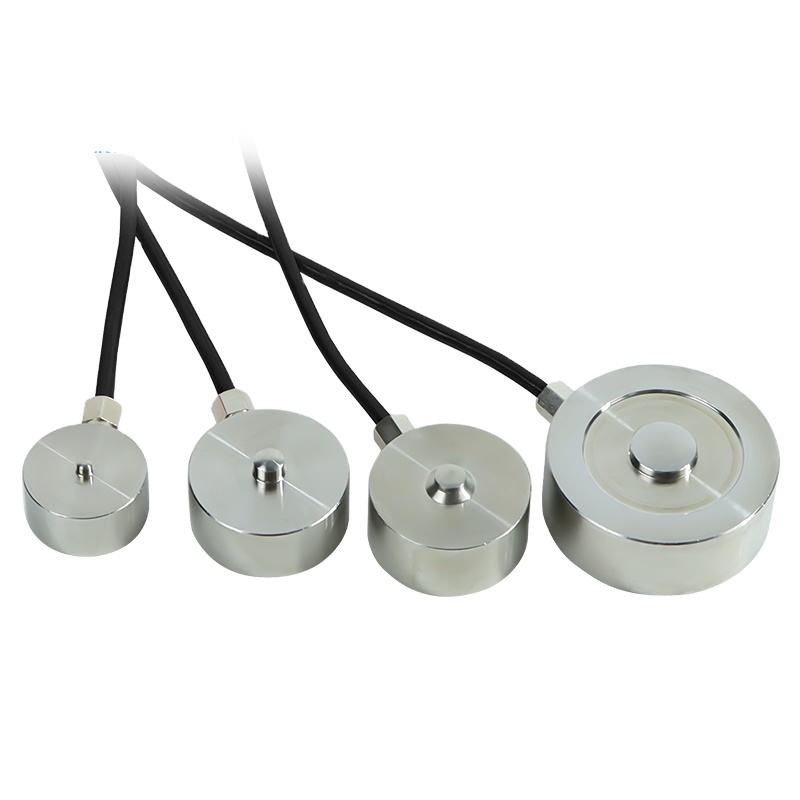
Choosing the Right 500kg Load Cell Supplier

application/500kg-load-cell, application/500kg-load-cell, 
Inquiry
Inquiry

500kg load cell

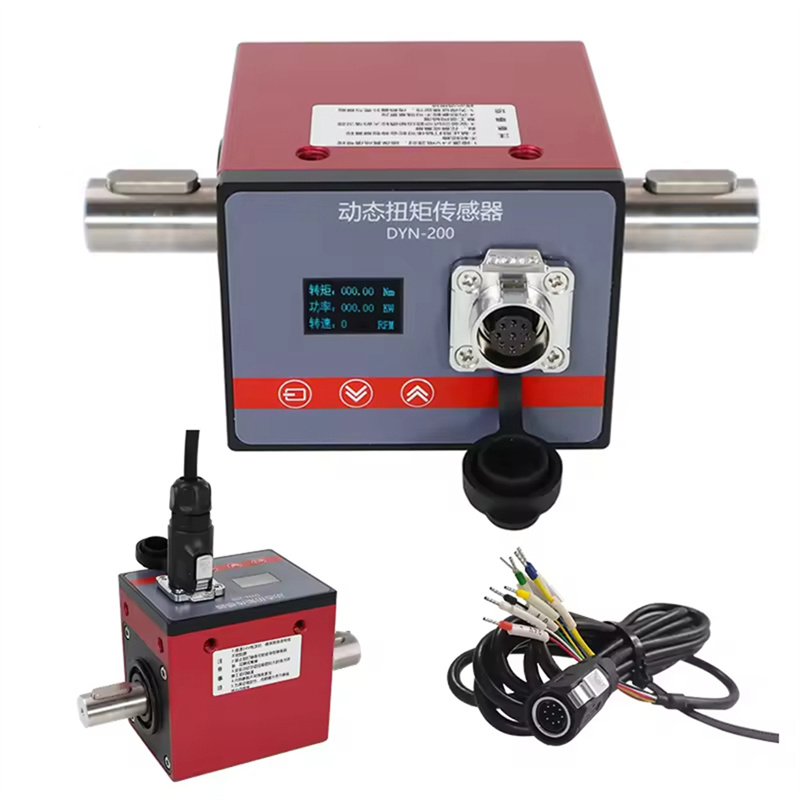
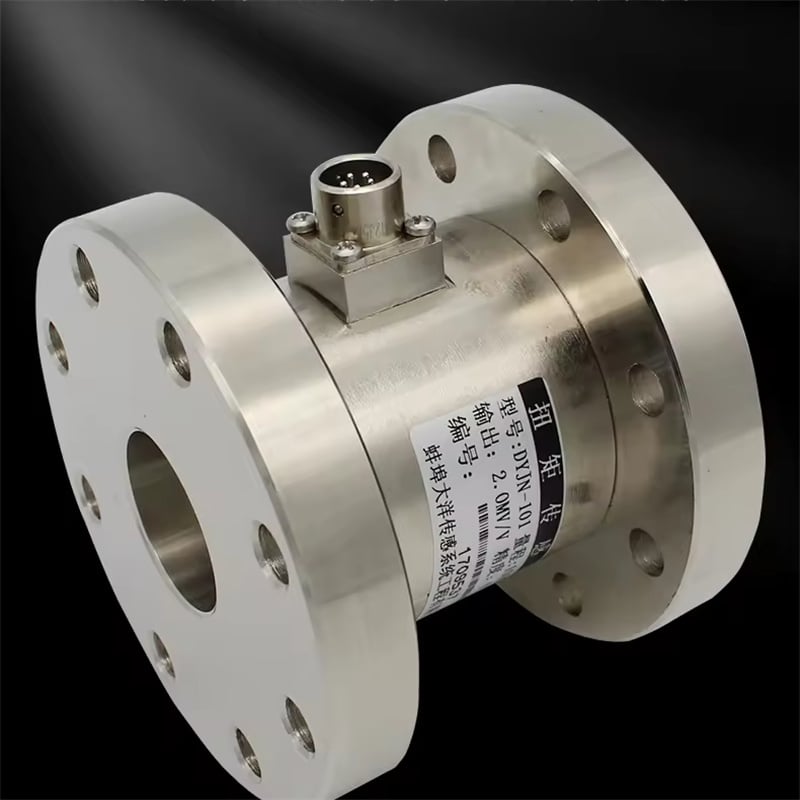
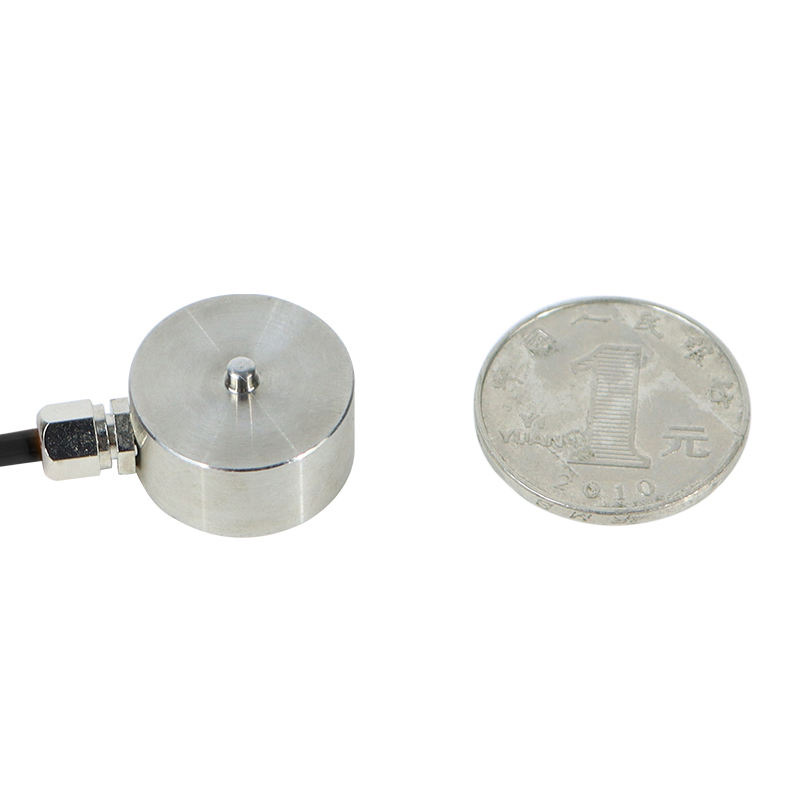
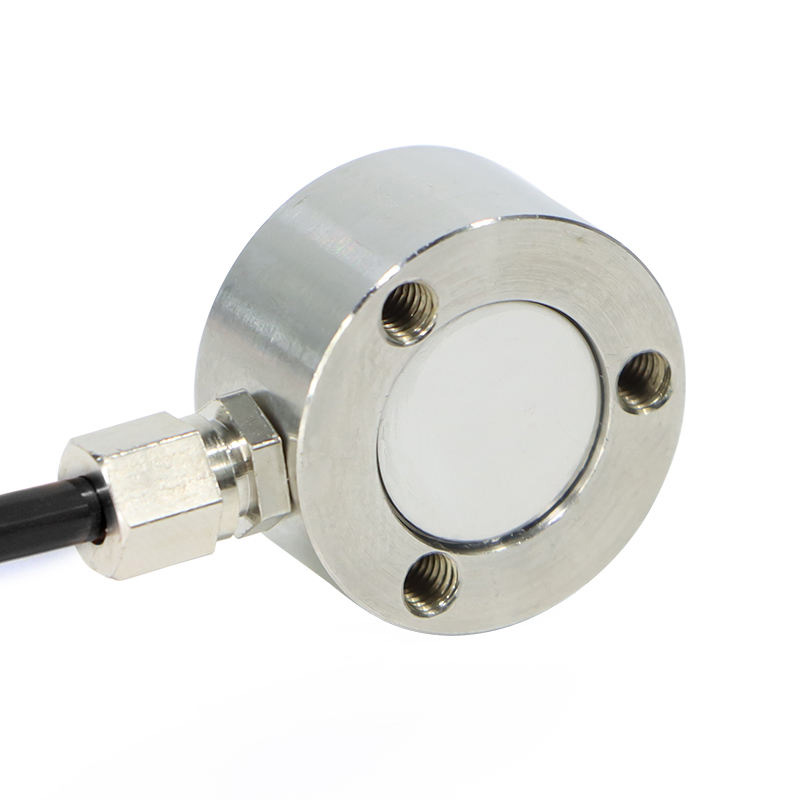
Choosing the right 500kg load cell is crucial for ensuring accuracy and reliability in various industrial applications. These PST Load cell are essential components in weighing and force measurement systems, often used in lifting, automation, and quality control processes. As a B2B buyer, you may have specific concerns regarding product specifications, supplier reliability, and cost-effectiveness. This article will guide you through the key considerations when selecting a 500kg load cell, helping you make informed purchasing decisions.    

When comparing 500kg PST Load cell indicator, buyers should carefully review the key specifications to ensure the product matches the requirements of the intended application. Important key specifications may include rated capacity, accuracy, material, and operating conditions. Working with a reliable load cell supplier can also help businesses obtain suitable 500kg load cells and receive technical information before purchasing. In addition, checking quality control standards is important for maintaining consistent measurement performance. A trusted load cell supplier should be able to provide clear product details and demonstrate that the 500kg load cells PST Transmitter meet relevant quality control standards for dependable industrial use.


Key Specifications to Evaluate for 500kg Load Cells

Key Specifications to Evaluate for 500kg Load Cells

When evaluating 500kg load cells, several key specifications are critical to ensuring they meet your operational requirements:  

Capacity and Accuracy: The nominal capacity is 500kg, but it's also vital to check the load cell's accuracy rating, typically expressed as a percentage of the full capacity. Higher accuracy translates to better performance in sensitive applications.  

Material and Construction: Load cells are often made from materials like aluminum or stainless steel. The choice of material affects durability, corrosion resistance, and suitability for specific environmental conditions. For example, stainless steel is preferable for applications in humid or corrosive environments. 

Output Signal: Load cells provide various output signals, including analog (mV/V) and digital (RS-232, RS-485). The output type should be compatible with your existing systems for seamless integration. 

Temperature Range: Consider the operational temperature range. Some load cells perform better in extreme conditions, so ensure the model you choose can withstand the specific environmental factors of your application. 

Protection Class: Look for load cells with appropriate IP ratings, which indicate their resistance to dust and moisture. This is particularly important for outdoor or harsh environments.

Cost Factors to Evaluate for 500kg Load Cells in Bulk Orders

Cost Factors to Evaluate for 500kg Load Cells in Bulk Orders

The cost of 500kg load cells can vary significantly based on several factors. Here are the primary considerations: 

Material Costs: The choice of materials directly impacts price. High-quality materials, such as stainless steel, can increase the cost but also enhance durability and performance. 

Customization: Custom-built load cells will typically incur higher costs due to the additional engineering and manufacturing processes involved. Be sure to weigh the benefits of customization against your budget constraints. 

Order Volume: Bulk orders often qualify for discounts, so consider the quantity required for your project. Suppliers may offer tiered pricing based on the volume purchased. 

Shipping and Handling: Depending on your location and the supplier's location, shipping costs can vary. Ensure you factor these into your total cost analysis. 

Quality Assurance: Investing in a supplier with a strong quality assurance process may lead to higher upfront costs but can save money in the long run by minimizing failures and associated downtime.

Applications of 500kg Load Cells in Various Industries

Applications of 500kg Load Cells in Various Industries

500kg load cells are versatile components used across several industries, including:

Manufacturing: In assembly lines, load cells help ensure that products meet weight specifications, contributing to quality control. 

Aerospace: Load cells are used in testing applications to measure forces and weights accurately, ensuring safety and compliance with strict regulations. 

Construction: In lifting applications, load cells assist in monitoring weights to prevent overloading equipment and ensure safe operations. 

Logistics: In warehousing and distribution, load cells are integral to weighing systems that track inventory and ensure proper load distribution in shipping. 

New Energy: Load cells are increasingly used in renewable energy applications, such as monitoring the weight of solar panels or wind turbine components during installation.

Assessing Quality Control Standards for 500kg Load Cells

Quality control is a critical aspect when evaluating 500kg load cells. Here are key factors to consider:

Testing Protocols: Ensure the supplier has stringent testing protocols in place. This should include calibration processes and performance testing under various conditions to confirm accuracy and reliability. 

Certifications: Look for suppliers that hold relevant certifications, such as ISO 9001, which indicates adherence to quality management standards. This can provide assurance of product reliability and quality. 

Batch Consistency: In mass production scenarios, consistency across batches is crucial. Suppliers should have measures in place to monitor and maintain quality across production runs. 

Traceability: A robust quality control system should include traceability of materials and components used in manufacturing load cells, allowing for accountability and easier identification of potential issues. 

Warranty and Support: Evaluate the warranty offered on the load cells and the supplier's commitment to post-sales support. A reliable supplier will provide assistance with integration, maintenance, and troubleshooting, which is essential for long-term reliability. 

By considering these factors, you can ensure that the 500kg load cells you select will meet your operational needs and provide reliable performance in your applications.

What to Consider When Choosing a 500kg Load Cell Supplier

When selecting a supplier for 500kg load cells, consider their manufacturing capabilities, experience, and certifications. Look for suppliers like JIANGXI JINGCE SENSING TECHNOLOGY CO., LTD., which specializes in high-precision load cells and holds CE/RoHS certifications, ensuring compliance with international safety and quality standards. Evaluate their production processes, including quality control measures and testing protocols, to ensure they meet your specific application requirements.   

It's also essential to assess their customization capabilities. Many applications require load cells that can be tailored to specific dimensions, materials, or performance characteristics. Suppliers should be able to accommodate these needs, providing OEM and ODM solutions to fit your unique specifications. 

Lastly, consider the supplier's track record in your industry segment. A supplier with experience in your sector, whether it's manufacturing, automation, or new energy, will likely understand the challenges you face and provide better support.

Frequently Asked Questions

What is the rated capacity of the 500kg load cell?

The 500kg load cell is rated for a maximum static capacity of 500 kilograms. It is designed for high-precision weighing and force measurement in industrial applications.
The load cell offers high-precision measurement with low non-linearity and hysteresis. Specific accuracy class and resolution depend on the model; contact us for calibration and certificate details.
Our 500kg load cell is CE and RoHS compliant, meeting relevant safety and environmental standards for industrial use.
Yes. We provide OEM/ODM customization including mounting options, cable length, connector types, and calibration to fit lifting, weighing, and automation needs.
It is suitable for lifting, weighing, automation, and new energy applications. Optional protection and sealing can be provided for harsh or outdoor environments.

Get a Free Quote

Our representative will contact you soon.
0/1000