Key Specifications to Evaluate in Digital Load Cell Indicators
When assessing digital load cell indicators, several key specifications are vital to ensure they meet your operational needs.
Accuracy and Resolution: Look for indicators that provide high accuracy (usually within ±0.1% of full scale) and sufficient resolution. This ensures precise weight or force readings critical for quality control processes in manufacturing.
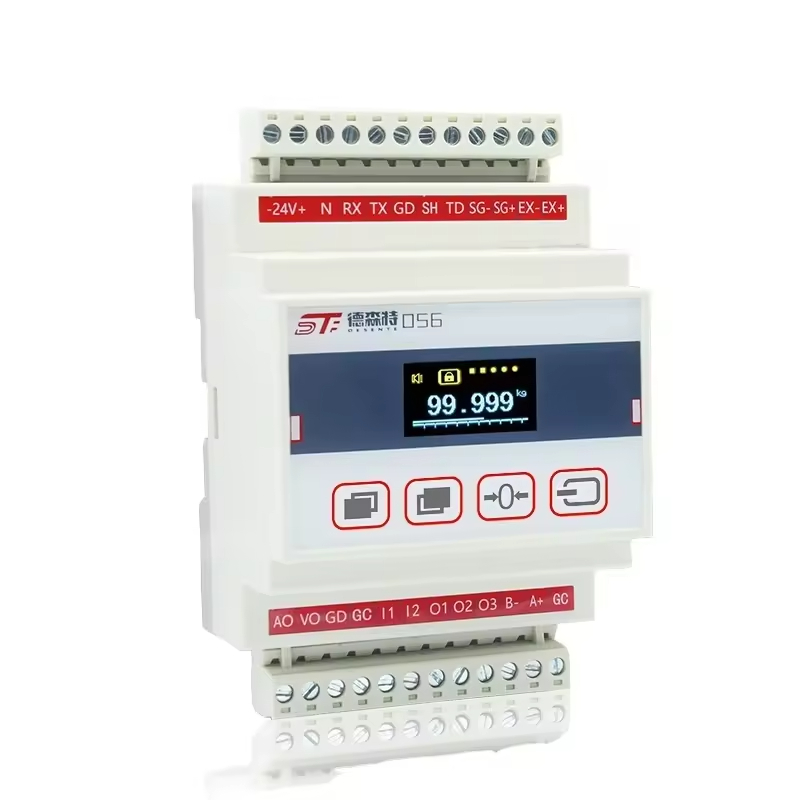
Display Type and Size: The display should be easy to read under various lighting conditions. Consider whether a digital LED or LCD display is more suitable, and ensure the size is appropriate for your working environment.
Input Compatibility: Ensure the indicator is compatible with the load cells you plan to use. Check for input specifications like the number of load cells supported and the required voltage.
Communication Interfaces: Common interfaces include RS-232, RS-485, and USB, which allow for easy data transfer to computers or other systems. This feature is important for automated applications where data logging is essential.
Environmental Ratings: Depending on your application, consider indicators with appropriate IP ratings for dust and moisture resistance. This is crucial in harsh environments, such as manufacturing facilities.
Calibration and Certification: Check if the indicators are calibrated before shipment and whether they have necessary certifications such as CE or RoHS, which indicate compliance with safety and environmental standards.
Choosing the right specifications ensures that the digital load cell indicator performs optimally in your specific application, reducing the risk of errors and improving overall efficiency. For example, using a reliable Load cell is essential for ensuring accurate readings.
 EN
EN