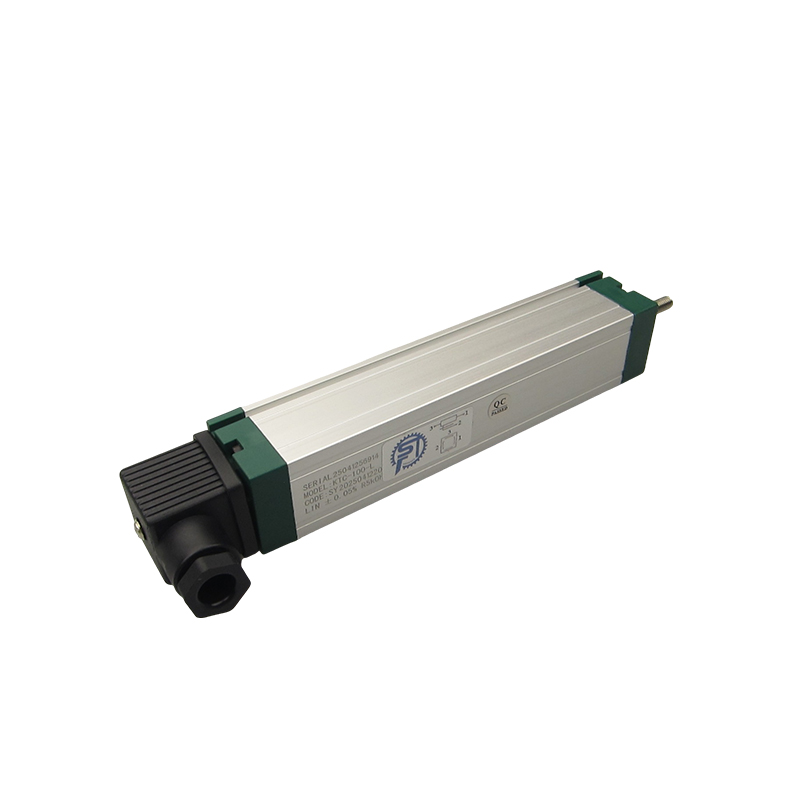
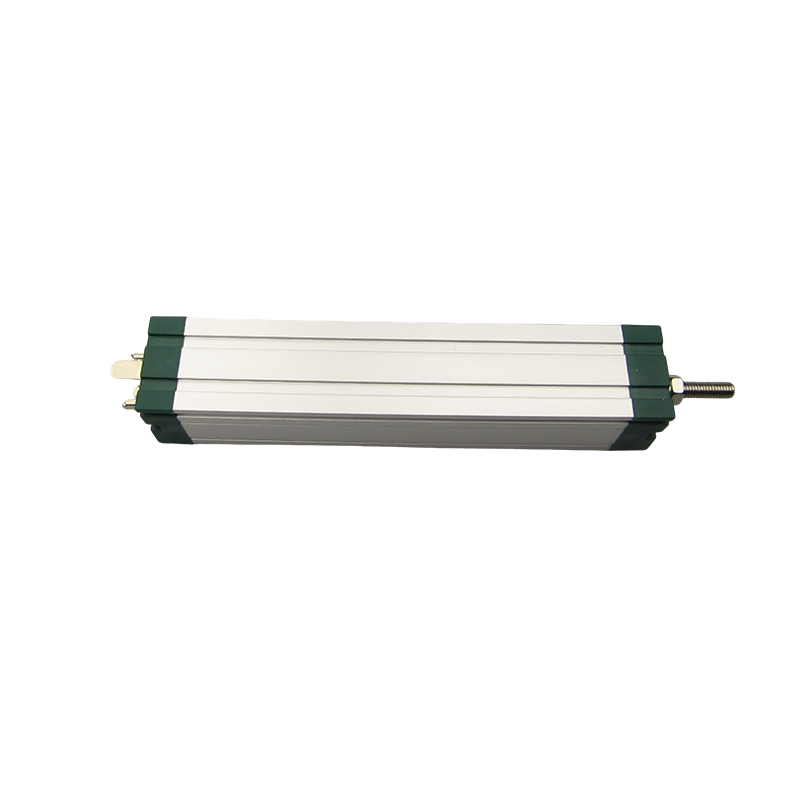
Choosing the Right Displacement Sensor for Your Needs

application/displacement-sensor, application/displacement-sensor, 
Inquiry
Inquiry

Displacement sensor

Displacement sensors are critical components in various industrial applications, providing precise measurements of position or displacement. For purchasing managers and engineers, selecting the right displacement sensor is essential for ensuring the reliability and accuracy of their systems. This article addresses key considerations such as how to evaluate quality, specifications to look for, common issues encountered, and the range of applications for these force torque sensor, helping you make informed decisions in your procurement process.

How to Evaluate the Quality of Displacement Sensors for Wholesale

How to Evaluate the Quality of Displacement Sensors for Wholesale

When sourcing displacement sensors in bulk, quality evaluation is paramount. Start by examining the manufacturer’s certifications, such as ISO 9001, which indicates adherence to quality management standards. Additionally, certifications like CE and RoHS demonstrate compliance with safety and environmental regulations, assuring you of the displacement sensors reliability and safety. 

Request samples to conduct your own testing. Assess the displacement sensors performance in real-world conditions similar to those it will face in your application. Key performance metrics to evaluate include accuracy, repeatability, and response time. It's also essential to check for build quality—inspect materials and casing for durability, especially if the displacement sensors will be exposed to harsh conditions. 

Establish a quality assurance process with your supplier, including regular audits and performance checks, to maintain quality over time. Consider suppliers that offer warranties or guarantees, which can mitigate risks associated with sourcing from new vendors.

Key Specifications to Consider When Sourcing Displacement Sensors

Key Specifications to Consider When Sourcing Displacement Sensors

When sourcing PST displacement sensors, several specifications are critical to ensure they meet your application needs. 

Measurement Range: This specifies the minimum and maximum distances the sensor can accurately measure. Ensure that the range aligns with your application requirements to avoid measurement errors. 

Resolution: This indicates the smallest change in position that the sensor can detect. Higher resolution is crucial for applications requiring precise measurements. 

Linearity: This refers to how closely the sensor output corresponds to the actual displacement across its range. Non-linearity can lead to significant errors in applications demanding precision. 

Response Time: This is the time it takes for the sensor to respond to a change in position. Faster response times are essential in dynamic applications where rapid changes occur. 

Operating Temperature: Ensure that the displacement sensor can operate reliably within the temperature range of your application environment. Extreme temperatures can affect torque sensor accuracy and lifespan. 

Output Signal Type: Determine if you need analog or digital output based on your system’s requirements. Compatibility with existing systems is key for smooth data integration.

Common Problems with Displacement Sensors and Their Solutions

Common Problems with Displacement Sensors and Their Solutions

Displacement sensors, while generally reliable, can experience several common issues that may affect performance. One frequent problem is signal interference, which can lead to inaccurate readings. To mitigate this, ensure proper grounding and shielding of sensor cables, especially in environments with high electromagnetic interference. 

Another issue is displacement sensors drift, where the output signal gradually changes over time, leading to measurement inaccuracies. Regular calibration is essential to counteract drift and maintain accuracy. Implement a routine calibration schedule based on your application’s requirements. 

Environmental factors can also pose challenges, such as contamination from dust or moisture ingress. Selecting displacement sensors with appropriate ingress protection (IP) ratings can help prevent these issues. For example, IP67-rated sensors are dust-tight and can withstand immersion in water, making them suitable for harsh environments. 

Finally, installation errors can lead to misalignment, affecting measurement accuracy. Ensure that installation guidelines are followed meticulously, and consider using fixtures that maintain the displacement sensors position and orientation.

Applications of Displacement Sensors Across Various Industries

Displacement sensors are versatile tools employed across multiple industries. In manufacturing, they are crucial for monitoring machine positions and ensuring accurate automation processes. For instance, they help in controlling CNC machines, where precise positioning is vital for achieving high-quality outputs. 

In the automotive industry, displacement sensors are used in testing components such as suspensions and brakes, allowing engineers to gather precise data on performance characteristics. This ensures that vehicles meet safety and performance standards. 

In the construction sector, these PST displacement sensors can monitor structural movements, detecting shifts in buildings or bridges that may indicate potential failures. Their ability to provide real-time data is invaluable for maintenance and safety assessments. 

Additionally, in the renewable energy sector, displacement sensors play a role in monitoring the positioning of solar panels and wind turbines, enhancing operational efficiency. By accurately tracking the angle of these systems, they optimize energy capture in different environmental conditions. 

In summary, understanding the specifications, quality evaluation methods, and potential issues associated with displacement sensors is essential for making informed purchasing decisions. By considering the specific needs of your application and collaborating closely with reputable manufacturers like JIANGXI JINGCE SENSING TECHNOLOGY CO., LTD., you can ensure the reliability and accuracy of your measurement systems. 

Choosing the Right Displacement Sensor for Your Project Needs

Selecting the appropriate displacement sensor requires a clear understanding of your project requirements. First, consider the sensing technology—common types include capacitive, inductive, and laser displacement sensors. Each technology has its advantages; for instance, laser sensors offer high accuracy over longer distances, while capacitive displacement sensors are better suited for small-scale applications. 

Next, assess the environmental conditions. Factors such as temperature, humidity, and potential exposure to chemicals can influence displacement sensors performance and longevity. It's crucial to match the displacement sensors specifications with the operational environment to avoid premature failure. Additionally, consider the required measurement range and resolution, as these directly impact the sensor's ability to accurately capture displacement under different conditions. 

Lastly, ensure that the selected PST steering torque sensor is compatible with your existing systems. This includes verifying electrical interfaces and communication protocols to facilitate integration and data exchange within your automation systems.

Frequently Asked Questions

What is this displacement sensor used for?

Our displacement sensor measures linear position and movement for lifting, weighing, automation, and new energy systems requiring high precision.
We offer high-precision models with tight accuracy and fine resolution; exact specs depend on model and can be provided per application.
Products comply with CE and RoHS certifications and undergo strict QC to meet industrial OEM/ODM requirements.
Yes. We provide OEM/ODM customization for range, mounting, output, and environmental protection to fit your system.
Multiple output options are available, including analog, digital, and wireless interfaces. Specific interfaces depend on the selected model.

Get a Free Quote

Our representative will contact you soon.
0/1000