Load Cell Manufacturing Companies and Applications

application/load-cell-manufacturing-companies, application/load-cell-manufacturing-companies, 
Inquiry
Inquiry

load cell manufacturing companies

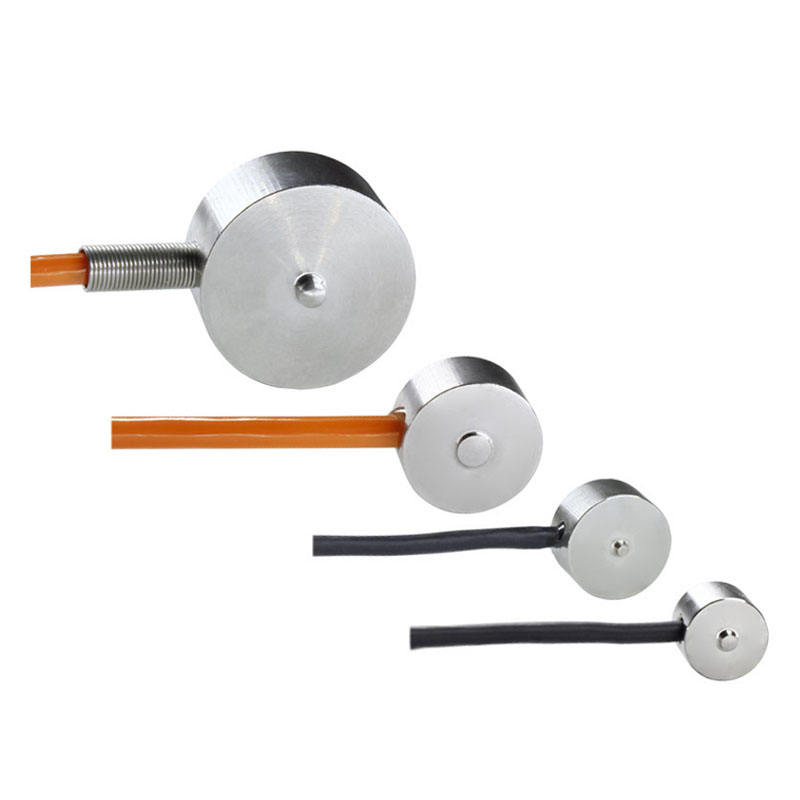
Load cells are critical components in various industrial applications, providing precise measurements of  force, weight, and pressure. As  a result, understanding  the landscape of load cell  manufacturing companies is  essential for B2B buyers,  such  as purchasing managers, engineers,  and product managers.  This article will delve into the applications of load cells  across different industries, cost factors  when sourcing load  cells wholesale, best practices  for procurement,  the material advantages  of high-precision load cells, and guidance  on  finding  reliable  manufacturers for  your projects.

Cost Factors to Consider When Sourcing Load Cells Wholesale

Cost Factors to Consider When Sourcing Load Cells Wholesale

When sourcing load cells wholesale, several cost factors  must be taken into account. First, the type of load cell—whether it’s a strain gauge, hydraulic, or pneumatic—can significantly affect pricing. Strain  gauge load cells are typically more cost-effective and widely used, while hydraulic load cells  may come at a premium  due to their robustness and adaptability  in harsh environments.

Another  cost factor is the material used in manufacturing the load cells. High-precision  load  cells are often constructed from stainless steel or aluminum, which can influence both the price and performance based on the  application. For example, stainless steel is preferred in corrosive environments, while aluminum can reduce weight but may not offer the same durability. If you are looking for more durable options, exploring tension load cells might be beneficial.


Minimum Order Quantities (MOQs) are  also a  crucial consideration.  Manufacturers  may impose MOQs that can affect your overall budget, especially for smaller projects. Additionally,  lead  times can impact costs;  expedited production  may incur higher fees. Understanding these factors helps in negotiating better terms and ensuring that the load  cells you source meet your budgetary constraints while fulfilling  performance requirements.

Best Practices and Tips

Best Practices and Tips

To ensure a successful procurement process for load cells, consider the following best practices:


Define Your Requirements: Clearly  outline the specifications necessary for your project, including load capacity, accuracy, and environmental conditions. This will help you communicate effectively with  manufacturers and avoid costly mismatches.

Request Samples: Before placing larger orders, obtain samples to  test under actual  operating  conditions. This step helps verify that the  load cells perform as  expected, ensuring they meet your operational demands.

Evaluate Quality Control Processes: Inquire about  the manufacturer's quality control  measures. Understanding their testing procedures and certifications, such  as CE or RoHS, can provide insights into product  reliability and performance.

Compare Suppliers: Look beyond  price alone. Assess suppliers based on customer service, delivery reliability, and technical support. A reliable partner can save you time and mitigate risks throughout your project.

Documentation: Ensure clear documentation of all specifications  and agreements. This includes  technical drawings, performance  criteria, and  any customizations required, which will  aid in  preventing misunderstandings down the  line.

Material Advantages of High-Precision Load Cells in Manufacturing

Material Advantages of High-Precision Load Cells in Manufacturing

Material selection is a critical factor in manufacturing high-precision load cells. Common materials include stainless steel and aluminum, each  with distinct advantages. Stainless steel is known for its strength and corrosion  resistance, making it ideal for  environments where the load cell may be exposed to moisture or chemicals. This  durability is crucial in applications where load cells are used in outdoor settings or within machinery exposed to harsh conditions.


Aluminum,  on  the other hand, offers a  favorable strength-to-weight ratio, making it  suitable for applications  requiring  lighter  components. However,  it may not provide the same level of environmental resistance as  stainless steel. Therefore, choosing  the right material depends on the specific application and environmental conditions  it  will face.

Additionally, advanced manufacturing techniques,  such as  laser welding and precision machining, enhance the performance and accuracy of load cells. Understanding these material properties and manufacturing processes can help buyers select the best load cells for their  needs.

Where to Find Reliable Load Cell Manufacturers for Your Projects

Finding reliable load cell manufacturers involves thorough research and evaluation. Start by considering established companies with  a proven track record in the industry. Look  for manufacturers that specialize in high-precision load cells and have experience  catering to your specific application needs.

You can assess  their credibility through  industry certifications, client testimonials, and case studies showcasing  successful projects. Participating in industry trade shows and exhibitions can  also  help you connect with manufacturers directly, allowing you to discuss  your requirements and assess their capabilities.

Online platforms and industry directories can provide a comprehensive list of load cell manufacturers. However, due diligence is critical. Reach out to  potential suppliers to discuss your needs,  inquire about  their production  capabilities, and request  product samples.  This  process helps ensure that you select a manufacturer who can meet your specifications and support your project goals effectively.

By understanding the  applications, cost factors, best practices, material advantages, and avenues for finding reliable  manufacturers, you can make  informed decisions  when sourcing load cells. This strategic approach will help you select the right components for your projects, ultimately enhancing performance and operational efficiency.

Understanding Load Cell Applications Across Industries and Projects

Load cells find applications  across a wide range  of  industries, including lifting,  weighing, automation, and  new energy sectors. In the lifting industry, load cells are vital for ensuring safety  and precision in applications like cranes and hoists, where accurate weight measurement  prevents overloads and enhances operational efficiency. In the  weighing industry,  they  are used in scales for packaging, shipping, and retail solutions.

In automation, load cells play a significant role in  monitoring  force  in robotic  applications, ensuring that forces applied during assembly or manufacturing processes  remain within specified limits. In the new energy sector, load cells are instrumental in measuring the tension in wind  turbine cables or monitoring the structural  integrity of solar panel installations under various load conditions. Understanding how these applications  align with  your specific project requirements is crucial for selecting the right load cell type and  configuration. You may also want to consider different types of load cells based on your project needs.

Frequently Asked Questions

What load cell types do you manufacture?

We produce high-precision compression, tension, shear beam, single point, and S-type load cells, plus force sensors and wireless dynamometers for various industrial applications.
Yes. Our load cells and sensors carry CE and RoHS certifications, ensuring compliance with European safety and environmental standards.
Yes. We offer OEM and ODM services, including custom calibration, mechanical design, connectors, and housing to meet specific lifting, weighing, automation, or energy needs.
We supply solutions for lifting equipment, industrial weighing, automation systems, and new energy applications worldwide, supporting both standard and specialized projects.
Lead times vary by model and quantity; typical production ranges from a few weeks to longer for custom orders. We provide technical support, testing reports, and after-sales service.

Get a Free Quote

Our representative will contact you soon.
0/1000