100kg Load Sensor: Quality Control and Applications

application/load-sensor-100kg, application/load-sensor-100kg, 
Inquiry
Inquiry

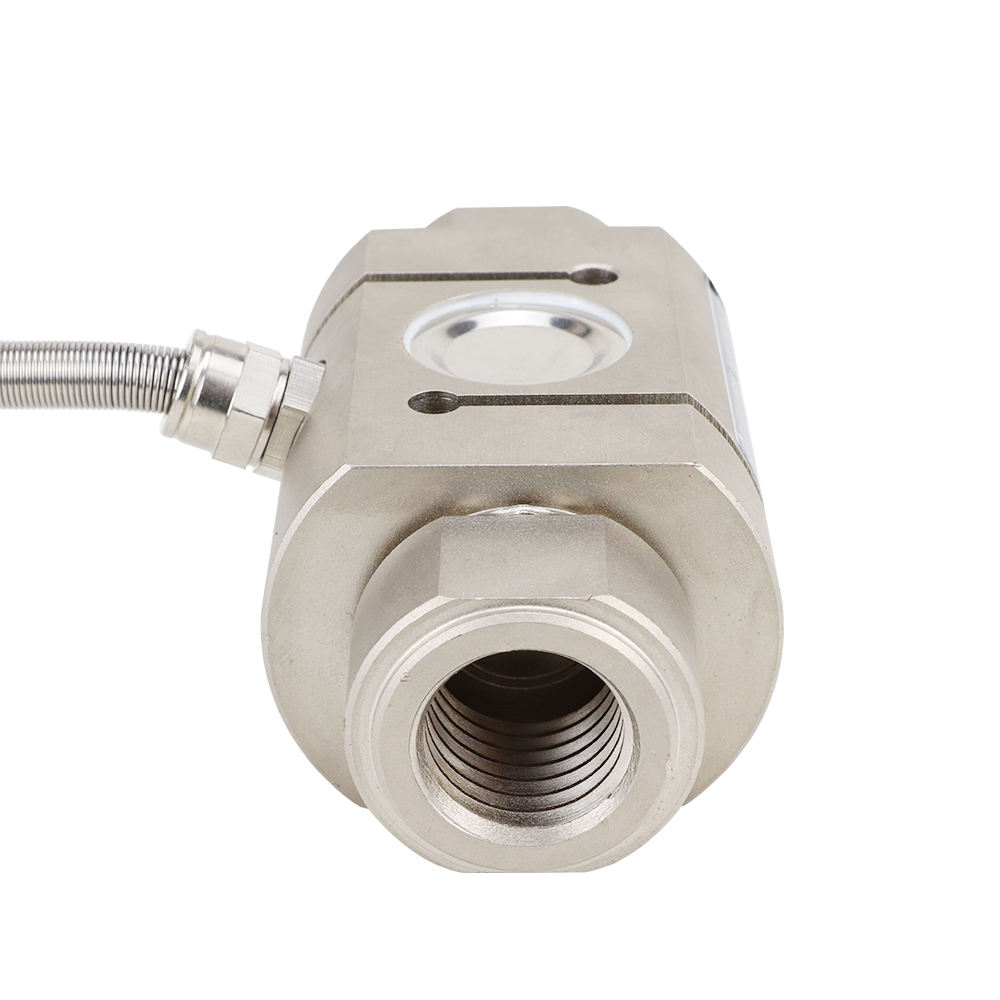
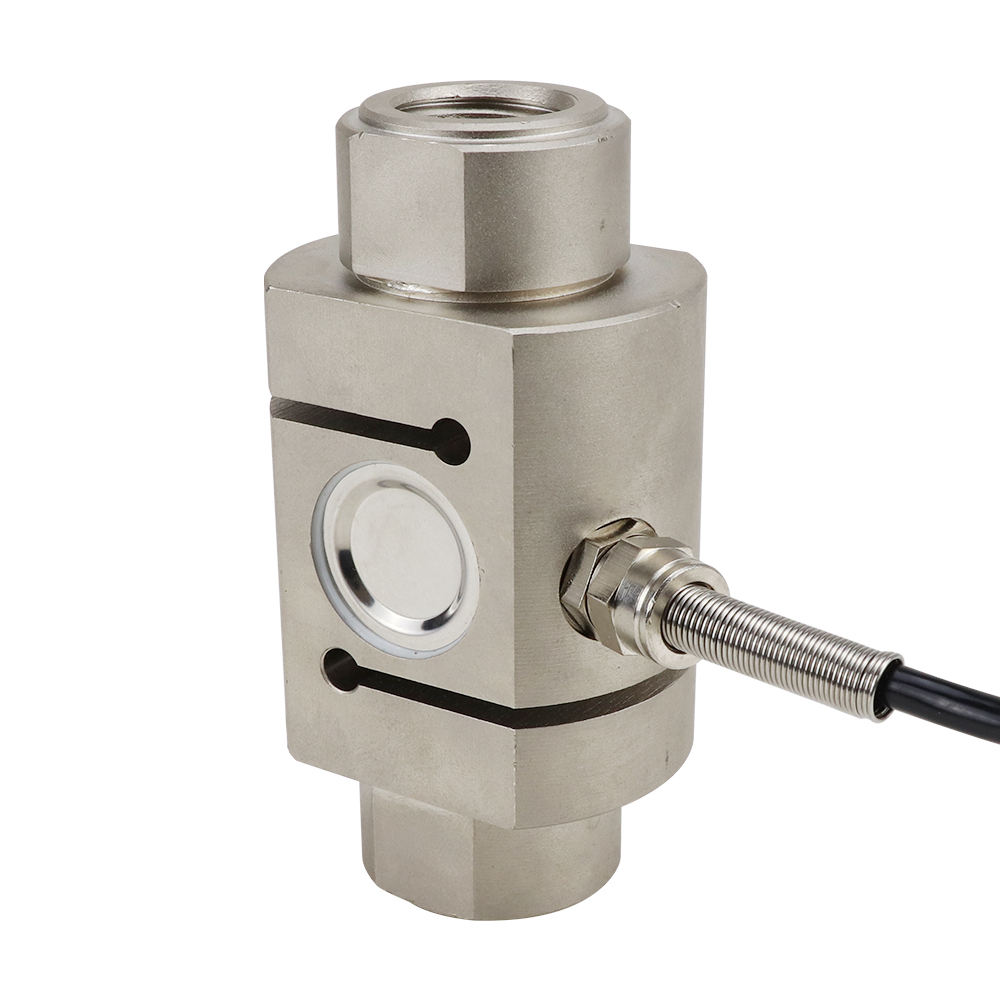
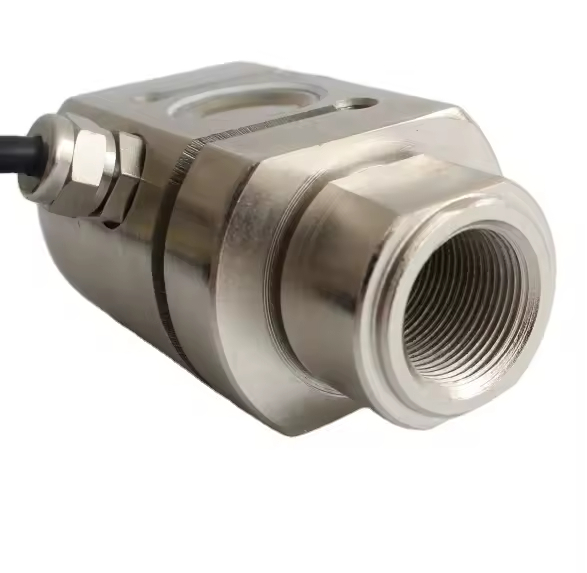
Load sensor 100kg

Load sensors are critical components in various industries, providing precise measurements of weight and force. This article focuses specifically on the 100kg load sensor, a common choice for applications in lifting, weighing, automation, and new energy sectors. As a B2B buyer, understanding the intricacies of PST 100kg load sensors is vital for ensuring quality, performance, and compatibility with your specific needs. This article will cover essential topics such as quality control processes, common installation problems, cost factors for bulk purchasing, applications across various industries, and the material advantages of high-precision Load cell.

Common Installation Problems with 100kg Load Sensors and Solutions

Common Installation Problems with 100kg Load Sensors and Solutions

Installing 100kg load sensors correctly is crucial for their accurate operation. However, buyers often encounter common installation problems that can affect performance. Here are some typical issues and their solutions: 

Misalignment: One of the most prevalent issues is misalignment during installation. If the load sensor is not positioned correctly, it may yield inaccurate readings. To mitigate this, ensure that the sensor is aligned with the load path, and consider using fixtures or guides during installation to maintain proper positioning. 

Improper Load Application: Load sensors are designed for specific load applications. Applying loads at an angle or exceeding the rated capacity can cause erroneous readings or damage. To avoid this, ensure that loads are applied vertically and within the rated specifications. 

Environmental Factors: Humidity, temperature fluctuations, and vibration can impact sensor performance. It is vital to install the sensor in a stable environment and consider using protective enclosures to shield it from harsh conditions. 

Electrical Noise: Electrical interference can lead to inaccurate readings. Using shielded cables and proper grounding techniques can help minimize this issue during installation. 

By addressing these common problems proactively, buyers can ensure optimal performance from their 100kg load sensors.

Cost Factors to Consider When Buying 100kg Load Sensors in Bulk

Cost Factors to Consider When Buying 100kg Load Sensors in Bulk

When purchasing PST 100kg load sensors in bulk, several cost factors should be considered to obtain the best value: 

Volume Discounts: Many manufacturers offer discounts based on order quantities. Buyers should discuss potential bulk pricing with suppliers and determine the minimum order quantities (MOQ) that apply. 

Customization: Customization options, such as specific calibration or housing materials, can affect the overall cost. Buyers should evaluate their needs carefully to avoid unnecessary expenses while ensuring the sensors meet their application requirements. 

Shipping and Handling: Depending on the destination, shipping costs can significantly impact the total expenditure. Inquire about shipping methods and associated costs, as well as the expected lead times for delivery. 

Supplier Reliability: Consider the reputation of the supplier. A slightly higher price may be justified by better quality, support, and reliability. Researching customer reviews and asking for references can provide insights into a supplier's track record. 

Quality Assurance: Investing in sensors with robust quality assurance processes may result in higher initial costs but can save money in the long run by reducing failure rates and maintenance needs. 

By evaluating these cost factors, buyers can make informed purchasing decisions that align with their budget and operational needs.

Applications of 100kg Load Sensors in Various Industries

Applications of 100kg Load Sensors in Various Industries

100kg load sensors are versatile tools used across various industries, each benefiting from their precision and reliability. Some key applications include: 

Manufacturing and Automation: In automated assembly lines, 100kg load sensors are employed for weight verification and quality control, ensuring that components meet specified weights before proceeding in the production process. 

Material Handling: These sensors are commonly used in forklifts and pallet jacks to monitor load weights, improving safety and efficiency by preventing overloading. 

Weighing Systems: In commercial settings, 100kg load sensors are integral to scales used for weighing products, helping businesses maintain compliance with trade regulations. 

Research and Development: In laboratories, these sensors can be utilized for experiments requiring precise weight measurements, contributing to research accuracy in fields such as material science. 

New Energy Applications: In renewable energy sectors, 100kg load sensors are used to monitor weights in solar panel installations and wind turbine systems, ensuring stability and performance. 

Each application highlights the versatility of Linear sensor, making them indispensable for a wide range of industries.

Material Advantages of High-Precision 100kg Load Sensors

The materials used in the construction of 100kg load sensors play a crucial role in their performance and durability. 

Aluminum: Lightweight and corrosion-resistant, aluminum load cells are ideal for applications where weight reduction is essential. They offer a good balance between performance and cost. 

Stainless Steel: Known for its strength and resistance to corrosion, stainless steel is suitable for harsh environments, making it a preferred choice in industries such as food processing and pharmaceuticals. Its durability ensures long-term reliability. 

Nickel-Plated Steel: This material combines the strength of steel with a protective nickel coating, enhancing corrosion resistance. It is often chosen for applications where exposure to moisture or chemicals may occur. 

High-Precision Strain Gauges: The integration of high-precision strain gauges enhances the accuracy and sensitivity of load sensors. These gauges convert mechanical stress into electrical signals with exceptional precision, ensuring reliable performance. 

When selecting 100kg load sensors, understanding the material advantages can help buyers choose the right sensors for their specific applications, ensuring longevity and optimal performance.  

Understanding the Quality Control Process for 100kg Load Sensors

Quality control is paramount when manufacturing 100kg load sensors, as these devices must meet stringent performance standards to ensure reliability in their applications. The quality control process typically includes several stages: raw material inspection, in-process testing, and final product evaluation. 

Raw Material Inspection: Before production, the materials used to create load sensors are thoroughly inspected for purity, consistency, and compliance with specifications. For instance, materials like aluminum, stainless steel, or nickel-plated steel are commonly used in load cell manufacturing. Each material has specific properties that affect performance, such as corrosion resistance and weight capacity. 

In-Process Testing: During the production phase, in-process tests are conducted to monitor the performance of the sensors at various stages. This includes checking the calibration and accuracy of the sensors under different load conditions. 

Final Product Evaluation: Once manufacturing is complete, each PST Load cell indicator undergoes a comprehensive evaluation to ensure it meets the specified tolerances and performance metrics. This may involve applying known weights to the sensor and verifying the output against expected values. 

A robust quality control process is essential for building trust with buyers, as it ensures consistency and reliability in the sensors provided. Buyers should inquire about the manufacturer's quality control certifications and testing protocols during the selection process.

Frequently Asked Questions

What is the rated capacity of this load sensor?

The load sensor is rated for 100 kg nominal capacity with high-precision measurement suitable for weighing and force applications.
Designed as a high-precision load cell, it delivers low non-linearity and high repeatability; specific accuracy depends on model calibration and configuration.
The sensor is CE and RoHS certified, meeting safety and environmental compliance for international markets.
Yes. We offer OEM/ODM solutions for mechanical, electrical, and communicative interfaces to fit lifting, weighing, automation, and new energy needs.
Ideal for lifting, industrial weighing, automation systems, and new energy testing where accurate force and load measurement are required.

Get a Free Quote

Our representative will contact you soon.
0/1000