Load Cell Suppliers: Key Considerations for Buyers

application/loadcell-suppliers, application/loadcell-suppliers, 
Inquiry
Inquiry

Loadcell suppliers

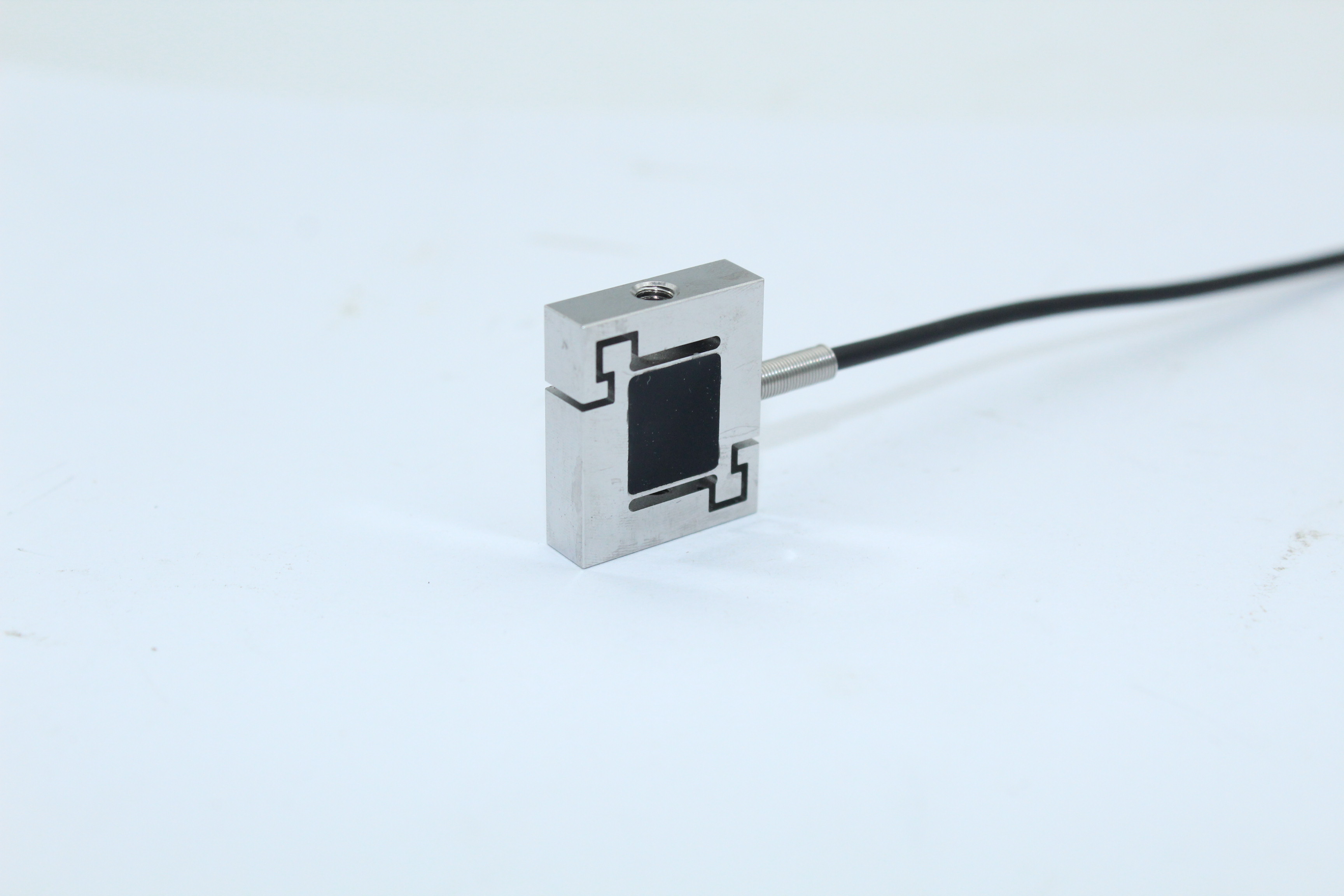
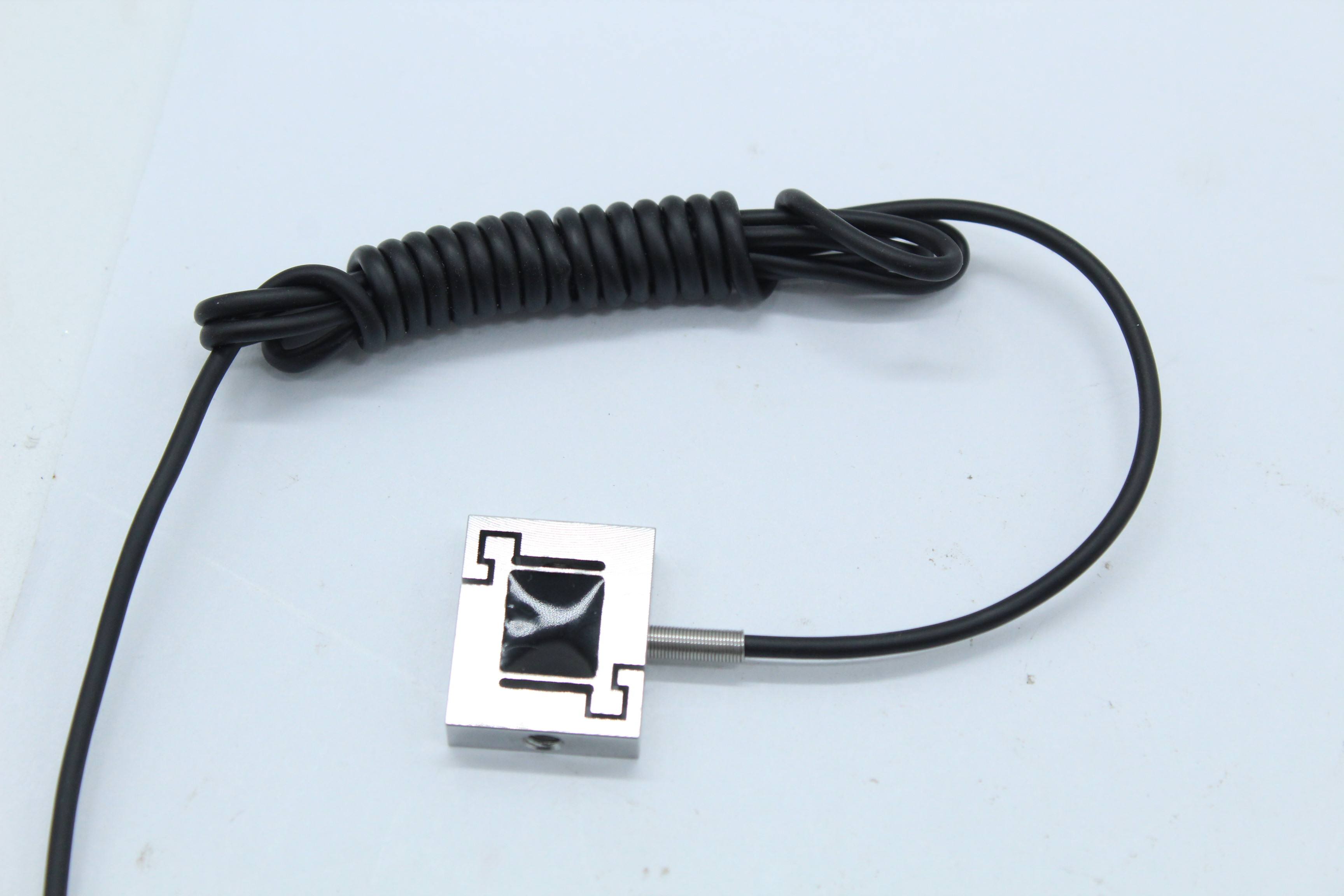
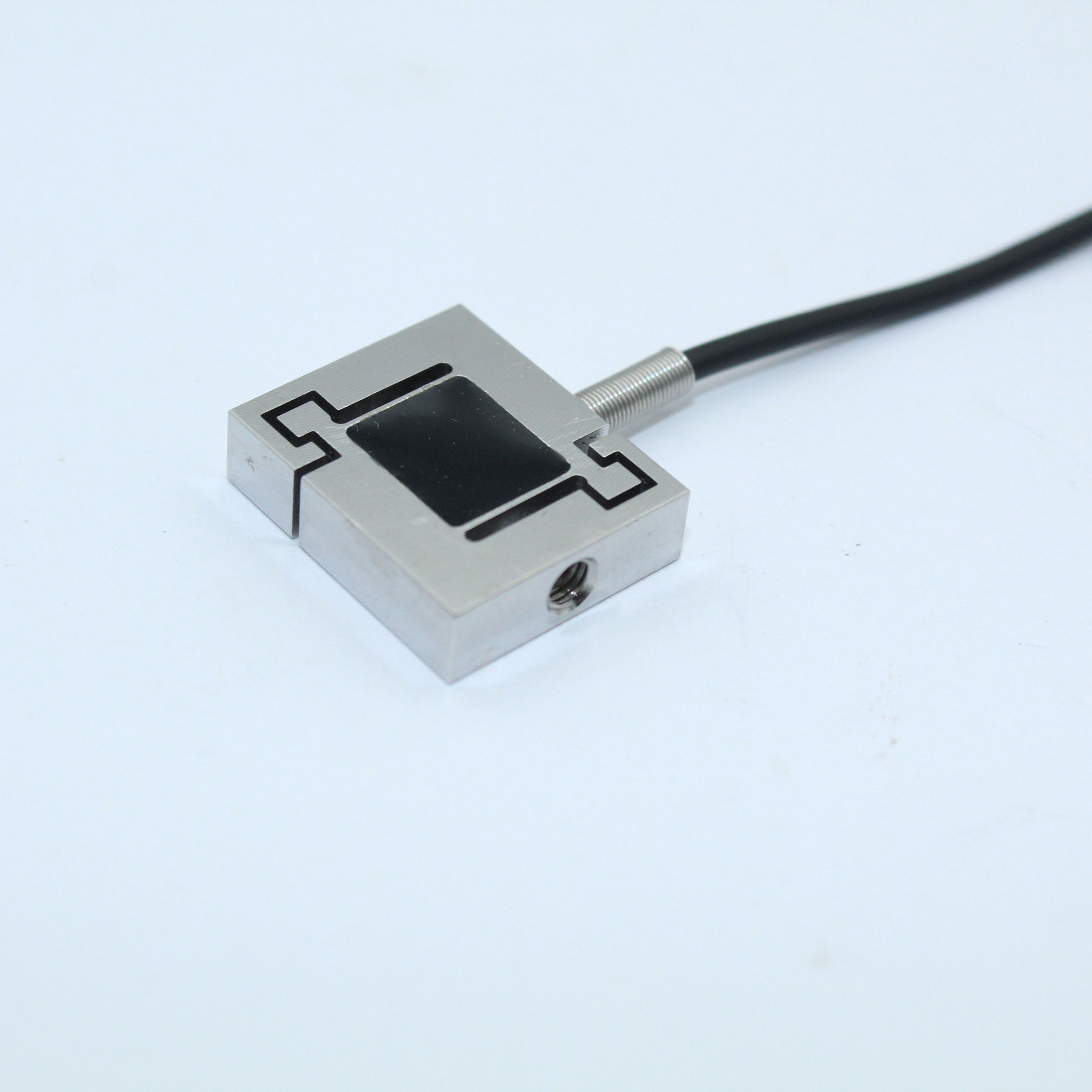
Load cells are essential components in various industries, utilized to measure force or weight with high precision. For B2B buyers, understanding the nuances of sourcing load cells is critical, especially when selecting reliable load cell suppliers. This article will delve into key aspects that buyers need to consider, including load cell specifications, supplier reliability, sourcing locations, common issues, and cost considerations when procuring Load cell in bulk. 

How to Choose Reliable Load Cell Suppliers for Your Projects

How to Choose Reliable Load Cell Suppliers for Your Projects

Selecting the right load cell supplier is critical for ensuring product quality and reliability. Here are key factors to consider: 

Experience and Reputation: Look for trusted load cell suppliers with a proven track record in the load cell Transmitter manufacturing industry. Research their reputation by checking customer reviews and case studies. 

Certifications: Verify that the suppliers hold relevant certifications such as CE and RoHS. These certifications indicate compliance with safety and environmental standards, which is particularly important in the manufacturing and industrial sectors. 

Customization Capabilities: Each application may have unique requirements. Choose suppliers that offer OEM/ODM solutions, allowing for tailored load cell designs to meet specific needs. 

Quality Control Processes: Evaluate the supplier's quality assurance protocols. Reliable suppliers should have stringent quality control measures in place, including testing and validation processes to ensure product consistency. 

Customer Support: A responsive customer service team can help address any issues that may arise during the procurement process. Ensure that the supplier offers adequate support for installation, maintenance, and troubleshooting. 

By focusing on these aspects, buyers can identify suppliers who are not only reliable but also aligned with their project requirements. 

Where to Find Trusted Load Cell Suppliers for Bulk Orders

Where to Find Trusted Load Cell Suppliers for Bulk Orders

Finding reputable load cell suppliers for bulk orders involves several strategies: 

Industry Trade Shows: Attending trade shows related to manufacturing and automation can provide direct access to multiple suppliers. This allows for face-to-face discussions about specifications, pricing, and capabilities. 

Online Marketplaces: Platforms such as Alibaba or ThomasNet can connect buyers with a wide range of suppliers. Look for those with verified business profiles and positive feedback ratings. 

Industry Associations: Joining industry associations can provide networking opportunities and access to member directories, which often include reputable suppliers. 

Referrals: Seek recommendations from industry peers or colleagues who have experience sourcing load cells. Personal referrals can lead to trustworthy suppliers who have been vetted through direct experience. 

Manufacturer Websites: Companies like JIANGXI JINGCE SENSING TECHNOLOGY CO., LTD. often showcase their product offerings online. Reviewing their catalogs can provide insights into their capabilities and certifications. 

By employing these strategies, buyers can streamline their search for trusted load cell suppliers. 

Common Problems with Load Cells and Effective Solutions

Common Problems with Load Cells and Effective Solutions

Load cells, while highly reliable, can encounter issues that may affect performance. Here are common problems and their solutions: 

Drift in Readings: Load cells can experience drift due to temperature changes or electrical interference. To mitigate this, ensure proper calibration is performed regularly and consider using temperature-compensated load cells. 

Mechanical Stress: Excessive mechanical stress can lead to permanent deformation. Buyers should confirm that the load cell's rated capacity is suitable for the application and consider implementing protective measures like overload stops. 

Signal Noise: Electrical noise can distort the output signal. Using shielded cables and proper grounding techniques can help reduce this interference. 

Environmental Damage: Exposure to moisture or chemicals can damage load cells. Buyers should choose models with appropriate environmental ratings and protective coatings depending on their operating environment. 

Installation Errors: Improper installation can lead to inaccurate readings. Buyers should follow the manufacturer’s installation guidelines closely and conduct thorough testing post-installation to ensure correct setup. 

By addressing these common issues proactively, buyers can maintain the integrity and performance of their load cell systems. 

Cost Considerations When Sourcing Load Cells in Bulk

When sourcing load cells in bulk, several cost factors should be considered: 

Volume Discounts: Many suppliers offer discounts for bulk purchases. Buyers should inquire about pricing tiers based on order quantity to maximize savings. 

Shipping Costs: Depending on the supplier's location and shipping method, costs can vary significantly. Assessing shipping options and associated costs can have a major impact on overall expenditure. 

Customization Fees: Custom load cells may incur additional costs. Buyers should clarify any customization fees with the supplier upfront to avoid unexpected expenses. 

Quality vs. Price: While it may be tempting to choose the lowest-priced option, quality should not be compromised. A cheaper load cell that fails prematurely can lead to higher total costs due to replacements and downtime. 

Maintenance and Support Costs: Consider the long-term costs related to maintenance and technical support. Suppliers that offer comprehensive support and warranties may provide better value over time, despite a higher initial purchase price. 

By taking these cost considerations into account, buyers can make informed decisions that align with their budget and operational needs. 

Understanding Load Cell Specifications for Wholesale Buyers

Load cells come in a variety of specifications that determine their performance and suitability for specific applications. Key specifications include: 

Capacity: This refers to the maximum load a load cell can measure. Buyers should ensure that the capacity meets or exceeds the requirements of their application. 

Material: Load cells can be made from various materials, including aluminum and stainless steel. The choice of material impacts durability, environmental resistance, and cost. Stainless steel, for instance, offers better resistance to corrosion, making it suitable for harsh environments. 

Output Signal: Load cells typically provide output in mV/V, which indicates how much voltage is produced per volt of excitation. Understanding the output signal is crucial for compatibility with other equipment in the measurement system. 

Accuracy and Resolution: Accuracy is the degree to which the measured value corresponds to the true value. Resolution refers to the smallest change in load that can be detected by the  Load cell indicator. Higher accuracy and resolution are vital for applications requiring precise measurements. 

Environmental Ratings: Depending on the application, load cells may need to withstand various environmental factors such as moisture, dust, or extreme temperatures. Ratings like IP67 or IP68 indicate the level of protection against these elements. 

By understanding these specifications, wholesale buyers can ensure they are selecting load cells that meet their operational needs. 

Frequently Asked Questions

What types of load cells do you supply?

We supply high-precision load cells, force sensors, and wireless dynamometers tailored for lifting, weighing, automation, and new energy applications.
Yes. Our products carry CE and RoHS certifications to meet international safety and environmental standards.
Yes. We offer OEM and ODM services, including custom calibration, mounting options, communication interfaces, and branding for specific applications.
We serve lifting, weighing, automation, and new energy industries worldwide, supporting both industrial and commercial projects.
Contact our sales team with your application details, required capacity, and quantity. We provide technical consultation, calibration info, and customized quotes promptly.

Get a Free Quote

Our representative will contact you soon.
0/1000