S Beam Load Cells: Installation Challenges & Solutions

application/s-beam-load-cell, application/s-beam-load-cell, 
Inquiry
Inquiry

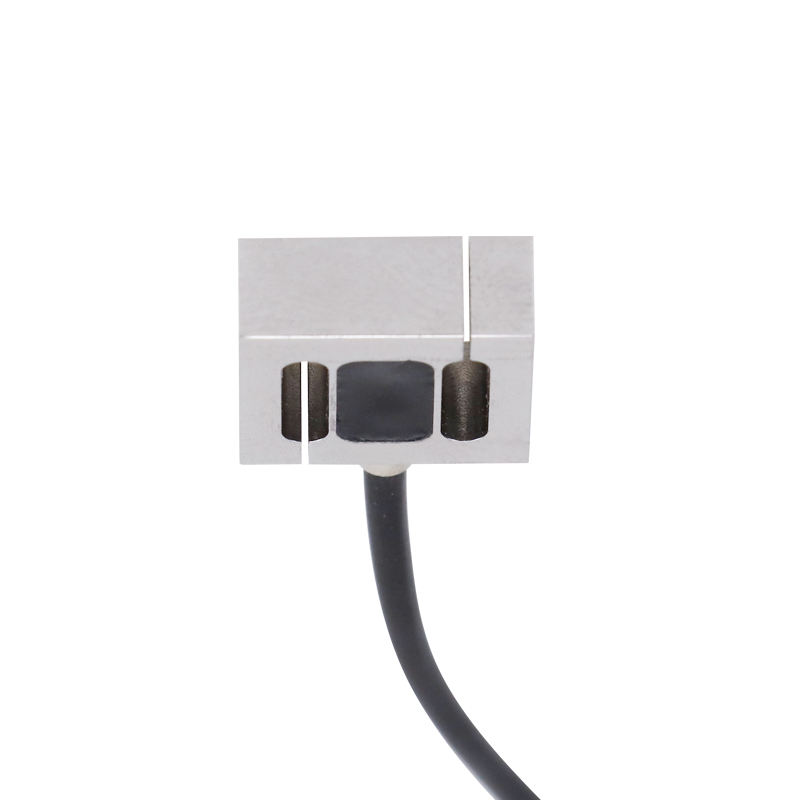
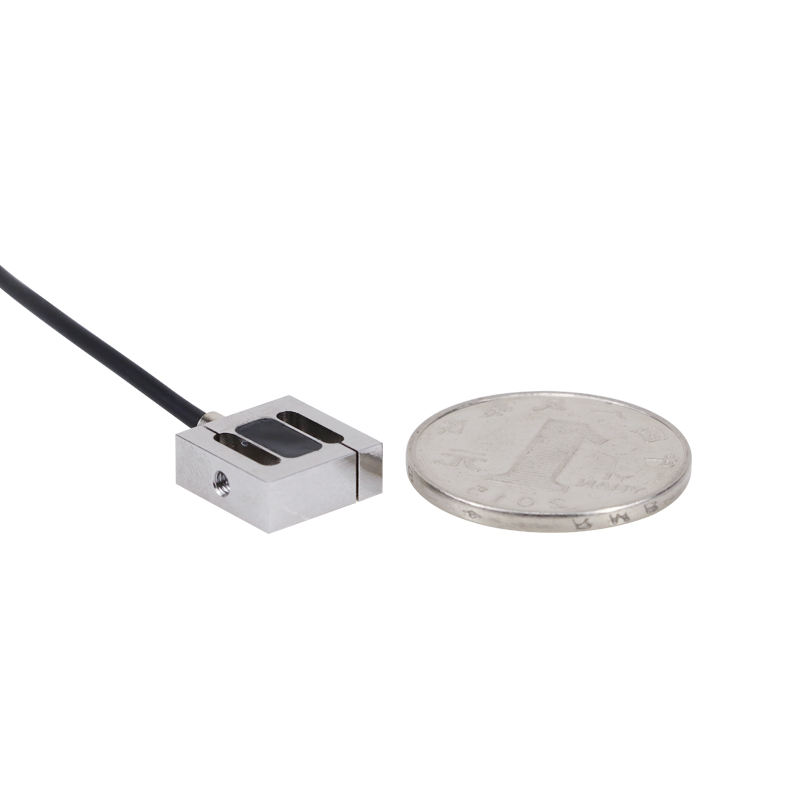
S beam load cell

PST S beam load cells are essential components in various industrial applications, providing reliable and accurate measurements of force and weight. These devices are especially critical for businesses involved in lifting, weighing, and automation, where precision is paramount. As a purchasing manager or engineer, it's crucial to understand not only the specifications and applications of S beam load cells but also the common challenges associated with their installation and use. This article will delve into common installation challenges, their applications, cost factors for bulk purchases, model comparisons, and the benefits of high-quality Load cell.

Top Applications of S Beam Load Cells in Manufacturing Industries

Top Applications of S Beam Load Cells in Manufacturing Industries

S beam load cells are employed in a wide variety of manufacturing applications due to their versatility and precision. They are commonly used in: 

Material Testing: In the materials engineering sector, S beam load cells measure the force required to break or deform a material, providing critical data for quality control and research. 

Weighing Systems: These load cells are often integrated into weighbridges and industrial scales for accurate weight measurements of heavy goods and materials. 

Automated Production Lines: In automation systems, S beam load cells can monitor forces in assembly processes, ensuring that components are fastened correctly without overloading. 

Lifting Equipment: They are also used in cranes and hoists to monitor the load being lifted, enhancing safety by preventing overload situations. 

Understanding these applications helps buyers assess where S beam load cells can best be utilized in their operations, improving efficiency and safety.

Cost Factors to Consider When Purchasing S Beam Load Cells in Bulk

Cost Factors to Consider When Purchasing S Beam Load Cells in Bulk

When considering bulk purchases of S beam load cells, various cost factors should be taken into account. The first is the material used in the load cells. High-quality materials, such as stainless steel or aluminum, can significantly affect the price but are essential for durability and accuracy, especially in harsh environments. 

Another factor is certification and quality assurance. Load cells that meet industry standards like CE or RoHS typically come at a premium, but they offer assurance of reliability and performance. Buyers should weigh the long-term benefits of investing in certified products against initial costs. 

Customization options can also influence pricing. If specific dimensions or features are required for unique applications, this may lead to increased costs. It's advisable for buyers to discuss their specific needs with manufacturers to get accurate quotes while considering potential economies of scale for larger orders. 

Lastly, shipping and handling costs should not be overlooked. Bulk orders may require special packaging and shipping methods, especially for sensitive electronic components like load cells.

Comparing Different S Beam Load Cell Models for Optimal Performance

Comparing Different S Beam Load Cell Models for Optimal Performance

Selecting the right S beam load cell model is crucial for achieving optimal performance. Buyers should consider several specifications when comparing models: 

Capacity: Load cells come in various capacities, and selecting one that matches the maximum expected load is vital. Under-specifying capacity can lead to failure, while over-specifying can increase costs unnecessarily. 

Accuracy: Different models offer varying levels of accuracy, often indicated by the percentage of full scale. Buyers should evaluate the required precision for their applications to ensure accurate measurements. 

Temperature Range: Many load cells have specified operating temperature ranges. Buyers need to select models that can withstand the environmental conditions of their application. 

Material and Construction: The choice of materials affects durability and suitability for specific environments. Models that are corrosion-resistant or have a protective coating may be necessary for harsh conditions. 

By carefully comparing these specifications, buyers can select the most suitable model for their needs, ensuring longevity and reliability.

Benefits of Using High-Quality S Beam Load Cells in Industrial Settings

Investing in high-quality S beam load cells offers numerous benefits for industrial applications. One significant advantage is increased accuracy. High-quality PST load cells are designed with precision in mind, resulting in more reliable measurements that can enhance operational efficiency.  

Another benefit is improved durability. Quality Linear sensor are constructed from robust materials that can withstand harsh environments, reducing the frequency of replacements and maintenance costs. This longevity can lead to substantial cost savings over time. 

Moreover, high-quality load cells often come with better support and warranty options. Reputable manufacturers provide comprehensive customer service, including installation guidance and troubleshooting assistance, which can be invaluable for ensuring optimal performance. 

Lastly, using high-quality components can enhance the overall safety of operations. Accurate load measurements help prevent overload situations, reducing the risk of accidents and equipment damage, which is especially critical in lifting and material handling applications. 

By understanding these advantages, buyers can make informed decisions that enhance their operational reliability and efficiency.

Common Installation Challenges with S Beam Load Cells and Solutions

Installing PST S beam load cells can present several challenges that may affect their performance and accuracy. One common issue is ensuring proper alignment. Misalignment can lead to inaccurate readings, so it’s vital to install the load cell in a way that maintains its intended orientation. To mitigate this, buyers should verify that the load cell is positioned correctly during installation, using alignment tools as necessary. 

Another challenge is accommodating environmental conditions such as temperature fluctuations and moisture exposure. S beam load cells should be installed in environments where temperature and humidity levels are controlled to prevent performance degradation. Using protective enclosures or selecting Load cell indicator with appropriate environmental ratings can help mitigate these risks. 

Lastly, improper wiring can lead to signal interference and in accurate measurements. Buyers should ensure that the wiring is correctly installed, using shielding techniques if necessary to protect against electromagnetic interference. Investing in quality cables and connectors can significantly reduce these installation issues.

Frequently Asked Questions

What is an S beam load cell used for?

An S beam load cell measures tension and compression forces. It's ideal for weighing, material testing, lifting checks, and automation where compact, accurate force sensing is required.
Our S beam load cells offer high-precision performance and come with CE and RoHS certifications to meet industry safety and environmental standards.
Capacities typically range from low loads to several tonnes. We offer customized ranges to fit lifting, weighing, and new energy applications—contact us for specific capacities.
Yes. We offer OEM/ODM solutions including custom mounting, output signals, capacities, and calibration to integrate into your weighing or automation system.
Common options include mV/V, amplified analog (0-10V, 4-20mA), and digital outputs. Wireless or dynamometer integration can be provided per application requirements.

Get a Free Quote

Our representative will contact you soon.
0/1000