S Type Load Cell Manufacturers: Choosing the Right Fit

application/s-type-load-cell-manufacturers, application/s-type-load-cell-manufacturers, 
Inquiry
Inquiry

s type load cell manufacturers

High-precision  load  cells  are essential components in  various industries, measuring weight  and force with exceptional accuracy. For B2B buyers, understanding  the  nuances  of selecting a suitable load cell  is crucial, as factors like  application  requirements,  material specifications,  and manufacturer reliability play  significant roles  in the purchasing decision. This  article explores key considerations when evaluating load cell manufacturers, helping  you make  an informed choice for your specific  needs.

 
Cost Factors to Consider When Purchasing Load Cells Wholesale

Cost Factors to Consider When Purchasing Load Cells Wholesale

Cost  considerations are paramount when purchasing load cells wholesale. The total price of a load cell is influenced  by several  factors, including  the type, capacity, and material used. For instance, strain gauge load cells may have a higher initial investment compared  to more basic models, but their accuracy and reliability often justify the cost, especially  in applications requiring precise measurements. Additionally, cost-effective load cell amplifiers can enhance their functionality.

Additional costs may arise from customization, which is often necessary for specialized applications.  Custom features could include specific dimensions, output types, or environmental protection ratings. Be sure to discuss customization options with the manufacturer, as this  can significantly affect both lead times  and pricing structures. 


Other  cost  factors include  shipping and  handling fees, especially for bulk orders. Buyers should also  be aware of  minimum order quantities (MOQs), as some  manufacturers may impose restrictions that could influence overall purchasing  costs. Evaluating these factors will help you budget effectively for your  load cell procurement.

 
Installation Guidance for High-Precision Load Cells and Sensors

Installation Guidance for High-Precision Load Cells and Sensors

Proper  installation is  critical to the  performance of high-precision load cells. Before  installation, it is essential to review the manufacturer's guidelines to understand specific mounting orientations and environmental conditions. For example, load cells  should be installed on a  stable surface to prevent vibrations that could affect measurement accuracy.


When installing strain gauge  load cells,  ensure  that the load is applied evenly to avoid  skewed readings. Using appropriate mounting hardware  is also vital; the load cell must be securely fastened to avoid movement during operation. Additionally, consider environmental factors such as temperature and humidity, as these can  impact  the load  cell's performance.

It's advisable to conduct a calibration check post-installation. Calibration ensures  that the load cell provides accurate readings according to the expected  load range. Some manufacturers offer calibration  services, which can  further ensure reliability in  critical applications.

Common Load Cell Problems and Effective Solutions to Address Them

Common Load Cell Problems and Effective Solutions to Address Them

Load cells, while  robust, can encounter several common issues. One frequent  problem is drift,  where the output signal  changes over time even when  the load remains constant. Drift can often be attributed to temperature fluctuations or mechanical wear. To  mitigate this, regular calibration and maintenance checks are recommended.


Another issue is non-linearity, where the output does not correspond proportionally to the  load. This can often be resolved by recalibrating the  load cell or adjusting the installation setup to ensure it is correctly aligned  according to the manufacturer’s specifications.

Users may  also  experience signal  noise,  which can interfere with the accuracy of  measurements. Implementing proper  shielding and grounding  techniques may help reduce electrical interference. In cases where  problems persist, consulting with the manufacturer for technical support can provide  additional insights and tailored solutions.


What to Look for in Load Cell Manufacturers

Choosing the right load  cell manufacturer is a crucial step in ensuring the quality and  reliability of  your products. Start  by  evaluating  their certifications, such as CE and RoHS, which indicate compliance with  international safety and environmental standards. These certifications not only enhance product credibility but also reflect the manufacturer’s commitment to quality control processes.

Next, consider the  company's track record in  the industry. A manufacturer with extensive experience in producing high-precision load cells will likely have refined processes and a deep understanding of customer requirements. Look  for  manufacturers that offer OEM/ODM solutions, as this indicates their capability to customize products to suit  specific applications.

Additionally, assess their production capabilities. Manufacturers with advanced production equipment  and robust  quality control systems are more likely  to deliver consistent and  high-quality products. Finally, check customer reviews and case studies to understand their reputation in the market, as well as their ability to meet delivery timelines  and customer service expectations.


By focusing on these criteria, you can select a load cell manufacturer that aligns with your operational requirements, ensuring a reliable  and effective  solution for your needs.

Which Best Suits Your Application?

When selecting a load cell, the  first consideration is the application. High-precision load cells are utilized in diverse fields, including lifting, weighing, automation, and new energy sectors.  Each  application  demands specific performance characteristics. For example, a load cell used in a dynamic weighing application  may require a different design than one  used  for static measurements. Additionally, customizable load cell transmitters can be beneficial for specific applications that require tailored solutions.

There are various  types of load cells, including strain gauge, hydraulic, and pneumatic models. Strain gauge load cells, for instance, are widely  favored for their precision and versatility. They convert mechanical force into an electrical signal, making them suitable for both  industrial and laboratory environments. Hydraulic load cells, on the other hand, are often employed in  heavy-duty applications due to their ability  to handle large capacities.

The choice of material  also influences suitability; stainless steel and aluminum are common  materials, each offering distinct advantages. Stainless steel  provides  durability and corrosion resistance, making it ideal for harsh environments, while aluminum is  lighter and  often  used in portable applications. Understanding these distinctions will help you choose the right load cell for your  specific operational needs.

Frequently Asked Questions

What is an S type load cell used for?

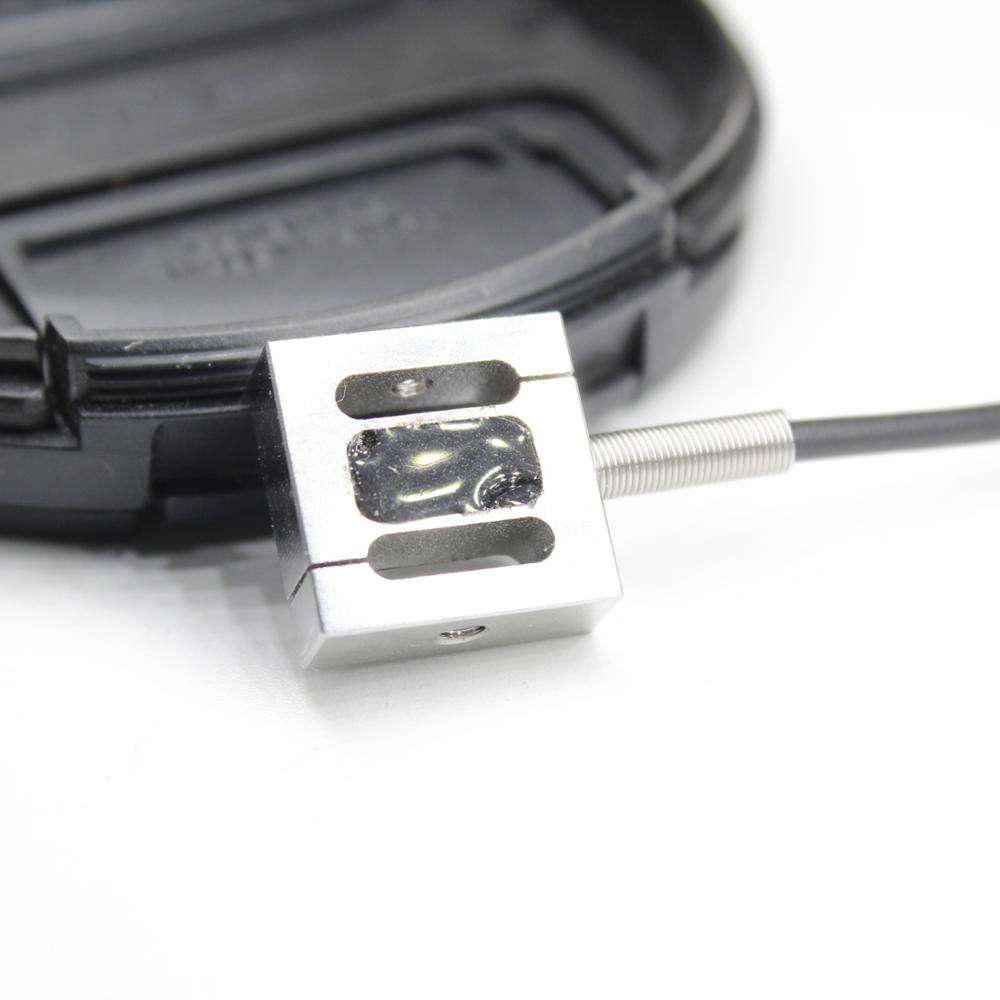
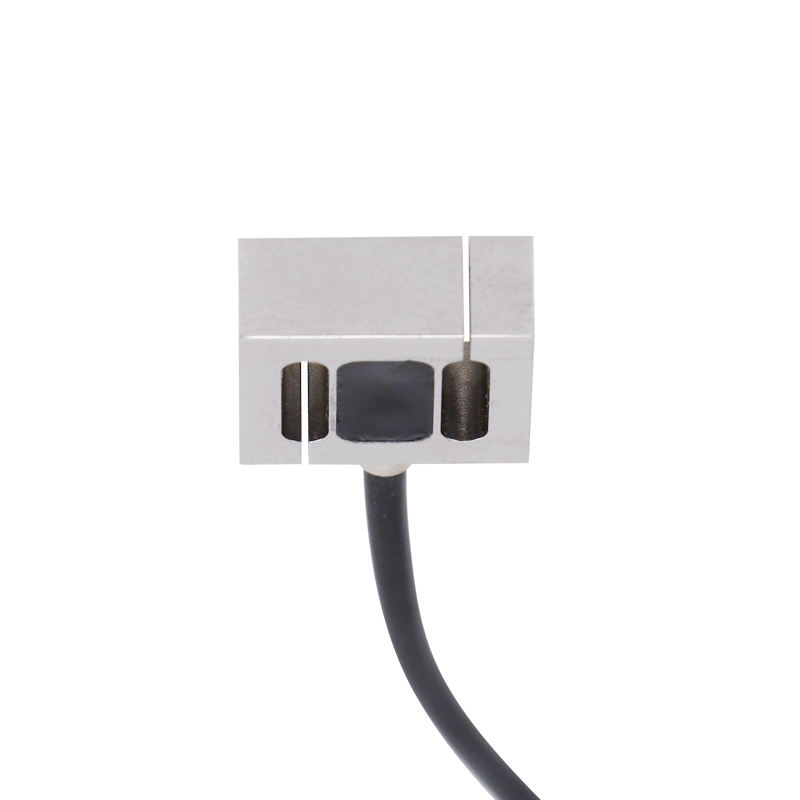
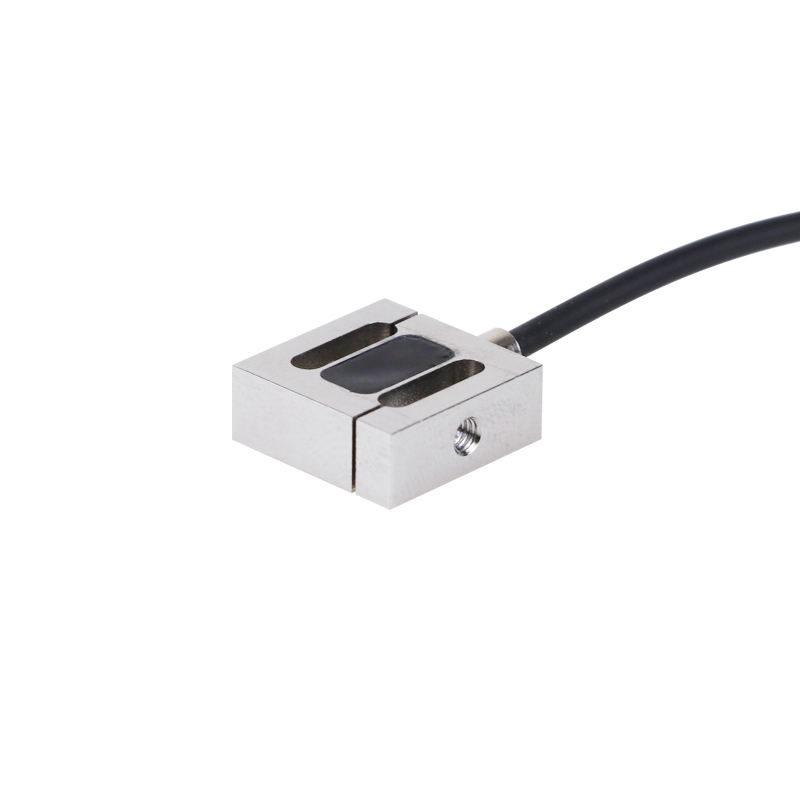
An S type load cell measures tension and compression forces, commonly used in weighing, force testing, lifting equipment, and automation applications requiring high precision.
Our S type load cells provide high precision with CE and RoHS certification. Accuracy and specifications vary by model; custom tolerances available via OEM/ODM.
Yes. We offer OEM/ODM customization for ranges, mounting, connectors, and electronics to suit lifting, weighing, automation, or new energy needs.
We supply load cells with various outputs, including analog, digital, and wireless dynamometer integration, to fit different monitoring and control systems.
We offer technical support, calibration guidance, and warranty terms tailored per order. Contact our sales team for specific warranty length and after-sales services.

Get a Free Quote

Our representative will contact you soon.
0/1000