How to Choose the Right Shaft Torque Sensor

application/shaft-torque-sensor, application/shaft-torque-sensor, 
Inquiry
Inquiry

shaft torque sensor

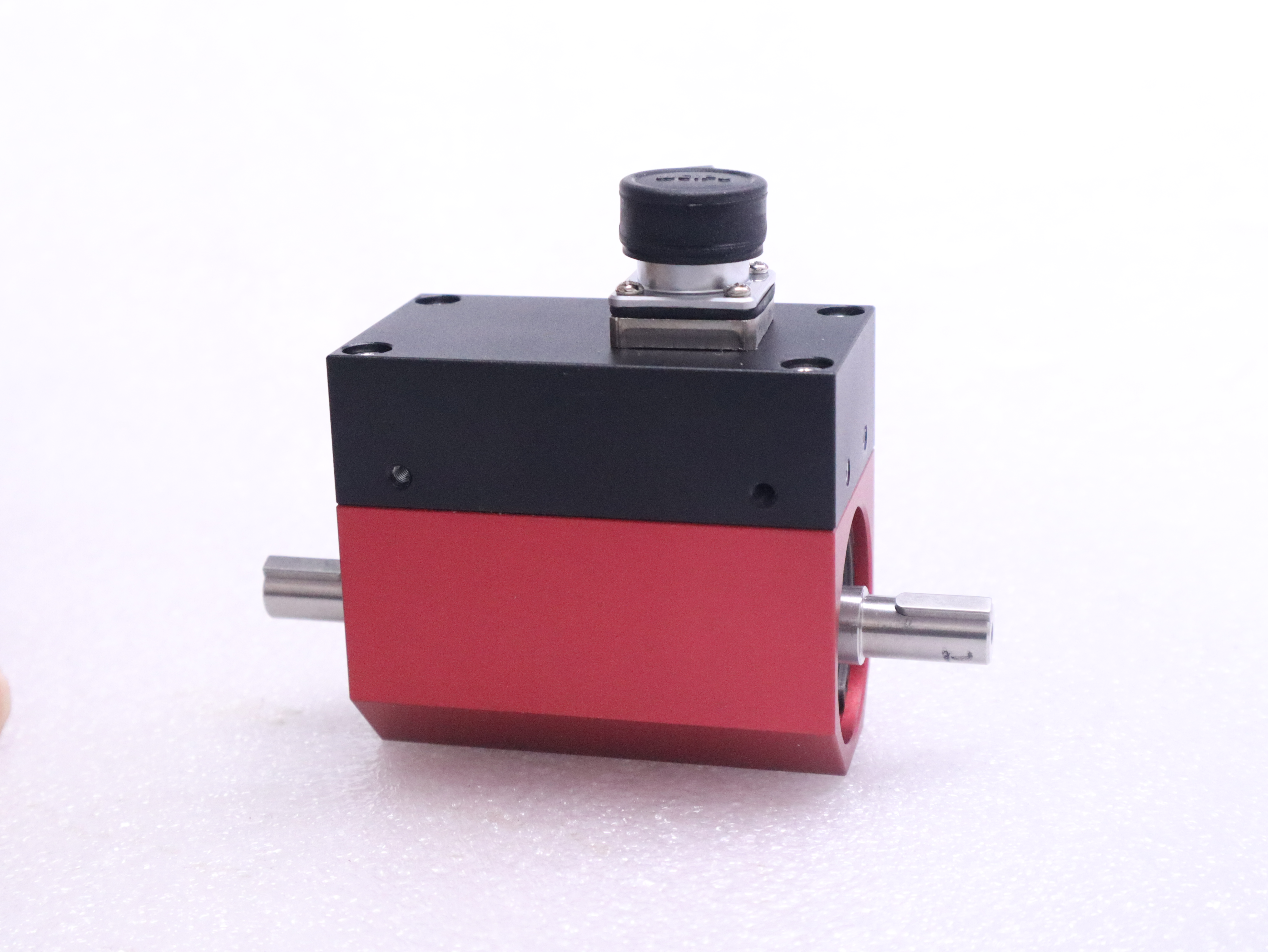
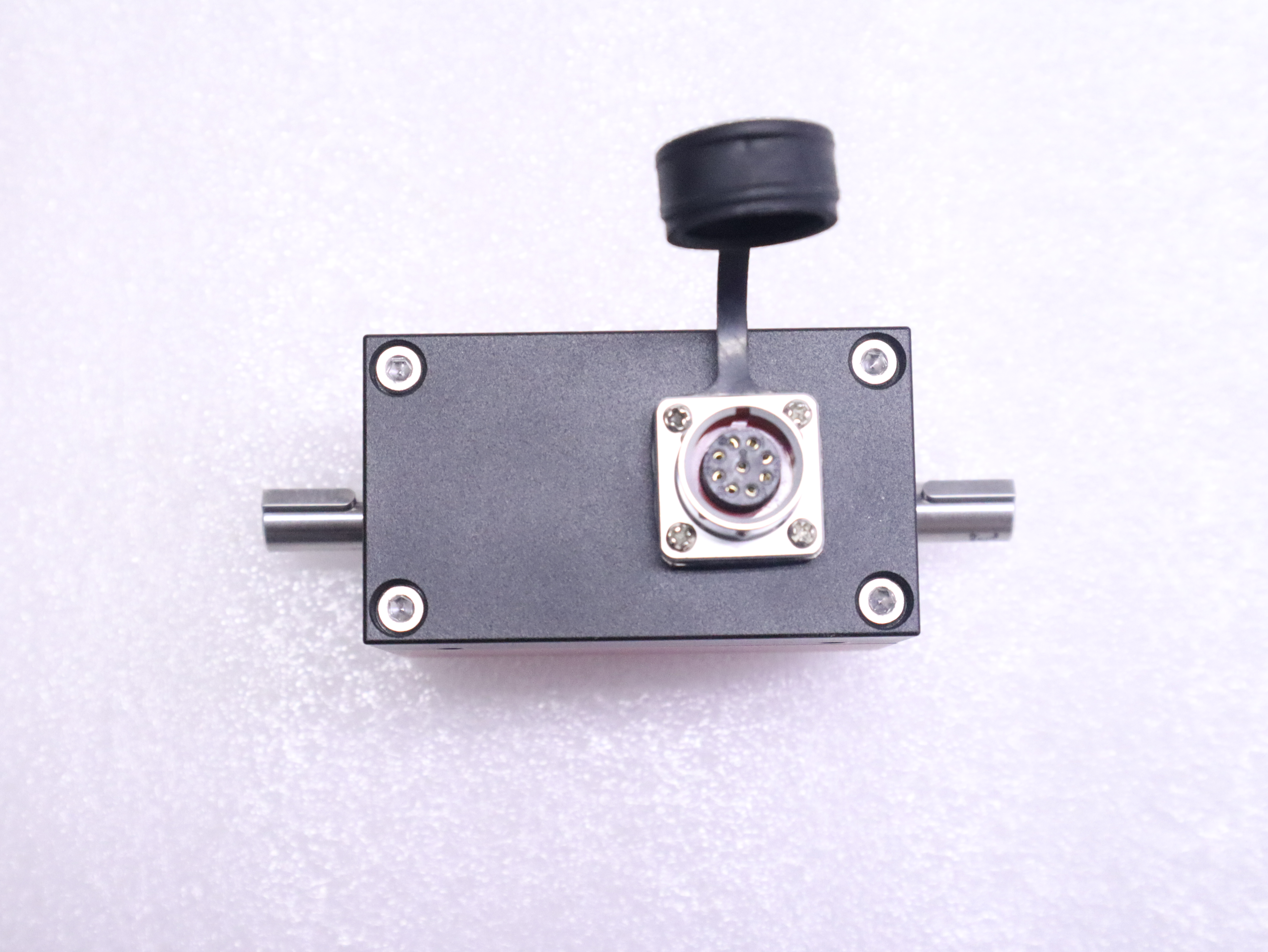
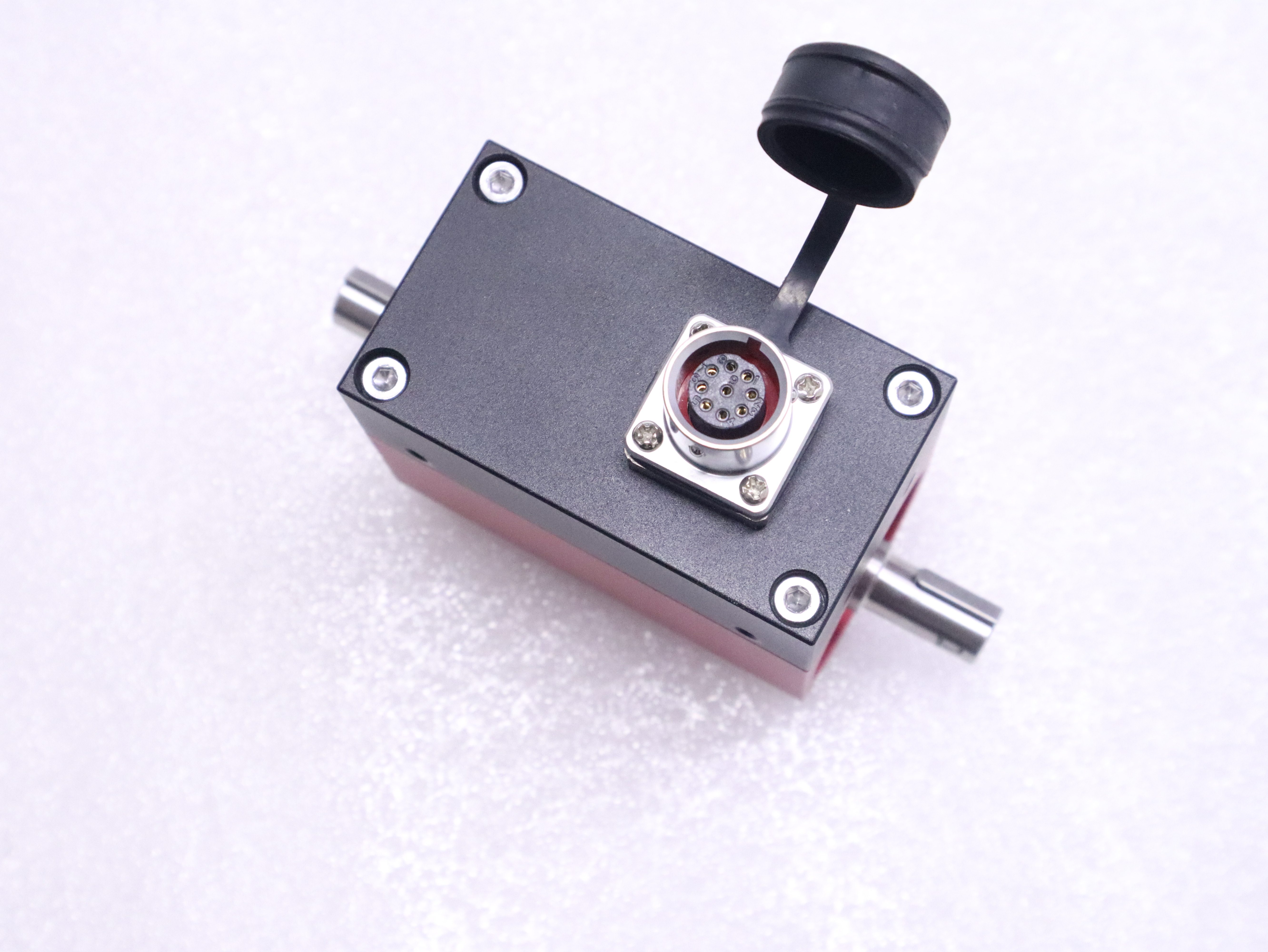
Shaft torque sensors  are essential  devices used to  measure the torque applied to rotating  shafts in various industrial  applications. These sensors help  ensure operational efficiency, safety, and  performance optimization.  For purchasing  managers and engineers,  selecting the right  shaft  torque  sensor can be a complex decision, often hinging on specifications, application needs,  and  supplier reliability. This article will outline key considerations for choosing  and  sourcing shaft  torque sensors, guiding you  through installation  and highlighting essential buyer insights.

Key Specifications to Evaluate When Sourcing Shaft Torque Sensors

Key Specifications to Evaluate When Sourcing Shaft Torque Sensors

When sourcing shaft torque sensors, several key specifications must be  evaluated:

Torque Range: This determines the  minimum and maximum torque the sensor can accurately measure. Selecting a sensor with an inadequate range can lead to inaccurate readings or sensor damage.

Accuracy and Resolution: Accuracy defines how close  the measured value is to the actual  value, while resolution refers to the smallest change  in torque that can be detected. Both specifications are crucial for applications  requiring high precision.

Material and Construction: The choice of materials affects durability and performance, especially in harsh environments. Materials like stainless steel or aluminum are commonly used due to their strength and resistance to corrosion. For instance, Load cell technology can enhance the durability of your sensors.

Output Signal: Understanding  the output signal  type (e.g., analog, digital, or wireless) is essential for integration with your control systems. Ensure compatibility with your existing data acquisition systems.

Calibration  and Certification: Look for  sensors that  are factory calibrated and certified (e.g., CE or RoHS) to ensure compliance with industry  standards  and reliable performance.

Environmental Ratings: If your application is exposed to  extreme conditions, check for IP ratings that  indicate resistance  to dust and water, as well as  temperature ratings.

By focusing on these specifications, you can make an  informed decision that aligns with your project requirements.

Where to Find Reliable Suppliers for Shaft Torque Sensors Wholesale

Where to Find Reliable Suppliers for Shaft Torque Sensors Wholesale

Finding  reliable suppliers for shaft torque sensors  involves researching manufacturers with a strong reputation in the industry. Start by exploring online directories and  trade platforms that specialize in  industrial  equipment.  Look for  suppliers that provide detailed  product specifications  and have a robust  customer service system.

Certifications such as CE and RoHS are essential indicators of quality and compliance. Evaluate suppliers based on their manufacturing capabilities, including their  ability to provide OEM or ODM solutions tailored to your needs.

Additionally, consider suppliers that offer  support services, such as installation guidance and after-sales support. Engaging  with  industry forums  or trade shows  can also provide insights into reputable suppliers.  Establishing a relationship with a trustworthy supplier can  lead  to better service, quality assurance, and potential customization  options for your specific applications.

Installation Guidance for Shaft Torque Sensors in Industrial Applications

Installation Guidance for Shaft Torque Sensors in Industrial Applications

Proper installation of shaft torque sensors is critical to ensure accurate measurements and  operational efficiency. Start by carefully reading the manufacturer’s  installation manual, as each sensor may have specific requirements. Here are some general guidelines to follow:

Alignment: Ensure the sensor is aligned correctly  with the shaft. Misalignment can lead to inaccurate readings and premature sensor failure. Use alignment tools to check that the sensor is positioned correctly.

Mounting: Securely mount the sensor according to the manufacturer's specifications, using appropriate fasteners and  ensuring there is no  excessive  vibration during operation. The mounting interface should be stable  to prevent any mechanical stress on the sensor.

Wiring: Connect the  sensor to the data acquisition system,  ensuring  that all connections are tight and secure. Follow the wiring diagram provided  by the manufacturer to avoid any electrical issues.

Testing: After installation, conduct a functional test. Apply a known torque to the shaft and verify that the sensor  output corresponds  correctly. This step is crucial for confirming that the installation was successful and the sensor is working as intended.

Calibration: If necessary,  calibrate the sensor  according to the manufacturer’s guidelines. This may involve adjusting the output signal to ensure accurate  readings.

By following these installation guidelines,  you  can maximize the performance and longevity of your shaft torque sensors.

What Buyers Should Know

As a buyer of shaft torque sensors, there are several key considerations to keep in mind:

Lead Time and MOQ: Understand the lead times for production and delivery, especially  if you require large quantities. Minimum order quantities (MOQ) may vary by supplier, influencing your purchasing strategy.

Customization Options: Many  manufacturers offer customization, allowing you to specify dimensions, output types, and other features. Clearly communicate your requirements to ensure the final product  meets your needs.

Quality Control Processes: Inquire about the  supplier's  quality control processes, including how they test and verify the  performance of their sensors. Reliable  suppliers should have documented procedures for quality assurance.

Sample Testing: Before committing to a large order, request samples for testing. This allows you to evaluate the sensor's  performance  in  your  specific  application and ensures compatibility with your systems.

Cost Factors: Consider all cost factors, including  unit price, shipping,  and potential tariffs if importing. A lower  unit  price may not always equate to lower total costs  when considering these factors.

By being informed  about these aspects, you can streamline your purchasing  process and ensure that you acquire the right shaft torque sensors for your industrial needs.

How to Choose the Right Shaft Torque Sensor for Your Projects

Choosing the  right shaft torque sensor begins with understanding your specific application requirements. Consider the  torque range, as different sensors are designed  to measure varying levels of torque. For example, a sensor  with a low torque range may suffice for smaller machinery, while high-torque applications, such as in heavy-duty industrial equipment, require  sensors that can  handle greater  loads.

Another critical factor is sensor type. Common types include strain  gauge-based sensors,  which offer high precision, and rotary torque sensors, which are  ideal for dynamic applications. Assessing the  installation environment  is also vital; sensors may need to withstand factors such as temperature fluctuations, chemical exposure, or physical vibrations. Understanding the different types like Incremental encoder can also be beneficial in selecting the right sensor.

Finally, consider compatibility with existing  systems. Ensure that the output format  of the sensor  aligns with  your data  acquisition system, whether it is analog or digital. By carefully evaluating these factors, you can select  a shaft torque sensor that meets both performance and  operational needs.

Frequently Asked Questions

What is a shaft torque sensor used for?

A shaft torque sensor measures rotational torque on shafts for monitoring, control, and testing in lifting, automation, and energy systems with high precision.
We offer high-precision sensors with multiple torque ranges and calibrated accuracy levels to suit various industrial applications; specific specs provided on request.
Our sensors support common electrical outputs and mechanical interfaces; OEM/ODM customization ensures compatibility with your drive, controller, or test rig.
Products meet CE and RoHS standards and undergo rigorous testing to ensure reliability for industrial lifting, weighing, and automation uses.
Yes. We provide OEM/ODM customization, technical support, and guidance for installation, integration, and calibration to meet your project requirements.

Get a Free Quote

Our representative will contact you soon.
0/1000