Key Factors for Selecting Tension Load Cells

application/tension-load-cell, application/tension-load-cell, 
Inquiry
Inquiry

tension load cell

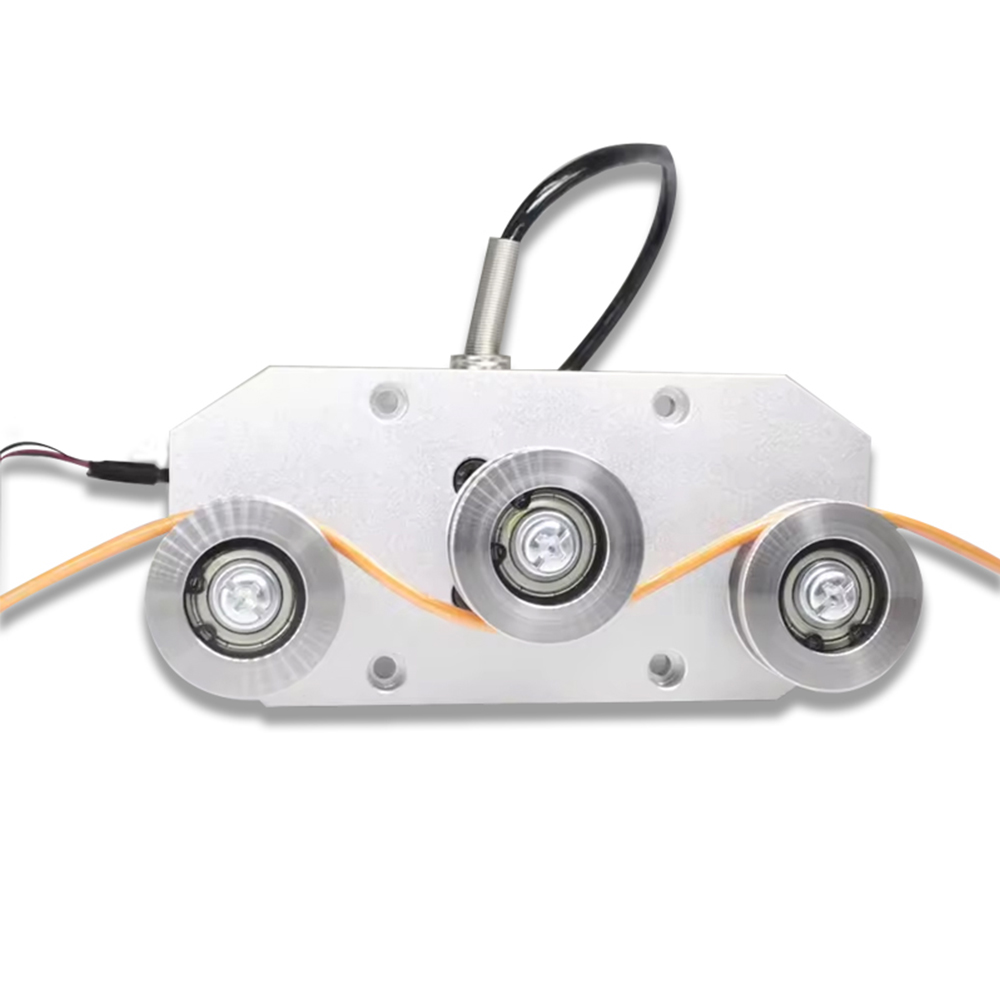
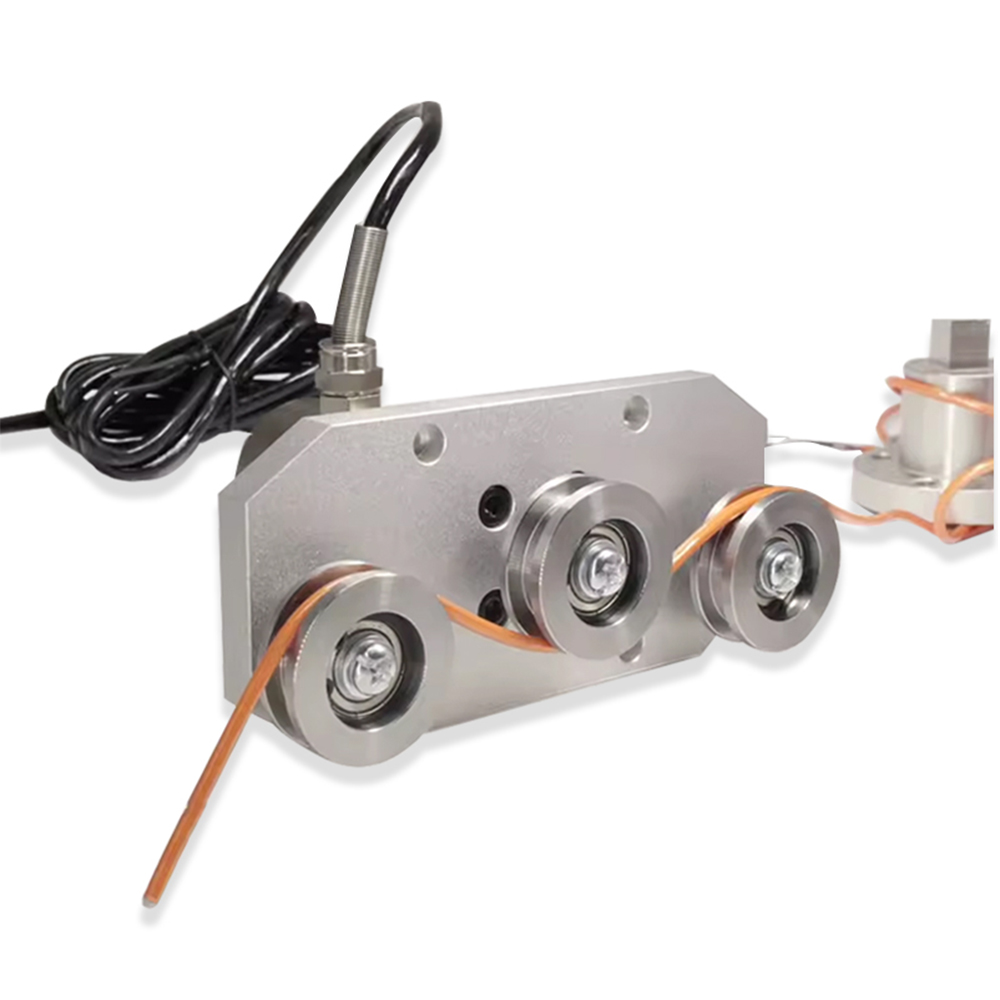
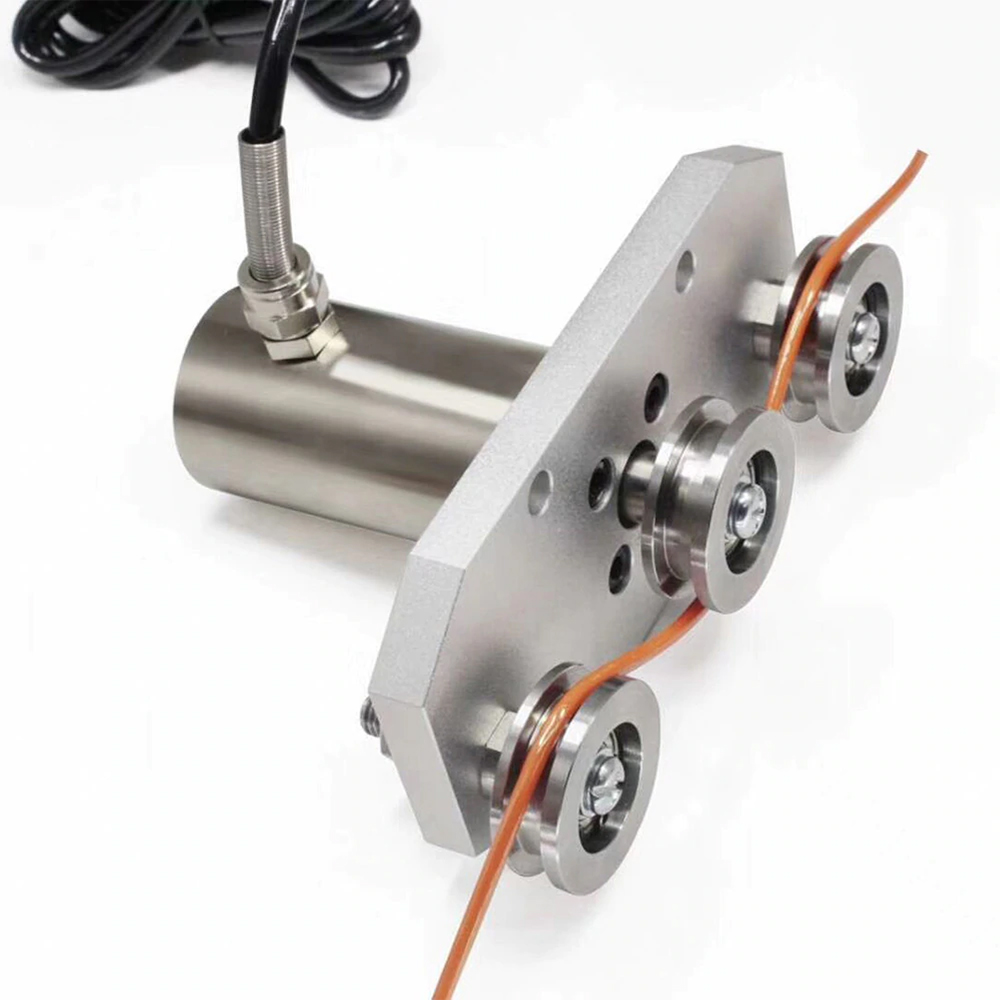
Tension load  cells are  critical components  used in various industries  to  measure force or weight  in applications  such  as lifting, weighing, and automation. For  purchasing managers and engineers, selecting the right  tension  load  cell  can be a complex decision, influenced by specifications,  performance, and application requirements.  This article  will help guide you through the essential  considerations when evaluating tension  load  cells, ensuring that you make an informed choice that aligns with your  operational needs.

How Tension Load Cells Enhance Accuracy in Weighing Applications

How Tension Load Cells Enhance Accuracy in Weighing Applications

Tension load cells significantly enhance accuracy in weighing applications by converting mechanical force into an electrical signal. This conversion  process is highly sensitive to changes  in  load, allowing for precise measurements.

The technology behind tension load cells  often involves strain  gauges that detect  minute changes in resistance caused  by applied forces. This results  in accurate readings  which can be  crucial for industries where precision is paramount, such as pharmaceuticals and food processing. 

Additionally, using certified tension load cells  ensures compliance with industry standards, offering  validation that the product meets  specific accuracy requirements. For example, a load  cell used in a food processing  application  must  comply with hygiene and safety standards to guarantee the  safety and quality of the product being weighed. Utilizing high-quality Tension load cell solutions can greatly enhance this compliance.

By  implementing high-precision tension load cells, companies can improve their operational efficiency, reduce errors, and enhance product quality.

Common Problems with Tension Load Cells and Their Solutions

Common Problems with Tension Load Cells and Their Solutions

Despite their reliability, tension load cells can experience various issues that  may affect performance. Here are some common problems along with  practical solutions:

Drift in Readings: Over time, load cells may exhibit drift  in their output, leading to inaccurate readings. Regular calibration and maintenance can prevent this issue. It's advisable to establish a routine calibration schedule based on  your usage frequency.

Environmental Interference: Factors such as temperature fluctuations or electromagnetic interference can impact load cell accuracy. Selecting load cells with  built-in temperature compensation or shielding  can mitigate these  effects.

Mechanical Stress: Improper installation or excessive loading can lead to  mechanical  stress, potentially damaging the load cell. Ensure that installation guidelines are meticulously  followed,  and always use  load cells within their specified limits.

Electrical Noise: Electrical interference from nearby equipment can distort  load cell signals. Using  shielded cables and proper grounding techniques can help minimize this issue.

Fatigue Failure: Continuous cycling below the maximum load  can lead  to fatigue failure over  time. Selecting load cells with appropriate durability ratings and  conducting regular inspections can help  identify potential failures before they occur.

By addressing  these common problems proactively, you can maintain the accuracy and longevity of your tension load cells.

Advantages of Using Certified Tension Load Cells in Projects

Advantages of Using Certified Tension Load Cells in Projects

Utilizing certified  tension load cells offers several advantages  that enhance  the reliability and credibility of your projects:

Quality Assurance: Certified load cells have undergone rigorous testing to meet  specific industry standards, assuring buyers of their  quality and  performance. This reduces the risk of operational failures and enhances  system reliability.

Regulatory Compliance: Many industries require compliance with safety and quality standards. Using certified tension load  cells ensures that your  operations meet regulatory requirements, which can be crucial for industries such as pharmaceuticals, food production, and construction.

Enhanced Performance: Certified load cells are designed to deliver  consistent performance over time, minimizing  the likelihood of errors that can arise from lower-quality products.  This leads to more accurate measurements  and improved operational efficiency.

Increased  Trust: Employing certified products builds trust with clients and stakeholders. It demonstrates a  commitment to quality and safety, which can enhance your brand reputation and customer satisfaction.

In summary, using certified  tension load cells  not only enhances the quality of your projects but also aligns  with best practices  and industry standards.

Comparing Different Tension Load Cell Options for Your Business

When  comparing tension load cell options,  several factors should be taken into account to ensure you select the best fit for your business needs:

Specifications: As previously discussed, compare the key specifications  such as capacity, sensitivity, and temperature range to determine which load cells meet your operational requirements.

Customization Options: Some manufacturers, like  JIANGXI JINGCE SENSING TECHNOLOGY CO.,  LTD., offer OEM/ODM solutions that allow for customization based on specific application  needs. If your project requires unique specifications, inquire about customization options.

Price Factors: While it may be tempting  to choose the least  expensive option, consider the total cost of ownership, including installation, maintenance, and potential downtime caused by unreliable load cells. Sometimes, investing  in a higher-quality  product  can save costs in the long run.

Lead Time and Availability: Evaluate the lead times for delivery and  availability of different models. Delays can impact your project timelines, so ensure that the chosen supplier can meet your deadlines.

Supplier Reputation: Look for  suppliers with a proven track  record in manufacturing high-quality load cells. Check reviews and  case  studies to understand their customer service and support offerings.

By  carefully  comparing these factors, you can make an informed decision that aligns with your business objectives and  operational requirements.

Key Specifications to Evaluate When Selecting Tension Load Cells

When selecting a tension load cell,  several key specifications should be considered to ensure optimal performance for your application.

Capacity: This refers  to the maximum load the  load cell  can accurately  measure.  It's crucial  to choose a load cell with a capacity that exceeds your expected maximum load to avoid overstressing the sensor,  which could  lead to inaccurate readings  or damage.

Sensitivity: This measures how much the output signal changes  in response to a given load. Higher sensitivity allows for more precise measurements, which is essential in applications that require  fine accuracy.

Temperature Range: Load cells operate best within specific temperature ranges.  Ensure that the chosen load cell can withstand the environmental conditions it will be exposed to, as extreme temperatures can affect accuracy.

Material: The construction  material of  the load cell impacts its durability and resistance to environmental factors. Common materials include stainless steel for corrosion resistance and aluminum for lightweight applications.

Output Type: Load cells can have analog or digital outputs. Depending on your system requirements, choose the output type  that is compatible with your existing equipment, which may include various types of Load cell technologies.

Understanding these  specifications will help you select the right tension load cell for  your specific application, ensuring reliability and accuracy in  performance.

Frequently Asked Questions

What is a tension load cell used for?

A tension load cell measures tensile force in cables, rods, and lifting applications for accurate weight and force monitoring in lifting, weighing, automation, and new energy systems.
Our tension load cells offer high-precision accuracy and come with CE and RoHS certifications to meet international safety and quality standards.
Yes. We offer OEM and ODM services to tailor capacity, mounting, output, and communication options to your specific application requirements.
Standard outputs include mV/V, analog 4-20mA or 0-10V, and digital interfaces can be customized for wireless or industrial protocols.
Specify maximum expected load, safety factor, mounting type, and environment. Our engineers will recommend the correct capacity, model, and installation guidelines.

Get a Free Quote

Our representative will contact you soon.
0/1000