Understanding Torque Sensor Price Factors

application/torque-sensor-price, application/torque-sensor-price, 
Inquiry
Inquiry

torque sensor price

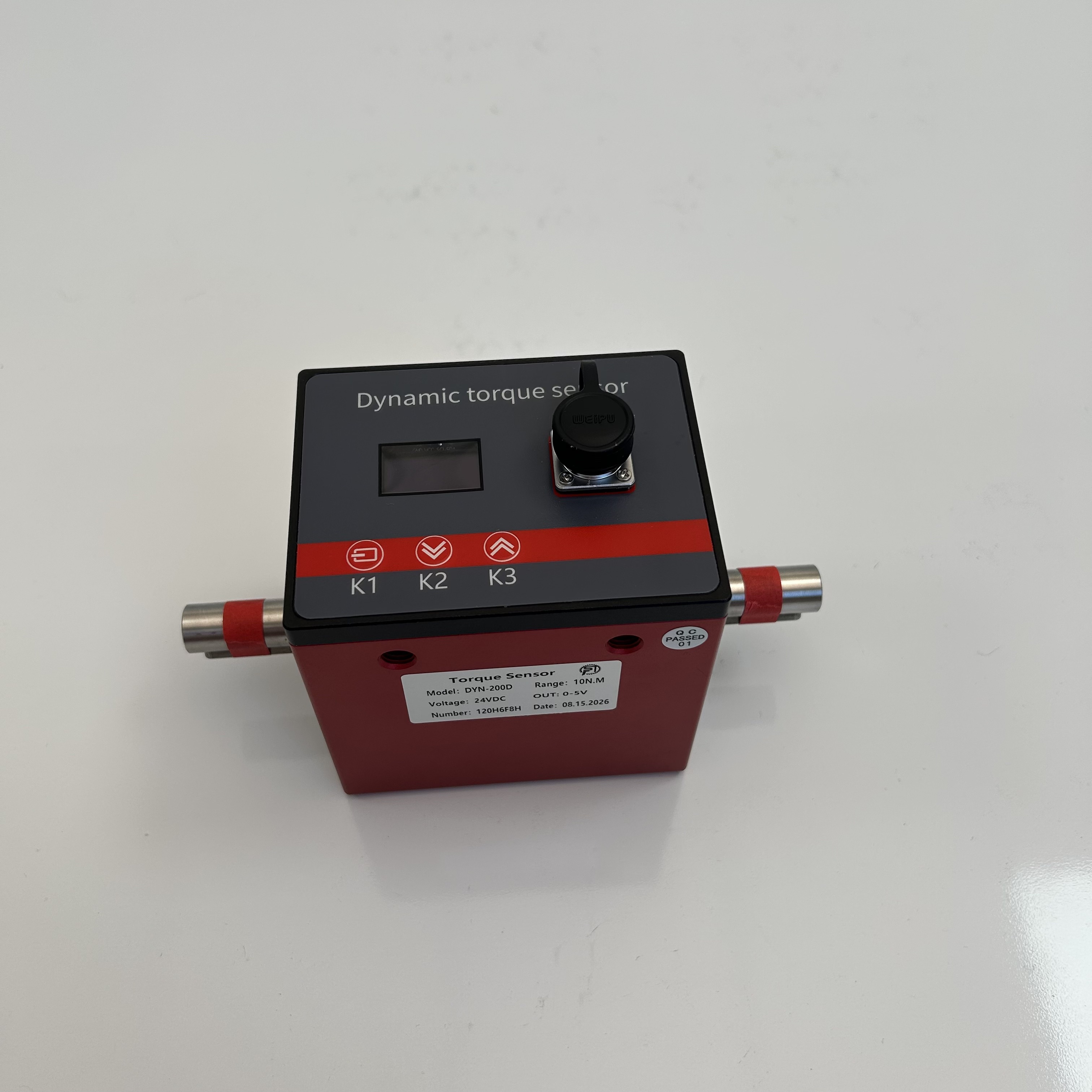
Torque sensors are vital components  in various applications, providing precise measurements of  torque in mechanical systems. As  a  B2B buyer,  understanding the factors influencing torque sensor price is crucial  for making  informed  purchasing  decisions. This article will  delve  into  the key elements that affect  pricing, where to source  high-quality  sensors,  application insights, and  supplier  comparison strategies, helping you navigate  the complex landscape  of torque sensor procurement.

Common Installation Challenges with Torque Sensors and Their Solutions

Common Installation Challenges with Torque Sensors and Their Solutions

Finding reliable sources for high-quality torque sensors involves exploring various channels and evaluating potential suppliers. Here are some  effective strategies:

Direct Manufacturers: Engaging directly with manufacturers  like JIANGXI JINGCE SENSING TECHNOLOGY CO., LTD. can provide access to OEM/ODM solutions. This route often allows for better pricing  and customization options, as you eliminate  intermediary markups.

Industry Trade  Shows: Attending trade  shows and exhibitions related to automation,  weighing, and new  energy technologies can be beneficial. Such events often feature  leading manufacturers and provide opportunities to see products firsthand, discuss specifications, and negotiate pricing.


Online Industrial Marketplaces: Platforms like Alibaba and ThomasNet  allow buyers to connect with  various suppliers. It’s crucial to vet suppliers through reviews and certifications,  such as CE or RoHS, which ensure compliance with industry  standards. Additionally, you can explore options like Cost-effective Load Cell Amplifier for competitive pricing.

Professional  Networks: Leveraging industry connections or professional networks can  lead to  recommendations for trusted suppliers.  Engaging  with industry forums or groups on platforms like LinkedIn can provide insights and supplier contacts based on  peer experiences.

Applications of Torque Sensors in Various Industries and Their Costs

Applications of Torque Sensors in Various Industries and Their Costs

When preparing to purchase torque sensors,  buyers  should consider the following  checklist to ensure they make informed  decisions:

Define  Application  Requirements: Clearly articulate the specific application for the torque  sensor, including  load capacity, environmental  conditions,  and accuracy needs.

Request Detailed Quotations: When contacting suppliers,  provide comprehensive specifications, including required performance metrics, material preferences, and any customization needs. Detailed requests facilitate accurate quotations.

Evaluate Samples: Before committing to mass  production, request  samples to test under actual  operating conditions. This step helps confirm the sensor's  performance aligns with your expectations.

Inspect Quality Control Processes: Understand the manufacturer’s quality control measures.  Inquire about testing procedures and certifications to ensure that the sensors meet industry standards.

Confirm Lead Times: Discuss production lead times and shipping capabilities to ensure the  sensors can be delivered when needed. This is  particularly important  for projects  with tight deadlines.

What to Expect from Different Suppliers

What to Expect from Different Suppliers

Torque sensors find applications across multiple industries, each with varying cost  implications based on the specific requirements:

Automotive Industry: In automotive testing and  assembly, torque sensors  are crucial for ensuring proper assembly  of components. Prices can range significantly based on the precision required, typically between $200 to $1,500  per unit.


Aerospace: Aerospace applications demand high-precision torque sensors due to safety regulations.  Costs  may exceed $2,000, reflecting the stringent quality  standards and materials used.

Manufacturing and  Automation: In industrial automation, torque sensors help monitor  machine performance. Prices can  vary widely based on specifications, generally starting at around $150 for basic models and reaching several thousand for advanced systems.

Renewable Energy: In wind  and  solar applications, torque sensors monitor performance and efficiency. Pricing varies based on environmental durability, with costs typically  ranging  from $300 to $2,000.


Understanding these  applications and associated costs helps buyers align their budgets  with specific operational needs.

How Material Quality Affects the Pricing of Torque Sensors in Bulk

Comparing suppliers effectively is crucial  for securing high-quality torque sensors. Here are key considerations for a thorough  evaluation:

Certifications  and Compliance: Verify that suppliers have relevant certifications, such  as CE/RoHS. These certifications indicate compliance with international safety and  environmental standards, which is particularly important in regulated industries.

Manufacturing Capabilities: Assess the supplier’s manufacturing capabilities, including production capacity, technology used, and quality control processes.  A supplier with advanced manufacturing technology can produce more reliable and precise sensors.

Customer Service and Support: Evaluate the level of customer service  provided. Reliable suppliers should offer technical support,  assist with customization, and provide  clear communication throughout the purchasing  process.

Reputation and Reviews: Research the supplier’s reputation in the industry. Customer reviews, case  studies, and  testimonials can provide insights into the supplier's reliability  and product quality.

Price and Terms: While pricing is important, it  should not be the sole  deciding factor. Consider the overall  value, including product quality, warranty terms,  and after-sales  support.

By focusing on these aspects, buyers can make informed decisions and  establish partnerships with suppliers that meet  their operational needs effectively.

How to Choose Reliable Suppliers for Torque Sensors in Bulk Orders

Several factors contribute to the pricing of torque sensors, making it essential for wholesale buyers to understand these elements to optimize  their purchasing  strategies.

Specifications and  Performance: The technical specifications  of torque sensors, such as measurement range, accuracy, and resolution, significantly impact their price. High-precision sensors with advanced features typically cost more. Buyers should assess their application requirements carefully to choose  sensors that balance performance and cost. For high-precision applications, you might consider the High Performance 100Nm Static Torque Sensor Load Cell.

Material and Construction: The materials used in sensor construction also play a role in  pricing. Sensors  made from high-grade materials like stainless steel or aerospace-grade alloys may offer better durability and performance but come at a higher cost.  Understanding  the operational environment, including temperature ranges  and exposure to chemicals, can  guide material selection.

Manufacturing Capabilities: The  production process and capabilities of the manufacturer  influence pricing. For  instance, manufacturers with advanced equipment and quality control processes  can produce sensors that meet stringent standards, often resulting in higher costs. Buyers should consider the manufacturer’s reputation and quality assurance practices when evaluating prices.

Customization: Many buyers require  customized solutions tailored to specific applications. Customization can include changes in dimensions, performance characteristics, or packaging. Custom solutions typically increase lead times and costs,  so it is important to clarify requirements upfront to avoid unexpected expenses.

Order Volume: The quantity of sensors ordered often affects pricing. Many manufacturers offer bulk discounts, making larger orders more cost-effective. Establishing a long-term relationship with a supplier  can also lead to better pricing structures  and terms.

Frequently Asked Questions

What is the typical price range for a torque sensor?

Prices vary by accuracy, range, and features. Entry-level models start low, while high-precision or custom OEM/ODM units cost more. Contact us with specs for an exact quote and CE/RoHS-certified options.
Yes. We provide OEM/ODM and volume discounts for bulk orders. Pricing depends on customization, certifications, and quantities. Request a quote with your requirements for tailored pricing.
Higher accuracy requires finer calibration and components, raising cost. Our high-precision load cells and force sensors are priced based on required accuracy, range, and environmental specs.
Standard calibration is included for many models; additional certifications or extended calibration reports may incur extra fees. Specify needed documentation when requesting a quote.
Yes. Provide torque range, mounting, accuracy, communication protocol, and quantity. We will propose options, lead times, and CE/RoHS-compliant pricing for OEM/ODM solutions.

Get a Free Quote

Our representative will contact you soon.
0/1000