Choosing the Right Compression Cell for Your Needs

application/compression-cell, application/compression-cell, 
Inquiry
Inquiry

Compression cell

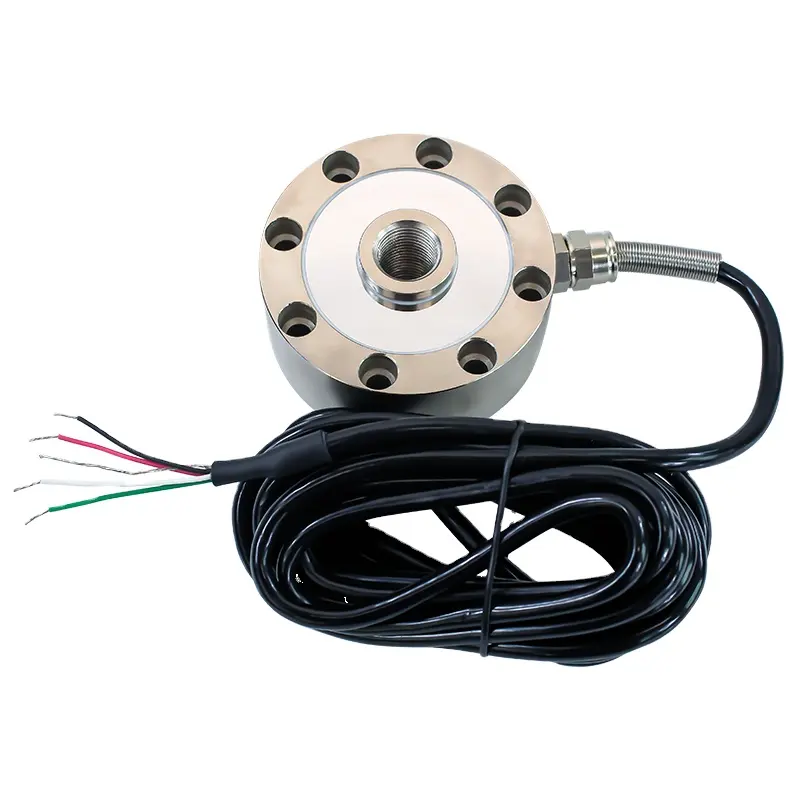
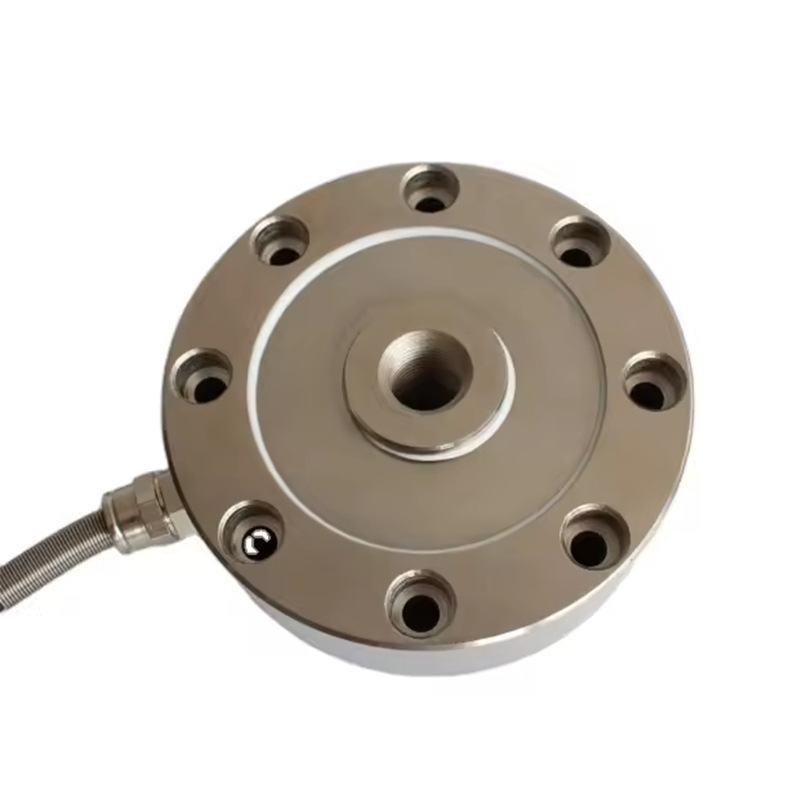
A compression cell is a critical component used in various industries, designed to accurately measure force or weight by converting mechanical stress into an electrical output signal. For buyers in the manufacturing and industrial sectors, selecting the right compression cell is crucial to ensure accuracy and precision in applications such as lifting, weighing, and automation. This article will guide you through the essential factors to consider when selecting a compression cell, the key specifications to evaluate, sourcing options for bulk orders, important buyer insights, and the diverse applications of compression cells.


Key Specifications to Evaluate in Compression Cell Products

Key Specifications to Evaluate in Compression Cell Products

When evaluating compression cell products, certain specifications are critical to ensure they meet your needs: Load Capacity: This specification indicates the maximum load capacity the compression cell can measure. Ensure that this load capacity aligns with your application requirements, considering any potential overload situations. Material: The material of the compression cell affects its durability and resistance to environmental factors. Common materials include aluminum for lightweight applications and stainless steel for increased strength and resistance to corrosion. Accuracy and Precision: Look for specifications that detail the accuracy and precision of the compression cell, often expressed as a percentage of the full-scale output signal. A higher accuracy and precision rating is crucial for applications requiring precise measurements. Output Signal: Compression cells typically provide an analog output signal, such as 0-10V or 4-20mA. Ensure compatibility with your data acquisition systems to facilitate easy integration. Temperature Range: Evaluate the operating temperature range of the compression cell. Extreme temperatures can affect performance, so select a model that can operate effectively within your specific range. Certification: Ensure that the compression cell meets relevant standards and certifications, such as CE or RoHS, indicating compliance with safety and environmental regulations.

Where to Source Reliable Compression Cells for Bulk Orders

Where to Source Reliable Compression Cells for Bulk Orders

When sourcing compression cells for bulk orders, it’s essential to partner with a reputable manufacturer or supplier. Start by researching companies with a proven track record in the industry, such as Jiangxi Jingce Sensing Technology Co., Ltd., which specializes in high-precision load capacity cells and has experience supplying diverse markets globally. Considerations when sourcing include: Production Capacity: Ensure that the supplier can meet your volume requirements on time. Discuss their production capabilities and lead times during initial conversations. Customization Options: Many projects require specific features or designs. Confirm that the supplier can accommodate customization requests to meet your operational needs. Quality Assurance Processes: Inquire about the quality control measures in place. Reliable manufacturers will have stringent testing protocols to ensure that each compression cell meets specified standards before shipment. Post-Sale Support: Evaluate the level of technical support and warranty options provided by the manufacturer, which can be crucial for maintenance and troubleshooting.

What Buyers Should Know

What Buyers Should Know

When purchasing load cell sensor price, buyers should be aware of several key considerations to avoid common pitfalls: Sample Testing: Always request samples for testing under actual operating conditions. This step helps confirm that the compression cell performs as expected in your specific application before committing to a bulk purchase. Documentation: Ensure that you receive detailed documentation, including technical specifications, calibration instructions, and compliance certifications. This information is vital for quality assurance and regulatory compliance. Communication: Maintain open lines of communication with the supplier throughout the purchasing process. Clear dialogue can help clarify specifications, lead times, and any potential issues that may arise. Pricing Factors: Understand that pricing can vary based on materials, specifications, and customization needs. Evaluate the total cost of ownership, including shipping and potential tariffs for international orders, rather than focusing solely on unit price.

Applications of Compression Cells in Various Industries Explained

Tension compression load cell are widely utilized across multiple industries, each with distinct applications: Manufacturing: In manufacturing settings, compression cells are used for quality control and testing of materials, ensuring that products meet specified weight and force parameters. Construction: In construction, they play a vital role in load capacity monitoring for cranes and other lifting equipment, ensuring safety and compliance with industry standards. Healthcare: Compression cells are used in medical scales and devices, providing accurate measurements crucial for patient care and treatment. Automotive: The automotive industry employs compression cells in testing applications, such as measuring the force exerted on components during stress testing. Aerospace: In aerospace, these cells are essential for load capacity testing aircraft components, ensuring safety and reliability in flight operations. By understanding these specific applications, buyers can better appreciate the versatility and critical nature of compression cells in their respective fields. Selecting the right compression cell involves careful consideration of specifications, sourcing from reliable manufacturers, and understanding the application context. With the right approach, you can ensure that your compression cells meet your project needs effectively and efficiently.

How to Choose the Right Compression Cell for Your Project Needs

Selecting the appropriate tension and compression load cell involves understanding your specific project requirements. First, consider the application—whether it is for weighing, force measurement, or load capacity testing. The load capacity is a fundamental specification; it should exceed the maximum load capacity you expect to measure to avoid damage or inaccurate readings. Next, assess the environmental conditions where the compression cell will operate. Factors such as temperature variations, potential exposure to moisture, or corrosive environments can influence the required materials and protective features of the cell. Customization options should also be evaluated. For instance, if standard models do not meet your needs, a manufacturer like Jiangxi Jingce Sensing Technology Co., Ltd. may offer OEM/ODM solutions tailored to specific applications. Finally, verify compatibility with existing systems or machinery to ensure seamless integration and optimal performance.

Frequently Asked Questions

What is a compression cell used for?

A compression cell measures compressive forces and is used in weighing, force monitoring, and load measurement for lifting, automation, and new energy applications.
Our compression cells are high-precision and come with CE and RoHS certifications to meet international quality and safety standards.
Yes. We provide OEM/ODM customization for specifications, mounting, connectors, and calibration to fit your application requirements.
Our cells are designed for industrial environments with options for sealed housings and temperature compensation to handle dust, moisture, and variable temperatures.
We offer factory calibration, calibration certificates, technical documentation, and global support for installation, troubleshooting, and maintenance.

Get a Free Quote

Our representative will contact you soon.
0/1000