Understanding Material Advantages of Digital Compression Load Cells in Manufacturing
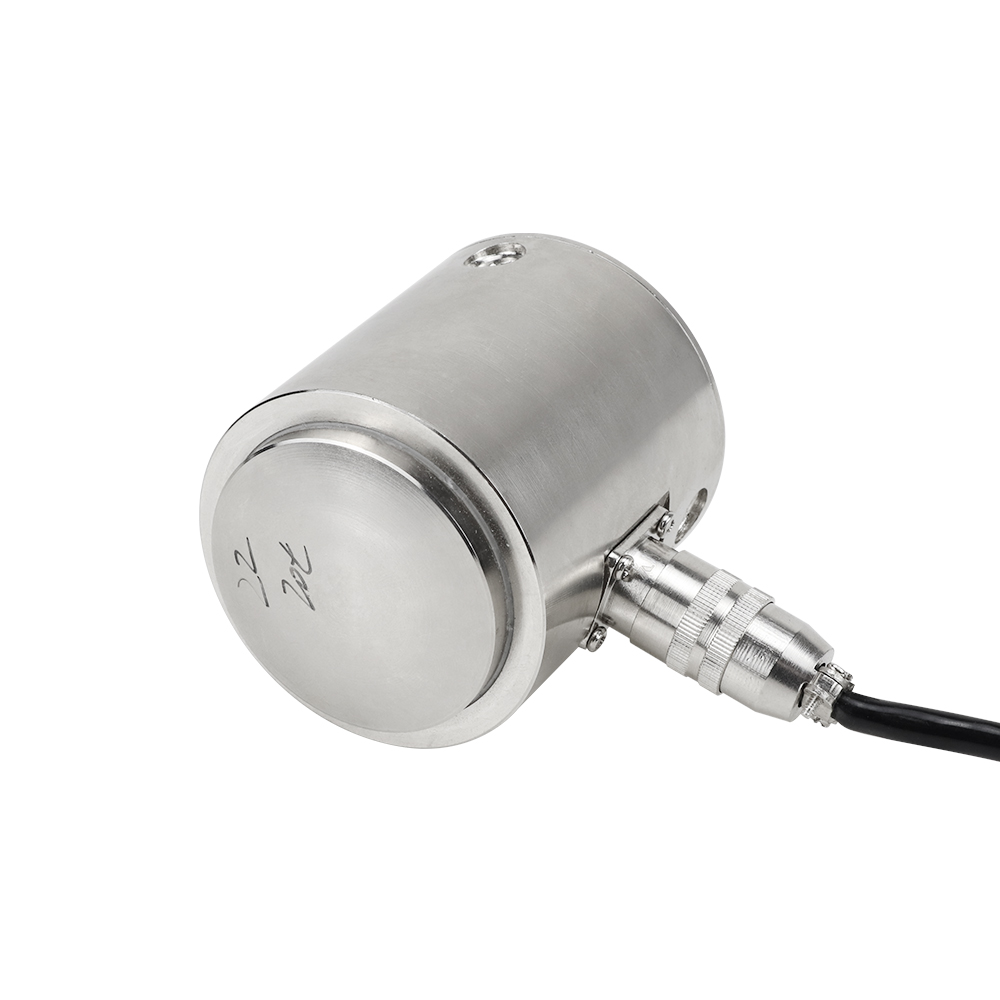
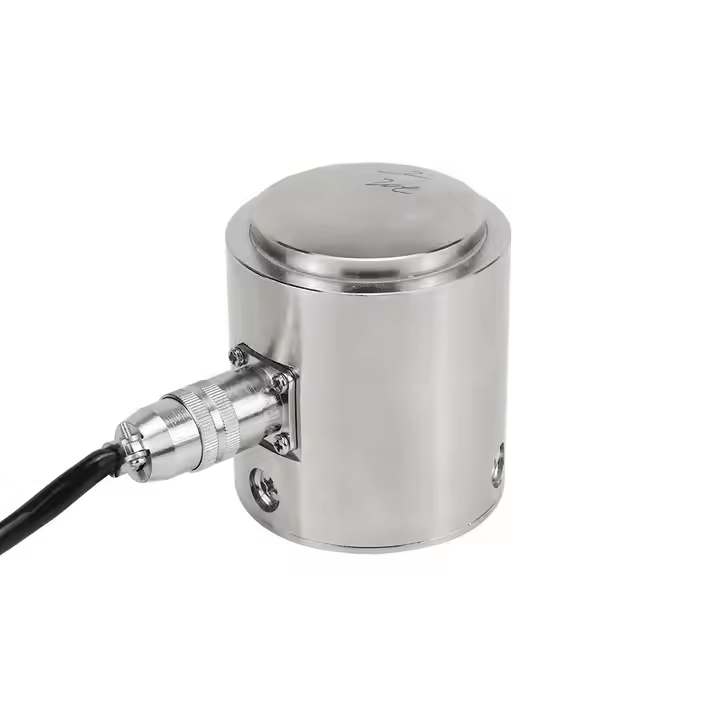
The materials used in the construction of digital compression load cells significantly affect their performance and longevity. Most load cells from PST are made from high-strength alloys, which provide robustness and durability. These materials are essential for withstanding the stresses and strains encountered in various applications.
Stainless steel is a popular choice due to its corrosion resistance, making it suitable for environments where exposure to moisture or chemicals is a concern. Additionally, some load cells come with protective coatings that enhance their resistance to environmental factors, prolonging their lifespan.
Another important material factor is the internal strain gauge, which should be made from high-quality materials to ensure accurate force measurement. The choice of materials can also influence the load cell's temperature stability and sensitivity, which are crucial for maintaining measurement precision across different operating conditions.
In summary, when selecting a digital compression load cell, it’s essential to consider specifications, quality indicators, sourcing channels, application relevance, and material advantages. By thoroughly evaluating these factors, you can make an informed purchasing decision that meets your operational needs.
 EN
EN