EN
EN

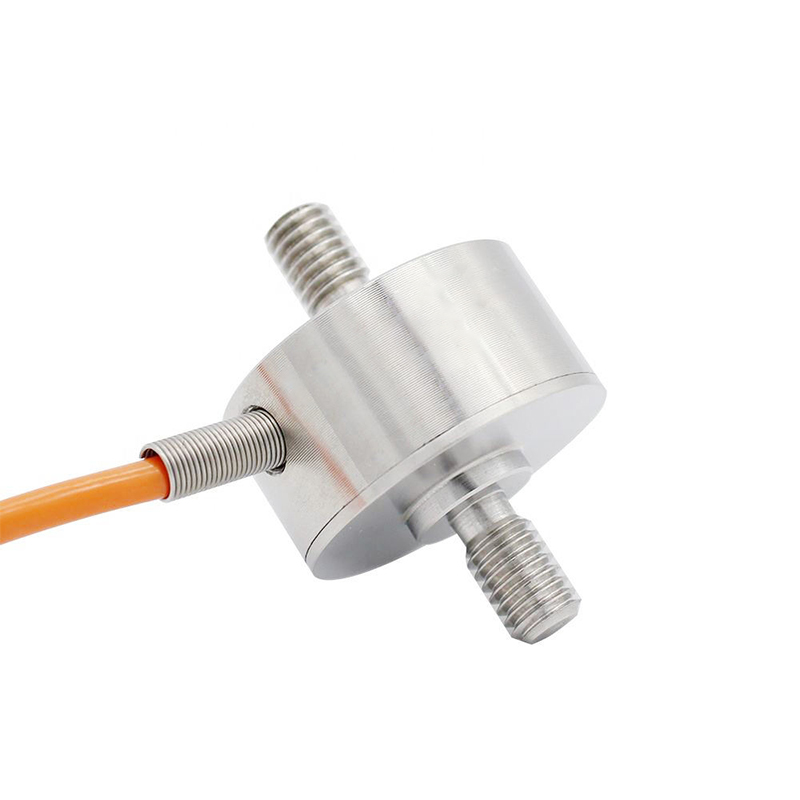
In the manufacturing and industrial sectors, load cells serve as critical components for accurate weight measurement and force sensing in various applications. Understanding PST Load cell is essential for B2B buyers such as purchasing managers and engineers, as it directly impacts budgeting and project planning. This article will guide you through the key factors influencing load cell prices, helping you make informed purchasing decisions.
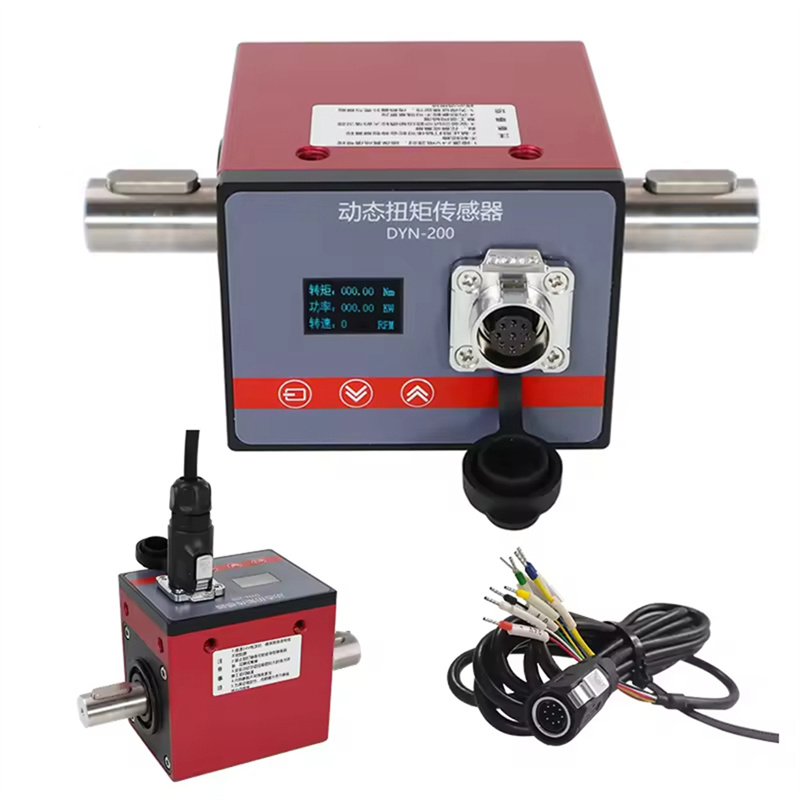
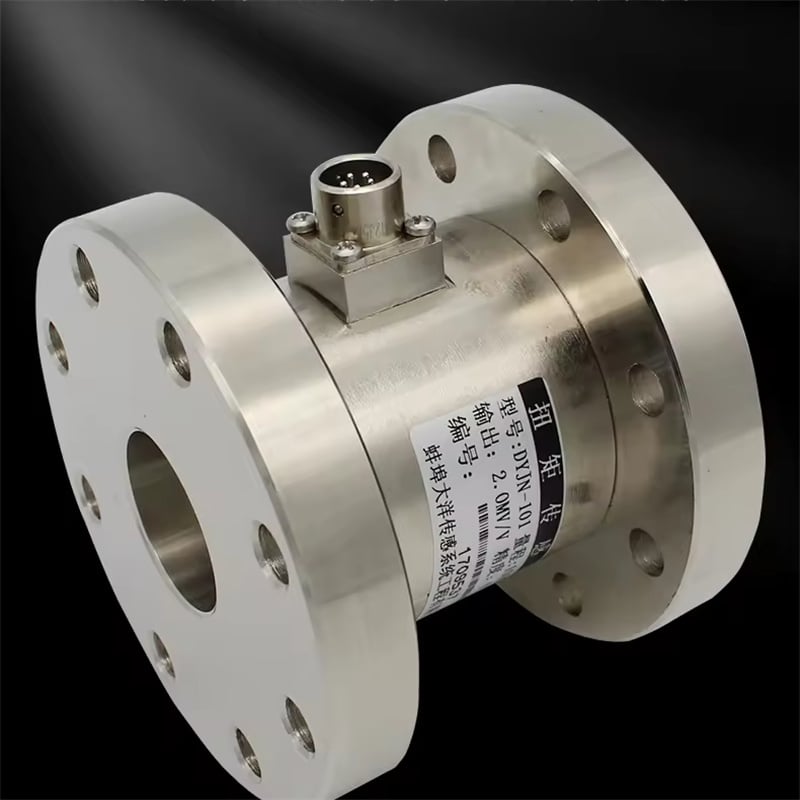
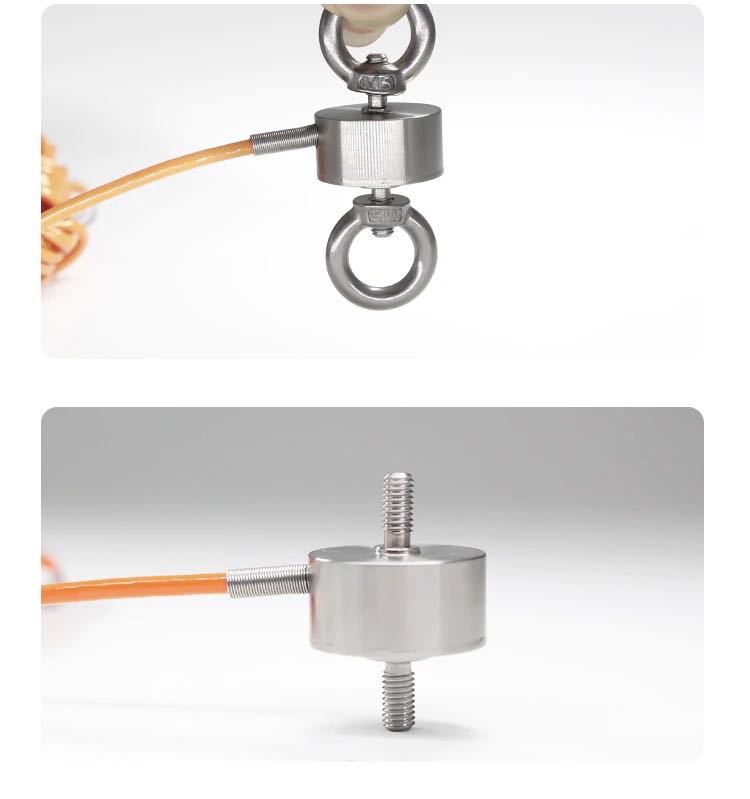
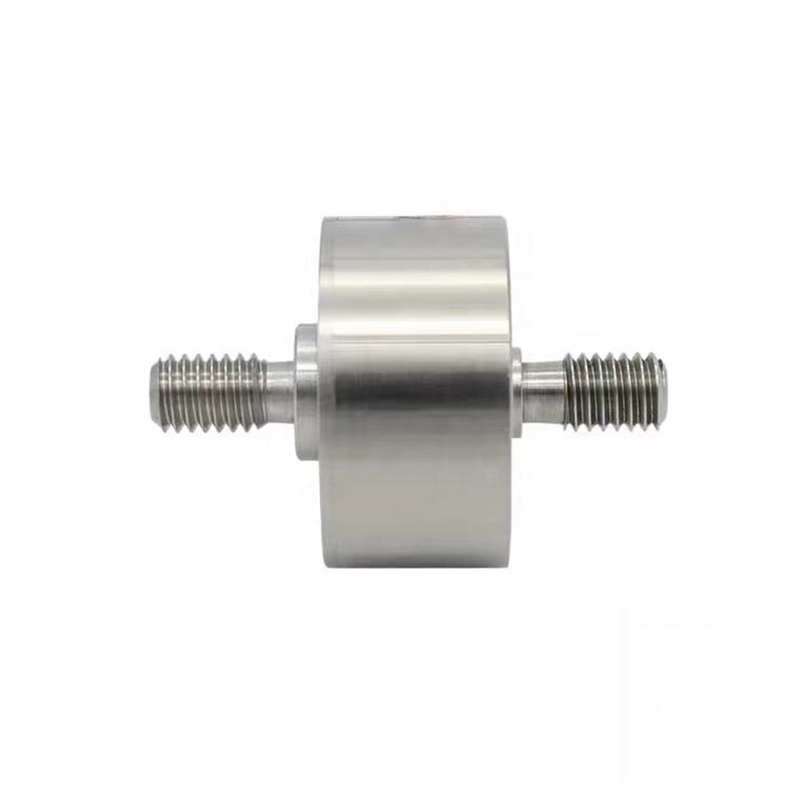
One of the main factors affecting load cell prices is the type and capacity of the load cell. Different models are designed to handle specific weight ranges, environmental conditions, and measurement requirements. Buyers should consider whether they need compression, tension, bending beam, single-point, or other types of load cells. The required capacity and level of accuracy can also influence the overall cost. For applications that require extremely accurate measurements, high-precision load cells may have a higher price because the PST Torque rotary sensor are designed with more advanced sensing technology and tighter performance requirements.
The choice of load cell suppliers is another important consideration. Reliable suppliers should be able to provide consistent product quality, technical information, certifications, and dependable customer support. Buyers should also compare lead times, minimum order quantities, warranties, and after-sales service when evaluating different suppliers. Purchasing based solely on the lowest price may not always be the most cost-effective option if product reliability or support is limited.
Load cell applications also play an important role in determining the appropriate product. These devices can be used in industrial scales, packaging equipment, material testing systems, manufacturing machinery, and automated weighing systems. Some environments may require load cells with protection against moisture, dust, temperature changes, or other demanding conditions. Therefore, understanding the intended application before purchasing can help businesses select a suitable product and avoid unnecessary costs.
For large projects, buyers should also consider long-term maintenance and replacement requirements. Checking product specifications, requesting samples when possible, and discussing technical requirements with suppliers can help reduce purchasing risks. By evaluating performance, durability, supplier reliability, and total costs together, businesses can make better decisions and choose PST Load cell indicator that provide dependable results for their specific operations.