Choosing the Right Linear Transducer for Applications

application/linear-transducer, application/linear-transducer, 
Inquiry
Inquiry

Linear transducer

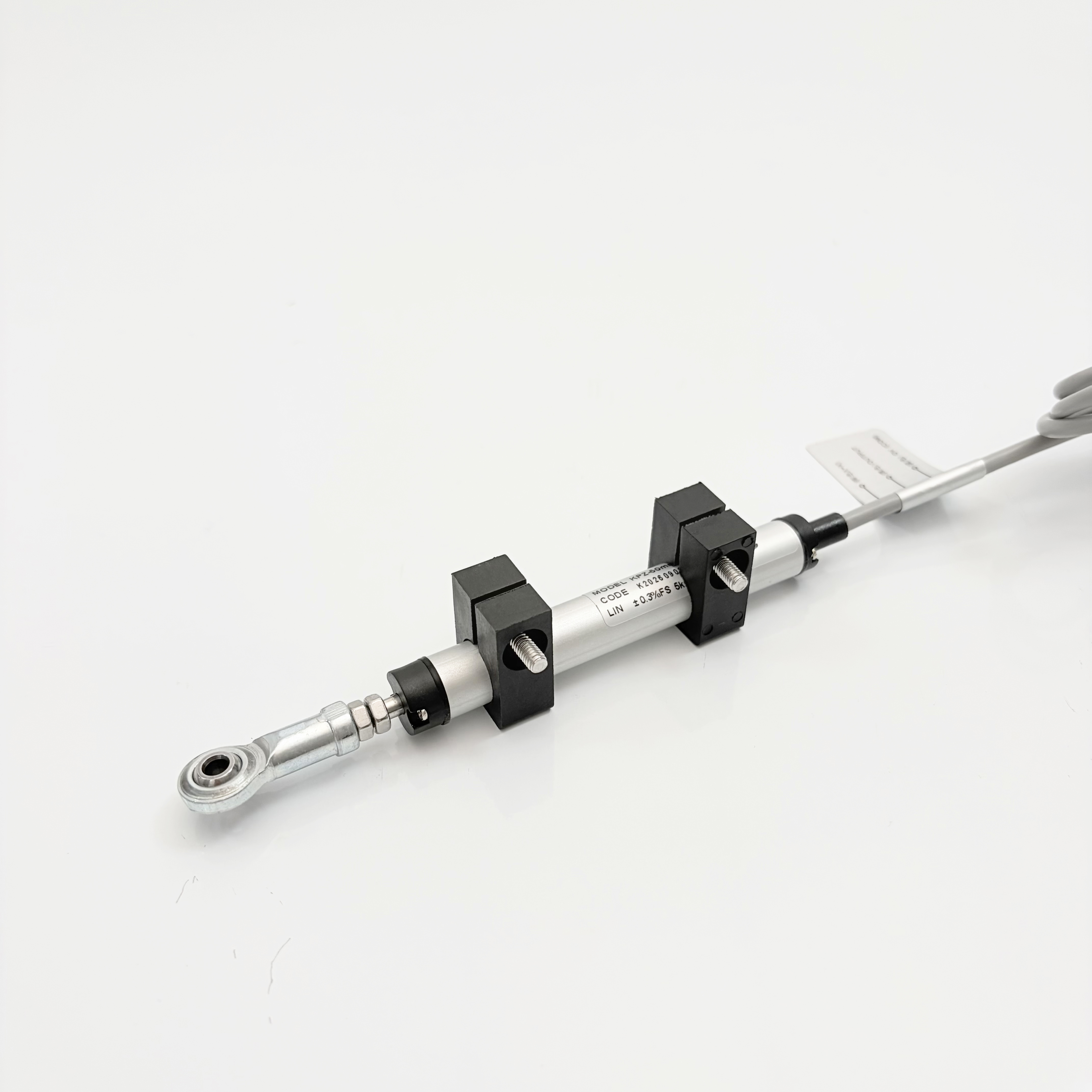
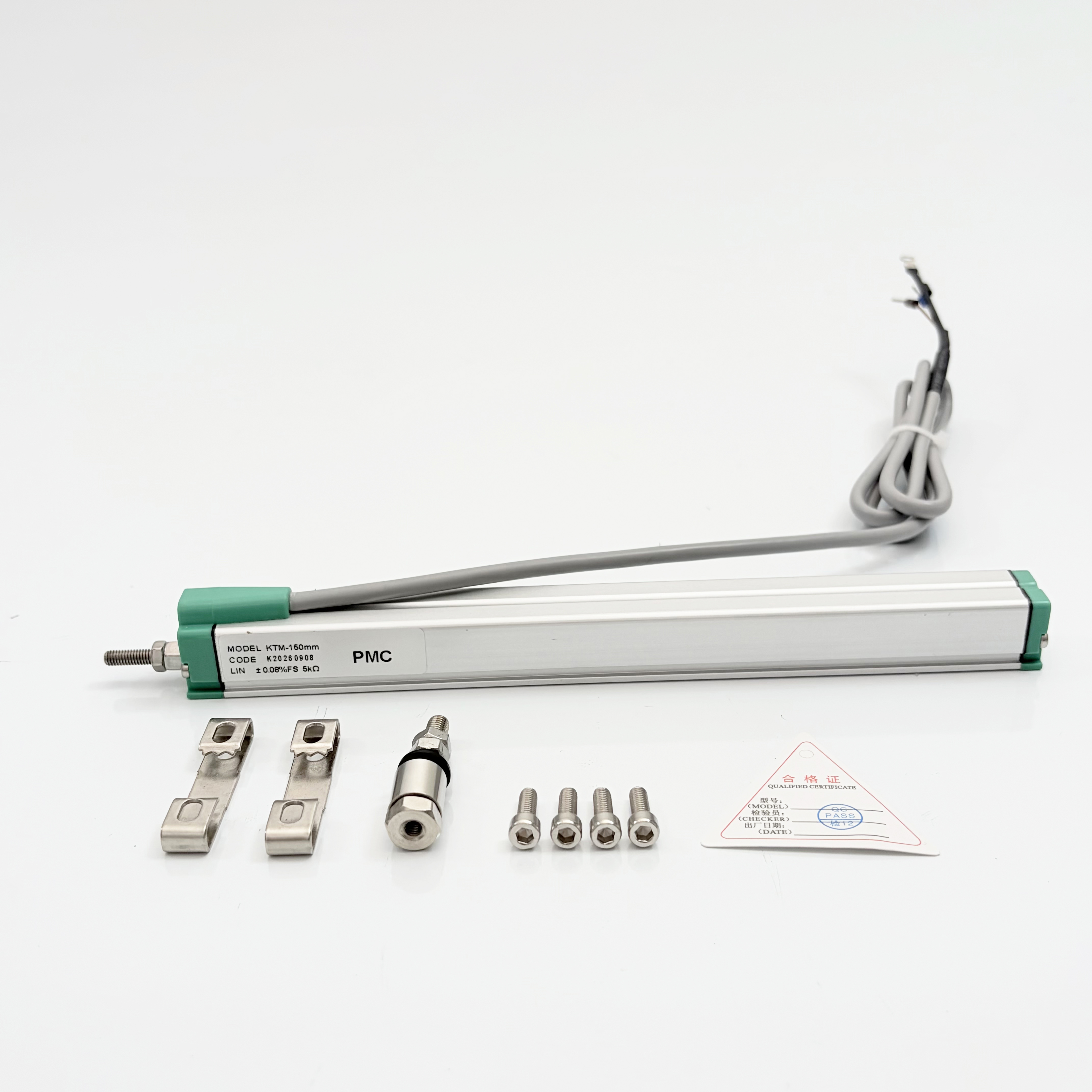
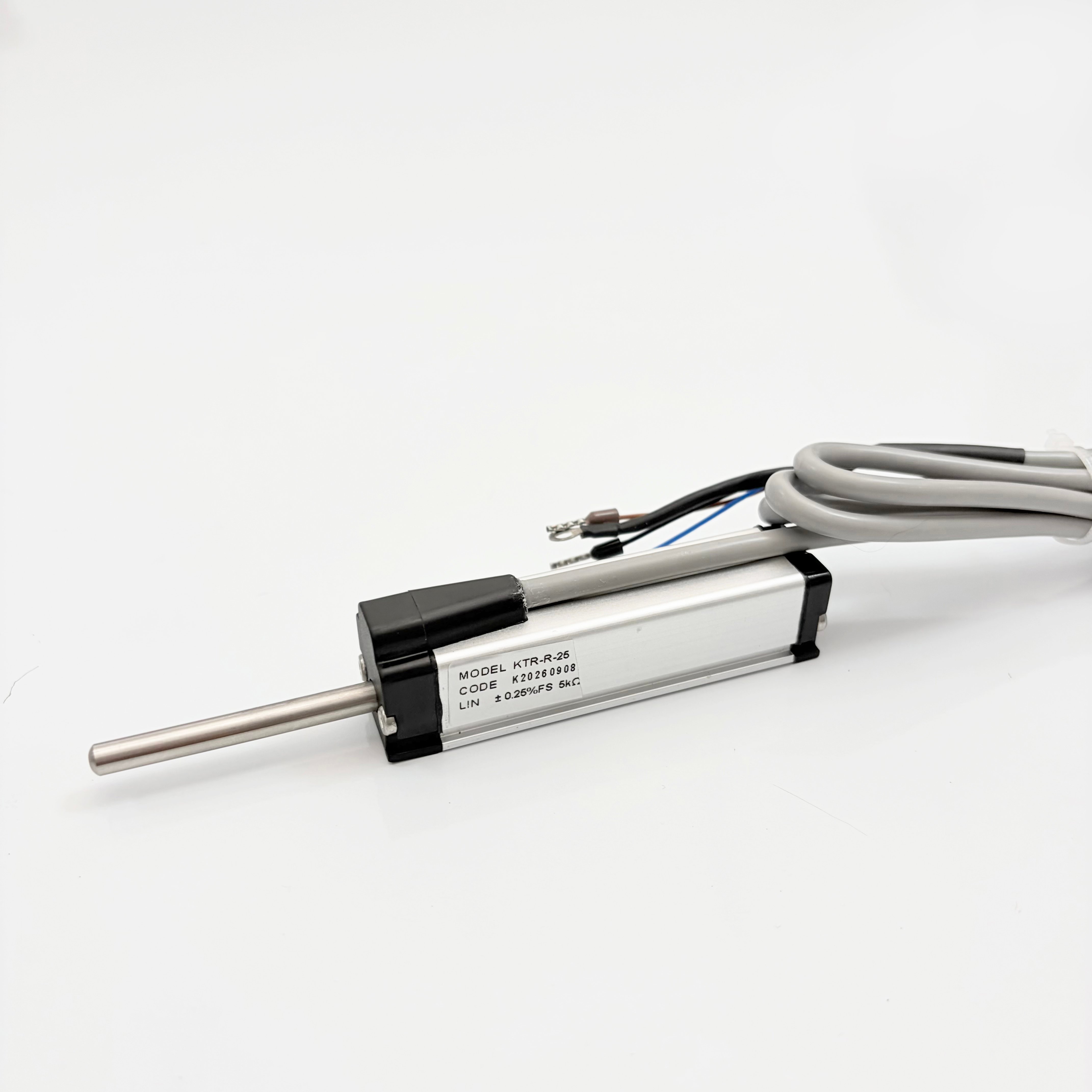
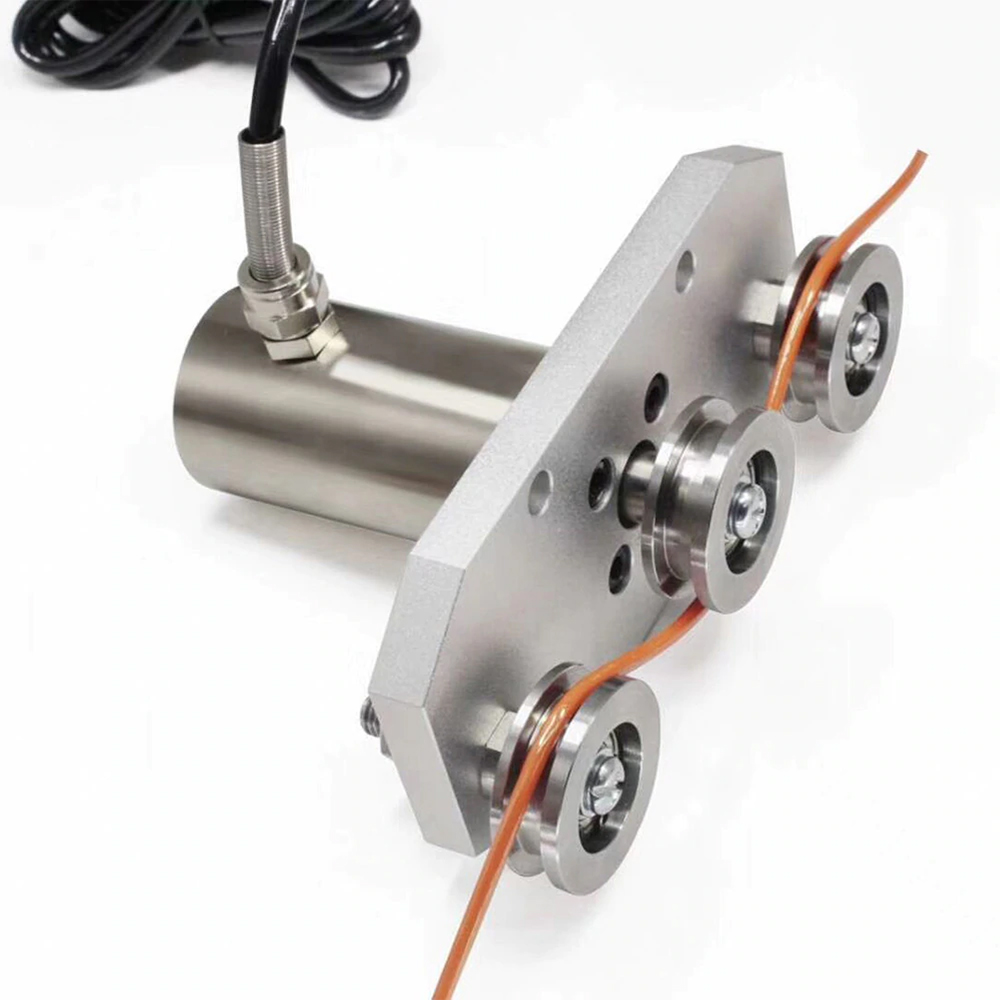
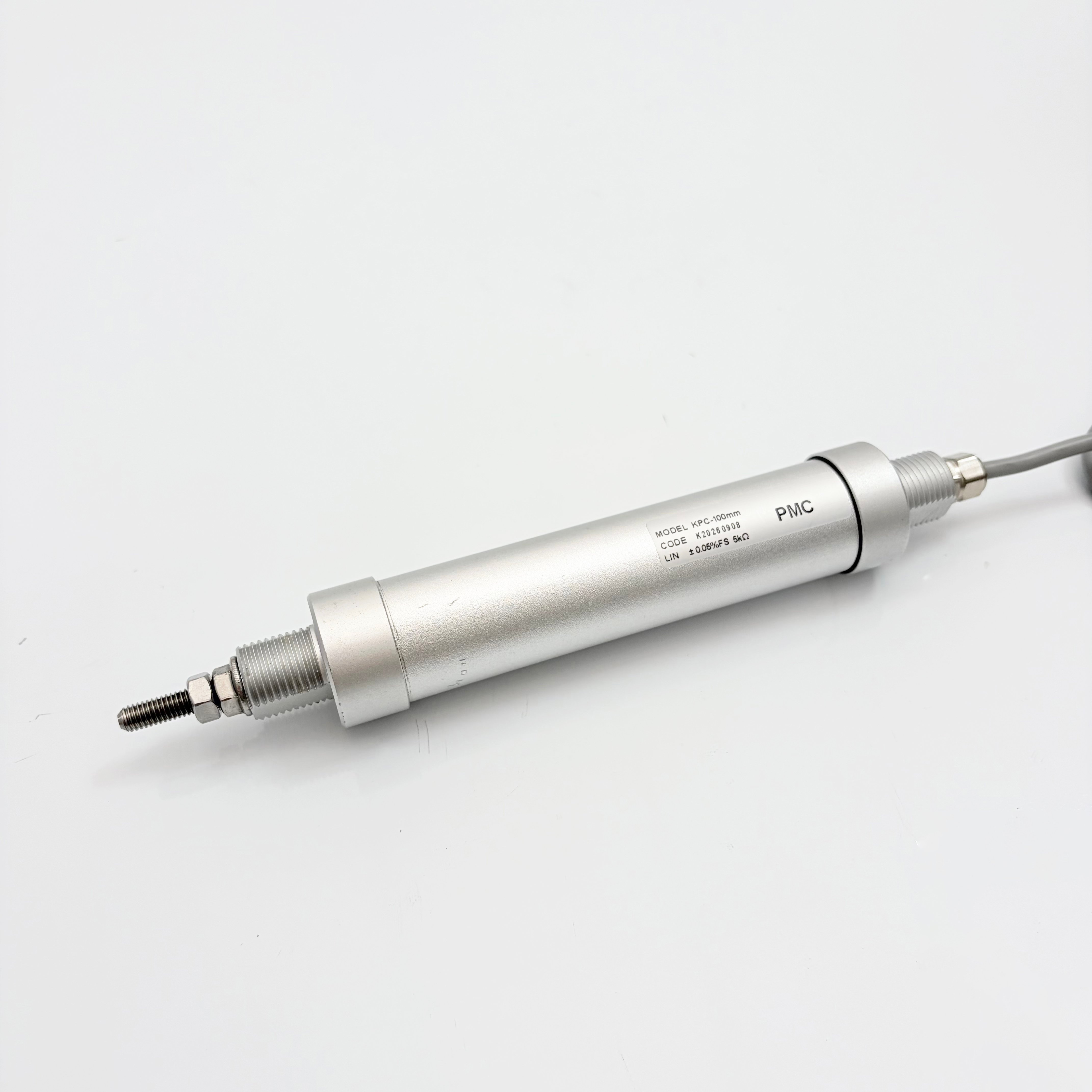
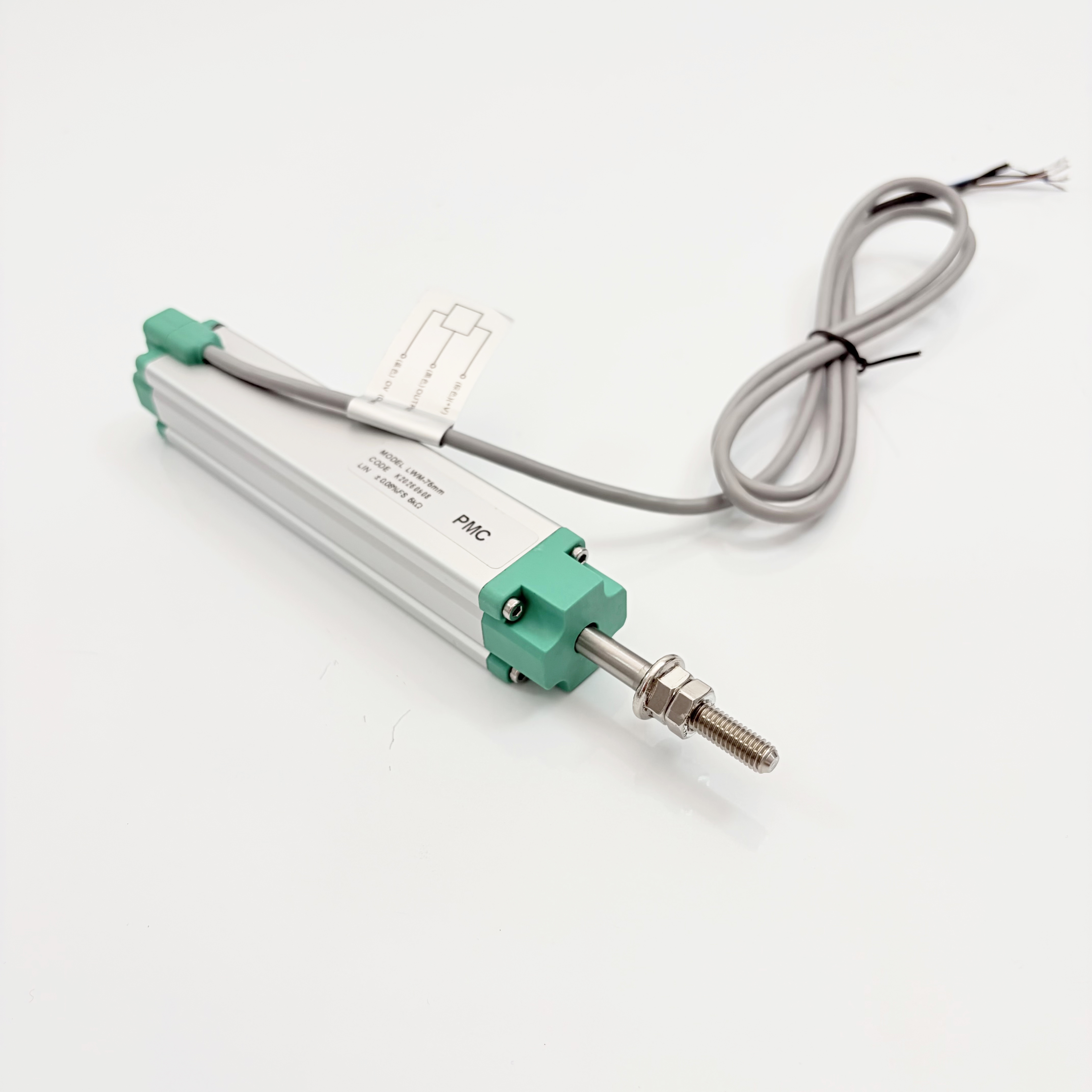
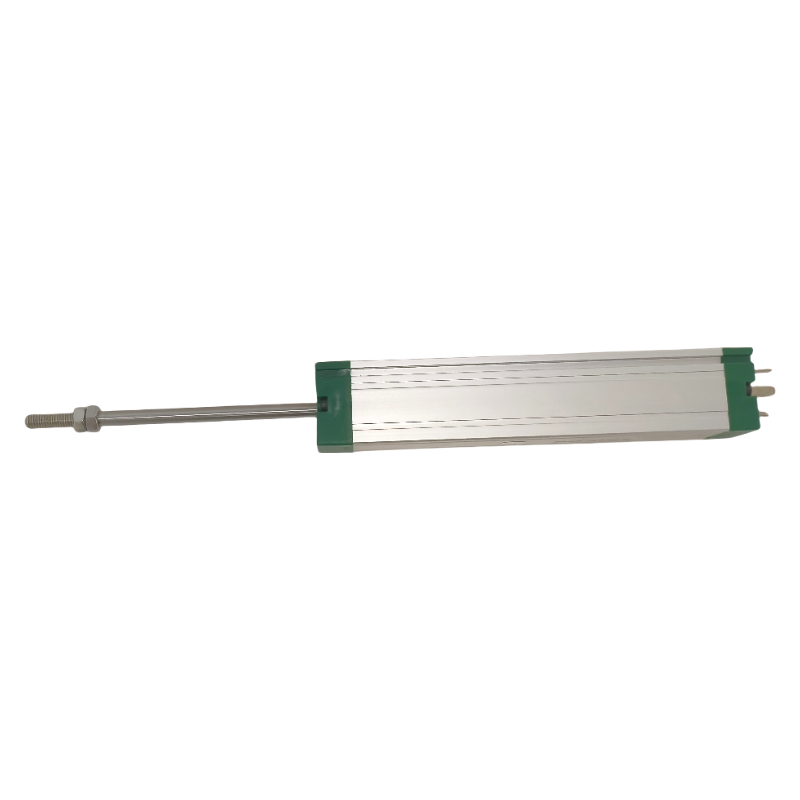
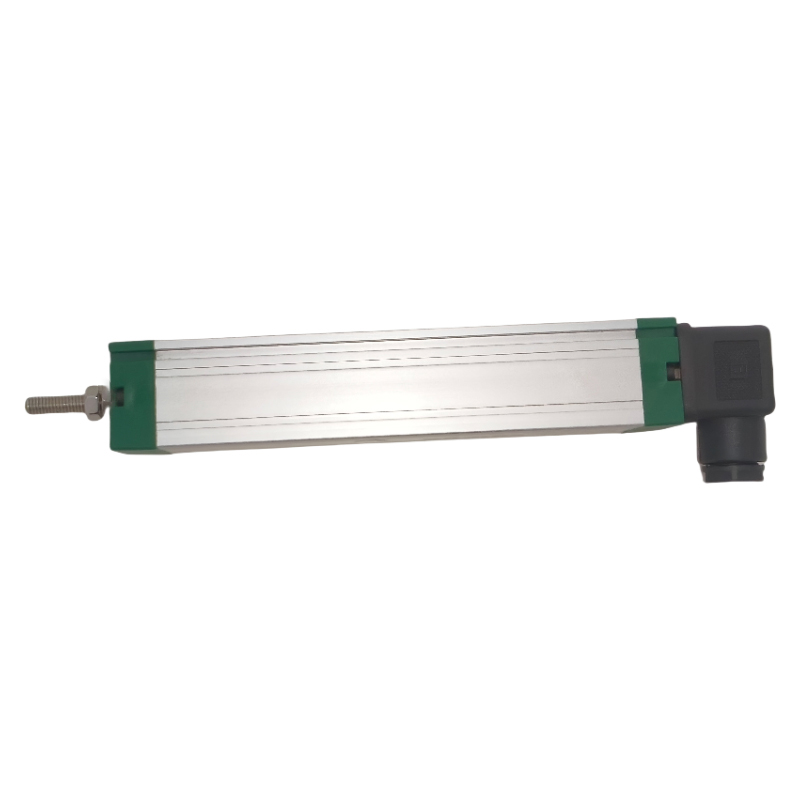
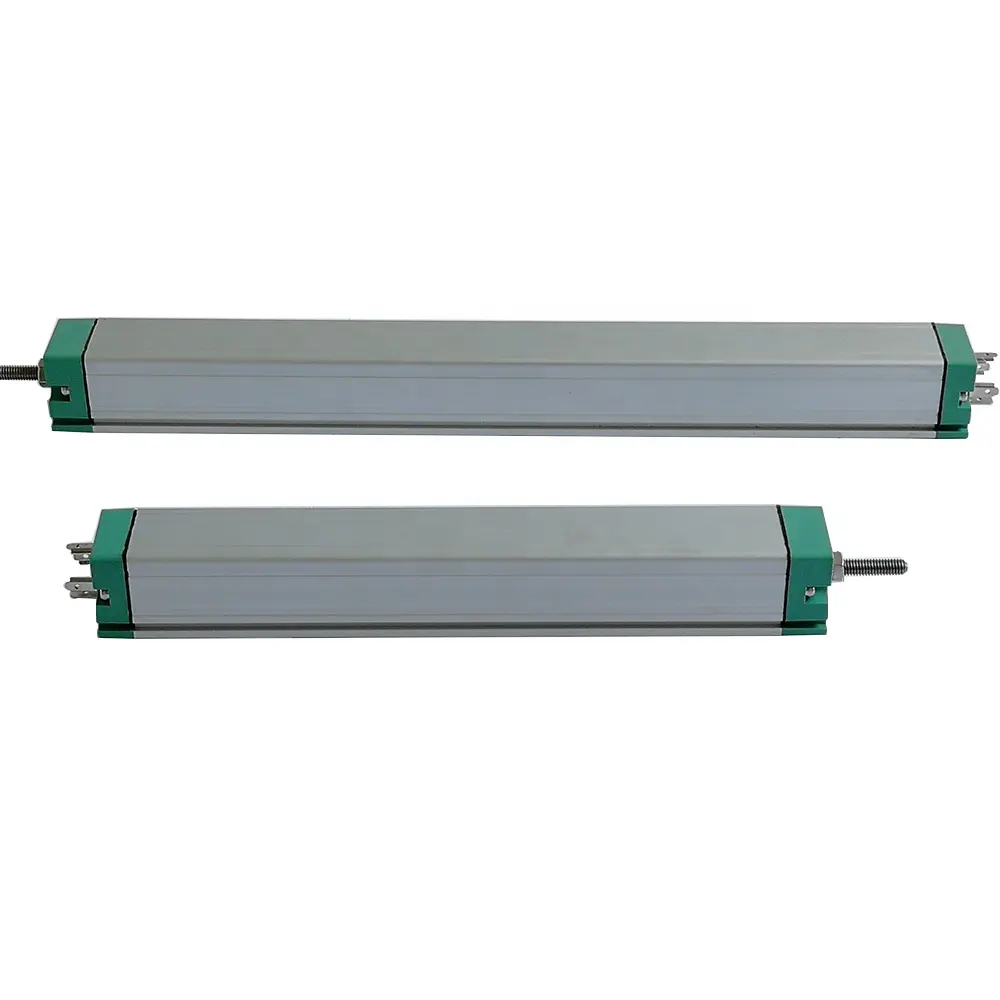
Linear transducers are essential components used to convert linear displacement into electrical signals, making them vital for various applications in industries such as automation, weighing, and force measurement.  For professionals involved in purchasing or specifying these devices, understanding how to choose the right linear position sensor transducer is crucial.  This article will guide you through the selection process, key considerations, common issues, and best practices to ensure you make informed decisions that meet your operational needs. 

What to Look for in Linear Transducers?

What to Look for in Linear Transducers?

When assessing linear transducers, several key specifications should be prioritized: 

Measurement Range: Ensure the transducer can measure the full extent of expected displacements without saturation. This is particularly important in applications with variable loads.  

Linearity and Hysteresis: Look for models with low hysteresis to maintain accuracy over repeated measurements.  Linear measurement sensor refers to how accurately the output signal corresponds to the input displacement; deviations can lead to measurement errors. 

Output Signal Type: Decide whether an analog output (like voltage or current) or a digital output (like serial communication) best suits your application. 

Material and Construction: The choice of materials can influence durability and performance. For environments that expose the transducer to dust or moisture, consider options with IP-rated housings. 

Calibration and Testing: Manufacturers like PST should provide calibration data or certifications demonstrating the transducer's accuracy and reliability.  Regular testing protocols can also assure ongoing performance.  

Cost Factors to Consider When Purchasing Linear Transducers in Bulk

Cost Factors to Consider When Purchasing Linear Transducers in Bulk

Cost considerations are critical when buying linear transducers in bulk.  While the unit price often decreases with larger orders, additional costs may arise from: 

Customization: If your application requires specific modifications, such as unique signal outputs or housing designs, these customizations can increase per-unit costs. 

Shipping and Handling: Bulk orders may incur higher shipping costs. Always confirm shipping options and lead times with the supplier to avoid unexpected delays. 

Quality Assurance: Investing in quality control measures, including pre-shipment testing and inspection, can help mitigate long-term costs associated with failures or inaccuracies.  

Warranty and Support: Evaluate the warranty terms and after-sales support provided by PST.  A robust warranty may justify a higher initial cost by reducing future repair or replacement expenses.  

Common Problems with Linear Transducers and Effective Solutions

Common Problems with Linear Transducers and Effective Solutions

Despite their reliability, linear transducers can encounter issues that may affect performance.  Here are some common problems and their solutions: 

Drift: Over time, linear displacement transducer output can drift, leading to inaccurate readings.  Regular calibration and the use of high-quality components can reduce drift. Implementing periodic checks in the operational environment can help maintain accuracy. 

Signal Interference: Noise from other electrical equipment can interfere with the output signal.  Using shielded cables and ensuring proper grounding can help minimize this issue. 

Mechanical Wear: In applications with high usage cycles, mechanical components may wear out.  Implementing regular maintenance routines and using higher-grade materials can prolong the lifespan of the transducer. 

Environmental Damage: Transducers exposed to harsh conditions may fail prematurely.  Selecting models with appropriate environmental ratings (like IP67 for dust and water resistance) can prevent damage and ensure longevity. 

Best Practices Explained

To ensure optimum performance and longevity of linear transducers, here are some best practices to follow: 

Thoroughly Review Specifications: Before purchasing, confirm that the specifications meet your application needs. This includes verifying the measurement range, accuracy, and environmental ratings. 

Request Samples: Before committing to a bulk order, request samples to test under your operational conditions.  This can help identify any potential compatibility issues or performance concerns early on. 

Plan for Calibration: Establish a routine calibration schedule to maintain accuracy over time. Work with suppliers who offer calibration services or provide detailed guidelines for in-house calibration. 

Documentation and Training: Ensure that all operating personnel are trained on the correct use and maintenance of the linear transducers. Proper documentation can facilitate smooth operations and troubleshooting. 

Engage with the Manufacturer: Maintain open communication with the manufacturer for support, especially regarding custom applications.  They can provide insights into the best practices and potential pitfalls in your specific use case. 

By considering these factors and adhering to best practices, you can confidently select the right linear transducer sensor that meets your operational needs while ensuring reliability and accuracy in your applications. These practices also help minimize operational disruptions, improve equipment efficiency, and support consistent performance throughout the transducer's service life.

How to Choose the Right Linear Transducer for Your Applications?

When selecting a linear transducer, the first step is to clearly define your application requirements.  Consider factors such as the measurement range, accuracy, and resolution needed for your specific task.  For instance, in precision manufacturing, a linear transducer with high accuracy and low hysteresis is essential, whereas applications involving larger movements may allow for more lenient specifications. 

Next, evaluate the environmental conditions where the linear transducer will be installed.  Factors such as temperature extremes, humidity, and exposure to chemicals can significantly affect performance.  For example, if the linear transducer is to be used in a high-moisture environment, choosing a model with appropriate sealing and corrosion-resistant materials is critical. 

Finally, consider the integration aspects. Ensure that the output signal type (e. g., analog, digital, or wireless) aligns with your existing systems. Compatibility with other equipment can streamline installation and reduce troubleshooting later. These considerations help ensure reliable operation, accurate measurements, and long-term compatibility with your equipment and processes across different operating conditions.

Frequently Asked Questions

What is the linear transducer used for?

It measures precise linear displacement for weighing, lifting, automation and new energy systems, converting travel into an electrical signal for control and monitoring.
Our linear transducers provide high-precision measurement with resolutions and accuracies tailored to application needs; contact us for model-specific specifications.
Outputs include analog (e.g., 4-20mA, 0-10V) and digital interfaces on request; OEM/ODM customization available to match system requirements.
Products are CE and RoHS compliant; certificate copies and detailed compliance documentation can be provided upon request.
Yes. We offer OEM/ODM customization for mounting, stroke length, signal type and environmental protection to fit lifting, weighing and automation needs.

Get a Free Quote

Our representative will contact you soon.
0/1000