EN
EN

Product Selection Support
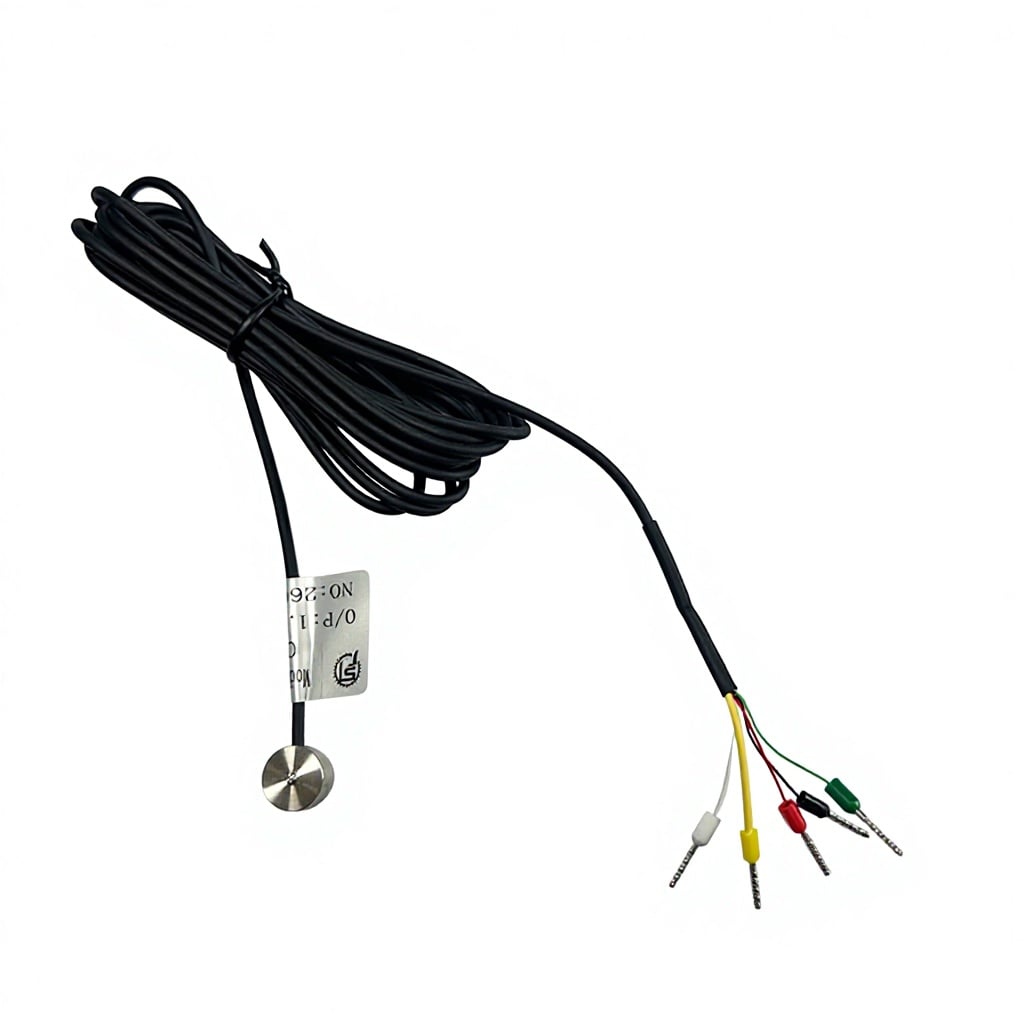
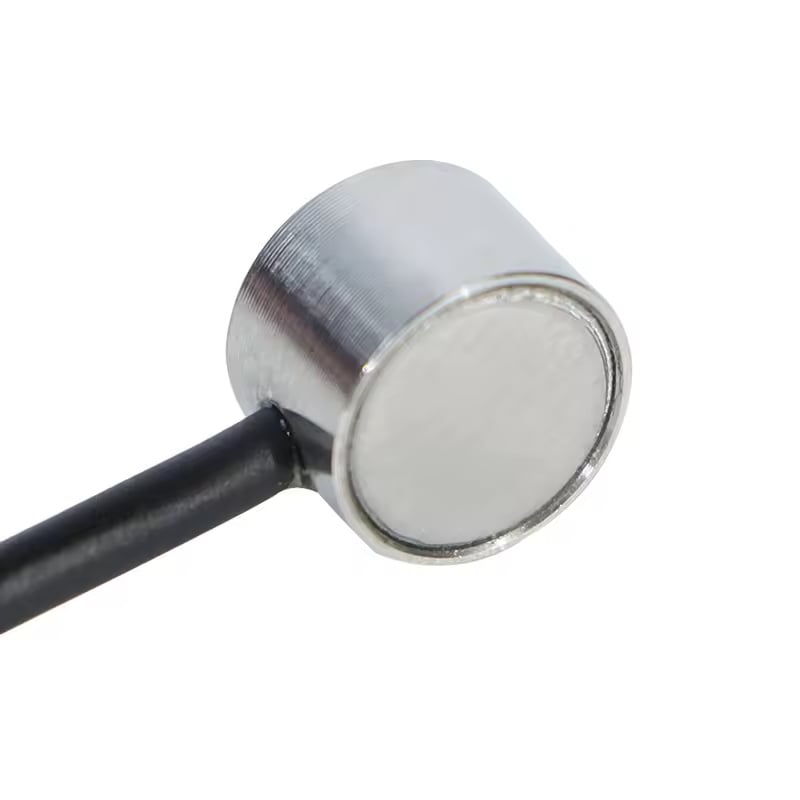
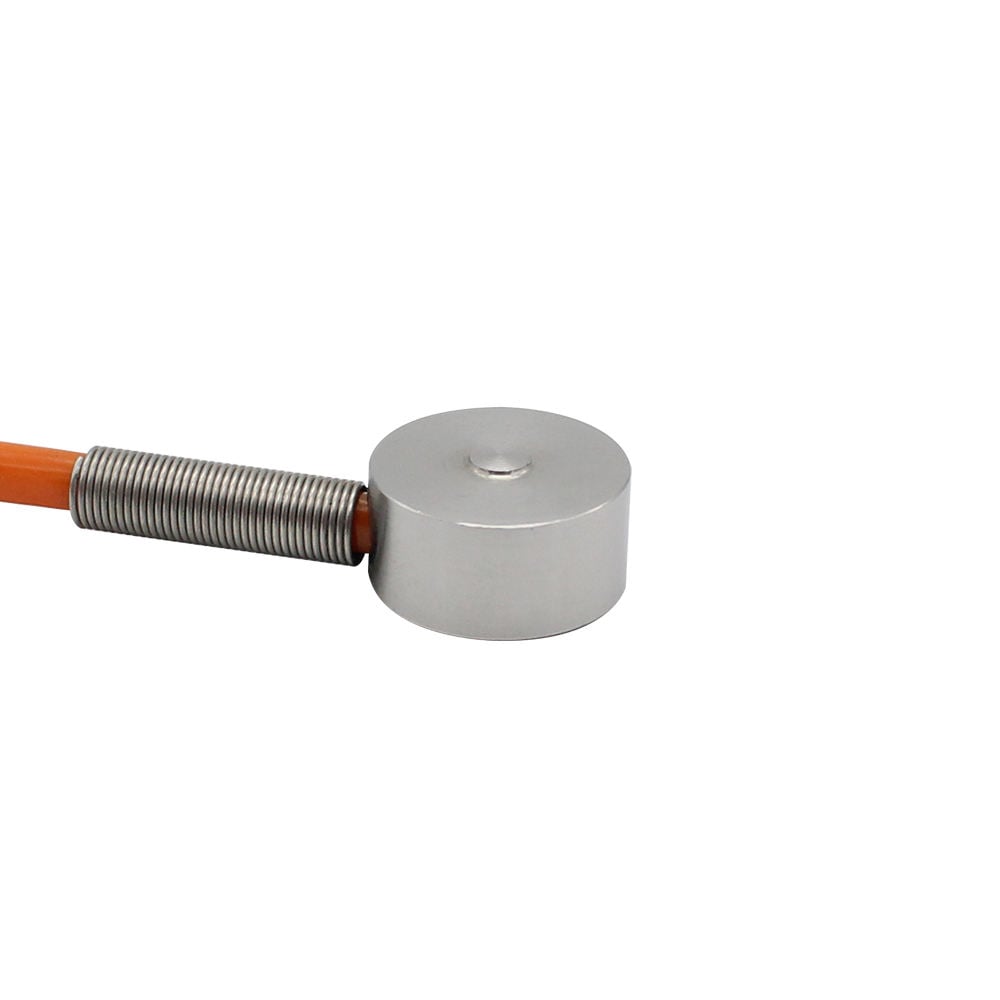
Our engineers help you choose the right load cell based on application requirements, capacity, accuracy, and operating conditions.
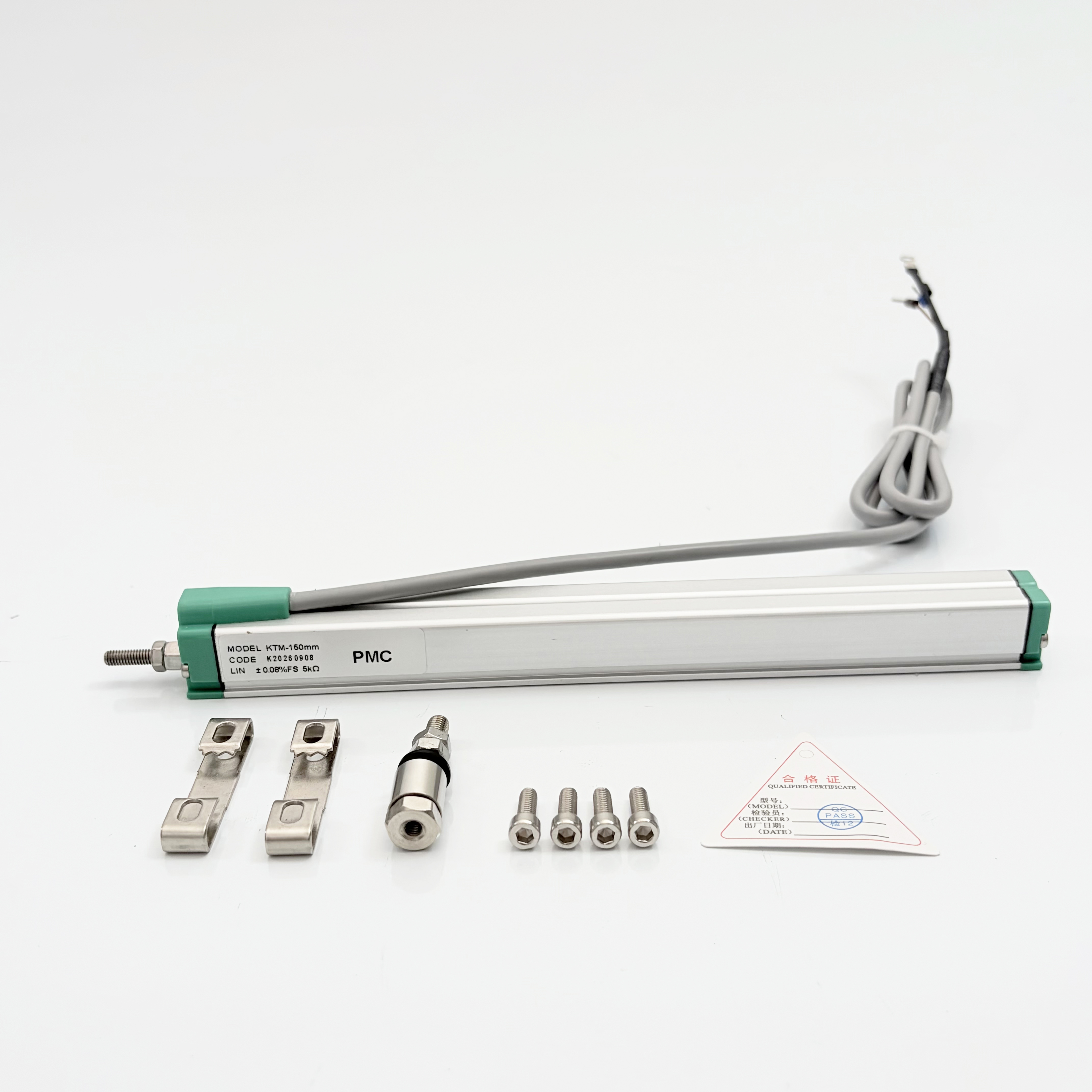
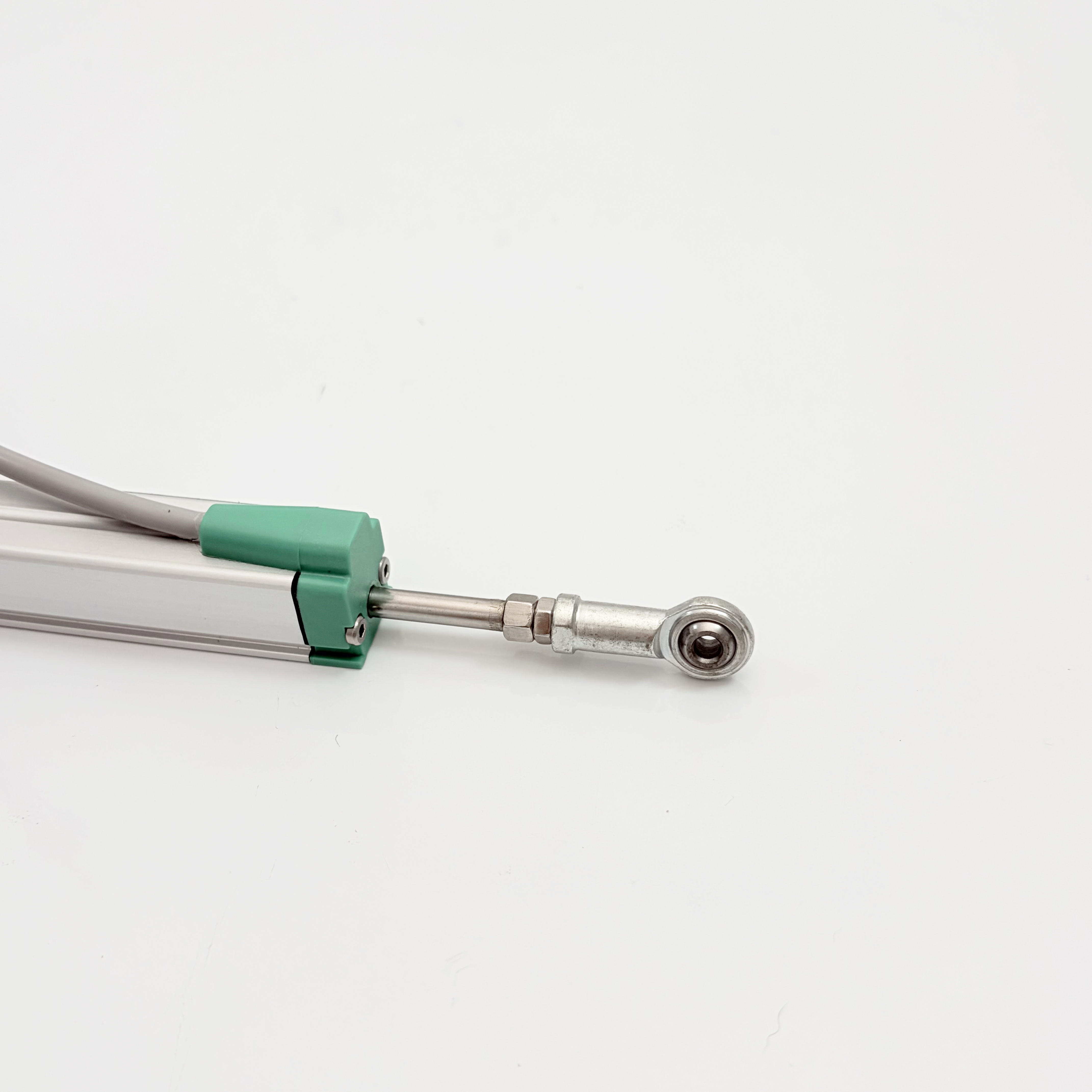
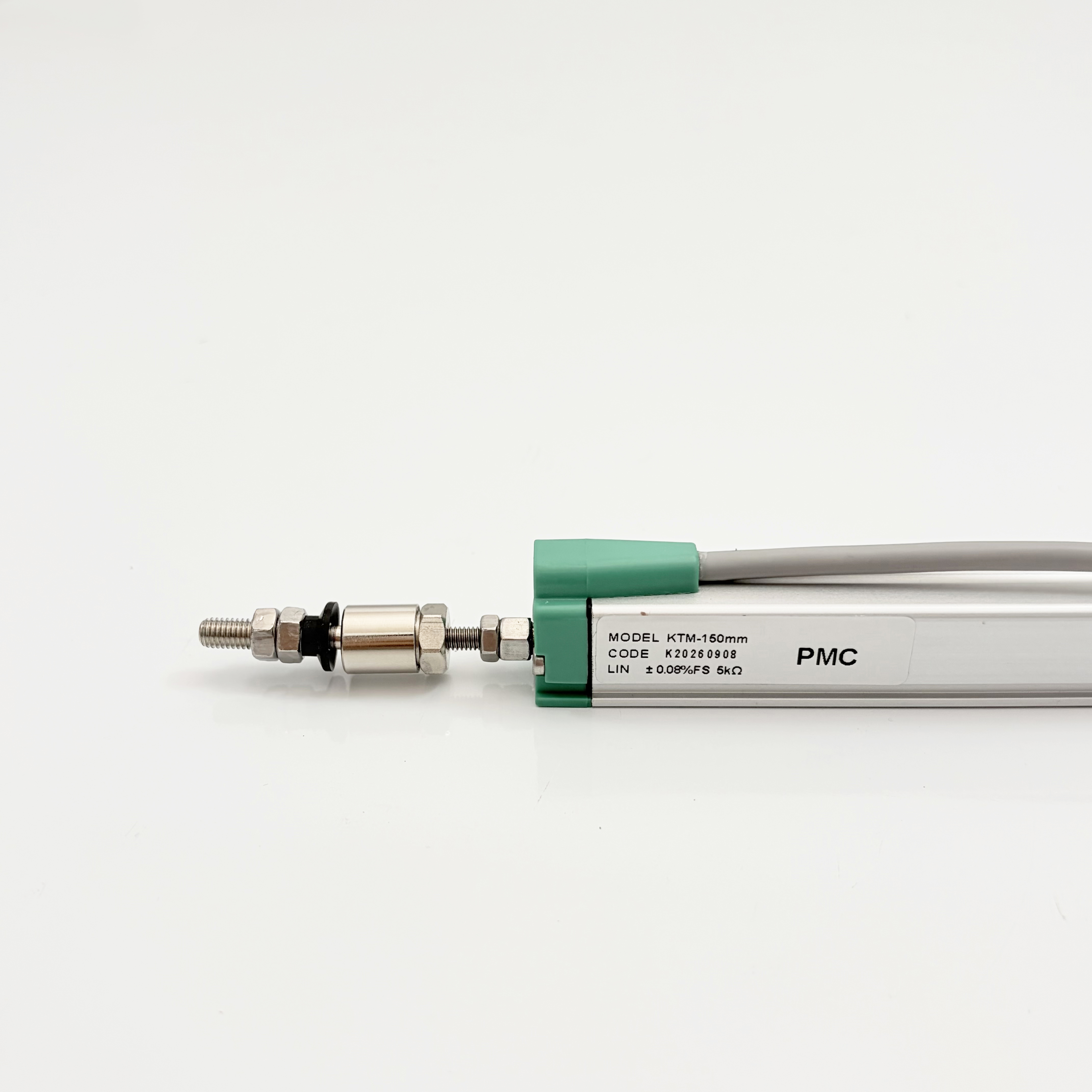
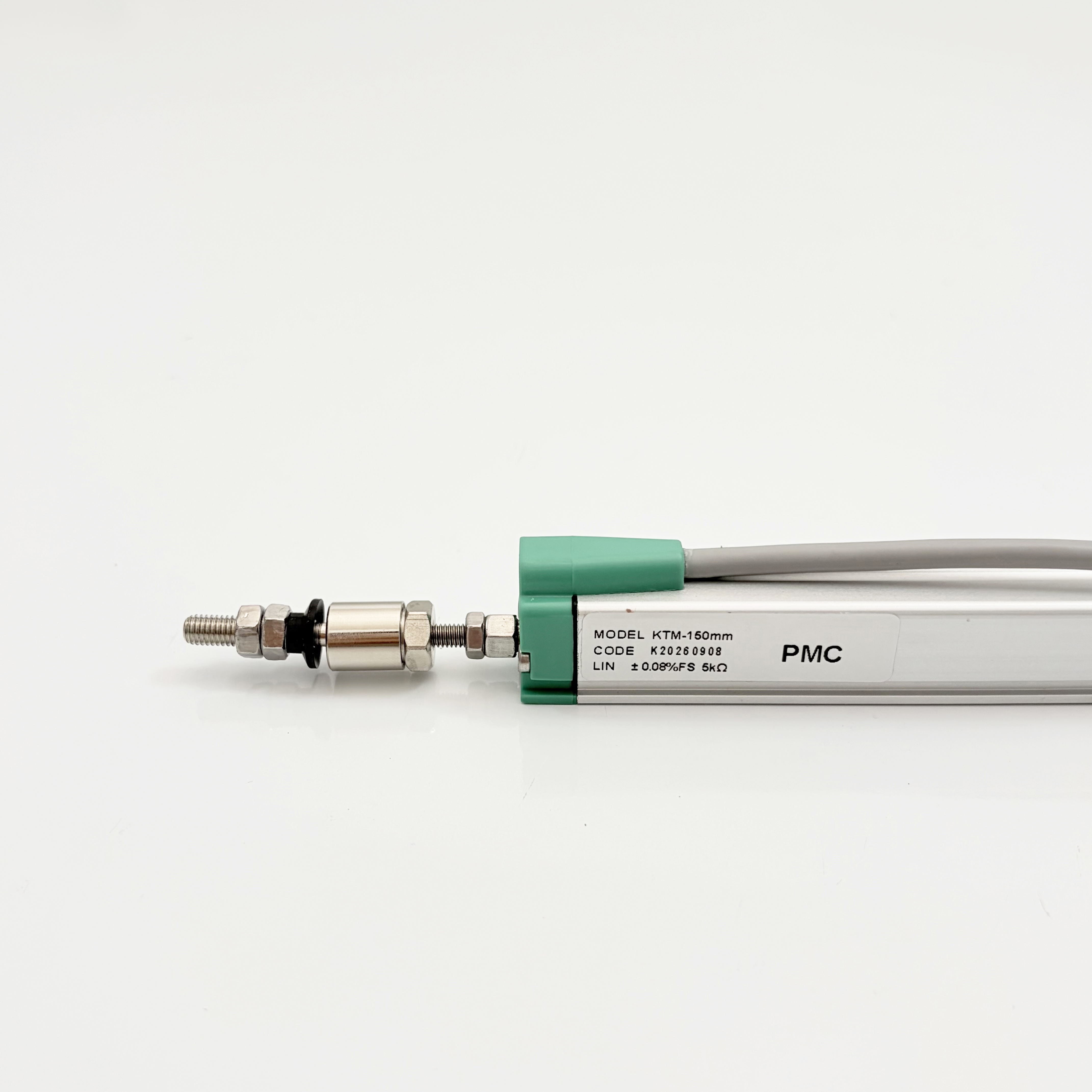
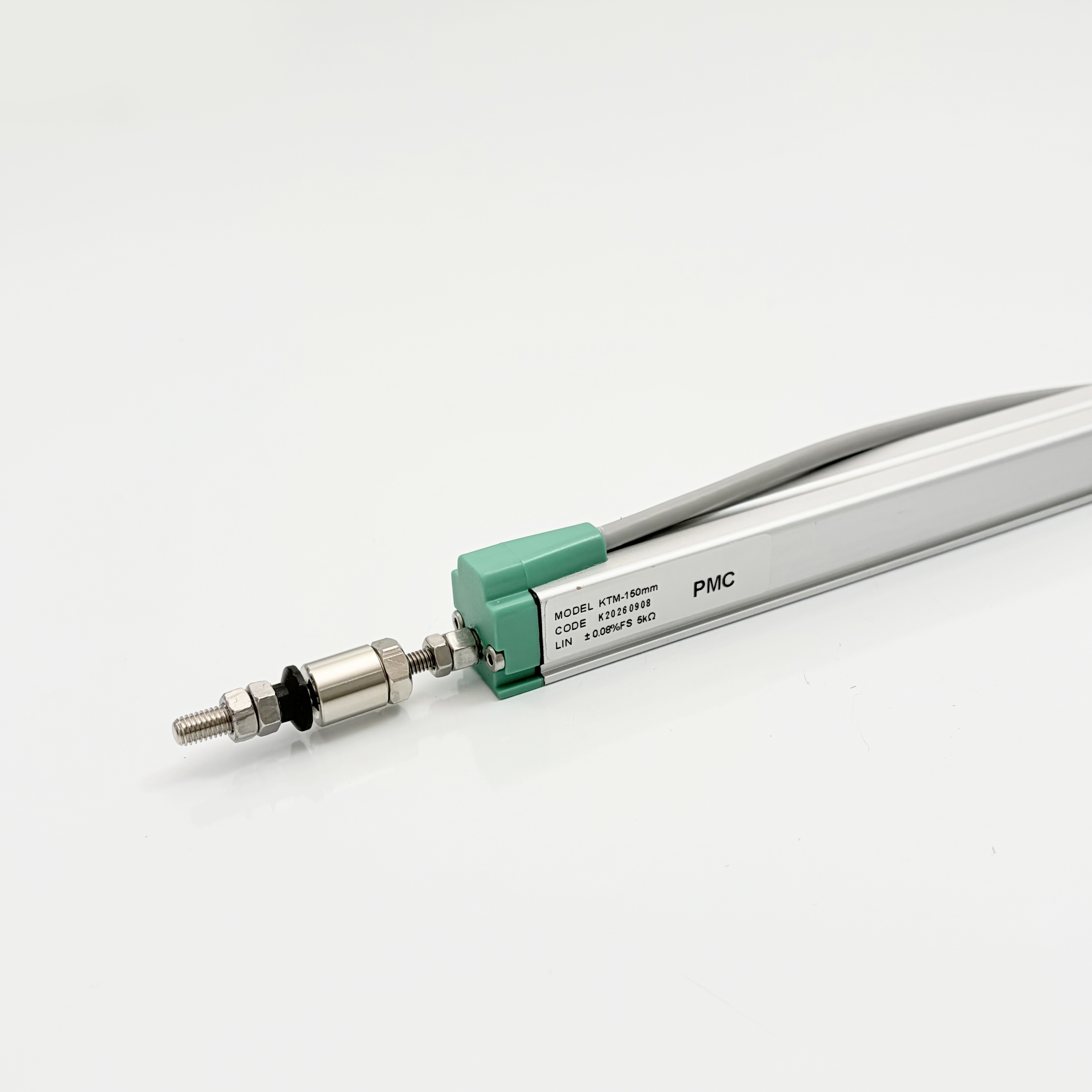
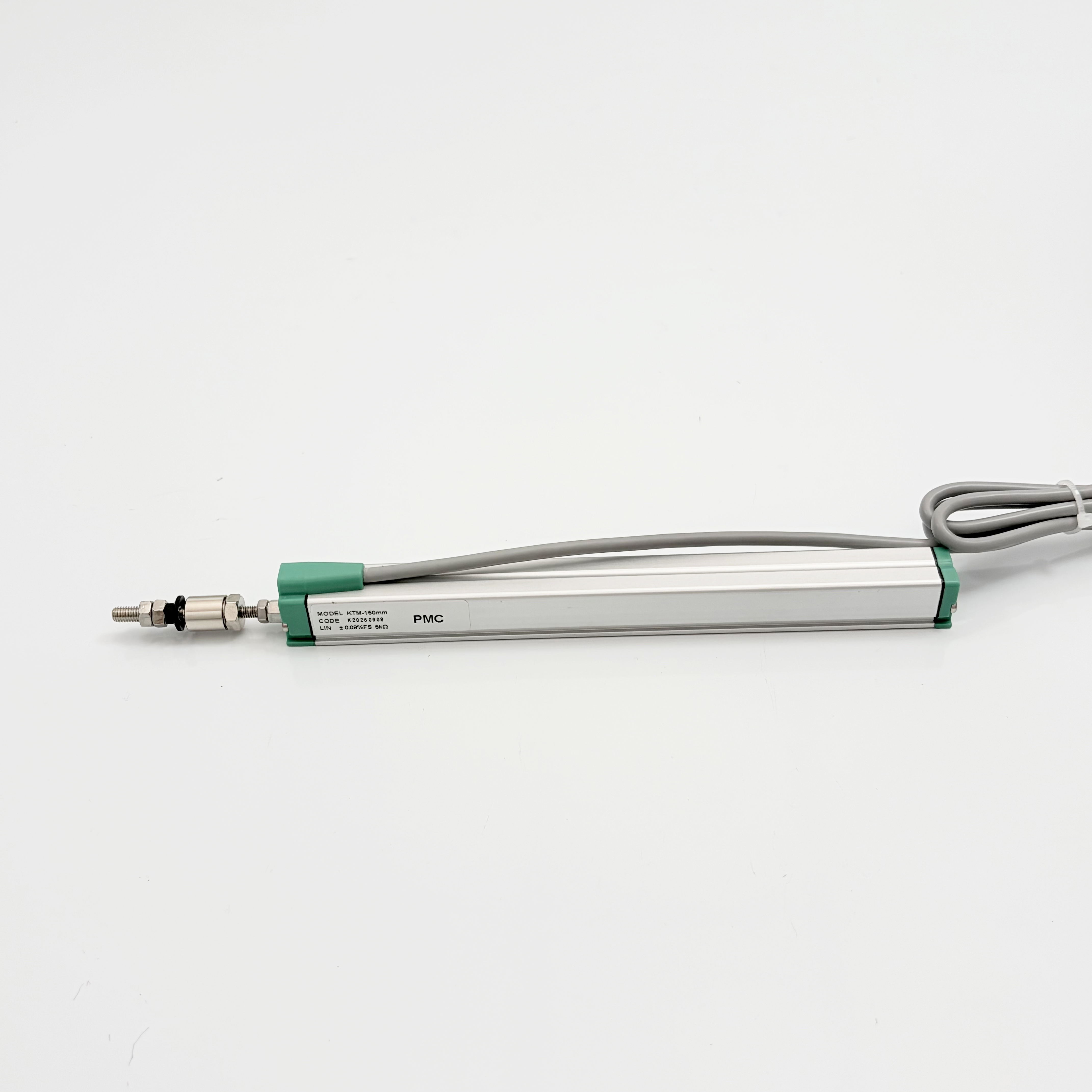
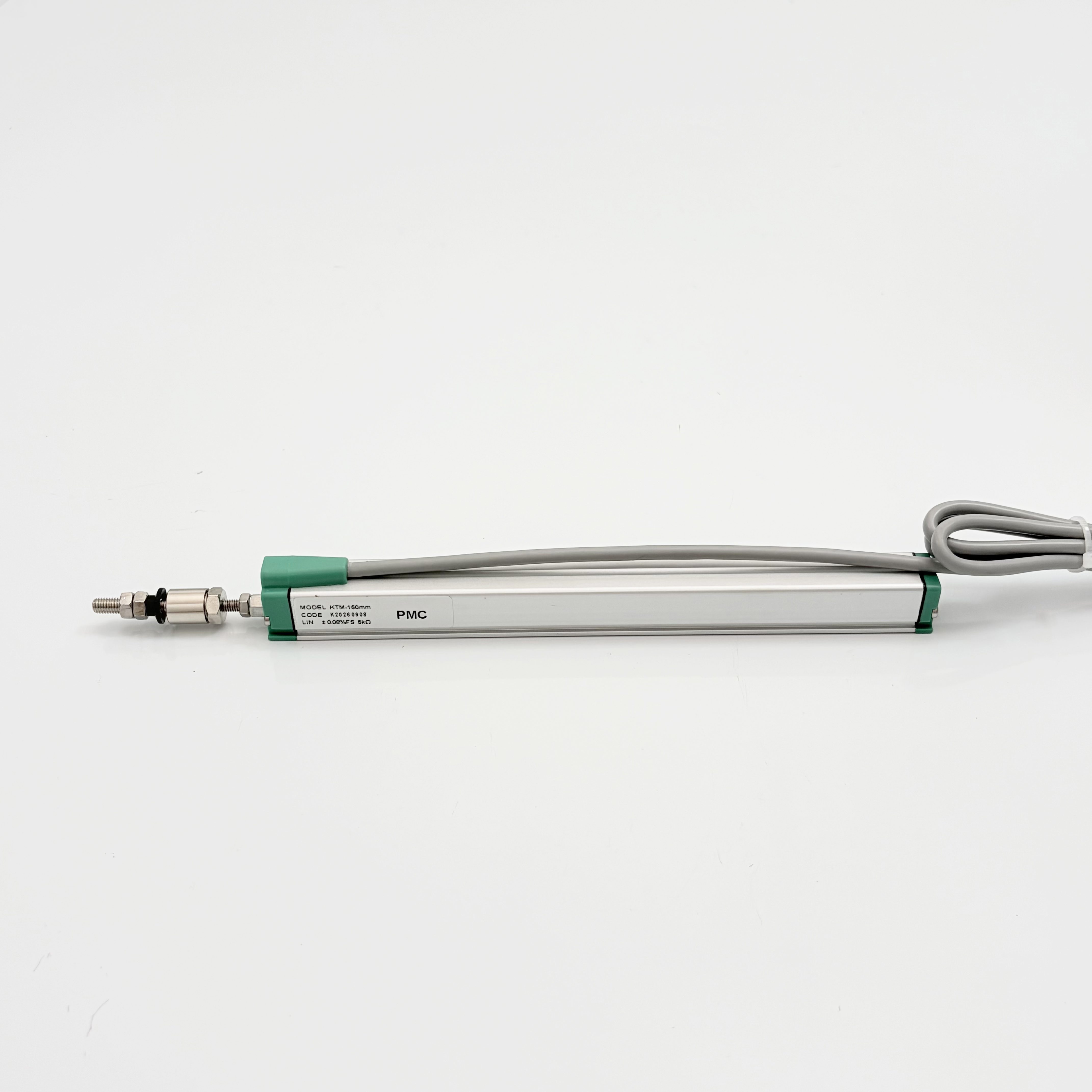
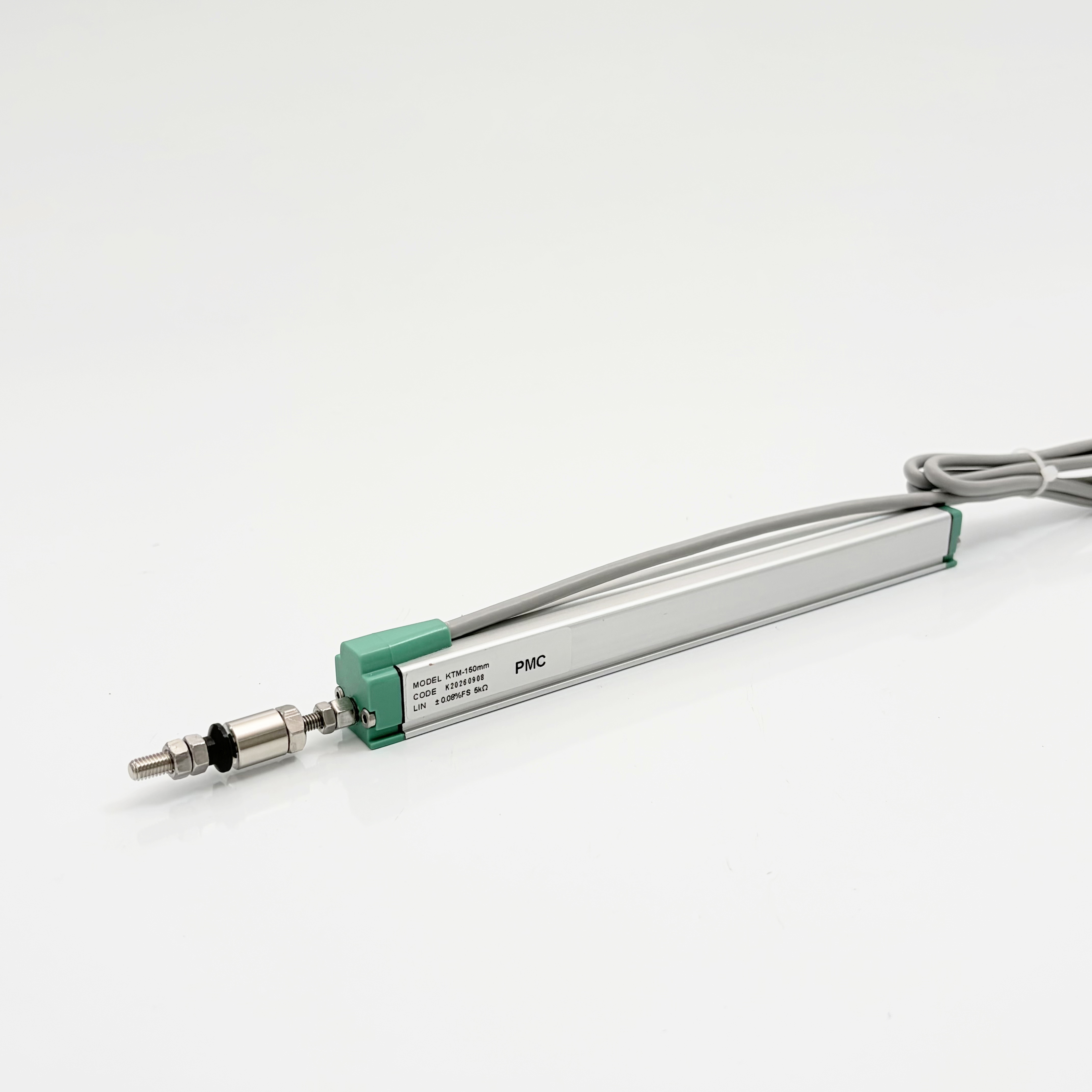
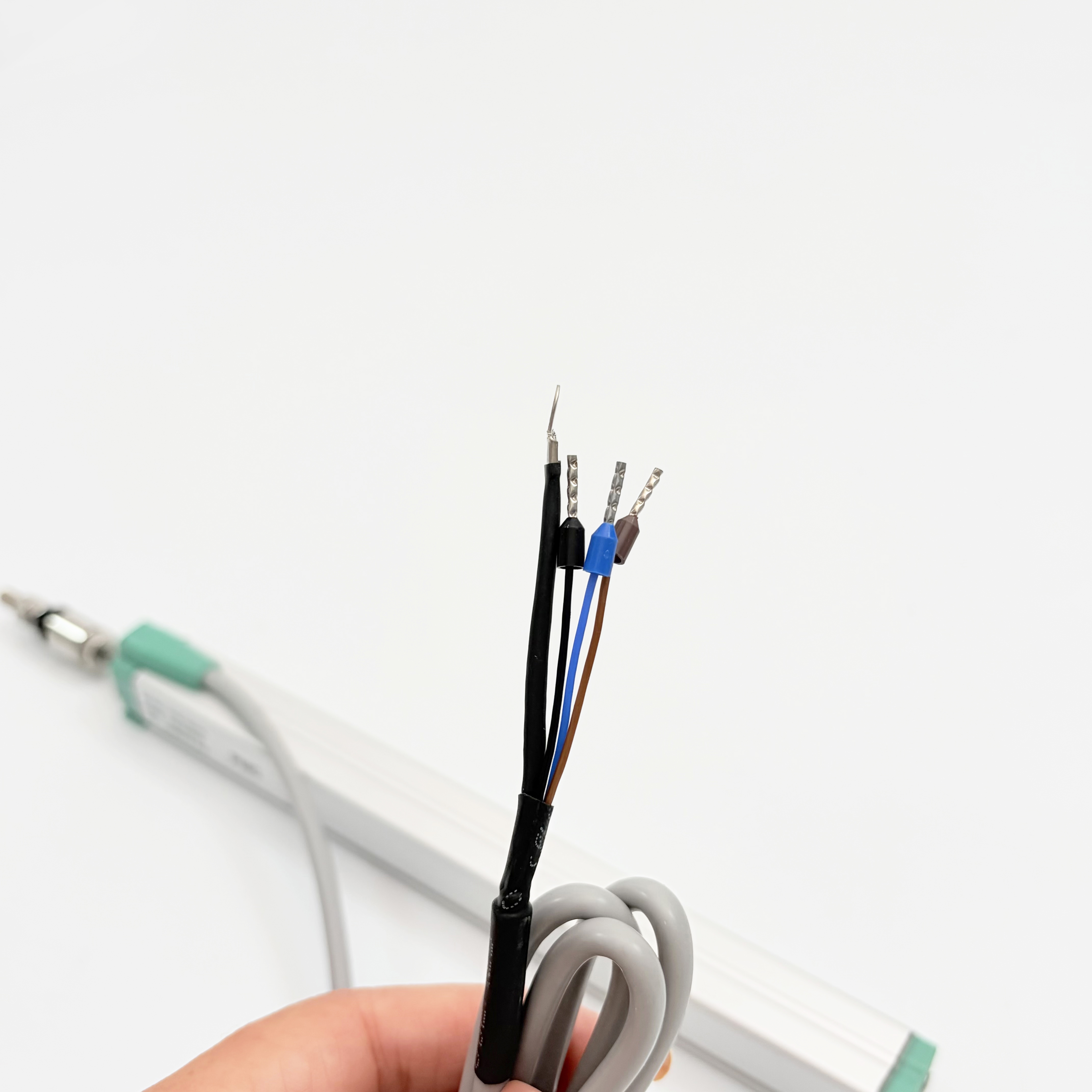
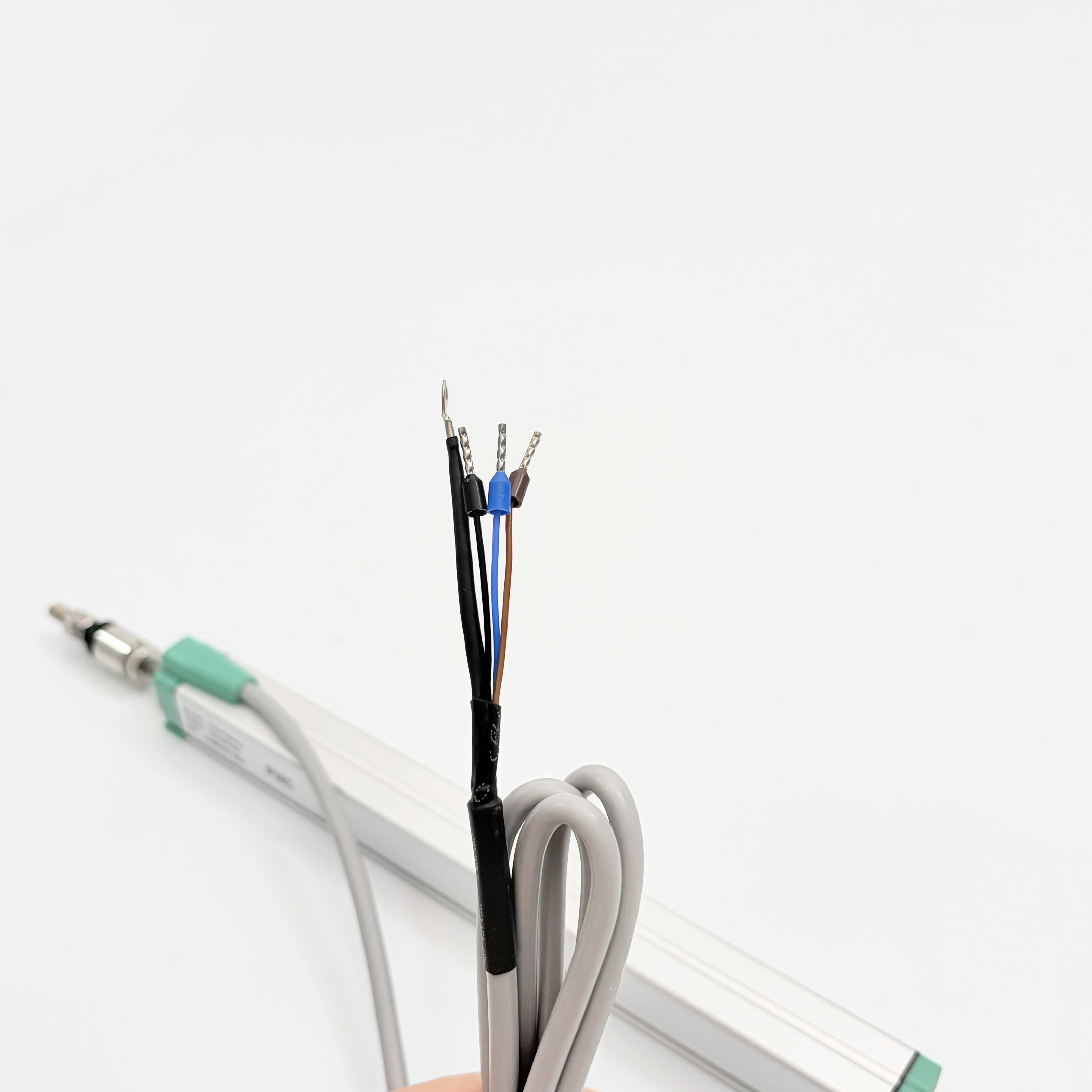
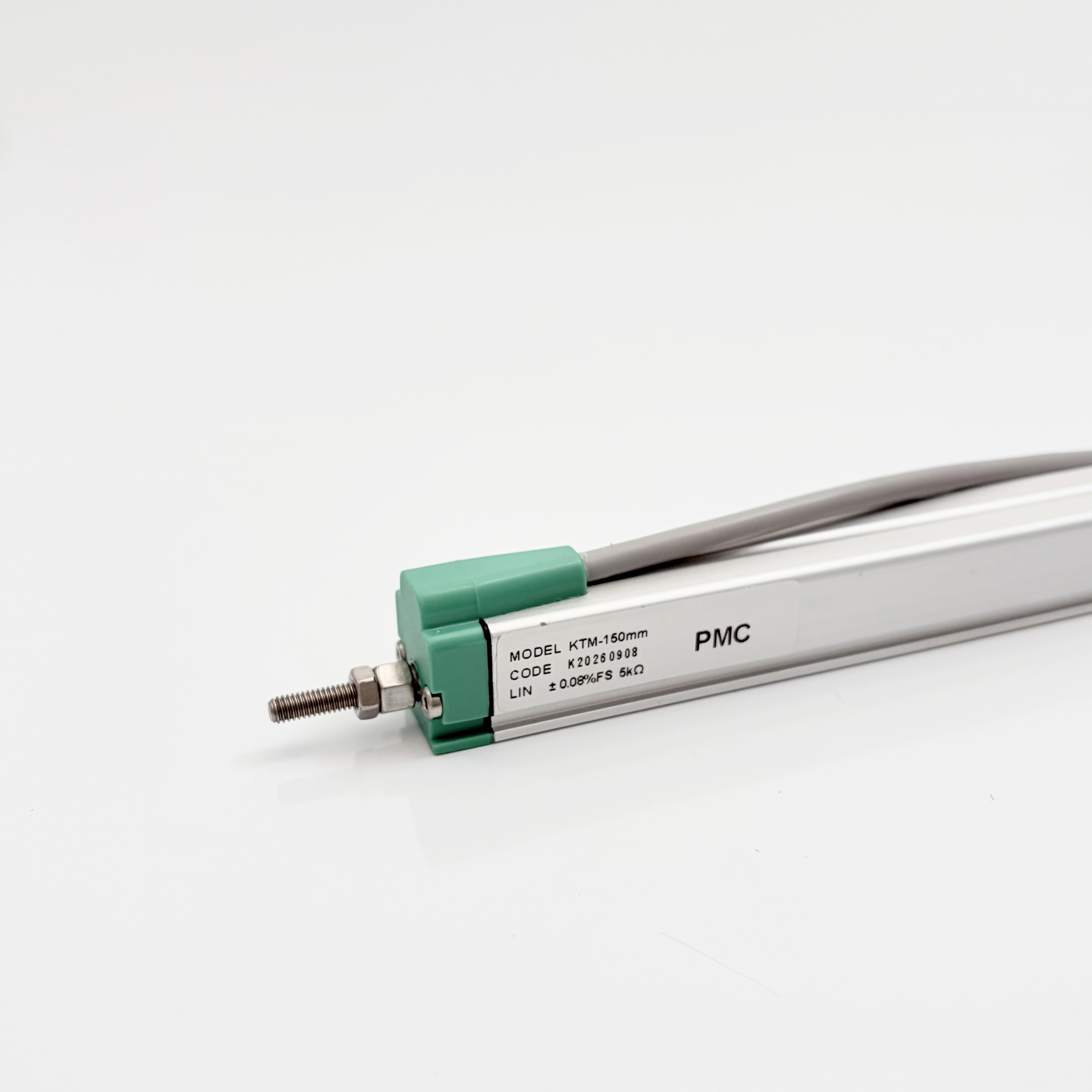
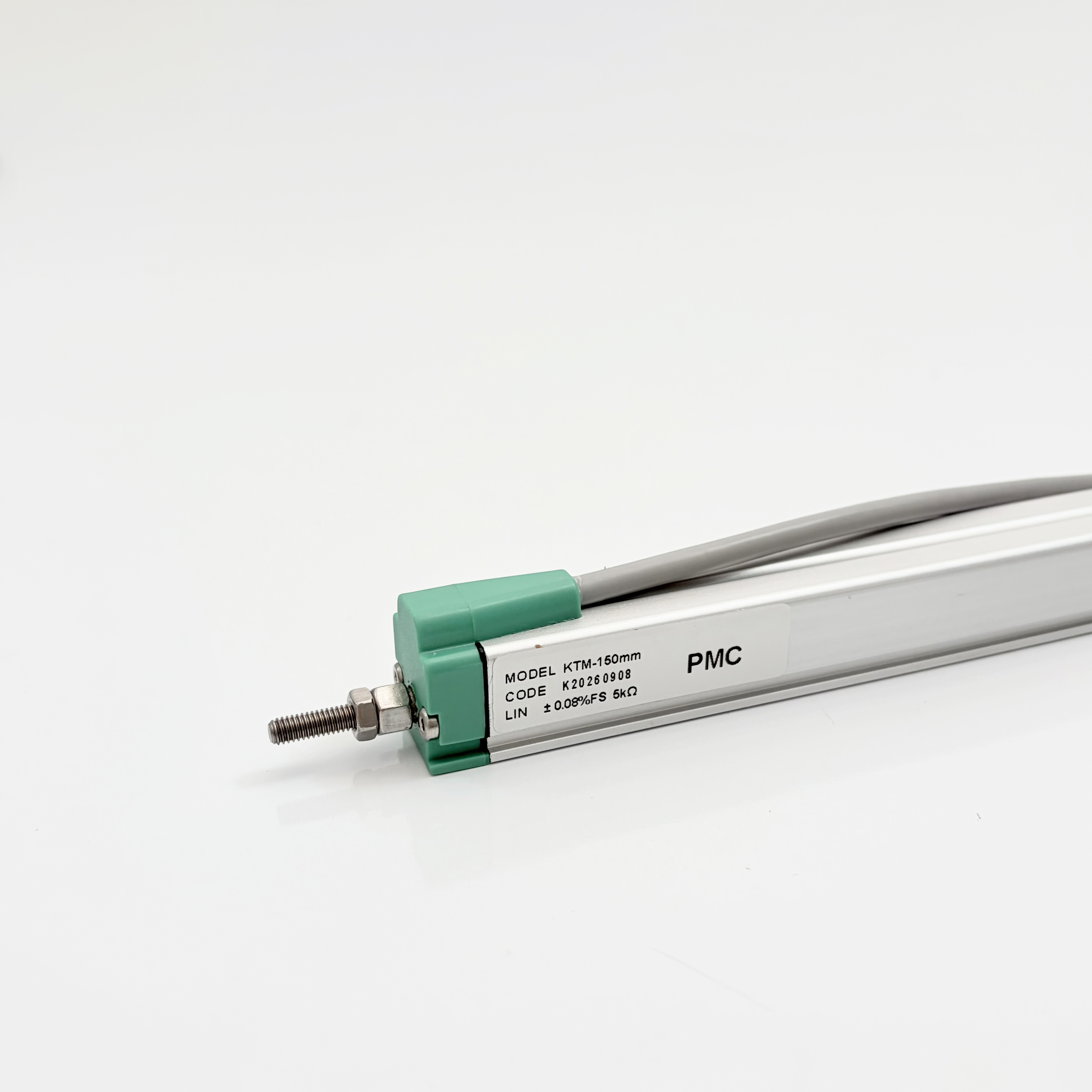
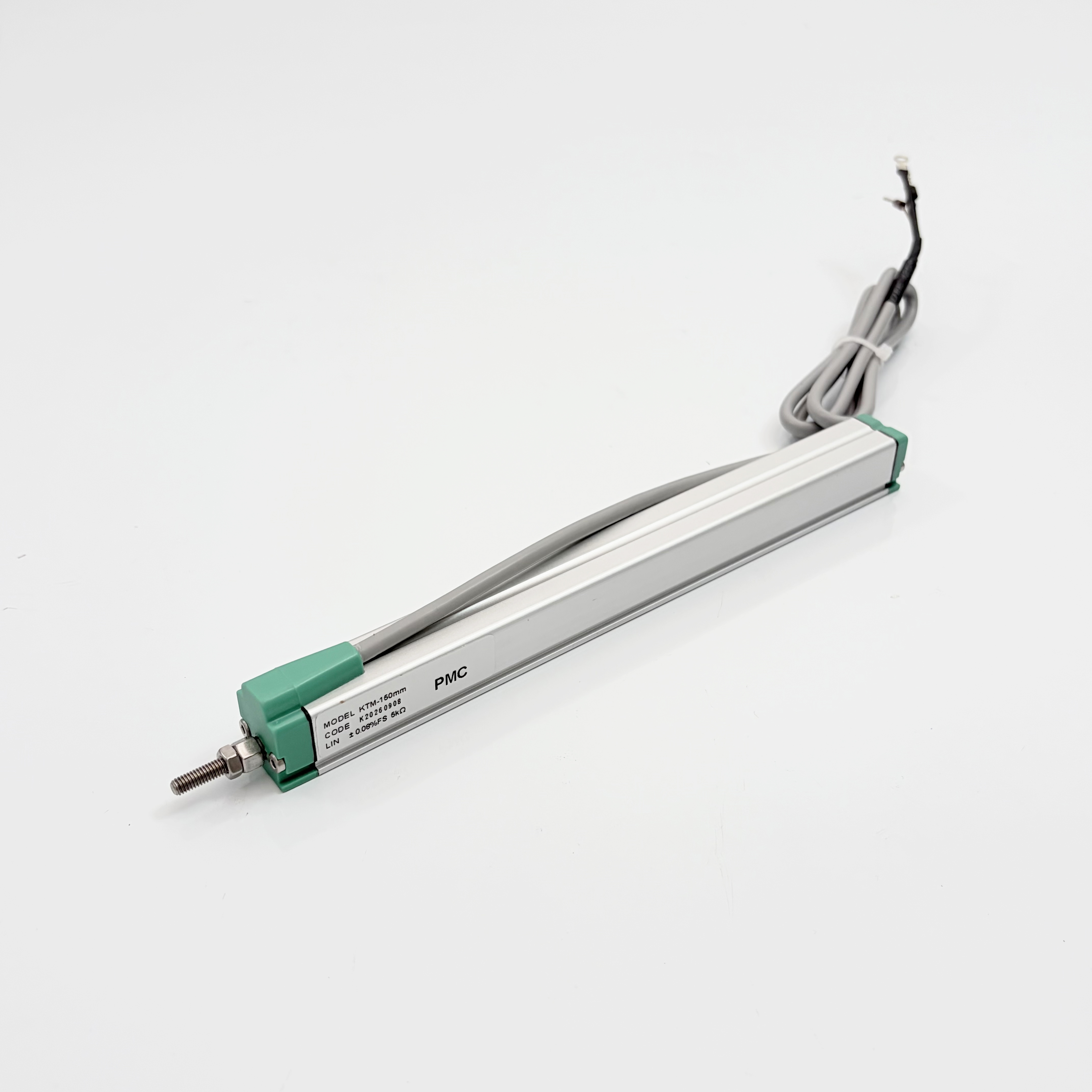
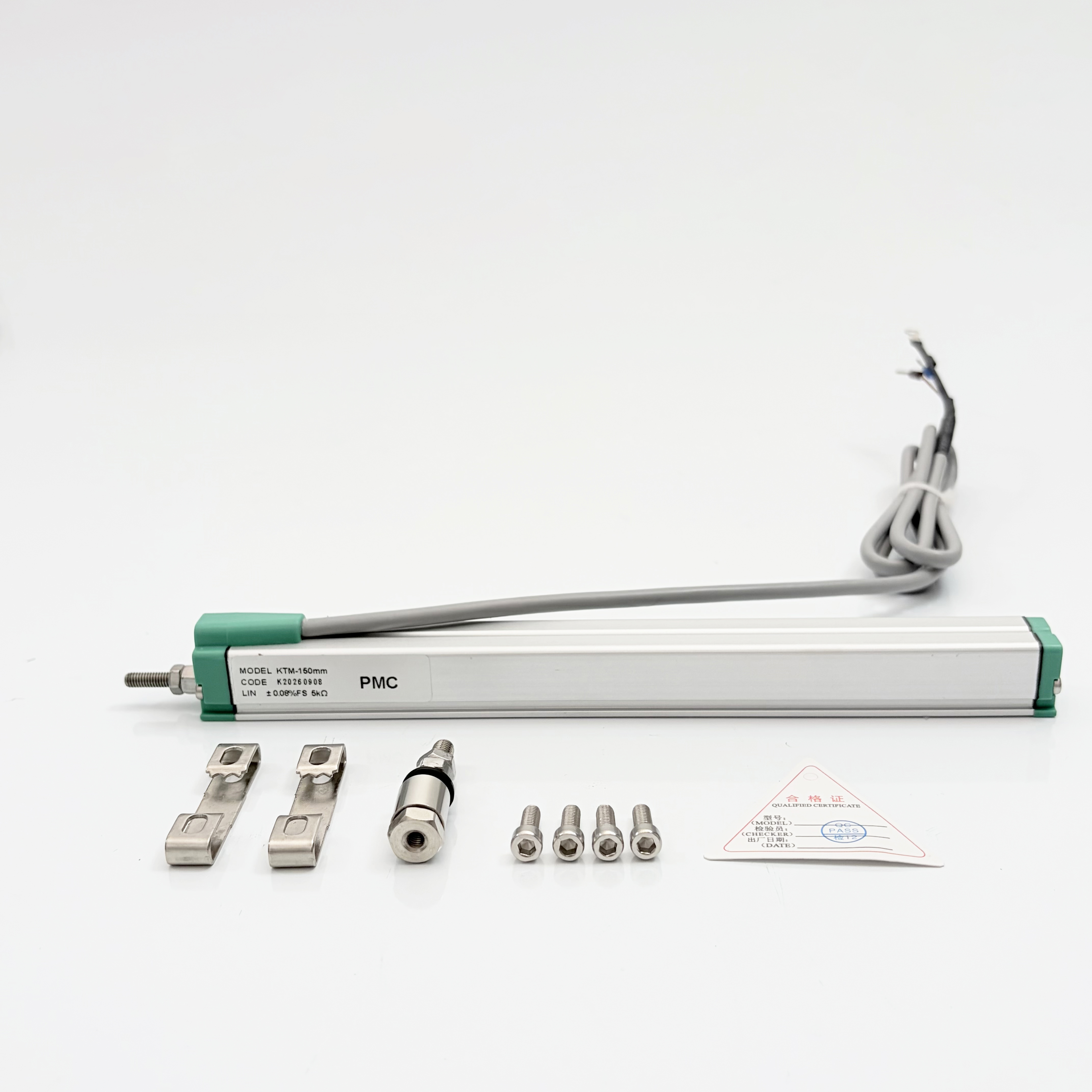
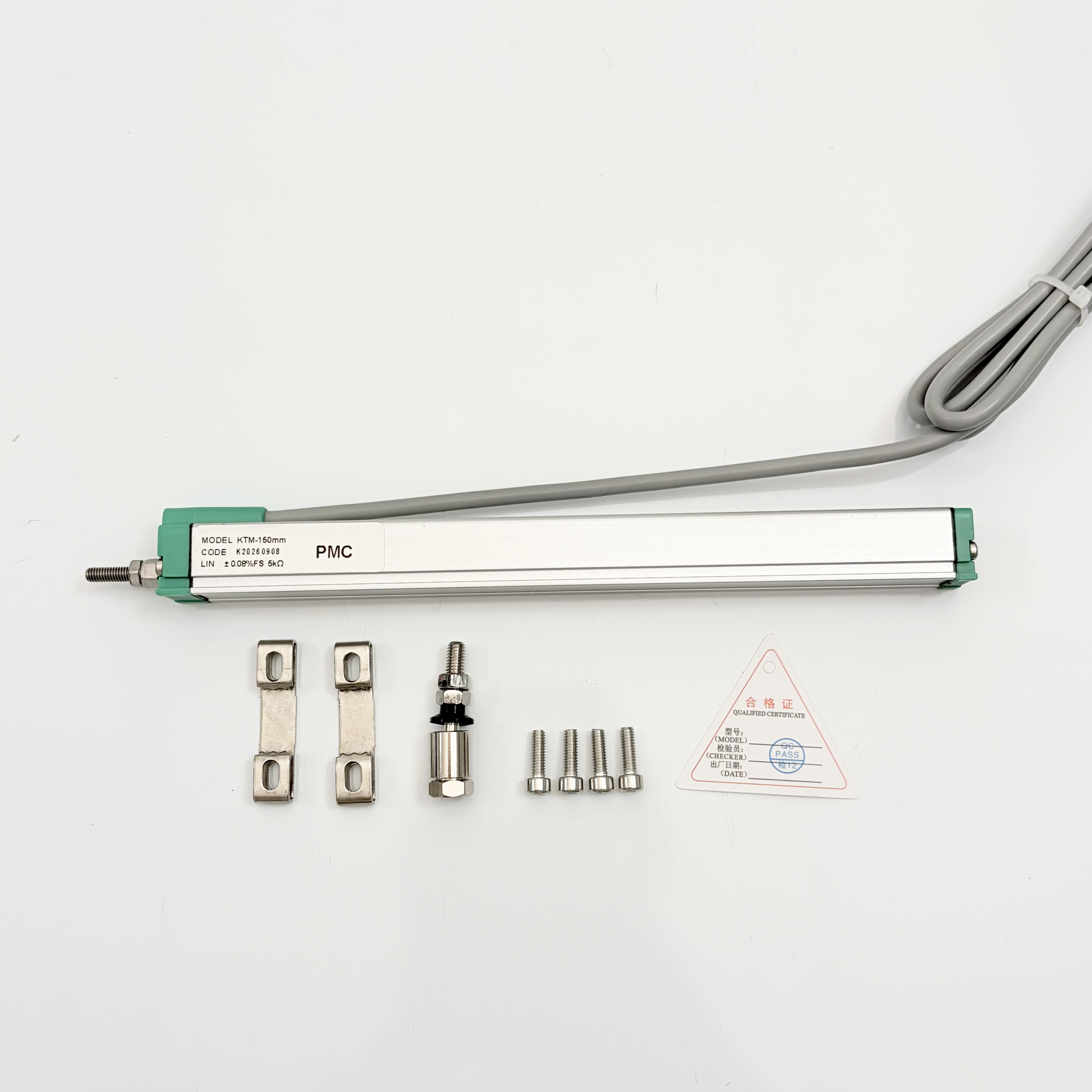
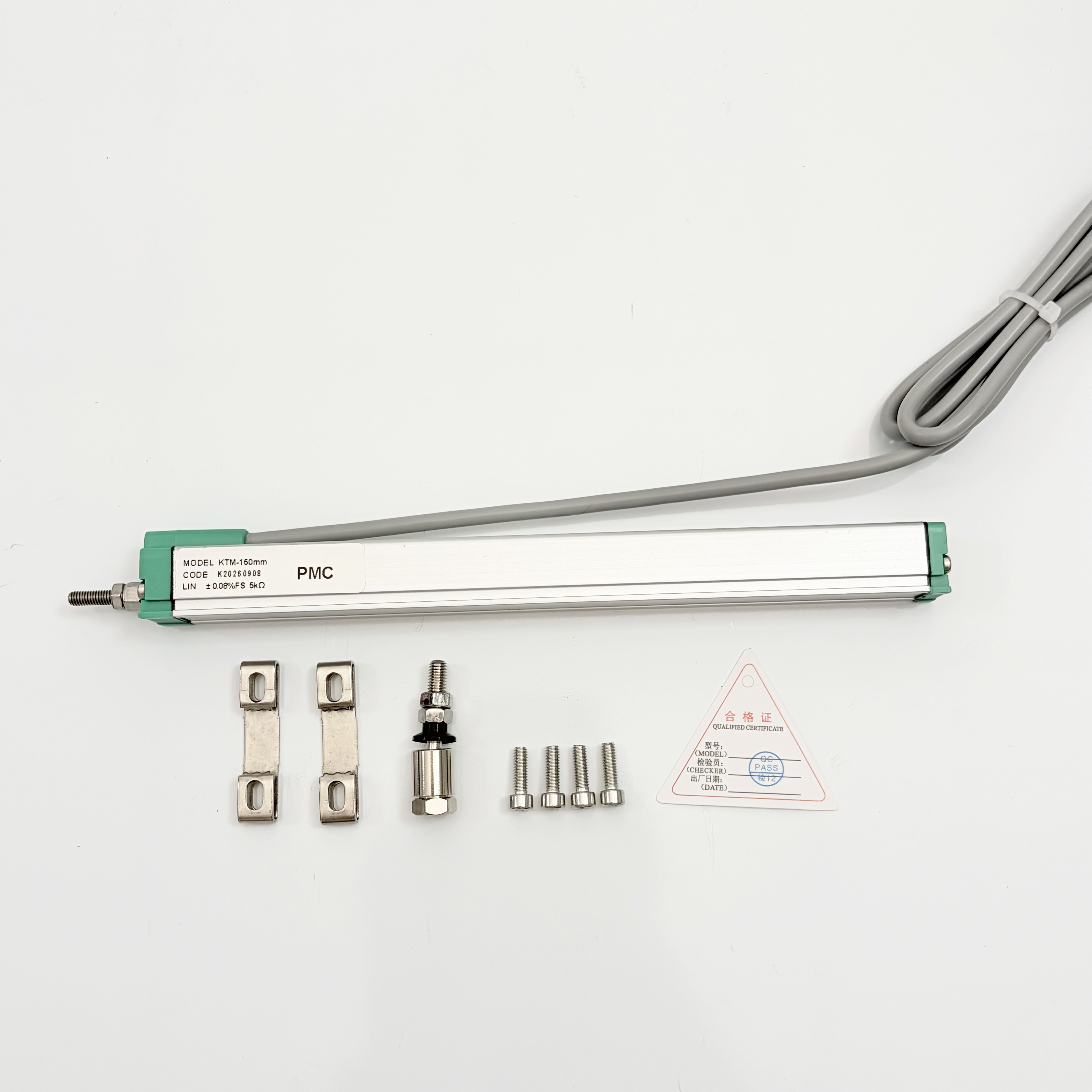
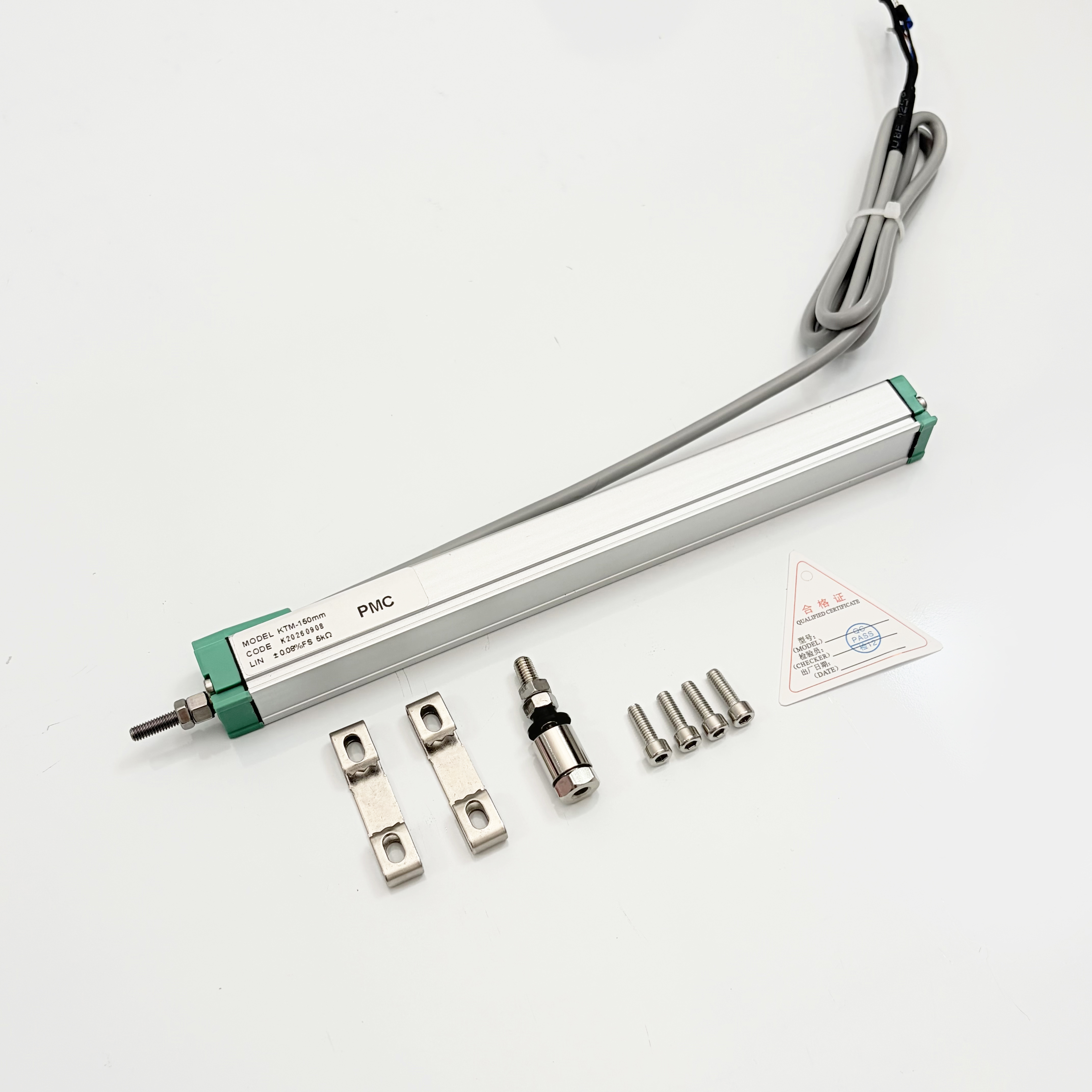
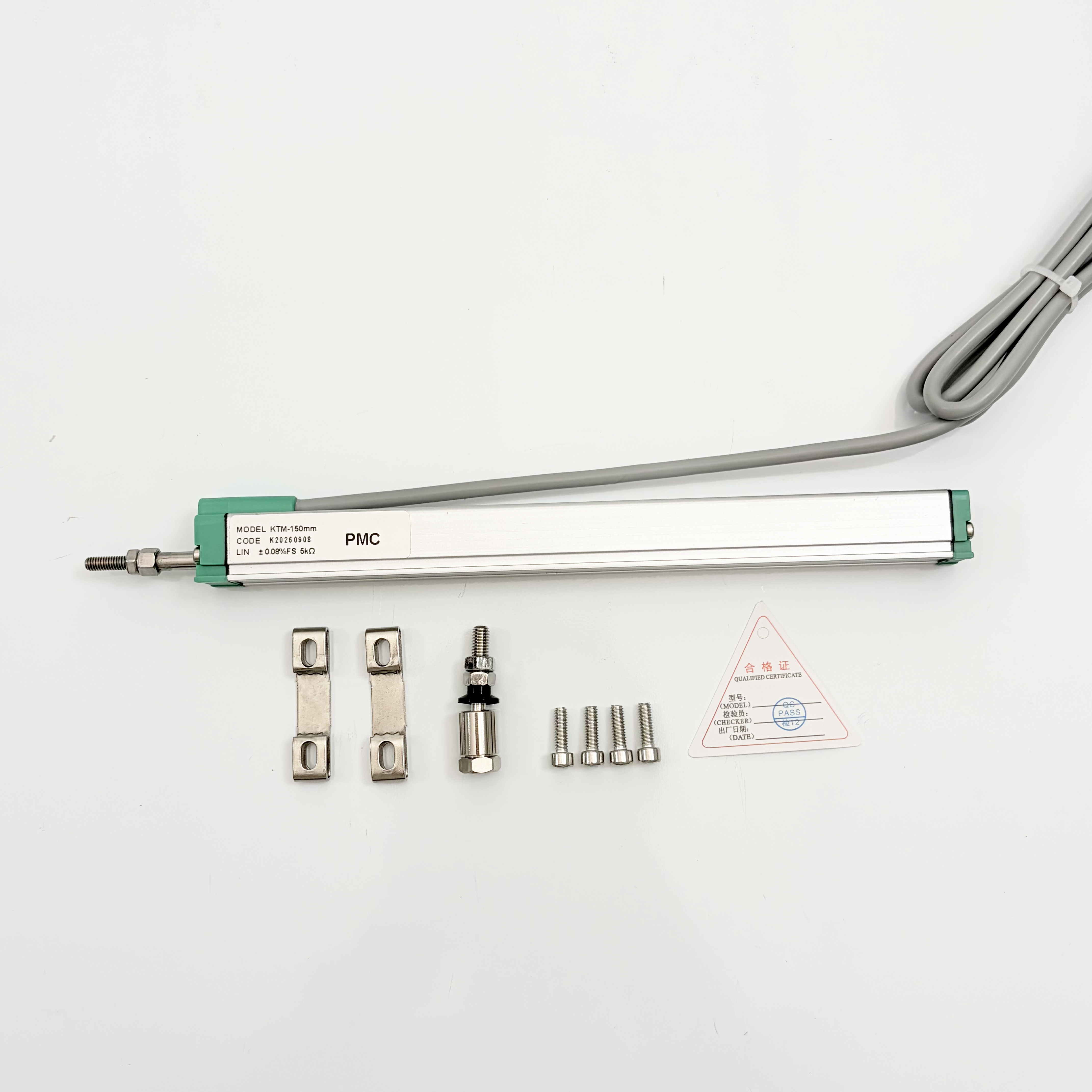
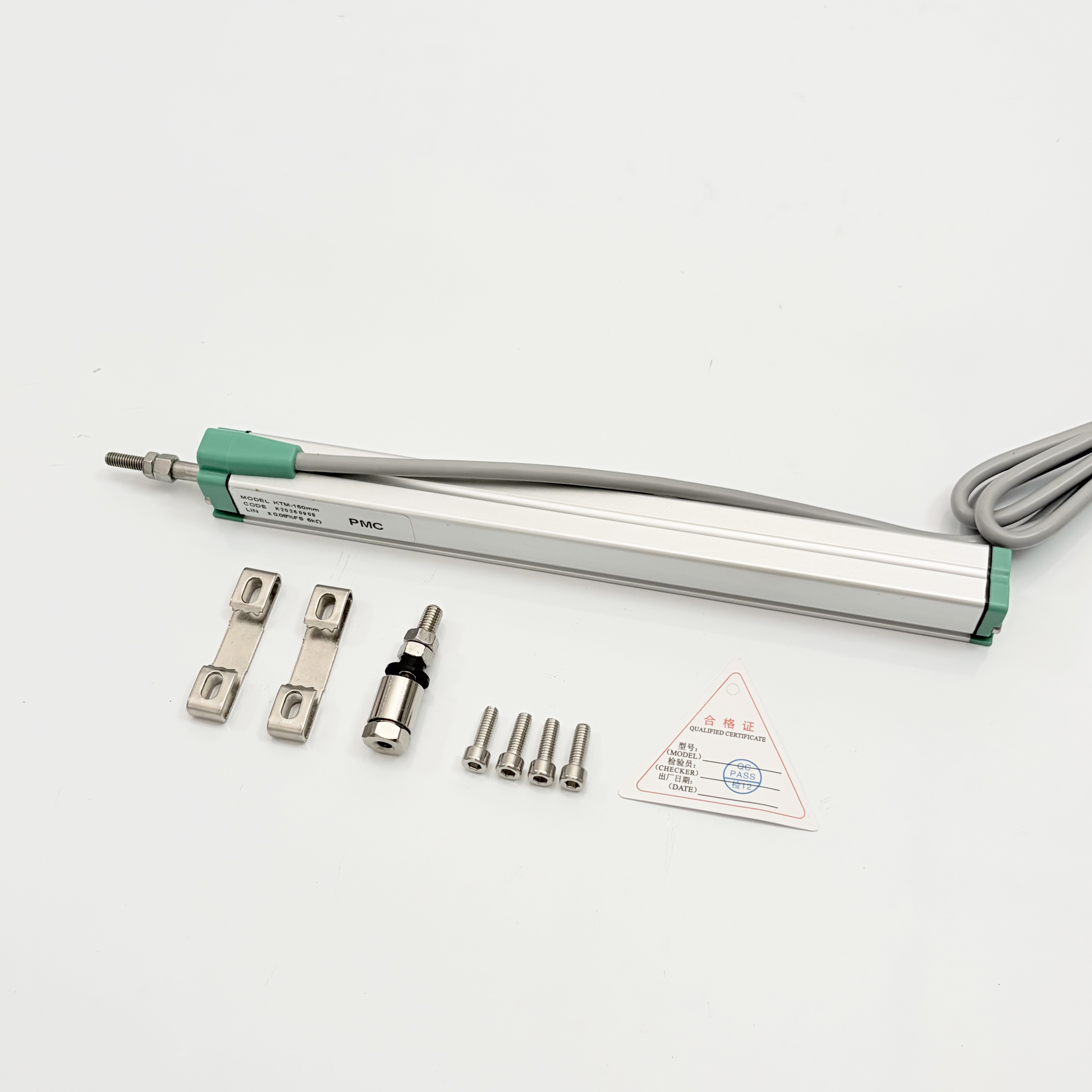
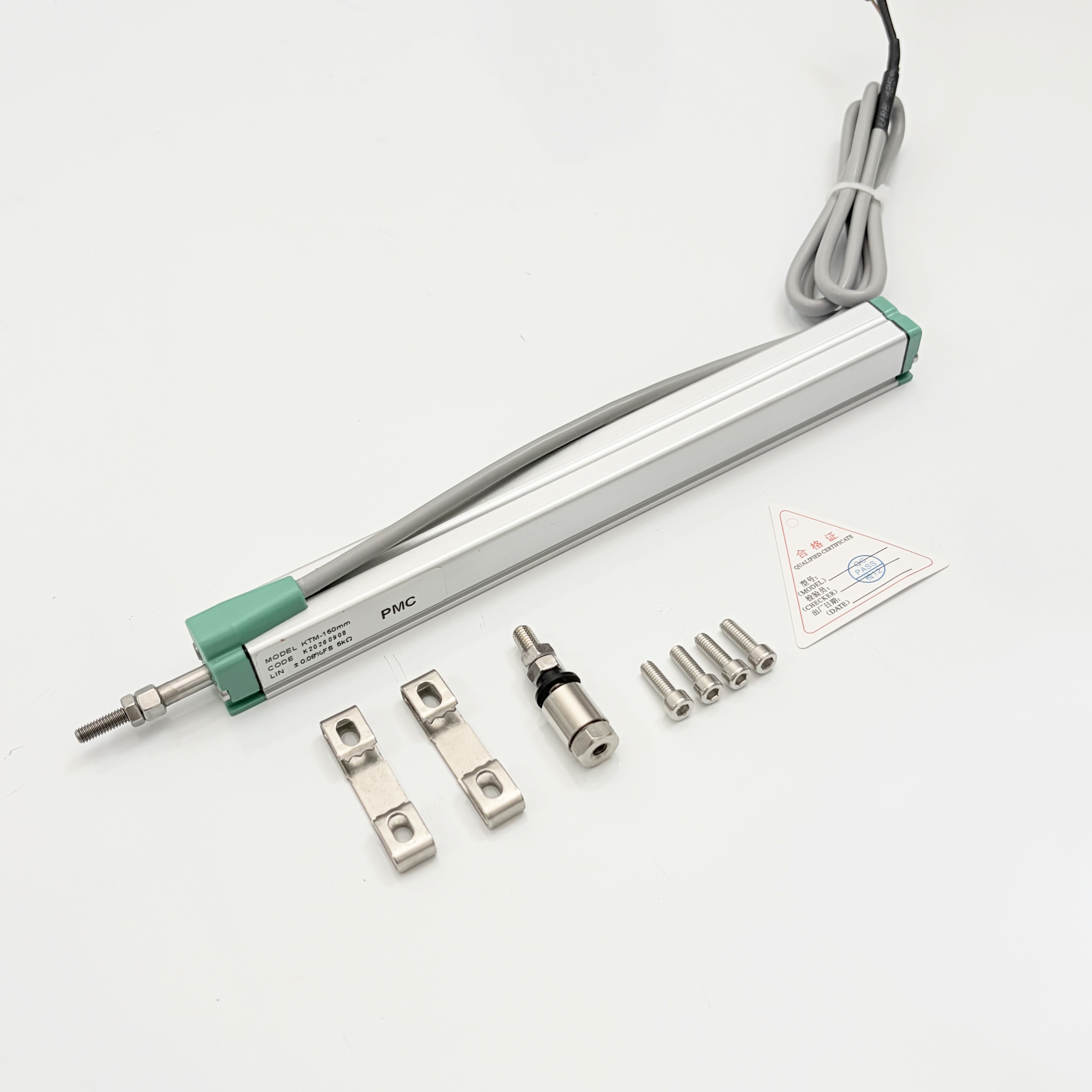
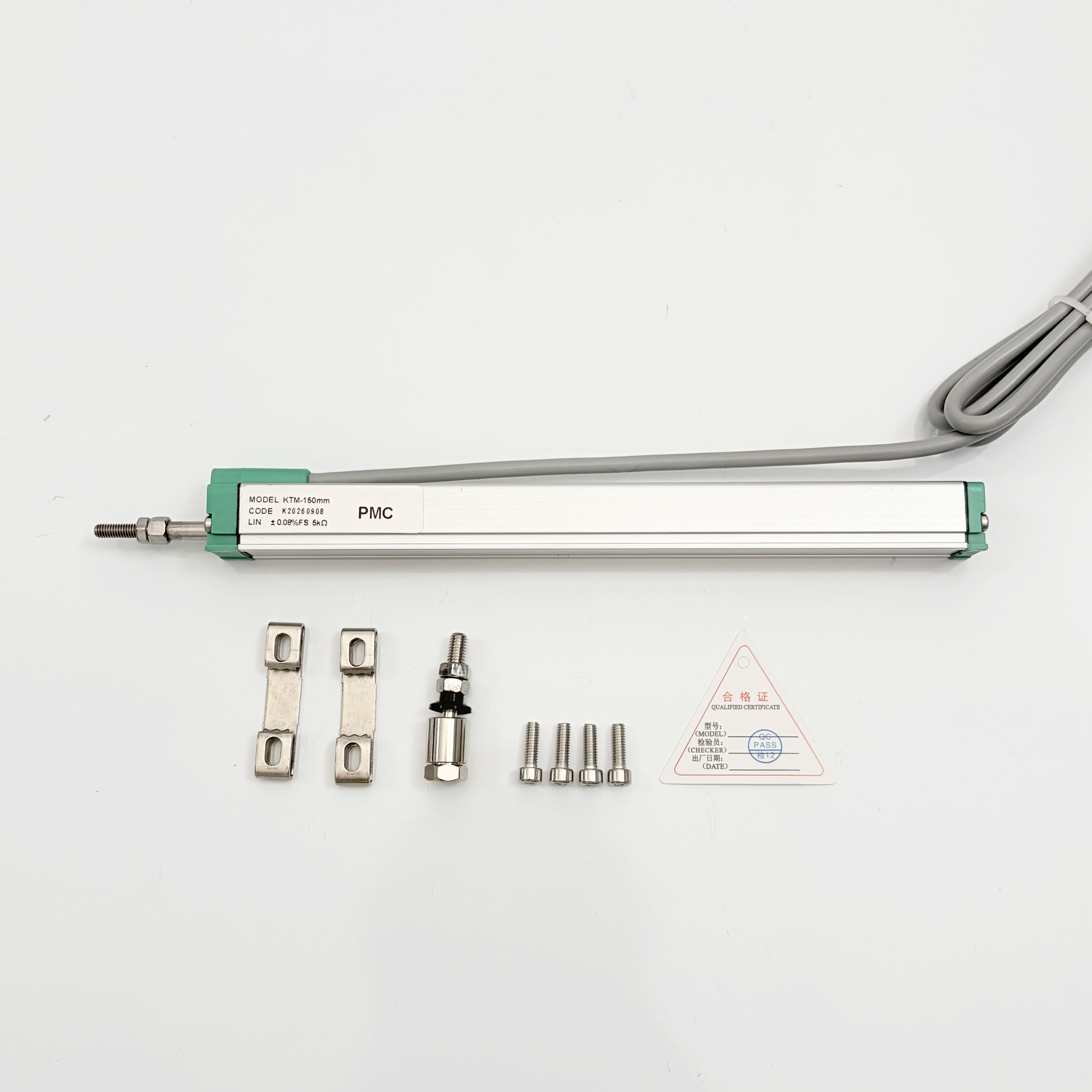
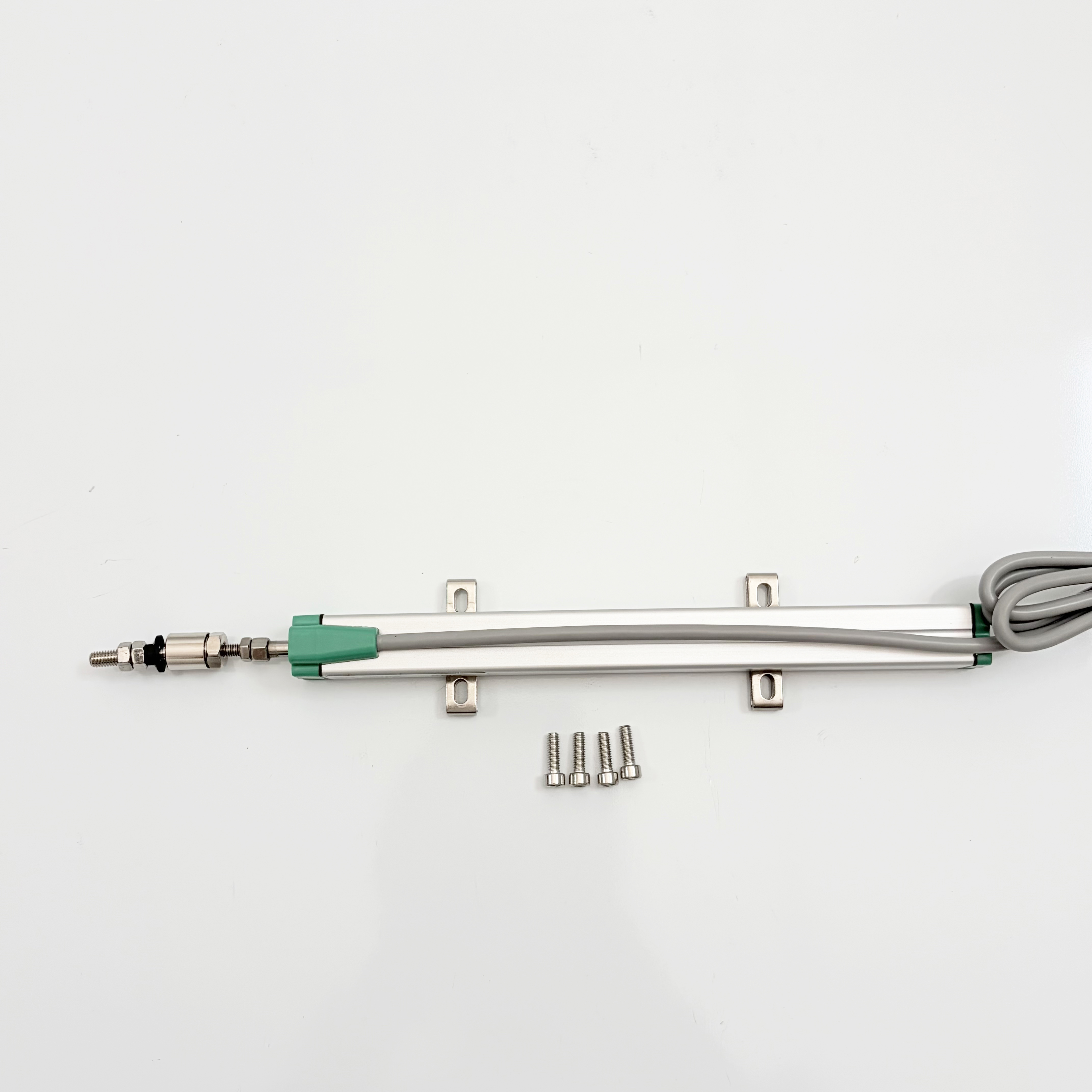
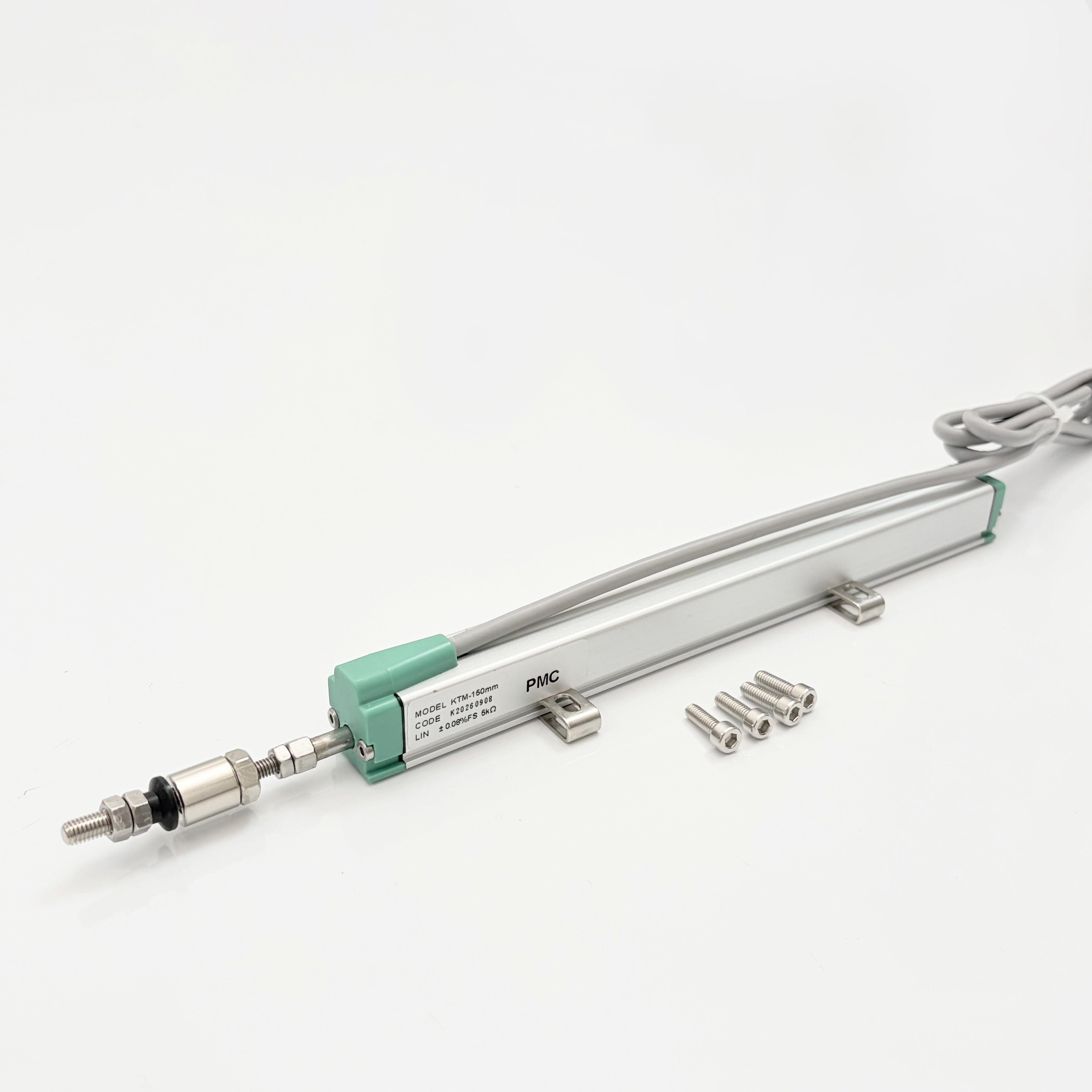
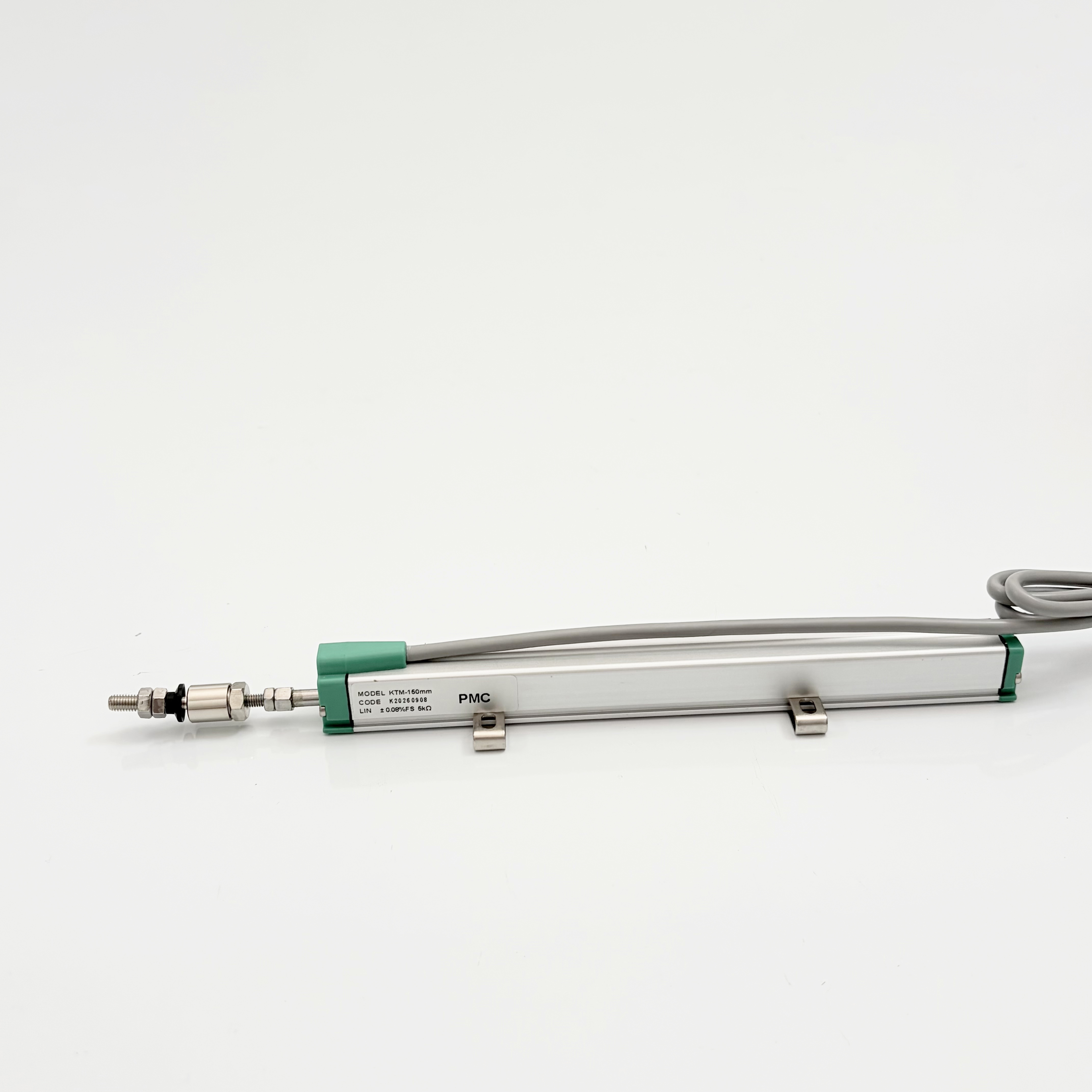
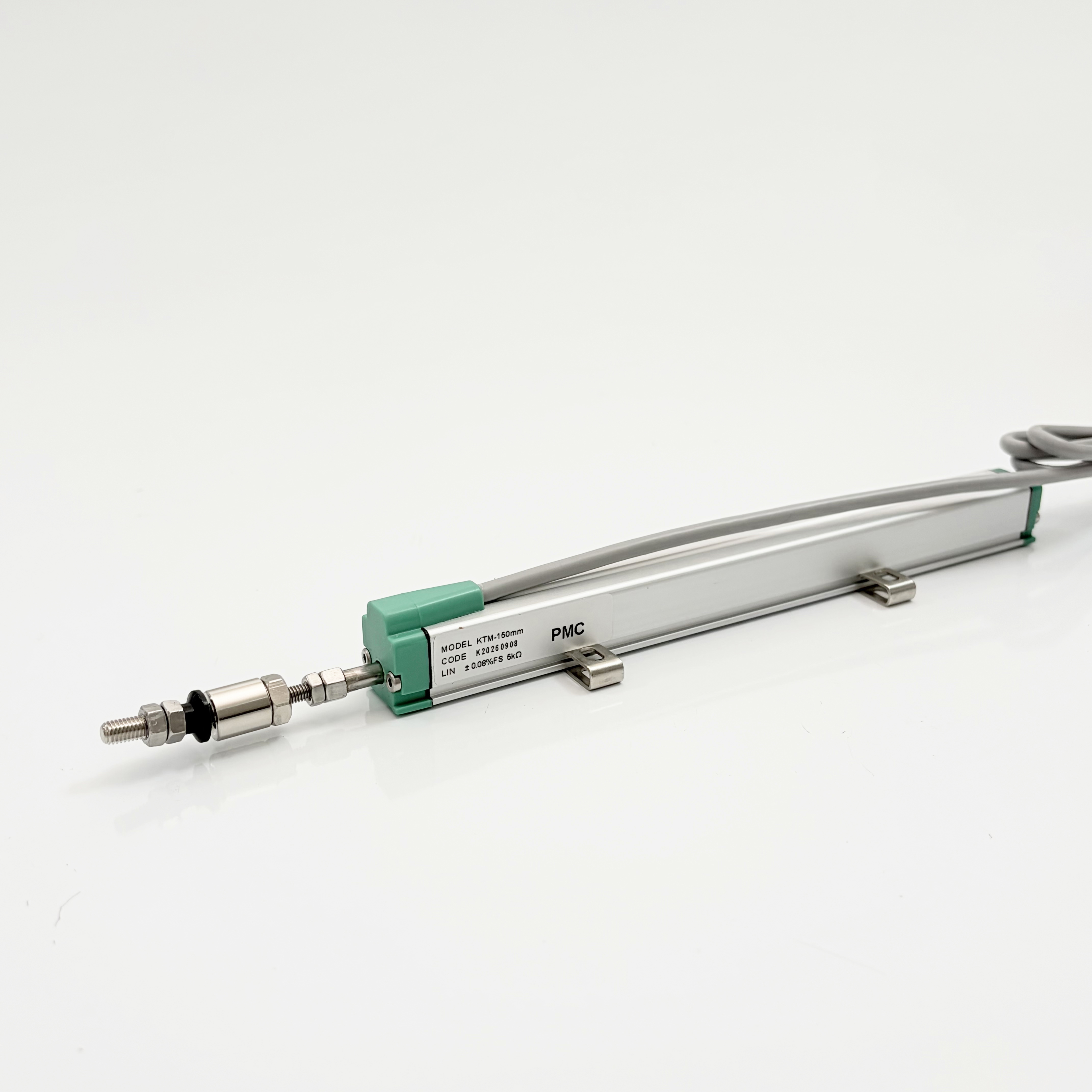
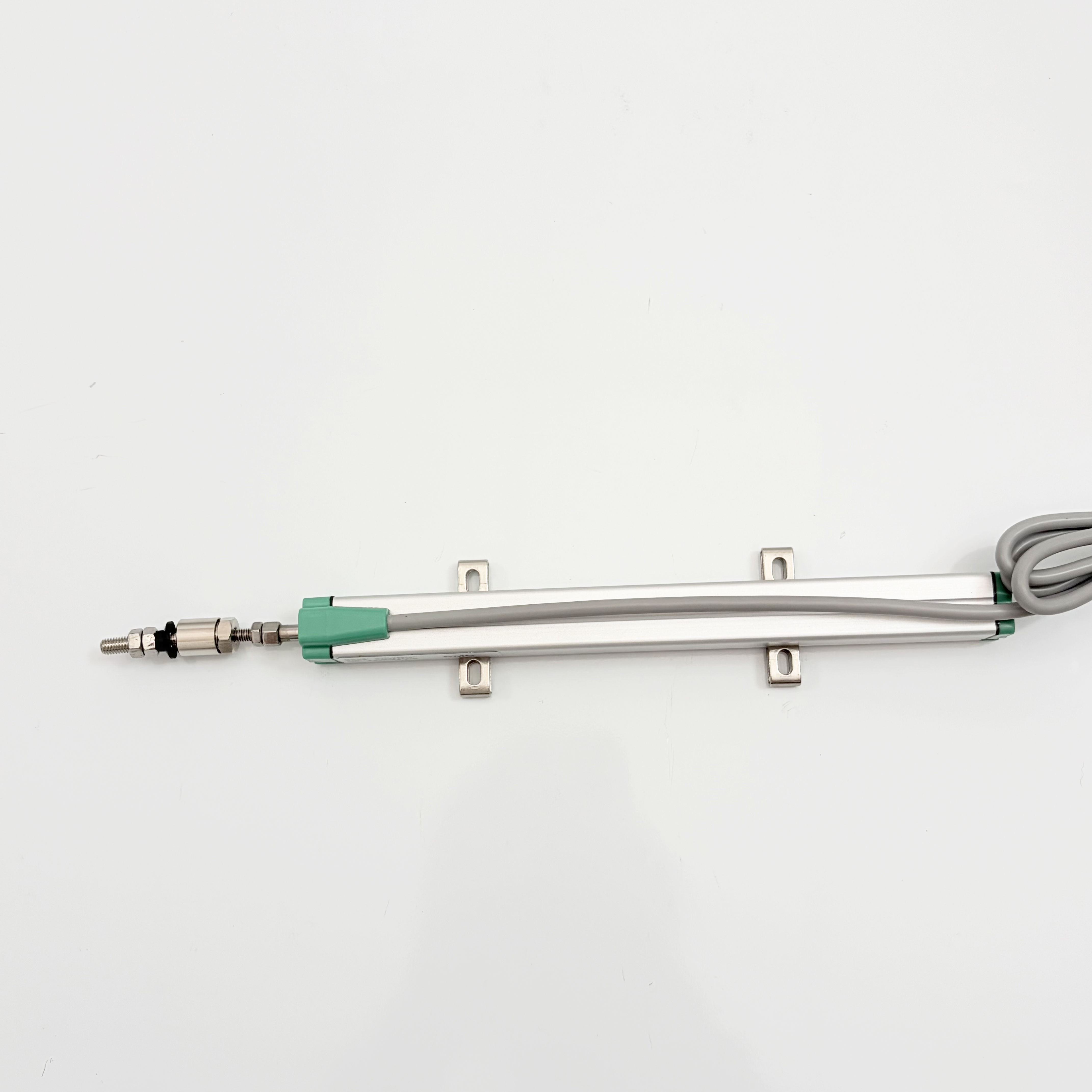
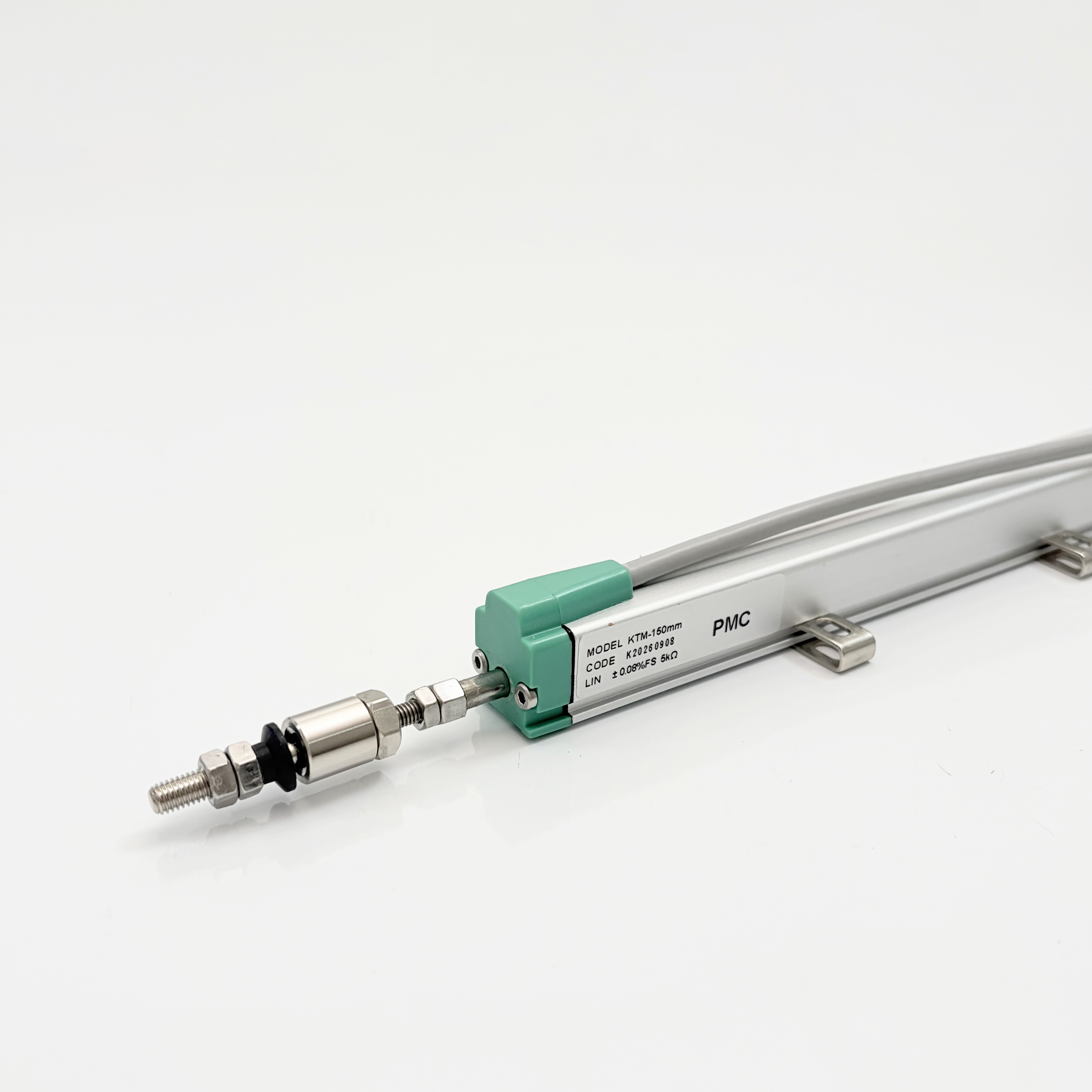
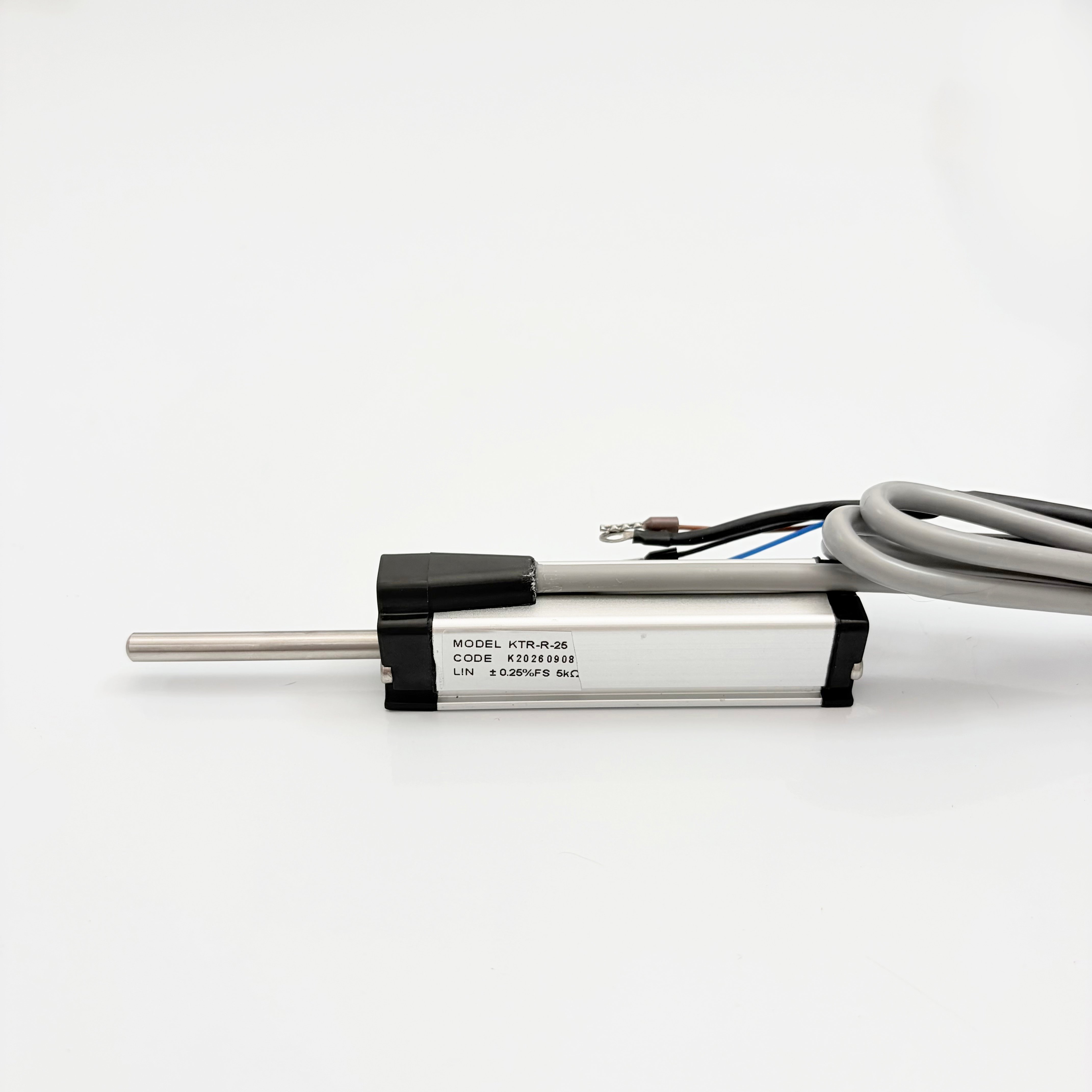
Place of Origin: Jiangxi,China
Brand Name: PMC
Model Number: PMC-KTM
Application: Automation
Minimum Order Quantity: 1 piece
Packaging Details: To be packed with small box.
Delivery Time: 3-5 working days after shipment by Express
Payment Terms: T/T
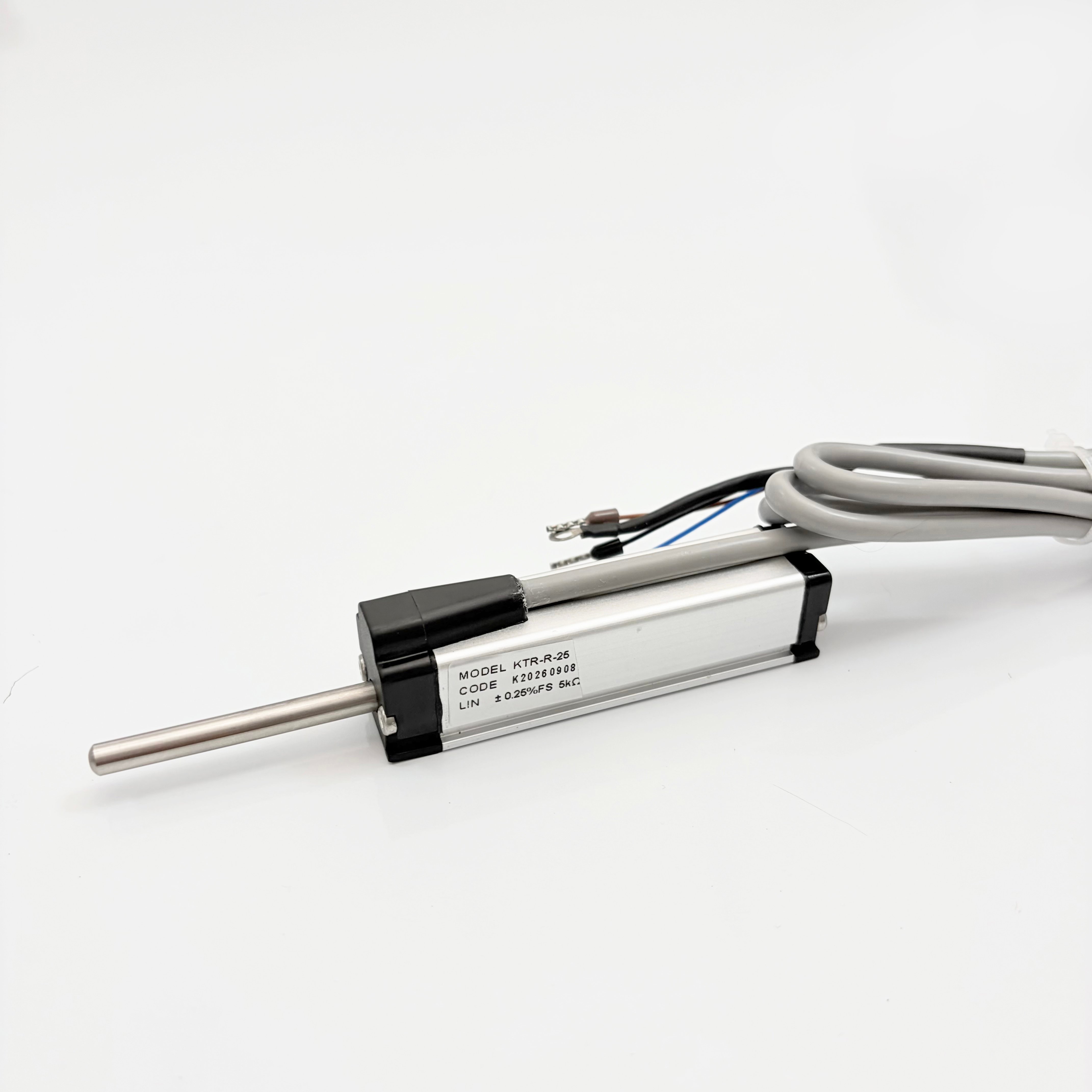
PST Professional Service Linear Position Sensor: Advanced Linear Transducer and Displacement Potentiometer for Aircraft Steering
PST introduces a Professional Service Linear Position Sensor optimized for demanding aerospace environments. Engineered as a linear transducer and displacement potentiometer tailored for aircraft steering systems, this product consolidates precision measurement, rugged design, and serviceability for modern aviation needs. As aircraft steering sensors continue to evolve, PST’s offering aligns with aviation transducer trends and displacement sensing innovations while addressing practical installation, calibration, and lifecycle support needs for airlines, OEMs, and MRO operations.
Product Overview and Purpose
The PST Professional Service Linear Position Sensor is a linear transducer displacement sensor potentiometer designed specifically for aircraft steering applications. It provides accurate, repeatable linear positional feedback across the rudder, nose wheel steering, and other steering linkages. Built to aerospace-grade standards, the sensor delivers reliable output for flight control and ground steering decision systems. Aircraft steering sensors are integrated to monitor and command steering actuators with responsive, low-latency feedback. PST’s displacement sensing innovations target the core needs of aviation systems: resolution, durability, EMI robustness, and simplified maintenance.
Key Features and Capabilities
- Precise Linear Displacement Measurement: The PST sensor operates as a high-resolution linear transducer and displacement potentiometer, delivering precise positional data across its stroke range. This precision supports fine steering adjustments and enables advanced control law implementations in aviation steering subsystems.
- Aerospace-Grade Robustness: Designed for the rigors of flight, PST’s sensor meets or exceeds environmental and mechanical requirements for aircraft steering sensors. It resists vibration, shock, temperature extremes, moisture, and contaminants commonly encountered in commercial and military aviation operations.
- Low Electrical Noise and EMI Immunity: As aviation transducer trends emphasize electromagnetic compatibility, PST’s unit incorporates shielding, filtered outputs, and grounding provisions to minimize interference with avionics. This is critical where aircraft steering sensors must coexist with navigation, communication, and flight control electronics.
- Redundant and Fail-Safe Options: To meet safety-critical system requirements, PST offers redundant sensing channels and fail-safe configurations suitable for certified flight-critical steering systems. These configurations help ensure continuity of feedback even in partial fault conditions.
- Wide Compatibility and Output Flexibility: The linear potentiometer outputs can be specified as analog voltage, current loop, or digital protocols to integrate seamlessly with legacy flight control units and modern fly-by-wire systems. Flexibility in interfacing is essential for diverse aircraft platforms and retrofit programs.
Applications in Aircraft Steering Systems
PST’s sensor is suitable for a spectrum of steering-related applications: nose wheel steering angle feedback, main landing gear steering, rudder actuation monitoring, and auxiliary steering & taxi-assist systems. Integrators will find the linear transducer and displacement potentiometer particularly valuable in retrofit projects where reliable analog positional feedback is required without wholesale redesign of control systems. In new aircraft designs, the PST sensor supports sophisticated steering control algorithms, providing the accuracy needed for automated taxiing and precision ground handling.
Innovation and Technical Advantages
PST’s displacement sensing innovations combine traditional potentiometric solutions with modern materials and signal conditioning. The resulting sensor yields consistent linearity and minimal hysteresis across wide temperature ranges. Compared to older designs, PST improves long-term drift performance, extending calibration intervals and reducing maintenance frequency. The product embodies aviation transducer trends by incorporating digital-ready outputs and enhanced diagnostic capabilities while retaining analog fallback modes preferred in many aircraft architectures.
Material science choices and mechanical design reduce wear on moving elements, prolonging operational life in repetitive steering cycles. Special contact materials and low-friction guides minimize mechanical degradation typical of potentiometric sensors. The transducer’s internal damping and mechanical stops reduce shock transmission into sensitive components, preserving sensor integrity during hard landings or ground incidents.
System Integration and Compliance
PST provides comprehensive integration support, including interface specifications, mounting kits, and wiring harness options. The sensor is engineered to comply with relevant aerospace standards for environmental testing and electromagnetic compatibility. For systems requiring certification, PST offers documentation and test data to support qualification efforts. This alignment with aviation transducer trends eases certification pathways and supports OEM and MRO requirements for approved components.
Maintenance, Lifecycle, and Service Programs
Understanding operational realities, PST packages the sensor with professional service plans to minimize aircraft downtime. These programs include scheduled inspections, recalibration services, on-site technical assistance, and rapid-replacement strategies. The emphasis on serviceability reduces total cost of ownership and reflects PST’s commitment to supporting aircraft steering sensors throughout the product lifecycle. Predictive maintenance enabled by embedded diagnostics feeds into modern maintenance management systems, improving fleet readiness and reducing unexpected groundings.
Competitive Differentiation
PST differentiates through a combination of proven potentiometric technology and forward-looking enhancements aligned with displacement sensing innovations. Where many suppliers focus solely on digital transducers, PST balances tried-and-true analog reliability with digital adaptability. This hybrid approach caters to a broad market: operators maintaining proven analog systems and those transitioning to digital avionics. The professional service model and aviation-focused engineering deliver a compelling solution for customers prioritizing uptime, traceability, and long-term support.
Use Cases and Scenario Examples
- Retrofit of legacy nose wheel steering: Replace aging sensors with PST’s linear transducer to restore accuracy and reliability while retaining existing control hardware.
- Fly-by-wire steering augmentation: Integrate PST sensors as primary or redundant position sources in advanced steering control laws, benefiting automated taxi and precision maneuvering.
- MRO inventory optimization: Standardize PST sensors across multiple airframe types to simplify spares management and reduce training complexity.
Conclusion
PST’s Professional Service Linear Position Sensor delivers a purpose-built linear transducer and displacement potentiometer solution for aircraft steering. Combining precise measurement, rugged aerospace design, EMI resilience, and a service-oriented lifecycle approach, PST addresses contemporary aviation transducer trends and displacement sensing innovations head-on. Whether for retrofit projects or new installations, PST supports safe, efficient, and maintainable steering systems with proven technology and modern interfaces. Aircraft operators and integrators seeking reliable aircraft steering sensors will find PST’s offering a balanced, future-facing choice that supports current operational demands while preparing for next-generation avionics integration.
| Stroke length | 25 to 300mm |
| Displacement speed | <5m /s |
| Resistance tolerance | ± % 20 |
| Non-linearity | 0.05%F.S. |
| IP Grade | IP65 Waterproof |
| Power supply | 5 ~ 30V DC |
| Creep(30min) | 0.3%F.S. |
| Resolution | Infinite |
| Displacement speed | <5m /s |
| Material | Aluminum Alloy |
| Output | 0-5K, 4-20mA, 0-5V |
| Operating Temp Range | -20-40℃ |
| Safe overload | 150% |
| Maximum Overload | 300% |
| Operating temperature | -40℃/+80℃ |
| Repeated | <0. 01mm |
This linear sensor is suitable for aircraft steering, ship steering, woodworking machines, hydraulic machines, shoe-making machines, printing machines, paper packaging machines and injection molding machines.
1. Who are we?
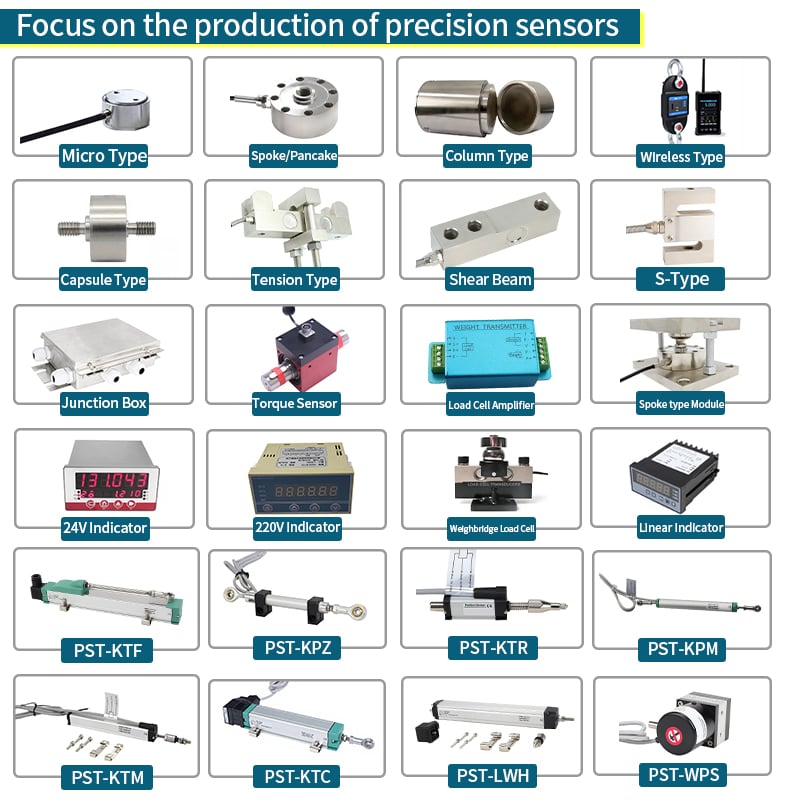
PST sensor is the original load cell and linear sensor factory since 2018, and also provide the pressure transmitter, encoder.
2. How can we guarantee quality?
Always test the raw material one by one before produce(Not a random checking ) Always final Inspection before shipment Always provide long to 18month quality guarantee
3.what can you buy from us?
Linear sensor,load cell,pressure sensor,encoder
4. why should you buy from us not from other suppliers?
PST is original sensors factory. We have the ability for independent research and development. Our engineer team are working over than 10years about the sensors, and sales team focused on the foreign trade over ten years. Trust our experience can give you more help.
5. what services can we provide?
1. Material customized(Stainless Steel, Aluminum Alloy)
2. Customized your label
3. OEM/ODM the sensors
Place of Origin: Jiangxi,China
Brand Name: PMC
Model Number: PMC-KTM
Application: Automation
Minimum Order Quantity: 1 piece
Packaging Details: To be packed with small box.
Delivery Time: 3-5 working days after shipment by Express
Payment Terms: T/T
This is a title description that can briefly introduce the module.
We provide comprehensive technical support throughout the entire process, from product selection and installation guidance to calibration, maintenance, and after-sales service, ensuring reliable performance and long-term operation of your weighing systems.

Our engineers help you choose the right load cell based on application requirements, capacity, accuracy, and operating conditions.

Technical assistance for installation, wiring, and system integration to ensure smooth operation.

Professional calibration and testing services to verify accuracy, reliability, and measurement performance.

Continuous technical support, troubleshooting, and maintenance services to maximize product lifetime.