Sourcing 300kg Load Cells for Optimal Performance

application/load-cell-300kg, application/load-cell-300kg, 
Inquiry
Inquiry

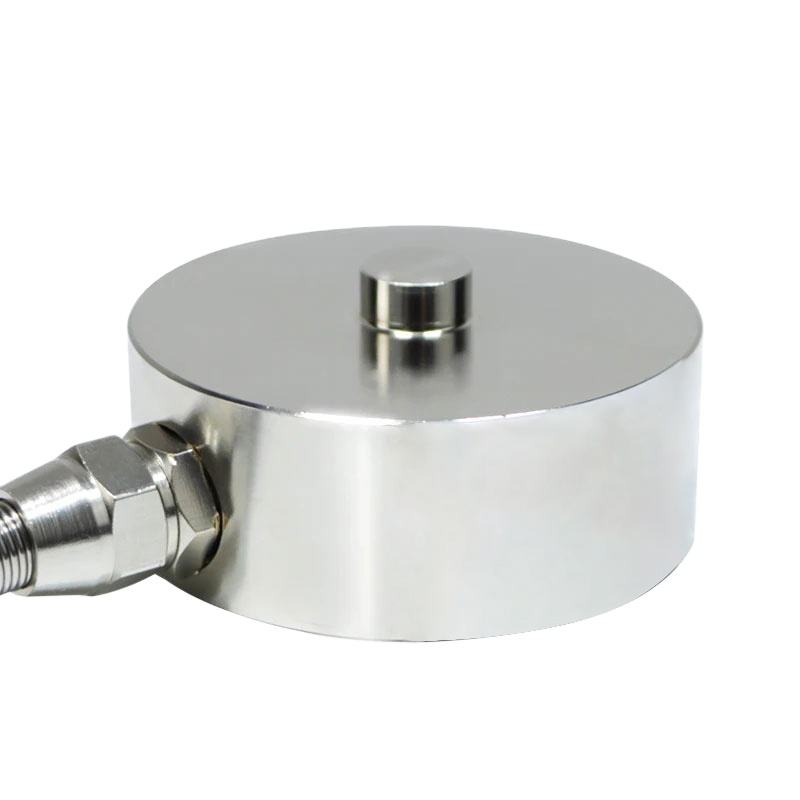
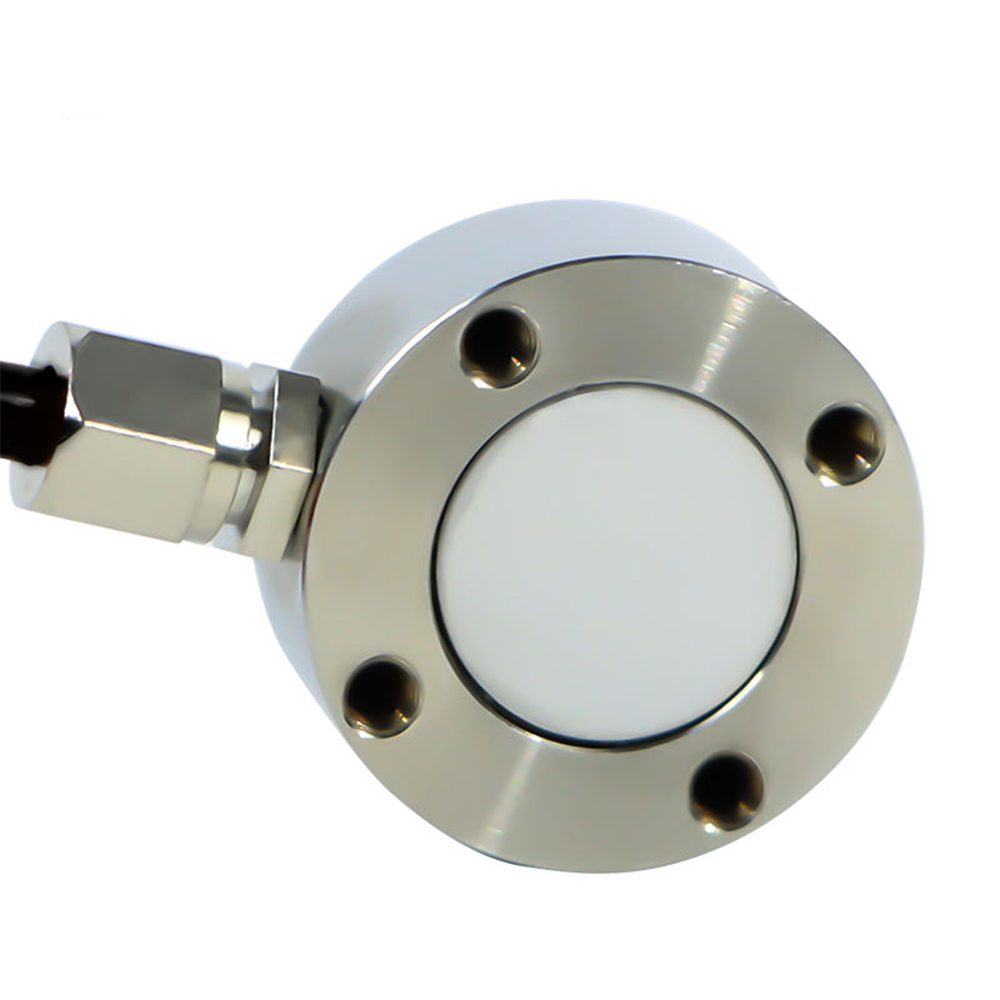
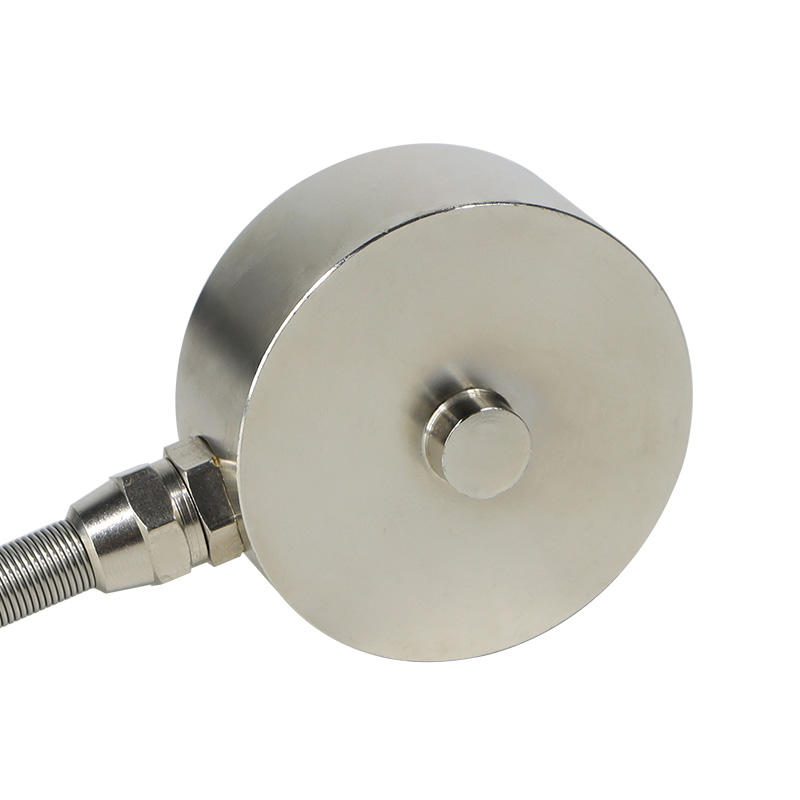
load cell 300kg

Load cells  are essential  components in various industries,  serving as sensors that convert force or weight into an electrical signal.  The  load  cell 300kg is  particularly popular in applications requiring high  precision and reliability, such as in lifting, weighing,  and automation processes. For  purchasing managers  and engineers, understanding the intricacies of load  cells, particularly  the 300kg variant,  is  crucial for ensuring optimal performance  and  meeting application requirements. , we will  explore essential  sourcing tips, specifications to consider, cost factors,  best practices, and common issues surrounding 300kg load cells.

What to Look for in 300kg Load Cells

What to Look for in 300kg Load Cells

When evaluating 300kg load cells, several specifications  are critical:

Accuracy: Ensure  that the load cell offers high precision, typically within ±0.02% of the  full scale. This  level of accuracy is  essential for applications where precise measurements  are crucial.

Material: The construction material affects durability and environmental  resistance. Common  materials include aluminum for lightweight applications or stainless steel  for corrosive environments.

Output Signal: Determine whether the load cell provides an analog or digital output. Digital output can offer better noise immunity and  easier integration with automated systems.

Environmental Protection: Check the IP rating of the load cell. An IP67 rating, for instance, indicates dust-tight  and water-resistant  properties, suitable for harsh  environments.

Mounting Options: Ensure that the  load cell's  design fits  your application requirements regarding space and installation type.

Temperature  Range: Confirm  that the operating temperature  range aligns with your application's needs,  as extreme temperatures can affect performance.

Cost Factors to Consider When Purchasing 300kg Load Cells in Bulk

Cost Factors to Consider When Purchasing 300kg Load Cells in Bulk

Several cost factors come into play when purchasing 300kg load cells in bulk:

Volume Discounts: Larger orders  often qualify for reduced pricing. Be sure to discuss  potential discounts  with  suppliers based on your order quantities.

Customization  Costs: If you require specific customization—such as unique dimensions, output configurations, or materials—factor in  the additional costs associated  with these adjustments.

Shipping and Handling:  Consider the shipping costs  based  on delivery location and the weight of the units. Bulk orders may also have different handling fees.


Quality Assurance: Higher  quality load cells may come at a premium, but investing in reliable products can reduce long-term  costs associated with  replacements and downtime.

Warranty and Support: Evaluate the warranty terms  provided  by the manufacturer. A  longer warranty might indicate higher confidence in the product's durability  and performance, potentially  saving costs on future  repairs or replacements.

Best Practices Explained

Best Practices Explained

To ensure  optimal performance from 300kg load cells,  consider the following best practices:

Proper Installation: Follow the manufacturer's guidelines for installation  to avoid issues related to misalignment or incorrect loading. Ensure that the  load cell is securely  mounted and that the load is applied uniformly.

Regular  Calibration: Regular calibration is essential for maintaining accuracy. Schedule  periodic checks to ensure that the load cell is  functioning  correctly and providing reliable data.

Environmental Considerations: Protect load  cells from environmental factors such  as moisture, dust,  and  extreme temperatures. Using  protective enclosures can  enhance  durability and prolong the sensor's life.

Use of Signal Conditioning: Implement signal  conditioning techniques to  enhance the load cell's  output signal. This can include filtering noise or amplifying the signal for better accuracy.

User Training: Ensure that operators are trained in the correct use of load cells and understand  how to interpret the data accurately, which can prevent operational errors.

Common Problems with Load Cells and Solutions for 300kg Models

Despite their reliability, 300kg  load  cells can encounter issues. Here are some common problems and their solutions:

Drift in Readings:  This can occur due to temperature fluctuations or mechanical stress.  Solution: Regular calibration and using temperature compensation techniques can help maintain  accurate readings.


Mechanical Damage:  Load cells are susceptible to damage from overload  or impacts.  Solution: Implementing overload  protection measures and ensuring proper loading techniques can minimize risks.

Electrical  Interference: Noise from nearby electrical equipment can affect performance.  Solution: Use shielded cables and ensure proper grounding to mitigate interference.

Corrosion: In environments with high humidity  or exposure to chemicals, corrosion can be a concern. Solution: Choose  load cells made from  corrosion-resistant materials or apply protective coatings.

Inconsistent Performance: Variations in output can stem from improper installation or  environmental factors. Solution: Ensure that  installation protocols are followed meticulously and consider environmental controls to  stabilize conditions.

By  understanding these key aspects of load cell 300kg units, purchasing  managers and distributors can make informed decisions that optimize performance, reliability, and cost-effectiveness in their applications.

Sourcing Tips for Distributors

When sourcing  load cell 300kg units, distributors  should prioritize finding manufacturers  with a proven track  record in quality  and reliability. Look for companies  that offer CE and RoHS certifications, as these indicate compliance  with safety and environmental standards. Additionally,  consider manufacturers that  provide OEM/ODM solutions, as this flexibility can cater  to  specific project requirements.

It’s also advisable to  request  samples before placing bulk orders.  This allows  you to evaluate the product's performance under  actual operating conditions, ensuring it meets your specifications. Lastly, assess  the  manufacturer's production capabilities and lead times, as these factors can significantly impact your supply  chain  efficiency.

Frequently Asked Questions

What is the rated capacity of this load cell?

The load cell has a rated capacity of 300 kg, designed for high-precision force measurement in lifting, weighing, and automation applications.
This 300 kg load cell provides high-precision output with low nonlinearity and hysteresis; specific accuracy class depends on the model and can be provided on request.
The load cell is compliant with CE and RoHS standards, ensuring safety, electromagnetic compatibility, and restricted hazardous substances compliance.
Yes. We offer OEM/ODM customization for dimensions, mounting, output, connectors, and calibration to fit lifting, weighing, automation, and new energy projects.
The sensor is built for industrial use with robust sealing and materials; IP rating and temperature range vary by model—please request datasheet for exact specifications.

Get a Free Quote

Our representative will contact you soon.
0/1000