Choosing Load Cells: Key Specifications and Applications

application/loadcell, application/loadcell, 
Inquiry
Inquiry

loadcell

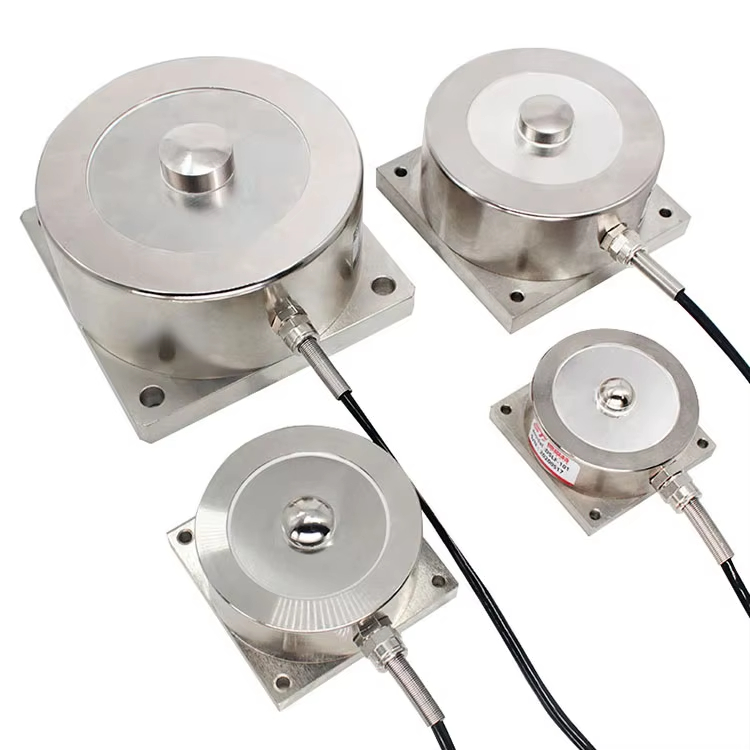
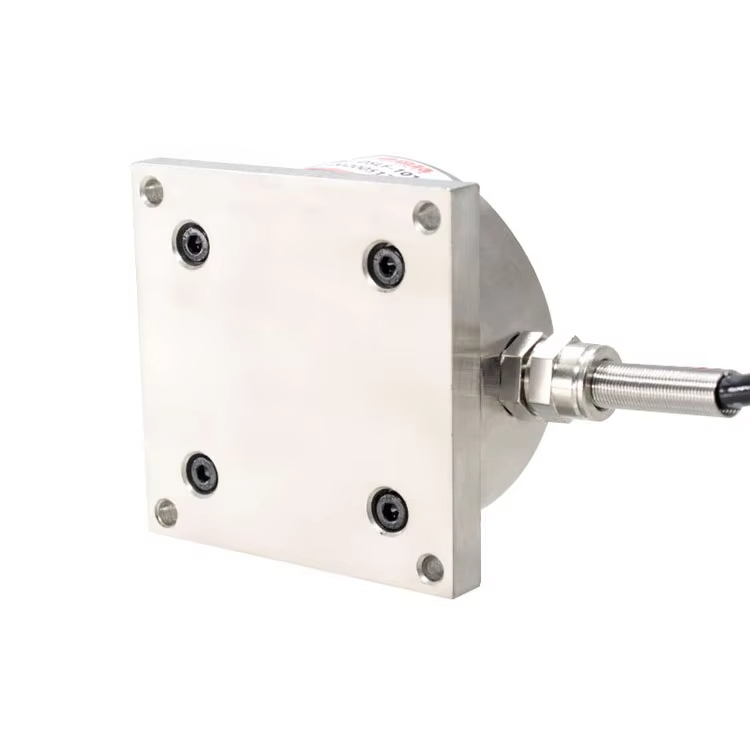
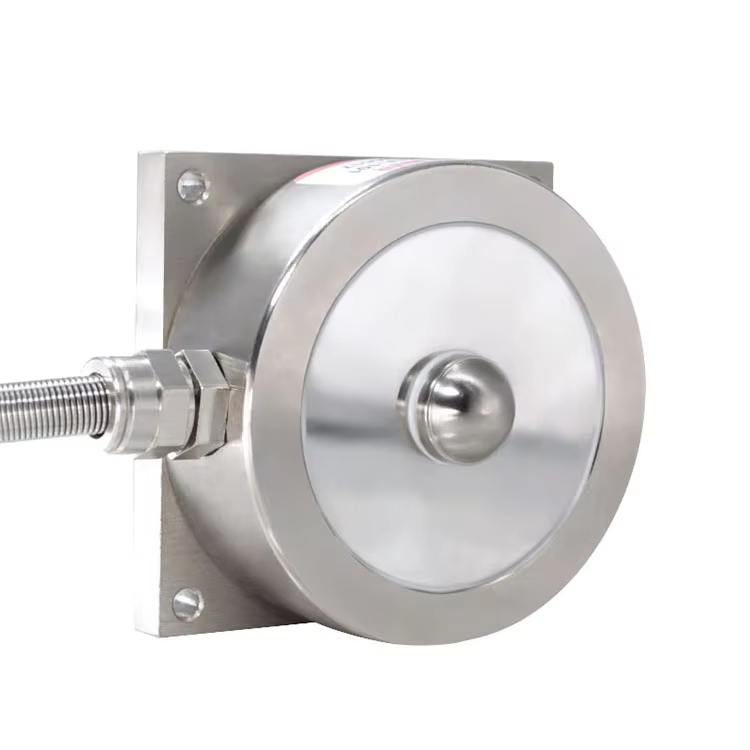
Selecting the right  load cell is crucial for ensuring  accuracy and reliability in various applications, including lifting, weighing, and automation. As specialized  components  for  measuring force and weight, load cells are  pivotal  in many industries. B2B buyers  often  face challenges in understanding  the technical  specifications, compatibility, and  application requirements  of load cells. This article will provide essential insights into  selecting  load cells,  comparing  specifications, understanding  applications, addressing  common problems, and outlining best practices.

Key Specifications to Compare in Load Cell Products

Key Specifications to Compare in Load Cell Products

When comparing load cell products, focus on several key specifications that influence performance and suitability:

Load Capacity: The maximum  weight the load cell can measure. Ensure the chosen load  cell exceeds the expected maximum load to avoid damaging  the sensor.

Output Signal: Common output signals include analog (voltage or current) and digital (RS-232, RS-485). The output type should match your existing systems for seamless  integration.

Accuracy Class: This  indicates the precision of  the load cell. Higher accuracy is  essential for applications  requiring meticulous measurements, such as in  laboratory settings.

Temperature Effects: Load cells can exhibit drift in readings due  to temperature changes. Look for specifications on zero balance  and  span sensitivity against  temperature variations to  ensure stable performance.


Material: The construction material affects durability and compatibility with various environments.  Stainless steel is often preferred for its resistance to corrosion and mechanical stress.

Understanding these specifications allows buyers to make informed  decisions that  align  with their operational needs while  ensuring long-term reliability.

Understanding Load Cell Applications in Various Industries

Understanding Load Cell Applications in Various Industries

Load cells  are versatile components  utilized across numerous industries,  each with unique requirements:

Manufacturing: In production, load cells  are used for weighing raw  materials, monitoring loads on conveyor systems, and ensuring quality control during assembly.

Logistics and Shipping: Load cells play a critical role in accurate  weighing for shipping logistics,  ensuring compliance  with regulations and optimizing shipping costs.

Automotive: In automotive  testing, load  cells measure forces during crash  tests and performance evaluations,  contributing to safety and design improvements.

Healthcare: Load cells  are used in medical devices, such as hospital beds and  scales, where precision is crucial  for patient care.


Each application demands different specifications  and configurations, so understanding  industry-specific needs is  vital when selecting a  load cell.

Common Problems with Load Cells and Effective Solutions

Common Problems with Load Cells and Effective Solutions

Load cells can  encounter various issues that affect  performance. Common problems include:

Drift in Readings:  This can occur due to temperature fluctuations  or mechanical stress. Regular calibration  is essential  to maintain accuracy.

Moisture Ingress: Load cells exposed to humidity or liquids can suffer from  corrosion or  inaccurate readings. Choosing  load  cells with appropriate  sealing  and protective coatings can mitigate this risk.

Electrical Interference: Noise from nearby electrical equipment can disrupt  signals. Implementing proper shielding and  grounding techniques can minimize interference.

Overloading: Subjecting  a load cell to  weights beyond its capacity can lead to  permanent damage. Always ensure that the load cell  selected has an adequate safety margin.

By recognizing these potential  issues and implementing preventative measures, buyers can enhance the longevity and reliability of  their load cells.

Best Practices

To ensure optimal performance and longevity of load cells,  follow these best  practices:

Calibrate Regularly:  Schedule routine calibration checks to maintain accuracy over time. This is especially important in high-precision  applications.

Use Protective Housing: For load cells in harsh environments,  consider using protective casings that can shield them  from physical damage, moisture, and contaminants.

Consult with Experts: Engage with manufacturers or technical experts to discuss specific application requirements and gain insights into the best load cell options available. For example, understanding the benefits of specific types such as the Incremental encoder can be beneficial.


Test Samples: Before committing to  a large order, request samples to evaluate the  load cell’s performance under  actual operating conditions,  checking for compatibility with your systems.

Review Documentation: Ensure that all load cells come with comprehensive documentation, including installation  guidelines, calibration procedures, and maintenance  recommendations.

By following these best practices, buyers can avoid common pitfalls and make informed choices that support their operational needs.


The  selection  of  load cells plays a significant role in  the success of various industrial applications. By understanding the specifications, application requirements,  and best practices  outlined, B2B buyers can navigate the complexities of load cell procurement with confidence.

What to Consider When Choosing Load Cells for Your Projects

When selecting load cells,  consider several factors  to  ensure suitability for your  application. First,  evaluate the type of load cell—tension, compression, or bending beam—based on  the force measurement  required. Each type has  specific characteristics that affect performance, such as the maximum load capacity and sensitivity.

Next, think  about  the environment where the  load cell  will be used. Factors like temperature range, humidity,  and exposure to chemicals can impact the  load  cell's performance. For  instance, a load cell used in  a humid environment may require additional sealing or protective coatings.

Finally, consider  the required accuracy and resolution. Load cells come with different accuracy levels, which can significantly affect the precision of measurements. Discussing your specifications with a  manufacturer like Jiangxi Jingce Sensing Technology Co., Ltd. can help clarify which load cell will meet your performance criteria while adhering  to your budget. Additionally, understanding different types of load cells, such as the Load cell, can also enhance your decision-making process.

Frequently Asked Questions

What types of loadcells do you offer?

We supply high-precision loadcells including tension/compression, S-type, single-point, shear beam, platform, and custom designs for lifting, weighing, automation, and new energy applications.
Yes. Our loadcells are CE and RoHS certified, meeting international safety and environmental standards for industrial and commercial use.
Absolutely. We offer OEM/ODM services for custom ranges, mounting, connectors, communication interfaces, and branding to fit specific application requirements.
They are designed for lifting equipment, industrial weighing, automation systems, and new energy projects, supporting high precision and robust operation in these sectors.
We provide technical support, calibration guidance, and a manufacturer warranty. Details vary by product; contact our sales team for specific warranty terms and after-sales service.

Get a Free Quote

Our representative will contact you soon.
0/1000