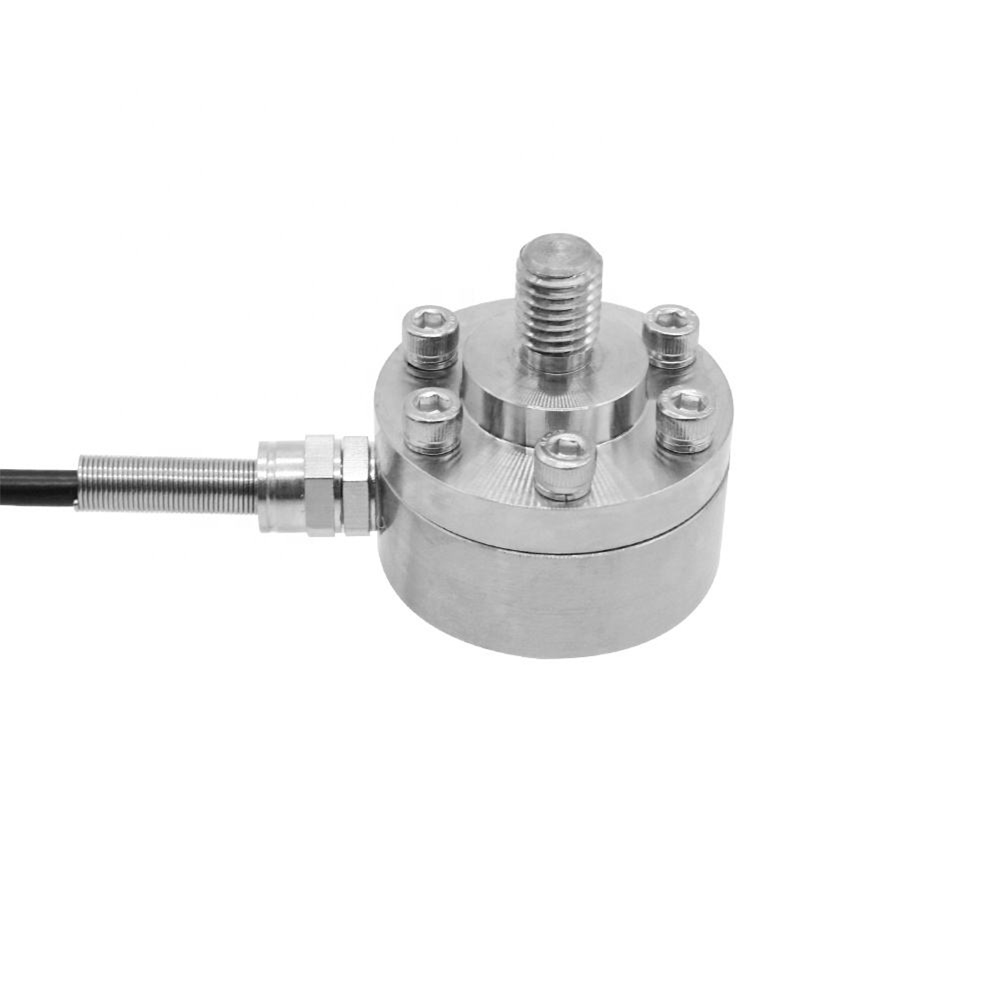
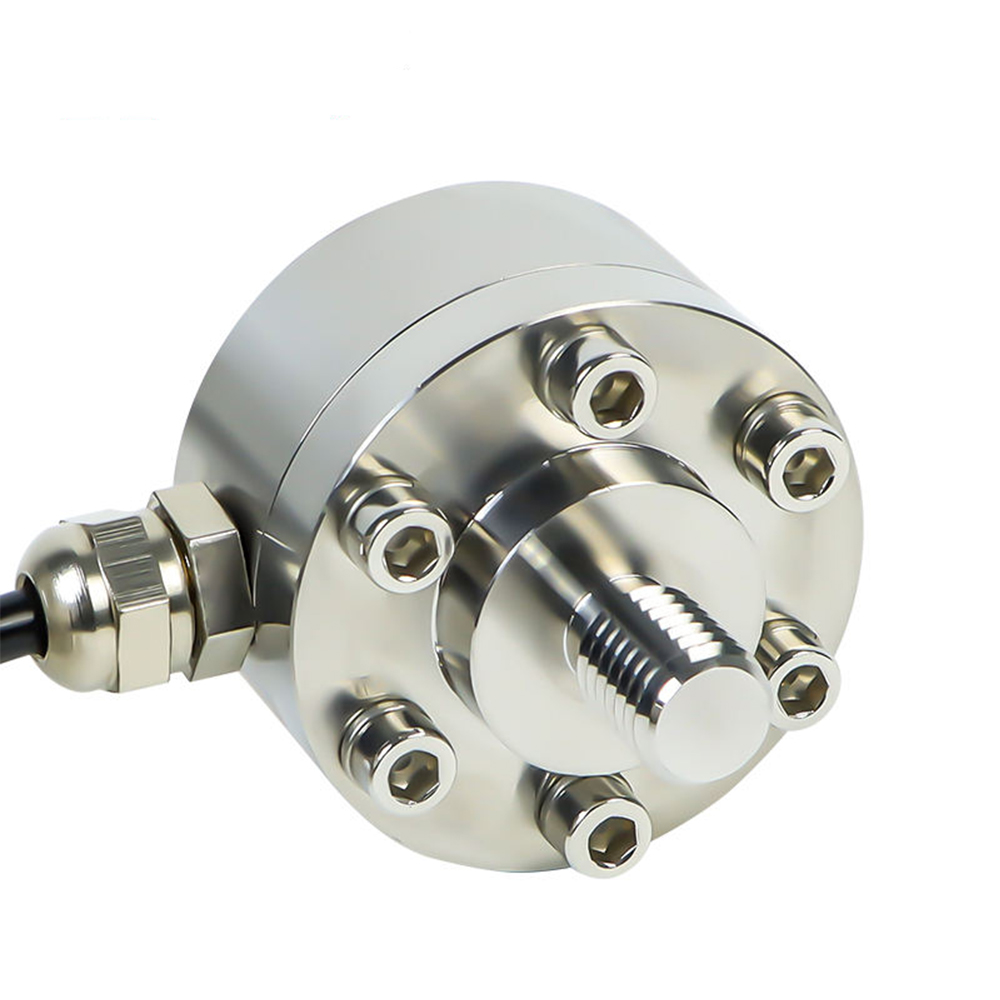
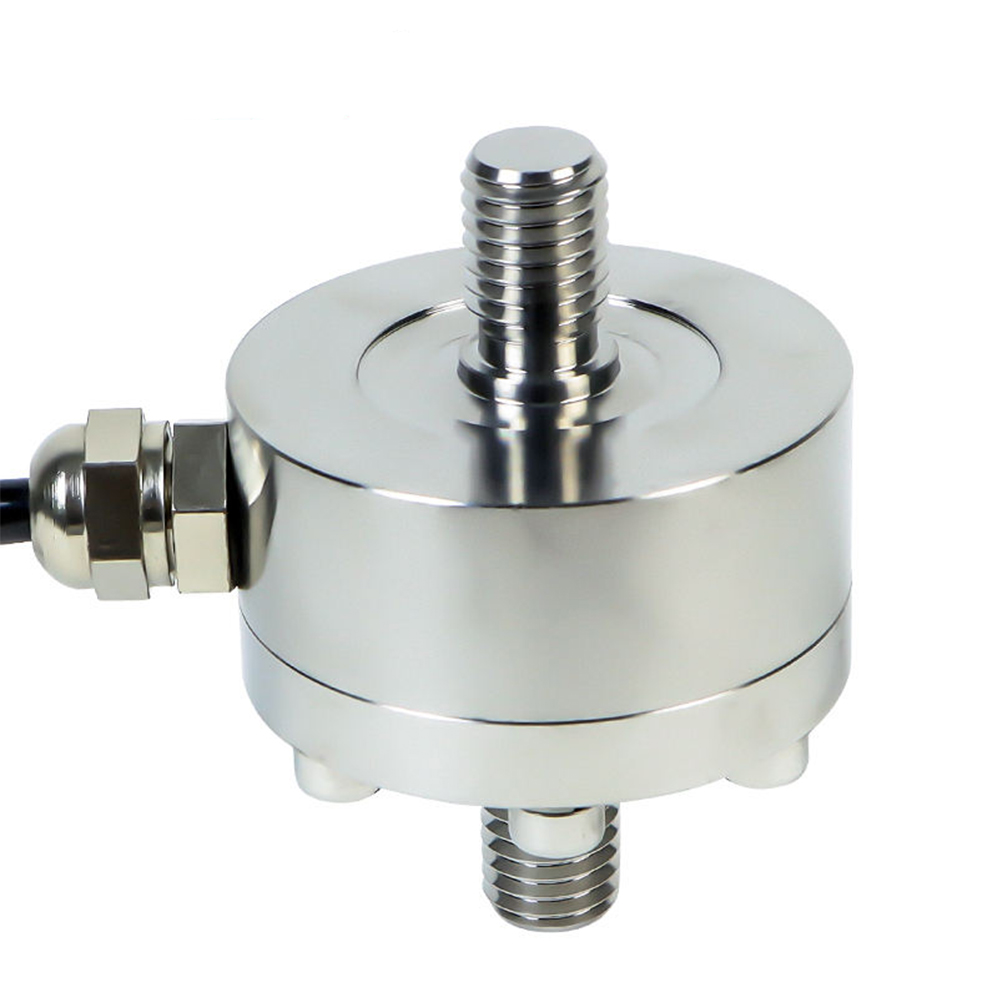
What to Look for in Miniature Load Cells
When evaluating miniature load cells, several specifications and features should be prioritized to ensure optimal performance for your application.
Measurement Range: Determine the load capacity you need. Miniature load cells come in various ranges, and selecting one that matches your application's requirements is crucial to avoid overloading and damaging the sensor.
Accuracy and Sensitivity: Look for load cells with high accuracy ratings, typically expressed as a percentage of full scale. A higher sensitivity level ensures that even slight changes in force are detected, which is vital for precision applications.
Material and Construction: The materials used in the load cell can significantly affect its performance and durability. Stainless steel is commonly used for its strength and corrosion resistance, making it suitable for harsh environments. Consider the conditions in which the load cell will operate, such as temperature extremes and exposure to chemicals.
Output Signal: Check the type of output signal the load cell provides (analog or digital) to ensure compatibility with your measurement systems. Digital outputs can provide more precise readings and easier integration with modern electronics.
Environmental Ratings: If the load cell will be used in challenging environments, look for IP ratings that indicate dust and moisture resistance. This will help ensure longevity and reliability in applications exposed to harsh conditions.
 EN
EN