PLC Load Cell Module: Key Considerations for Purchase

application/plc-load-cell-module, application/plc-load-cell-module, 
Inquiry
Inquiry

Plc load cell module

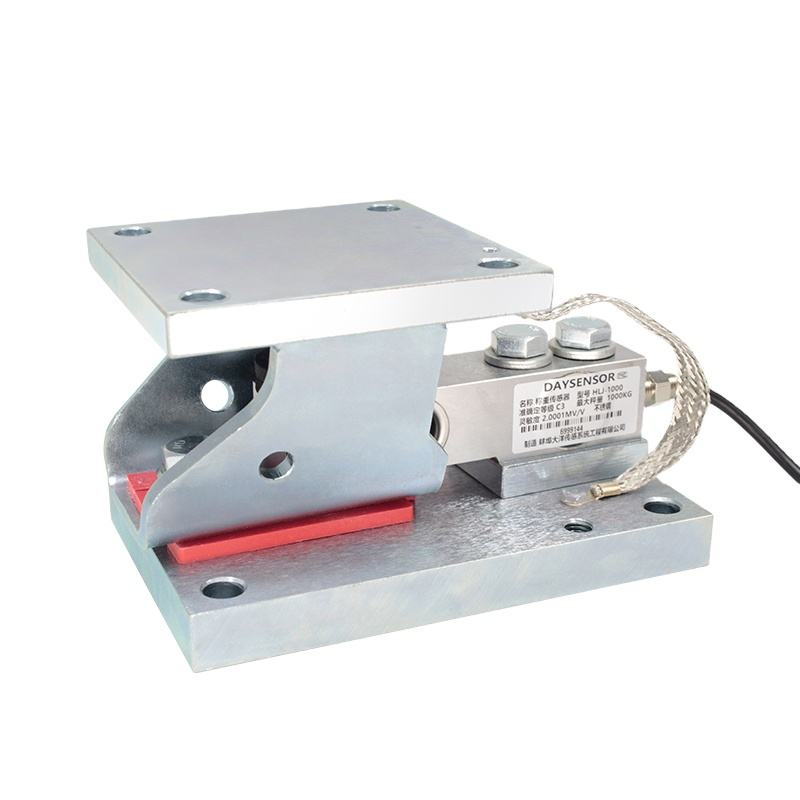
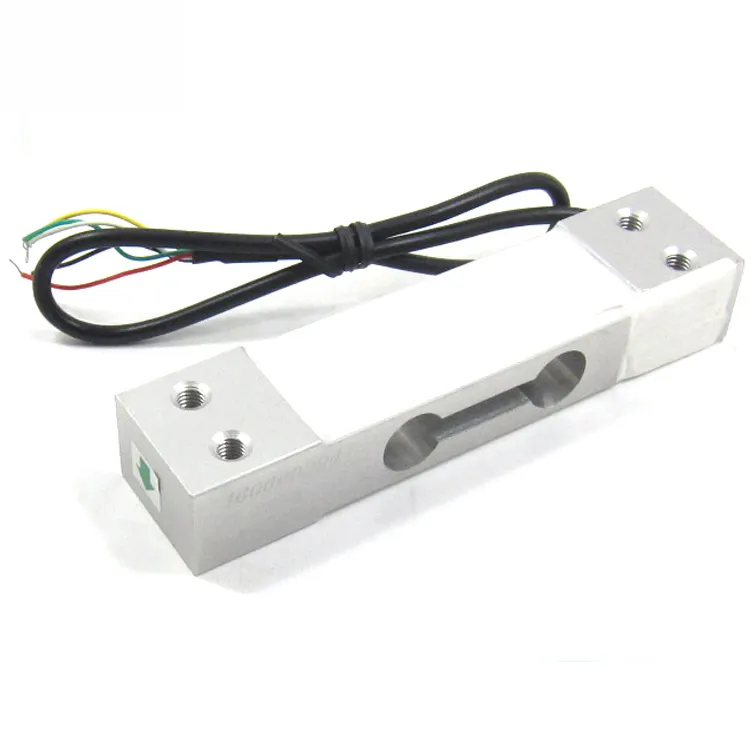
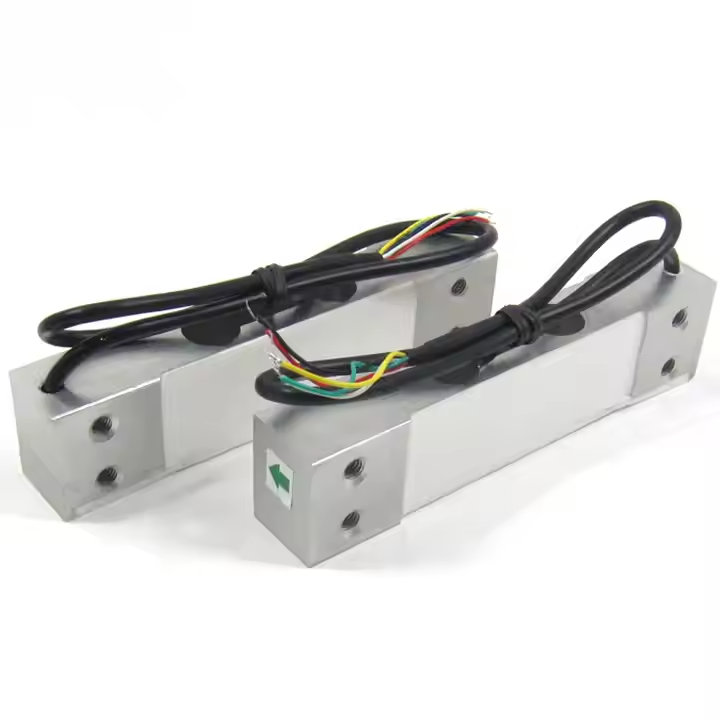
Load cell modules are essential components used in various industrial applications to measure weight and force accurately. The PLC load cell module integrates seamlessly with programmable logic controllers (PLCs), providing precise data for automation and control processes. As a purchasing manager or engineer, your main concerns likely revolve around ensuring product reliability, quality, and compatibility with existing systems. This article will guide you through evaluating manufacturers, selecting the right module, understanding quality control processes, analyzing cost factors, and addressing common issues associated with PST load cell conditioner. This article will help you to understand the product more, so keep on reading it all. 

Finding the Right PLC Load Cell Module

Finding the Right PLC Load Cell Module

Selecting the right PLC load cell module involves understanding your specific application needs. Key specifications to consider include load capacity, sensitivity, and output signal type. For instance, if your application requires high accuracy in a dynamic environment, you may need a module with a higher sensitivity and faster response time. This product is so amazing to use. This is made with higgh-quality materials to ensure its efficiency and functionality. You will never ever regret of using this kind of product. So, trust on us. 

Additionally, consider compatibility with your existing PLC system. Check the communication protocol used by the module—whether it’s analog or digital—and ensure it aligns with your PLC’s capabilities. Dimensions and mounting options are also crucial; a module that fits seamlessly into your existing setup will reduce installation time and potential issues. 

If your application involves varying environmental conditions, such as temperature fluctuations or exposure to moisture, verify that the module is designed to withstand these scenarios. Discussing your specific requirements with the manufacturer can also lead to tailored solutions that enhance performance. 

Understanding the Quality Control Process for Load Cell Modules

Understanding the Quality Control Process for Load Cell Modules

Quality control in the manufacturing of PLC load cell modules is vital for ensuring reliability and performance. A comprehensive quality control process typically includes several stages: incoming material inspection, in-process quality checks, and final product testing. 

During the initial phase, raw materials are subjected to rigorous testing to ensure they meet the required specifications. This includes checking material properties such as tensile strength and fatigue resistance, crucial for load cell and amplifier performance. Throughout the production process, regular inspections help identify any deviations from quality standards, allowing for corrective actions before the final assembly. 

Finally, the finished load cell modules undergo thorough testing, often including calibration to ensure accurate readings. Many manufacturers will provide a testing report with the product, detailing the tests performed and results achieved. For buyers, understanding these processes can help you assess the reliability of the manufacturer and the modules being purchased.

Cost Factors to Consider When Purchasing PLC Load Cell Modules

Cost Factors to Consider When Purchasing PLC Load Cell Modules

The cost of PLC load cell modules can vary significantly based on several factors. Initially, consider the specifications required for your application, as higher-performance modules often come at a premium. Load capacity, accuracy, and additional features, such as integrated signal conditioning, can all influence the price. 

Customization requests can also affect the overall cost. While standard modules may be less expensive, tailored solutions that meet specific requirements might involve additional design and manufacturing time, leading to higher costs. It’s also essential to factor in potential bulk discounts; ordering larger quantities may reduce the price per unit. 

Delivery and logistics should not be overlooked. Shipping costs, lead times, and any potential customs duties for international orders can impact the final price. Consequently, obtaining a comprehensive quote that outlines all these factors is crucial for accurate budgeting.

Common Problems with PLC Load Cell Modules and Effective Solutions

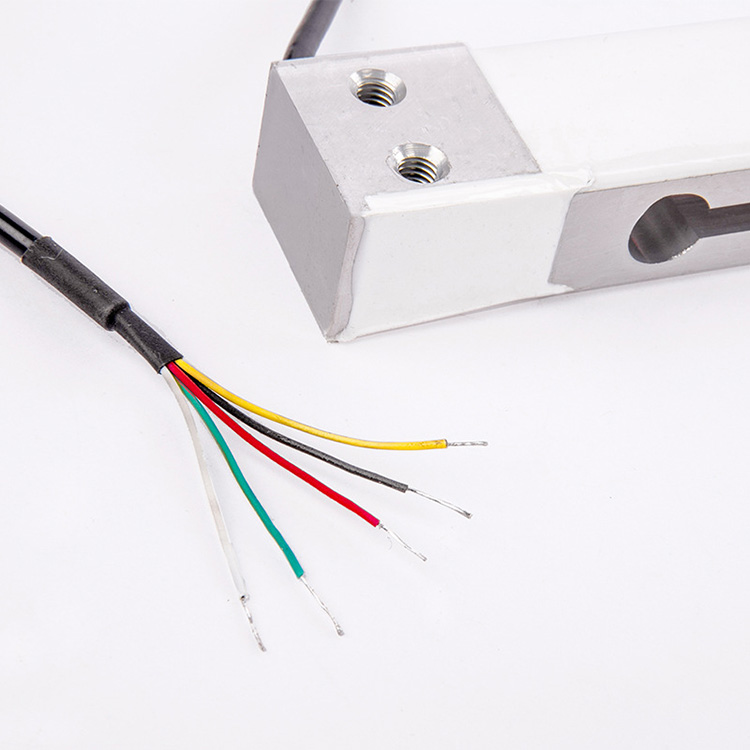
Despite their reliability, PLC load cell modules can encounter common issues that may affect performance. One prevalent problem is signal noise, which can lead to inaccurate readings. To mitigate this, ensure proper grounding and shielding of the wiring to reduce electromagnetic interference. 

Another issue is drift in the load cell's output, often caused by temperature changes or mechanical stress. Regular calibration and using temperature-compensated modules can help maintain accuracy. Buyers should request information on the calibration schedule and practices from the manufacturer to ensure long-term reliability. 

Installation errors can also arise, particularly if the module is not aligned correctly or if the mounting does not provide adequate support. It’s advisable to follow installation guidelines meticulously and engage qualified personnel for setup. Manufacturers like PST often provide technical support and documentation to assist with installation and troubleshooting. 

By understanding these common issues and their solutions, buyers can proactively address potential concerns, ensuring optimal performance from their load cell junction box. 

Evaluating Manufacturers of PLC Load Cell Modules

When searching for a manufacturer of PLC load cell modules, consider their experience and specialization in the field. A reputable manufacturer, like PST should have a strong background in producing high-precision load cells and force sensors. Look for certifications such as CE and RoHS, which indicate compliance with international safety and environmental standards. Additionally, review their manufacturing capabilities, including production equipment and processes. A facility equipped with advanced technology ensures higher precision and reliability in the products. 

Furthermore, examine the manufacturer's experience in your specific industry. For example, if you operate in the automation sector, ensure they have a proven track record of supplying to similar applications. Direct communication with the manufacturer can also provide insights into their customer service, response times, and support for customization, which is critical for meeting unique project requirements.

Frequently Asked Questions

What is the Plc load cell module used for?

The Plc load cell module converts load cell signals to PLC-compatible outputs for weighing, force monitoring, lifting and automation control systems.
Designed for lifting, weighing, automation and new energy sectors requiring high-precision load measurement and integration with PLCs.
Our modules comply with CE and RoHS certifications and are manufactured under strict quality controls for reliable performance.
Yes. We offer OEM/ODM customization for signal types, mounting, communication protocols and calibration to fit your application.
We provide pre-sales consultation, installation guidance, calibration services and after-sales technical support from our sensing technology team.

Get a Free Quote

Our representative will contact you soon.
0/1000