Choosing High-Quality Load Cell Conditioners

application/load-cell-conditioner, application/load-cell-conditioner, 
Inquiry
Inquiry

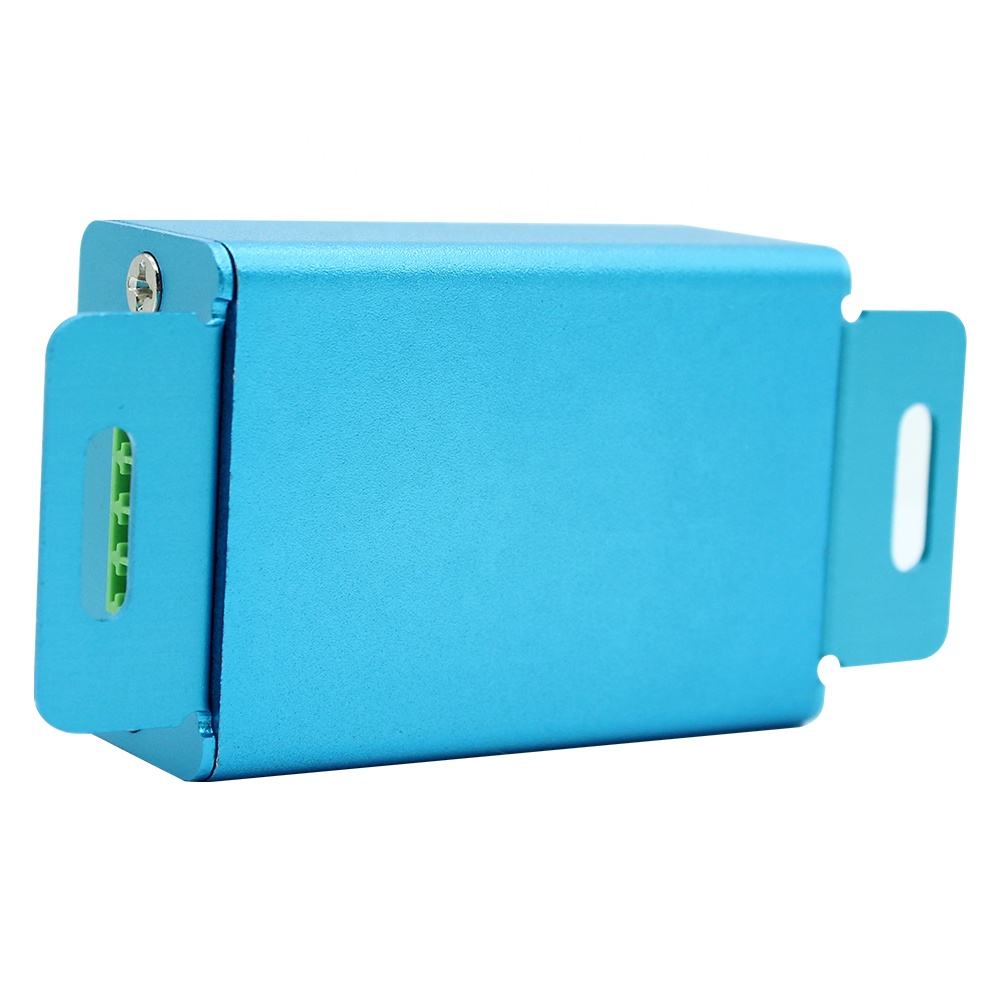
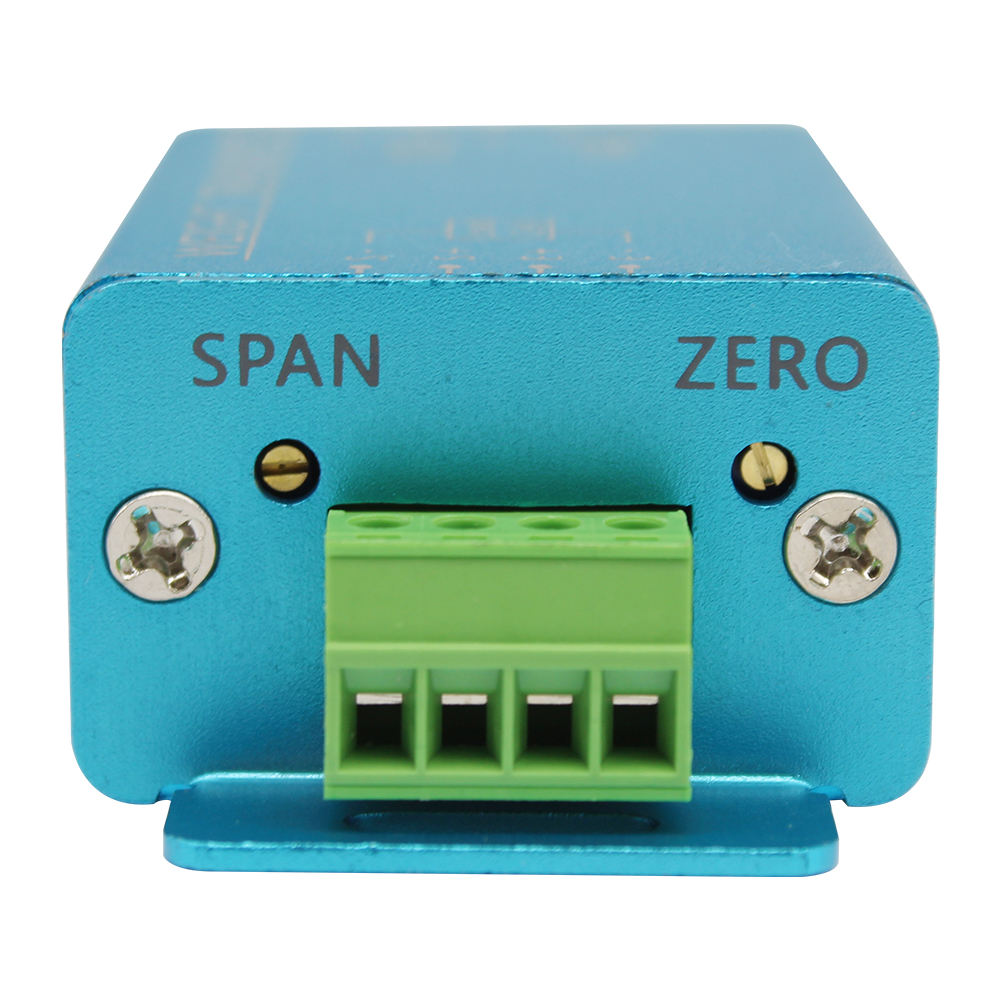
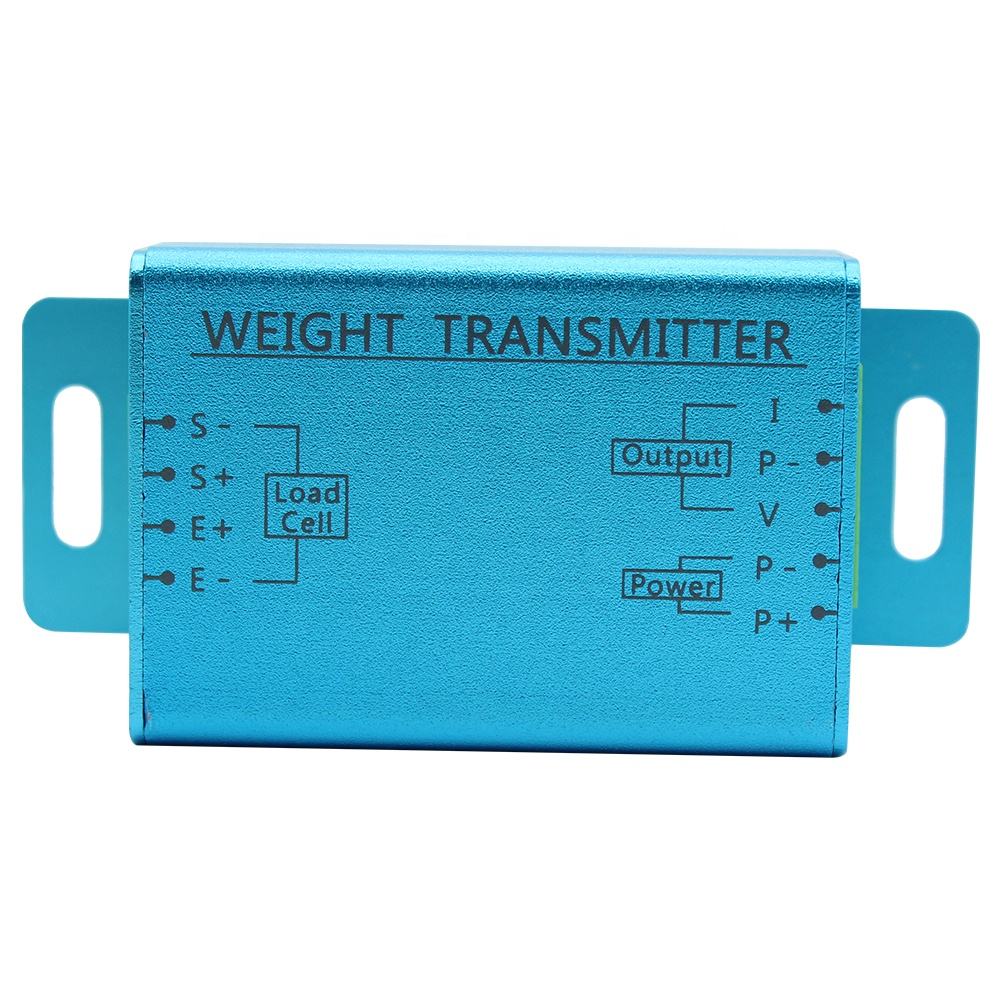
Load cell conditioner

Load cell conditioners are essential devices that enhance the performance and accuracy of load cells, force sensors, and other measurement instruments. As a B2B buyer, you might be concerned about selecting the right conditioner for your specific applications, ensuring compatibility, and evaluating quality. This article will guide you through the key aspects of Load cell indicator conditioners, including selection criteria, sourcing options, specifications, cost considerations, and the advantages of high-precision models.

Where to Source High-Quality Load Cell Conditioners for Wholesale

Where to Source High-Quality Load Cell Conditioners for Wholesale

Sourcing high-quality load cell conditioners requires careful consideration of suppliers who can provide reliable products and services. Here are some avenues to explore: 

Direct Manufacturers: Engaging directly with manufacturers like PST can offer you the advantage of customized solutions and OEM/ODM options tailored to your specific needs. This is particularly beneficial for unique applications requiring specialized technical support. 

Wholesale Distributors: Look for reputable distributors that specialize in industrial sensors and measuring equipment. Ensure they have a track record of quality and reliability, and check for customer reviews or testimonials to gauge their reputation. 

Trade Shows and Industry Exhibitions: Attending relevant trade shows can provide a hands-on opportunity to evaluate products and meet suppliers face-to-face. You can gain insights into the latest technologies and network with industry experts. 

Online Marketplaces: While online platforms can offer a range of options, ensure that you verify the credibility of the sellers. Check for product certifications and warranty information before making bulk purchases. 

By exploring these sourcing options, you can find a reliable supplier that meets your quality and pricing needs for load cell conditioners.

Key Specifications to Evaluate in Load Cell Conditioners

Key Specifications to Evaluate in Load Cell Conditioners

When evaluating load cell conditioners, specific technical specifications can significantly impact their performance. Here are some key specifications to consider: 

Input Signal Range: The input signal range should be compatible with your load cell's output. Common ranges include millivolts for analog load cells, and it’s crucial to ensure the conditioner can effectively handle the expected signal levels. 

Output Signal Type: Depending on your application, you may require different output signals, such as 4-20 mA, 0-10 V, or digital outputs like RS-232 or RS-485. Confirm the output type aligns with your data acquisition system. 

Excitation Voltage: Load cell conditioners typically provide a specific excitation voltage to the load cell. Ensure that this voltage meets the requirements of your load cell model, as insufficient excitation can lead to lower accuracy. 

Temperature Coefficient: The temperature coefficient indicates how much the output signal shifts per degree of temperature change. A lower temperature coefficient improves measurement stability across varying environmental conditions. 

Noise Performance: Assess the noise performance of the conditioner, typically specified in terms of signal-to-noise ratio (SNR). A higher SNR implies cleaner signals, which is crucial for precision applications. 

By understanding these specifications, you can make informed decisions that enhance the accuracy and reliability of your load cell systems.

Understanding the Cost Factors of Load Cell Conditioners for Buyers

Understanding the Cost Factors of Load Cell Conditioners for Buyers

The cost of load cell conditioners can vary significantly based on several factors. Understanding these can help you budget effectively: 

Technology and Features: Advanced features such as digital filtering, programmable settings, and multiple output options often increase the price. Determine which features are essential for your applications to avoid overspending. 

Manufacturer Reputation: Established manufacturers with a track record of quality and reliability may charge a premium. However, investing in reputable brands can lead to lower maintenance costs and fewer operational failures. 

Customization Requirements: If you need a customized solution, expect additional costs. Customization may involve specific dimensions, signal types, or housing materials designed to meet your application needs. 

Volume Discounts: Purchasing in larger quantities can lead to significant discounts. Consider your long-term needs when negotiating prices with suppliers. 

Certification Costs: If your application requires specific certifications (e. g., CE, RoHS), ensure that these are included in the pricing. Non-compliance can lead to costly delays and operational risks. 

By understanding these cost factors, you can negotiate effectively and ensure that you obtain the best value for your investment in load cell conditioners.

The Advantages of Using High-Precision Load Cell Conditioners

Investing in high-precision PST load cell conditioners offers several advantages that can enhance your operational efficiency: 

Improved Accuracy: High-precision conditioners minimize signal distortion and amplifications errors, resulting in more accurate readings. This is crucial for applications requiring strict adherence to tolerances. 

Enhanced Stability: These conditioners typically have better temperature coefficients and noise performance, providing stable readings over a wider range of environmental conditions. This stability is essential for applications in dynamic environments. 

Longer Lifespan: Quality components and robust design contribute to the longevity of high-precision Encoder Factory. Reduced wear and tear can lead to lower replacement frequency, ultimately saving costs in the long run. 

Versatility in Applications: High-precision conditioners can cater to a broad range of applications, including weighing, force measurement, and automation. Their adaptability makes them suitable for various industries such as manufacturing, aerospace, and energy. 

Compliance with Industry Standards: Utilizing high-precision units that meet industry standards ensures that your measurements are reliable and accepted in regulatory contexts, reducing the risk of compliance issues. 

By opting for high-precision load cell conditioners, you not only enhance measurement accuracy but also ensure a more reliable and efficient operation in your industrial applications. 

How to Choose the Right Load Cell Conditioner for Your Needs

Selecting the right PST load cell conditioner is crucial for achieving accurate measurements in your applications. Start by evaluating your specific needs, such as the type of load cell you are using (analog or digital), the expected load range, and the environmental conditions of operation. 

Consider the following factors: 

Input and Output Compatibility: Ensure that the conditioner supports the input signal type (e. g., voltage or current) and output format (e. g., analog or digital) of your load cell. Mismatched signals can lead to inaccurate readings. 

Signal Conditioning Features: Look for features such as amplification, filtering, and linearization, which can improve the precision of your measurements. Some conditioners offer programmable settings that allow customization based on specific application requirements. 

Environmental Considerations: If your application involves harsh conditions, opt for conditioners with robust housing and environmental ratings (e. g., IP ratings) that can withstand moisture, dust, and temperature fluctuations. 

Size and Mounting Options: Ensure that the physical dimensions of the conditioner fit your installation space. Additionally, consider the mounting options available to facilitate easy integration with your existing setup. 

By carefully assessing these factors, you can select a Linear sensor conditioner that meets your operational requirements and enhances the performance of your measurement systems.

Frequently Asked Questions

What is a load cell conditioner used for?

A load cell conditioner amplifies, filters, and converts load cell signals into stable analog or digital outputs for accurate measurement, monitoring, and integration with PLCs, displays, or data acquisition systems.
Our conditioner supports common strain gauge load cells, force sensors, and compatible Wheatstone bridge configurations for tension, compression, and single-point sensors.
Typical outputs include 0–10V, 4–20mA, ±10V, USB, RS232/RS485, and digital protocols on request to suit weighing and automation systems.
Verify load cell rated sensitivity (mV/V), excitation voltage, impedance and wiring. Provide these specs and we will recommend the correct conditioner configuration or calibration service.
Yes. We provide CE/RoHS compliance and offer OEM/ODM customization, calibration, and technical support for lifting, weighing, automation, and new energy applications.

Get a Free Quote

Our representative will contact you soon.
0/1000