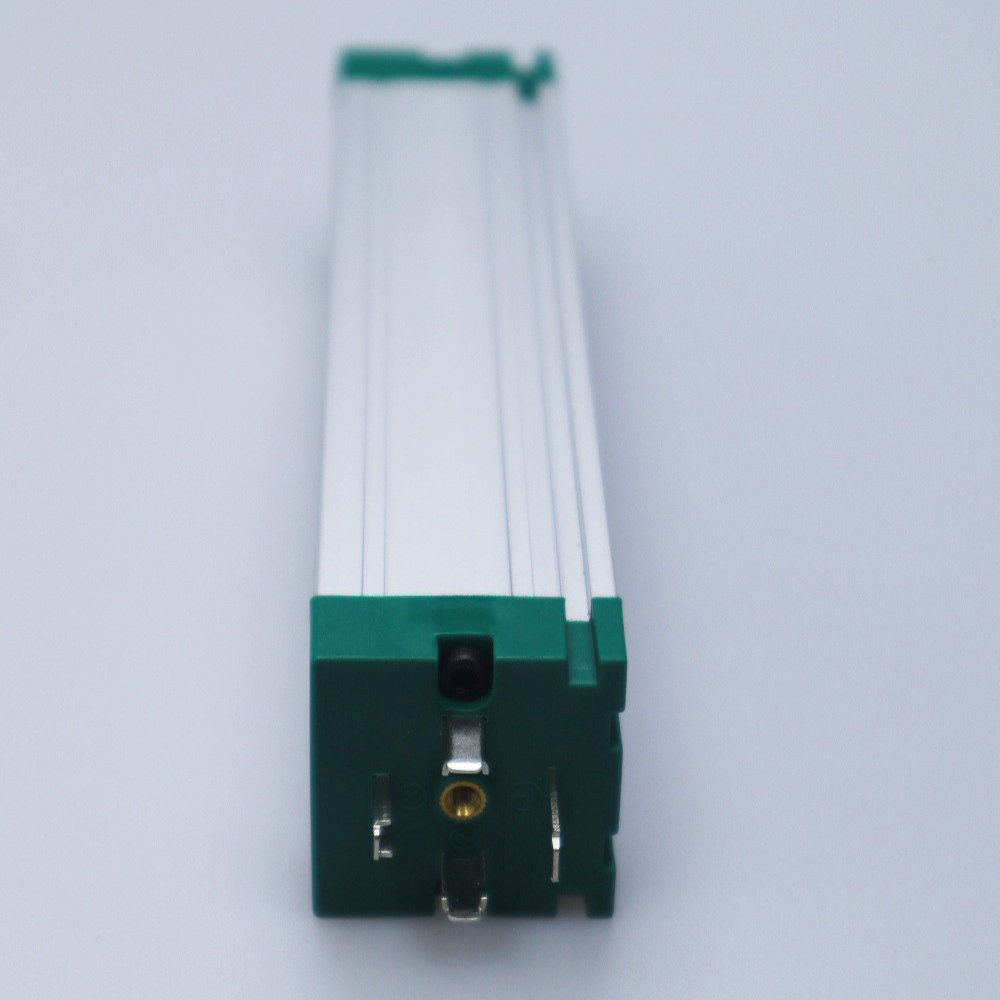
Choosing Potentiometric Position Sensors for Your Needs

application/potentiometric-position-sensor, application/potentiometric-position-sensor, 
Inquiry
Inquiry

Potentiometric position sensor

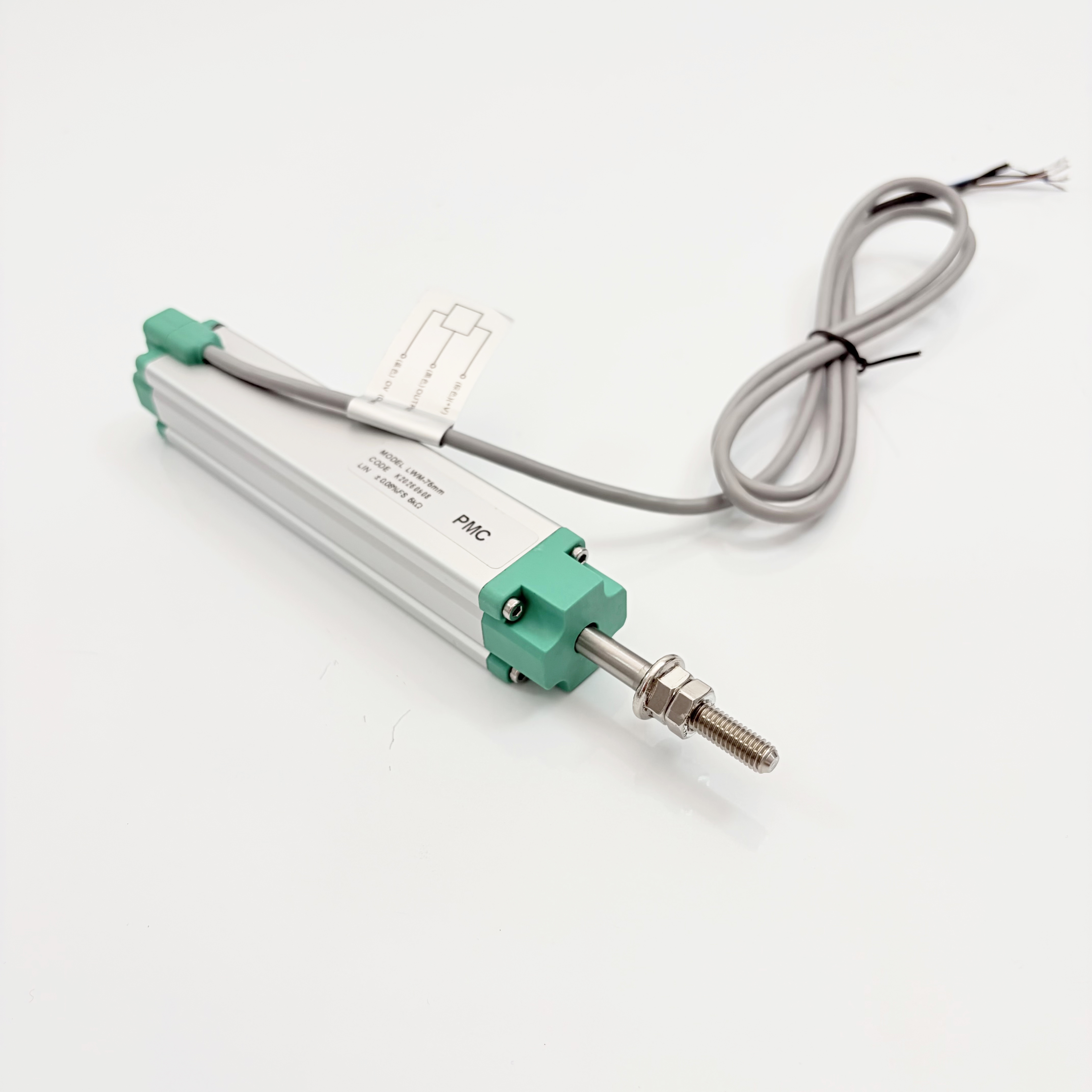
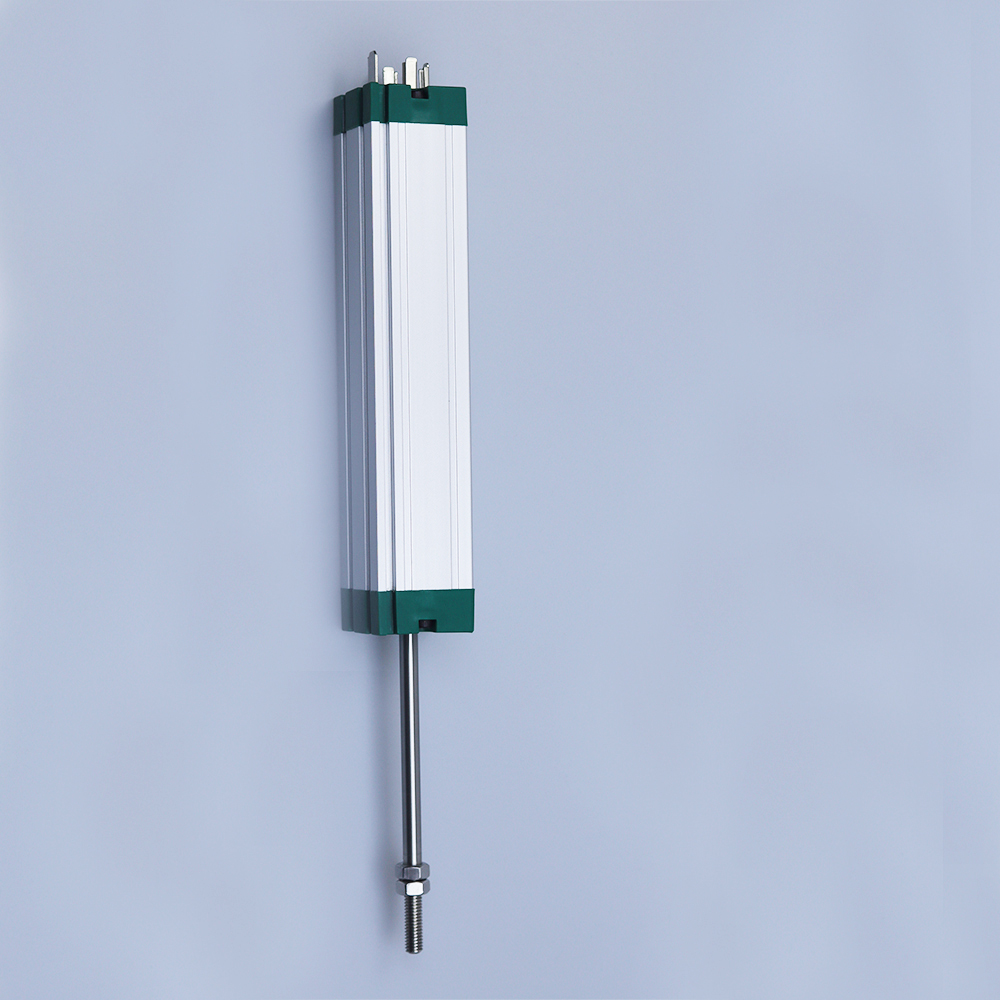
Potentiometric position sensors are sophisticated devices used to measure the position of an object.  They convert linear or rotary motion into an electrical signal, providing precise feedback for various applications in industries such as manufacturing, automation, and robotics.  Buyers often seek these torque sensor for their reliability and accuracy, but they may have concerns about specifications, compatibility, and supplier trustworthiness.  This article aims to guide you through key considerations when selecting potentiometric position sensors from PST, ensuring you make an informed purchasing decision.

Where to Find Reliable Suppliers for Potentiometric Position Sensors?

Where to Find Reliable Suppliers for Potentiometric Position Sensors?

Finding trustworthy suppliers is critical for ensuring high-quality potentiometric position sensors.  Here are some strategies to identify reliable sources:  

Industry Associations and Directories: Utilize resources like industry-specific associations or directories that list reputable manufacturers and distributors of sensors.  These platforms often provide ratings and reviews from other customers. 

Trade Shows and Exhibitions: Attend industry trade shows where PST showcase their products.  This gives you the opportunity to meet suppliers, ask questions, and see product demonstrations firsthand.  

Online Research: Conduct thorough online research, focusing on manufacturers with positive reviews, certifications (such as CE or RoHS), and a strong presence in the market.  Look for case studies or testimonials from other businesses in your sector.  

Networking: Leverage your professional network to seek recommendations.  Colleagues or industry peers may have valuable insights into reliable suppliers based on their experiences.  

Supplier Evaluation Criteria: When evaluating potential suppliers, consider factors such as their production capabilities, quality control processes, lead times, and customization options.   Request samples to assess quality before committing to larger orders.  

Installation Guidance for Potentiometric Position Sensors in Various Applications

Installation Guidance for Potentiometric Position Sensors in Various Applications

Proper installation of potentiometric position sensors is crucial for optimal performance.  Here are some installation guidelines tailored to different applications: 

Robotics: Ensure that the sensor is mounted securely to prevent movement during operation.  Align the sensor properly with the moving part to ensure accurate readings.  Use suitable mounting brackets that minimize vibration. 

Industrial Automation: In automated systems, position sensors should be positioned where they can accurately track the movement of components or machinery.  Consider the wiring layout to reduce electromagnetic interference and ensure reliable signal transmission.  

Material Handling: For applications involving heavy loads, ensure that the sensor can withstand mechanical shock and vibration. Mounting should allow for easy access for maintenance and inspection.  

Calibration: After installation, calibrate the sensor according to the manufacturer’s guidelines.  This may involve adjusting the output signal to match known positions or using software interfaces for digital sensors.  

Maintenance: Regularly inspect the sensors for wear and tear, particularly in high-use environments.  Clean the steering torque sensor and its surroundings to prevent dust accumulation, which may impact performance.  

Benefits of Using Potentiometric Position Sensors in Manufacturing Processes

Benefits of Using Potentiometric Position Sensors in Manufacturing Processes

Implementing potentiometric position sensors in manufacturing processes offers several advantages:  

Accuracy and Precision: These motor torque sensor provide precise position feedback, crucial for applications such as automated assembly lines or CNC machining, where accuracy directly affects product quality.  

Versatility: Potentiometric position sensors can be adapted for various applications, whether measuring linear or rotary motion. This flexibility allows manufacturers to streamline processes by using a single type of sensor across multiple systems.  

Cost-Effectiveness: Compared to other sensing technologies, potentiometric sensors often have lower costs and simpler designs, making them an economical choice for many manufacturing environments. 

Reduced Downtime: Accurate position sensing minimizes the risk of errors during operations, leading to less downtime and improved overall efficiency in manufacturing processes. 

Ease of Integration: With a straightforward analog output, these sensors can be easily integrated into existing systems without the need for extensive modifications. 

Tips for Bulk Ordering Potentiometric Position Sensors for Your Projects

When planning to order potentiometric position sensors in bulk, consider the following tips to ensure a smooth purchasing experience: 

Specify Requirements Clearly: Provide detailed specifications, including model numbers, dimensions, output types, and any customization needs. Clear communication reduces the risk of errors during production. 

Request Samples: Before placing a large order, request samples to evaluate quality and performance in your specific application. Testing samples under actual operating conditions can reveal potential issues. 

Discuss Lead Times: Confirm lead times with suppliers to ensure they can meet your project deadlines.  Understand how order volume may affect production schedules. 

Negotiate Pricing: Inquire about bulk pricing discounts and payment terms.  Suppliers like PST are often willing to offer better pricing for larger orders, especially if you establish a long-term relationship.  

Plan for Quality Assurance: Discuss quality control measures with your supplier, including inspection processes and certifications. This ensures that the sensors meet your quality standards before shipment.  

By considering these factors and leveraging the insights provided, you can make informed decisions when selecting and purchasing potentiometric position sensors for your applications. 

Key Specifications to Consider When Choosing Potentiometric Position Sensors

When evaluating potentiometric position sensors, it's essential to consider several specifications that directly impact performance and suitability for your applications: 

Resolution and Sensitivity: The resolution indicates the smallest change in position that the sensor can detect, while sensitivity describes the output signal's change related to a position change.  High resolution and sensitivity are crucial for applications requiring precise measurements, such as robotic arms or CNC machines. 

Output Type: Potentiometric rotary torque sensor typically produce an analog voltage output, but some may offer digital outputs (e. g., PWM or serial communication).  Understanding your system's compatibility with these outputs is essential for seamless integration. 

Operating Range: Consider the sensor's range of motion, including the minimum and maximum positions it can measure.  Ensure this range aligns with your project's requirements. 

Mechanical Properties: Assess the sensor's construction materials, including housing and shaft materials, to ensure durability in your specific environment.  Factors such as temperature, humidity, and mechanical wear can affect sensor performance over time.  

Electrical Characteristics: Review the voltage and current ratings, as well as power consumption.  These specifications will determine compatibility with your existing systems and help manage energy efficiency. 

Environmental Ratings: If the sensor will be used in harsh environments, check for IP ratings or other certifications indicating resistance to dust, moisture, and temperature extremes.   

Calibration and Linearity: Some sensors may require calibration to ensure accuracy.   Check the linearity specification to understand how accurately the sensor can represent position across its range.  

Frequently Asked Questions

What is a potentiometric position sensor?

A potentiometric position sensor measures linear or angular position by varying resistance across a wiper and resistive element, providing an analog voltage proportional to displacement for control and monitoring.
Ideal for lifting, weighing, automation, and new energy sectors where precise position feedback is required for control, safety, and process optimization.
Our sensors comply with CE and RoHS standards and are manufactured under strict quality control to ensure high precision and reliability.
Yes. We offer OEM/ODM customization for dimensions, stroke, electrical interfaces, and mounting to meet specific application requirements.
Common specs include analog voltage output, specified resistance values, defined measurement range/stroke, rated operating temperature, and high repeatability; exact data is supplied per model.

Get a Free Quote

Our representative will contact you soon.
0/1000