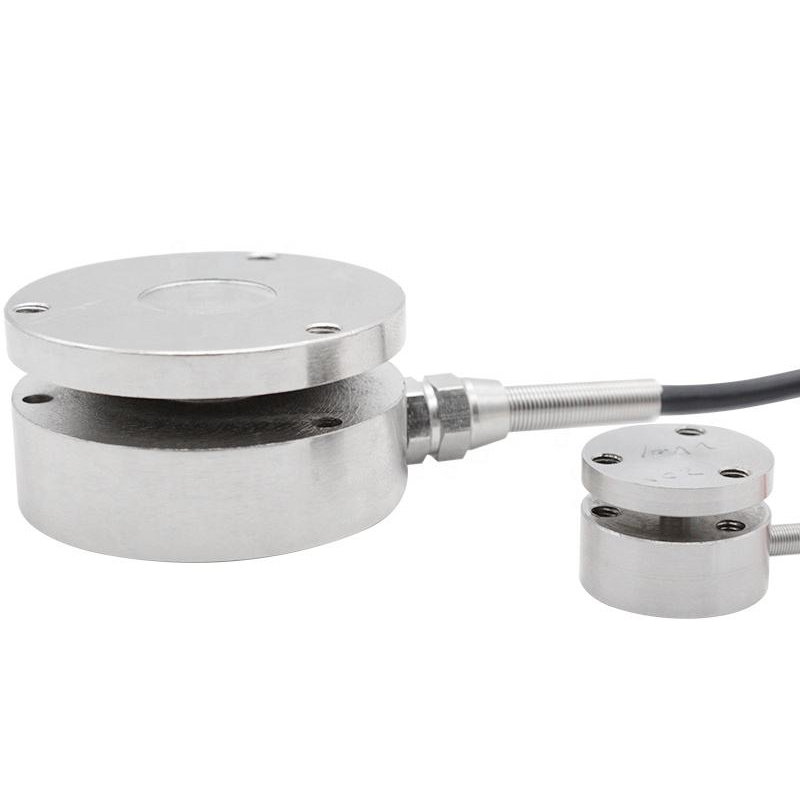
Material Advantages of Ring Load Cells in Industrial Settings
The materials used in the construction of ring load cells play a significant role in their performance and durability. Here are the primary material advantages:
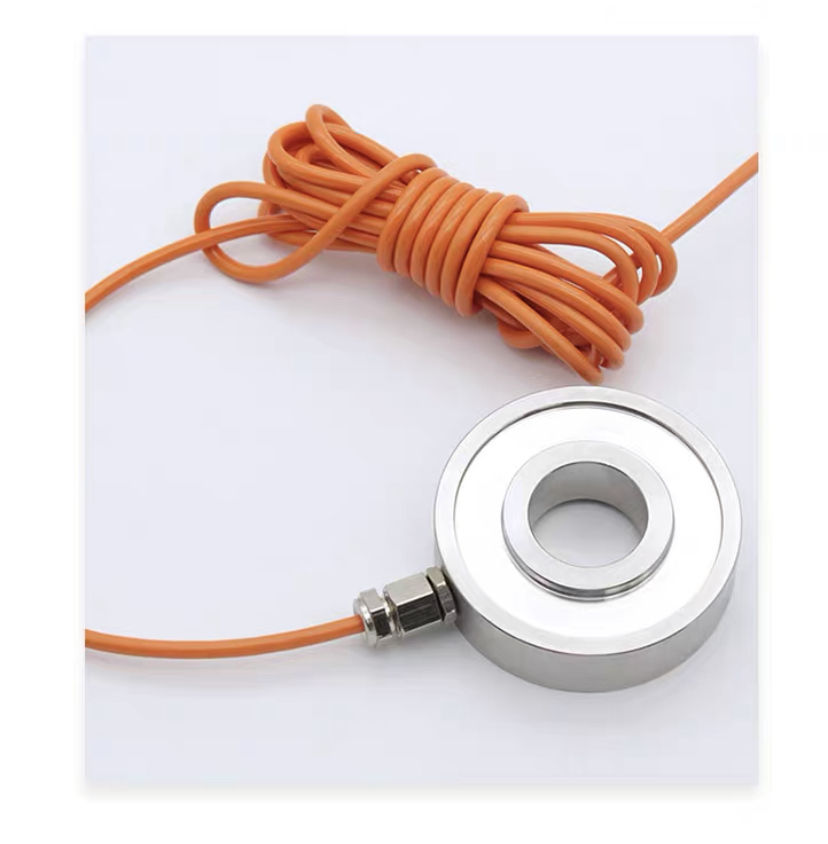
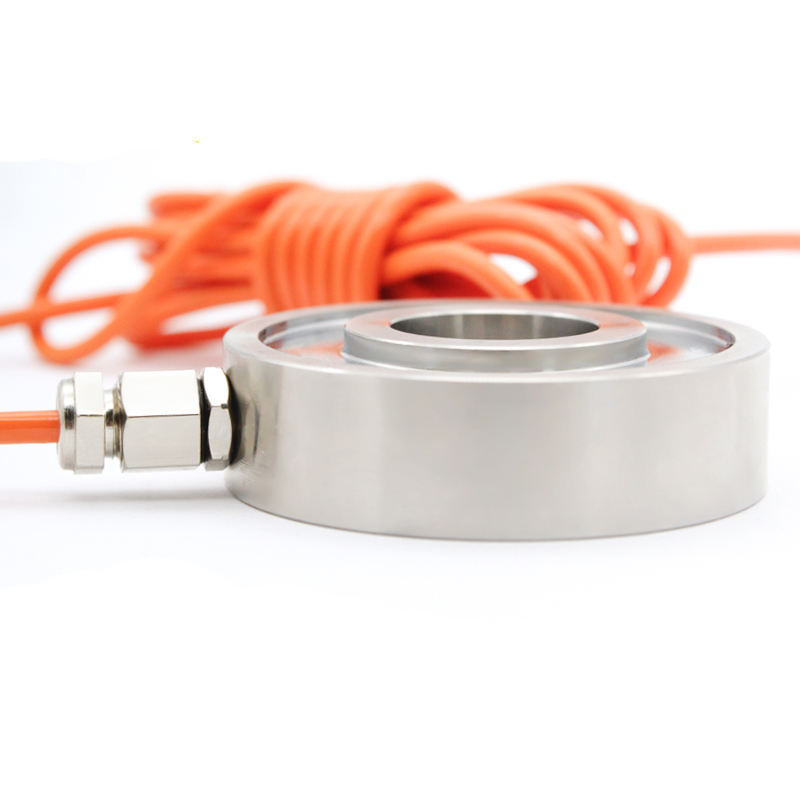
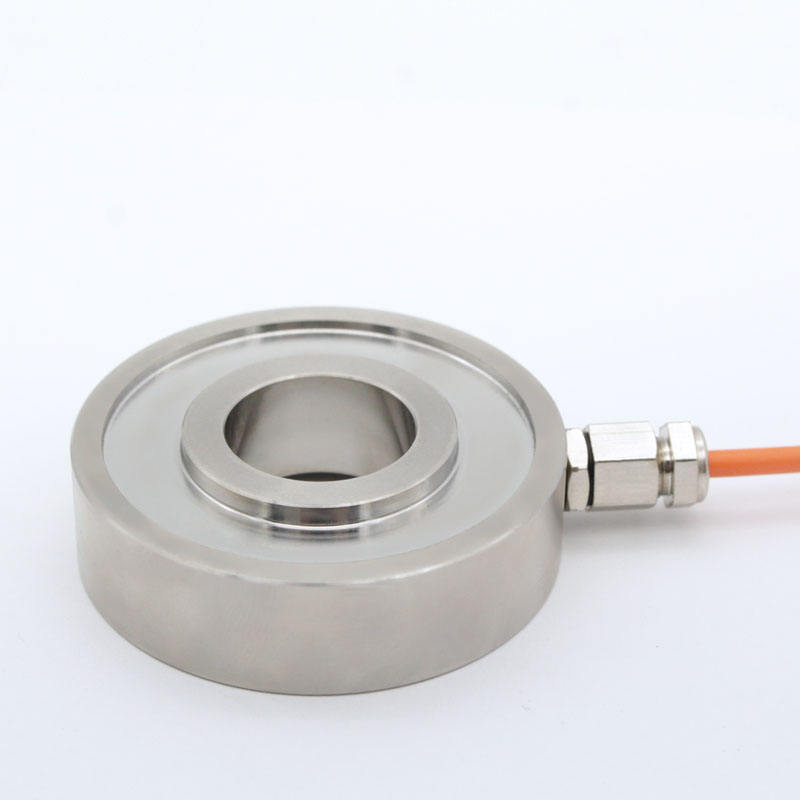
Corrosion Resistance: Many ring load cells are constructed from stainless steel, which is resistant to corrosion and can withstand exposure to harsh chemicals and moisture. This makes them ideal for industries like food processing, pharmaceuticals, and marine applications.
Strength and Durability: The robust nature of the materials used ensures that ring load cells can handle heavy loads without deformation. This durability is crucial for maintaining accuracy over time, especially in demanding environments.
Temperature Tolerance: High-quality materials allow ring load cells to operate effectively in a wide range of temperatures. This is important in applications where environmental conditions can vary significantly.
Lightweight Options: Some ring load cells are made from aluminum, offering a lightweight alternative that still provides adequate strength for less demanding applications. This can reduce the overall weight of equipment and facilitate easier handling.
By selecting the right materials, buyers can ensure that their ring load cells will perform reliably in their specific industrial settings, thus enhancing overall operational efficiency.
In summary, understanding the specifications, installation requirements, supplier options, effective applications, and material advantages of ring load cells will empower B2B buyers to make informed decisions, ultimately enhancing the efficiency and reliability of their operations.
 EN
EN