S-Type Load Cells with Display: Key Considerations

application/s-type-load-cell-with-display, application/s-type-load-cell-with-display, 
Inquiry
Inquiry

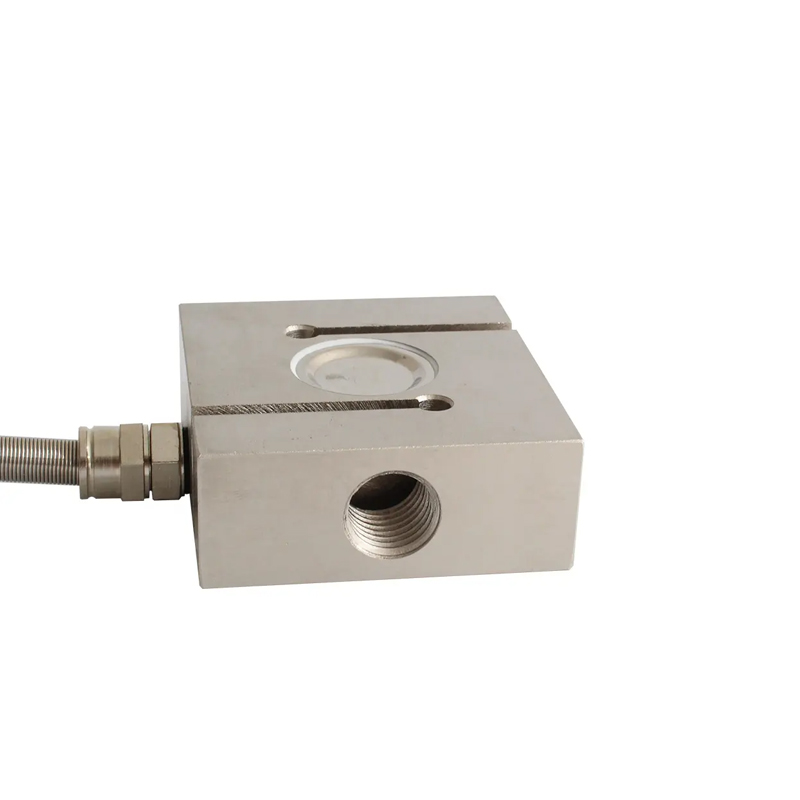
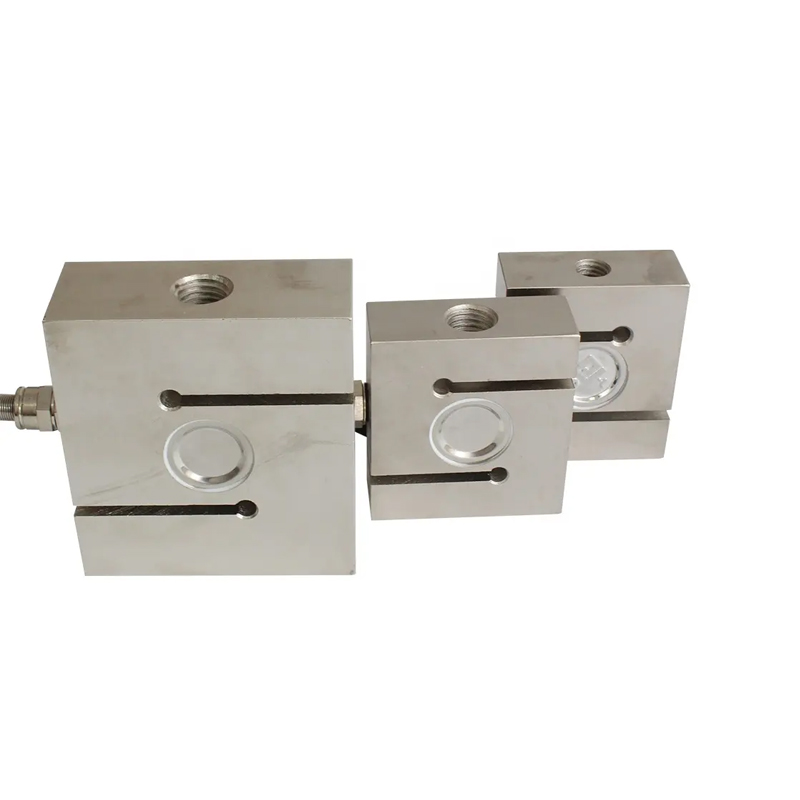
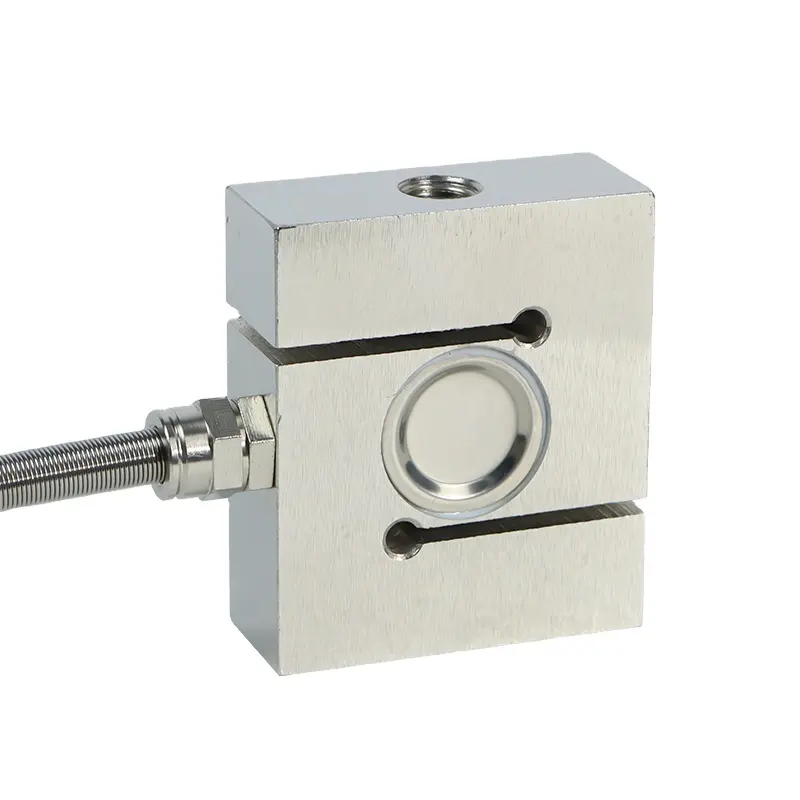
S type load cell with display

S-Type load cells with displays are essential components in various industrial and commercial applications, providing precise weight measurements and ensuring operational efficiency. For purchasing managers and engineers, understanding the specifications, quality evaluation, and best practices for these devices is crucial for making informed decisions. This article will explore the key considerations when selecting PST S-Type load cells with displays, helping you navigate the purchasing process effectively.

Evaluating Quality in S-Type Load Cells with Display Technology

Evaluating Quality in S-Type Load Cells with Display Technology

Quality evaluation is a critical step in the purchasing process for S-Type load cells. High-quality load cells can significantly impact the accuracy and reliability of your measurements. Here are key factors to consider: 

Certification and Compliance: Look for load cells that are CE and RoHS certified, as these certifications indicate compliance with international safety and environmental standards. This is particularly important for industries with strict regulatory requirements. 

Quality Control Processes: Inquire about the manufacturer's quality control processes. High-quality manufacturers often have rigorous testing protocols to ensure that each load cell meets specified tolerances for accuracy and performance. 

Reputation and Reviews: Research the manufacturer's reputation in the industry. Customer feedback and case studies can provide insight into the reliability and performance of their products. 

Warranty and Support: A solid warranty and responsive customer support can be indicators of quality. Manufacturers that stand behind their products are more likely to provide high-quality solutions. 

By focusing on these quality indicators, you can mitigate risks associated with poor performance and enhance the longevity of your investment.

Best Practices

Best Practices

Implementing best practices when dealing with S-Type load cells with displays can optimize their performance and lifespan: 

Installation: Proper installation is crucial to ensure accurate performance. Load cells should be installed on a flat, stable surface, and aligned correctly to avoid misalignment errors. 

Calibration: Regular calibration is essential to maintain accuracy. Follow the manufacturer’s guidelines for calibration intervals and procedures to ensure the load cells remain within specified accuracy limits. 

Environmental Considerations: If the industrial load cells will be used in harsh environments, consider using protective enclosures or selecting load cells specifically designed for such conditions. 

Routine Maintenance: Regular inspections and maintenance help identify potential issues before they become critical. Check for signs of wear, corrosion, or physical damage regularly. 

Documentation: Maintain comprehensive records of installation, calibration, and maintenance activities. This documentation can assist in troubleshooting and compliance with industry standards. 

Following these best practices can greatly enhance the reliability and effectiveness of your load cell systems.

Cost Considerations When Purchasing S-Type Load Cells in Bulk

Cost Considerations When Purchasing S-Type Load Cells in Bulk

When purchasing PST S-Type load cells with displays in bulk, several cost factors come into play: 

Unit Price: Typically, the unit price decreases with larger orders due to economies of scale. It’s advisable to request quotes from multiple suppliers to compare pricing. 

Shipping and Handling: Bulk orders may incur higher shipping costs. Be sure to factor in these costs when calculating the total expense. Consider negotiating with suppliers for better shipping rates based on volume. 

Customization Costs: If you require specific features or configurations, customization can significantly impact costs. Discuss your needs with the manufacturer to understand any additional charges. 

Long-Term Value: While the initial purchase price is important, consider the total cost of ownership, which includes maintenance, calibration, and potential downtime costs if the load cells fail. 

Payment Terms: Understand the payment terms offered by suppliers. Some may offer discounts for early payment, while others may have flexible terms that can help with cash flow. 

By carefully considering these cost factors, you can make a more informed purchasing decision that aligns with your budget and operational needs.

Common Problems and Solutions for S-Type Load Cells with Displays

Like any technology, S-Type load cells with displays can encounter issues that may affect their performance. Recognizing common problems and their solutions can help you mitigate risks: 

Inaccurate Readings: This can result from misalignment during installation or mechanical stress on the load cell. To resolve this, ensure proper alignment during installation and avoid overloading the load cell beyond its rated capacity. 

Drift in Measurements: Over time, load cells may exhibit drift, leading to inaccurate readings. Regular calibration is essential to address this issue. Establish a routine calibration schedule based on the manufacturer’s recommendations. 

Environmental Interference: Extreme temperatures, humidity, or electromagnetic interference can impact the performance of load cells. Use load cells with appropriate environmental ratings or implement protective measures to shield them from adverse conditions. 

Display Malfunctions: If the display is not functioning correctly, check the power supply and connections. Ensure that all wiring is secure and conforms to the manufacturer's specifications. 

Poor Communication with Control Systems: If you experience issues with data transmission, verify that the output signal type is compatible with your existing systems. Consult the manufacturer for troubleshooting guidance. 

By being aware of these common issues and their solutions, you can enhance the operational reliability of load cell transmitter with displays and ensure smooth workflows in your applications. 

Understanding Specifications for S-Type Load Cells with Display

When evaluating PST S-Type load cells with displays, it's essential to consider several key specifications that affect their performance. 

Load Capacity: This indicates the maximum weight the load cell can accurately measure. It’s critical to select a load cell with a capacity that exceeds the expected load to avoid damage and ensure longevity. 

Accuracy and Resolution: Accuracy is often expressed as a percentage of the full-scale output. A load cell with higher accuracy will provide more reliable readings, which is vital in applications where precision is paramount. Resolution refers to the smallest increment of weight that can be measured and displayed. 

Material and Construction: Most S-Type load cells are made from high-strength materials such as stainless steel, which offers durability and resistance to environmental factors. The choice of material can influence the load cell's performance under various conditions, including temperature fluctuations and exposure to moisture. 

Environmental Rating: Some load cells have IP ratings that indicate their resistance to dust and water ingress. This is particularly important for outdoor applications or environments with high humidity. 

Output Signal: Common output signals for load cells include analog (e. g., 4-20 mA, 0-10 V) and digital (e. g., RS-232, RS-485). The choice of output type should align with the existing systems in use for seamless integration. 

By thoroughly understanding these specifications, you can ensure that the bending beam load cell with displays you select are well-suited for your specific applications.

Frequently Asked Questions

What is the S type load cell with display used for?

It measures tension and compression forces and displays real-time weight or force values. Ideal for lifting, weighing, automation, and new energy applications.
The S type load cell with display carries CE and RoHS certifications, ensuring compliance with safety and environmental standards.
Available in multiple capacity ranges with high-precision accuracy. Specific ranges and accuracy options can be provided per customer requirements under OEM/ODM.
Yes. We offer OEM/ODM customization for display format, units, mounting, and communication interfaces to suit your application needs.
We provide technical support, calibration guidance, and a standard warranty. Additional service agreements and extended warranty options are available upon request.

Get a Free Quote

Our representative will contact you soon.
0/1000