Weighbridge Junction Box: Key Factors & Solutions

application/weighbridge-junction-box, application/weighbridge-junction-box, 
Inquiry
Inquiry

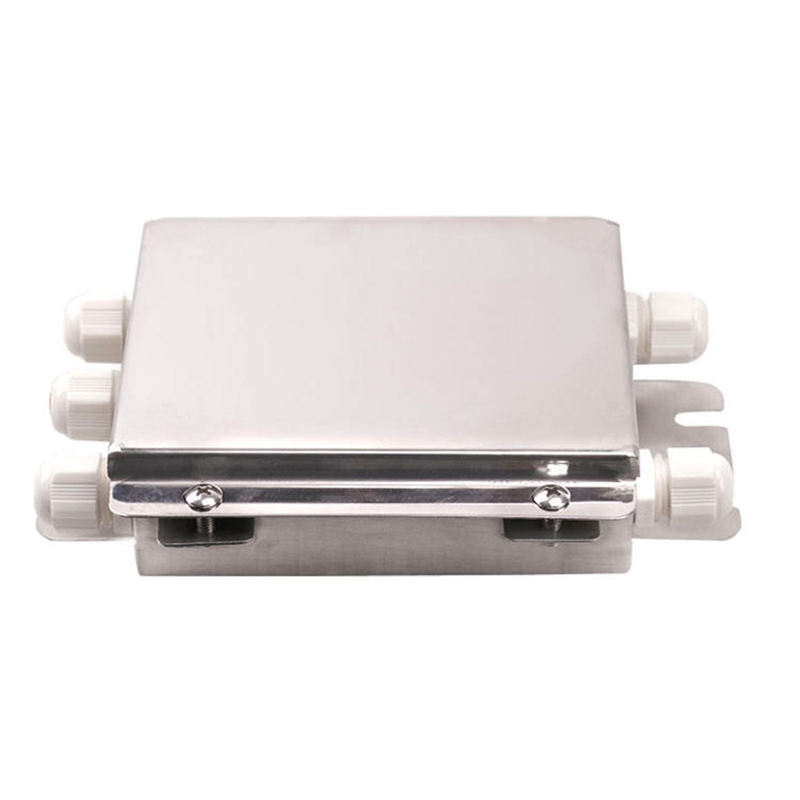
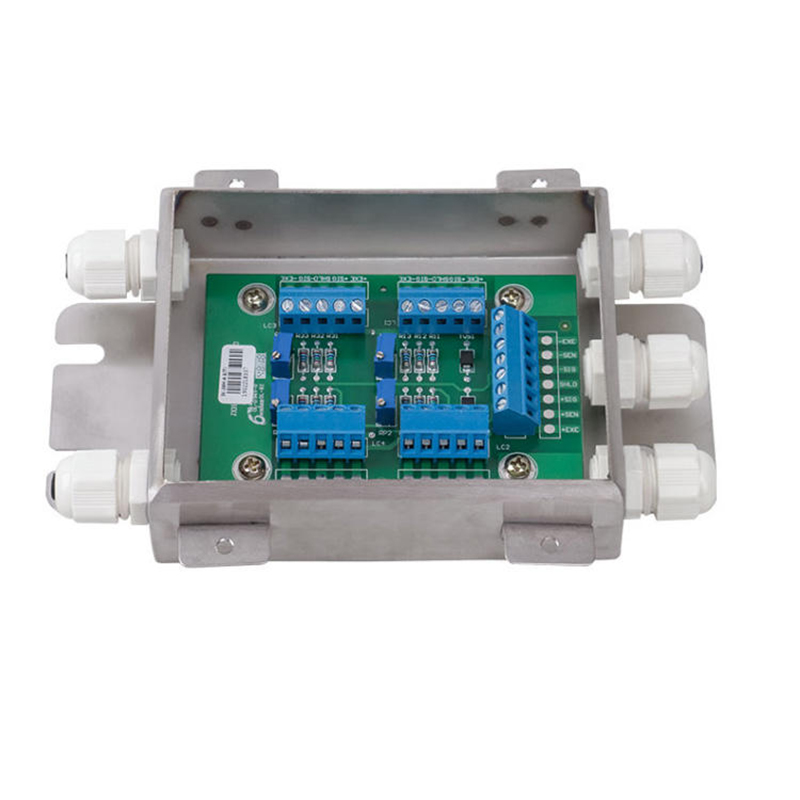
Weighbridge junction box

A weighbridge junction box is a critical component in weighbridge systems, ensuring the safe and effective transmission of signals from load cells and other sensors to the weighing terminal. For purchasing managers and engineers in the manufacturing and industrial sectors, understanding the specifications, sourcing options, and potential issues associated with weighbridge junction boxes is essential for making informed decisions. This article will explore key considerations, reliable weighbridge junction box suppliers, cost factors, common problems with weighbridge junction boxes, and application scenarios to guide buyers in their procurement process. 

Where to Source Reliable Weighbridge Junction Box Suppliers

Where to Source Reliable Weighbridge Junction Box Suppliers

Sourcing a reliable supplier for weighbridge junction boxes involves thorough research and evaluation. Here are some recommended strategies: 

Industry Directories and Trade Shows: Engaging with industry-specific directories or attending trade shows focused on manufacturing and industrial automation can help identify reputable suppliers. This Load cell indicator also allows for firsthand discussions about product specifications and capabilities. 

Online Marketplaces: Platforms such as Alibaba or ThomasNet can provide access to numerous manufacturers and suppliers. It’s important to check reviews and ratings to gauge the reliability of these providers. 

Request for Proposals (RFPs): Sending out RFPs to multiple suppliers can help compare offerings based on technical specifications, pricing, and lead times. This process also encourages suppliers to provide detailed information about their quality control measures and production capabilities. 

Network Referrals: Leverage your professional network to gather referrals for suppliers known for their quality products and customer service. Colleagues in similar industries may have valuable insights based on their experiences. 

Cost Factors When Purchasing Weighbridge Junction Boxes in Bulk

Cost Factors When Purchasing Weighbridge Junction Boxes in Bulk

When purchasing weighbridge junction boxes, particularly in bulk, several cost factors need to be analyzed to ensure an optimal budget: 

Unit Price: The base price per unit typically decreases with higher order quantities due to economies of scale. However, buyers should be cautious of overly low prices that may indicate compromised quality. 

Shipping and Handling Costs: Consider the logistics involved in transporting the junction boxes. Shipping costs can vary based on the size of the order, weight, and destination. It may be beneficial to negotiate terms with Linear sensor suppliers who can offer bulk shipping discounts. 

Custom Duties and Taxes: Depending on the country of origin and destination, customs duties may apply. Buyers should factor these costs into their overall budget when importing products. 

Quality Assurance Expenses: To ensure the reliability of the products, conduct quality checks and testing. This may involve costs for sample approvals or third-party inspections, which should be included in the total procurement budget. 

Warranty and Support: Evaluate the warranty terms offered by suppliers. A longer warranty period may indicate higher confidence in product quality and can mitigate future costs associated with replacements or repairs. 

Common Problems with Weighbridge Junction Boxes and Their Solutions

Common Problems with Weighbridge Junction Boxes and Their Solutions

While weighbridge junction boxes are designed for durability and reliability, buyers may encounter a few common issues. Recognizing these problems early can help avoid operational delays: 

Signal Interference: One common problem is signal interference due to electromagnetic or radio frequency interference. To mitigate this, ensure that all cables are properly shielded and consider using ferrite beads to reduce noise. 

Moisture Ingress: If moisture enters the junction box, it can cause electrical failures. Regularly inspect seals and gaskets for wear and replace them as necessary. Additionally, ensure that the box is installed at an appropriate elevation to avoid water pooling. 

Overheating: Junction boxes can overheat if they are not adequately ventilated. Ensure that the design includes sufficient ventilation or consider using boxes with built-in thermal management features. 

Corrosion: In environments with harsh chemicals or saline conditions, corrosion can be a significant issue. Using corrosion-resistant materials and coatings can extend the lifespan of the junction box. 

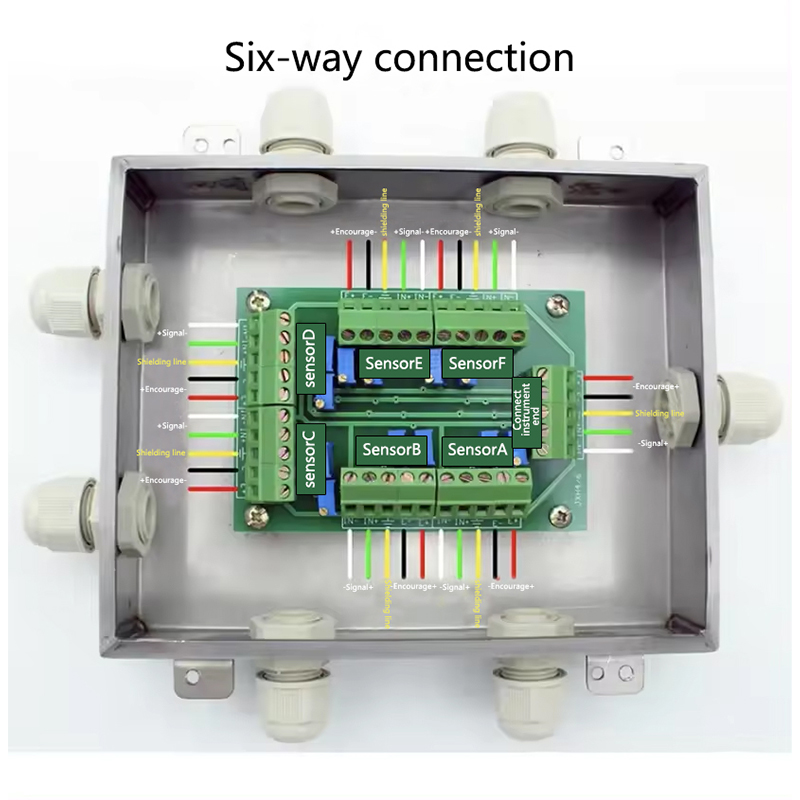
Incorrect Wiring: Miswiring during installation can lead to system failures. Provide clear wiring diagrams and ensure that installation personnel are trained in proper procedures. 

Application Scenarios for Weighbridge Junction Boxes in Various Industries

Weighbridge junction boxes find applications across various industries, each with unique requirements: 

Construction: In construction sites, weighbridge junction boxes are critical for monitoring the load of materials entering and leaving the site. The robustness of the junction boxes ensures they withstand the rough conditions typical of such environments. 

Logistics and Transportation: In logistics, weighbridge systems help manage vehicle weights for compliance with legal limits. Junction boxes play a vital role in ensuring accurate weight measurements and reliable data transmission. 

Agriculture: Agricultural operations utilize weighbridges for bulk materials like grain and fertilizer. The junction boxes must be able to handle variations in load due to the nature of the materials being weighed. 

Mining: In the mining sector, weighbridge junction boxes assist in tracking the weight of extracted materials. Their durability is essential for operating in outdoor, rugged conditions, often subject to dust and moisture. 

Recycling: Recycling facilities use weighbridges to measure incoming and outgoing materials, ensuring accurate records for both inventory and regulatory compliance. The junction boxes must be resistant to the various substances they encounter. 

By understanding the key factors involved in selecting, sourcing, and maintaining weighbridge junction boxes, B2B buyers can make informed decisions that enhance operational efficiency and reliability in their respective industries. 

Key Factors to Consider

When selecting a weighbridge junction box, several key factors must be considered to ensure optimal performance and compatibility with your weighing system. 

Material and Durability: Weighbridge junction boxes are typically made from materials like aluminum or stainless steel, which offer resistance to harsh environmental conditions. For applications exposed to moisture or extreme temperatures, choosing a box with appropriate IP (Ingress Protection) ratings is critical to prevent corrosion and ensure long-term reliability. 

Electrical Specifications: Buyers should verify that the junction box can handle the required voltage and current specifications of the load cells being used. Compatibility with the electrical load cell box components of the weighbridge system is crucial to avoid signal loss or interference. 

Sealing and Protection: A quality weighbridge junction box should be properly sealed to protect against dust and moisture. Look for features such as gaskets and pressure relief valves, which can enhance the longevity of the box in outdoor environments. 

Customization Options: Depending on specific application needs, customization may be necessary. This can include modifications to the number of input/output channels or additional features such as surge protection and noise filters. 

Certifications: Ensure the junction box complies with relevant industry standards and certifications, such as CE or RoHS, to guarantee safety and environmental compliance. 

Frequently Asked Questions

What is a weighbridge junction box used for?

A weighbridge junction box connects multiple load cells to the indicator, providing secure wiring, signal summing, and lightning/EMI protection for accurate large-scale weighing installations.
Compatible with high-precision single-point and shear beam load cells supplied by the company and most standard analog load cells using wheatstone bridge outputs.
Our junction boxes are designed and manufactured under CE and RoHS compliant processes, ensuring safety, EMC control, and environmental material standards.
Yes. We offer OEM/ODM customization including enclosure size, cable glands, terminal types, surge protection, and customized wiring diagrams to fit your system.
Mount in a dry, accessible location; connect load cell wiring per provided diagram; tighten terminals and seal cable entries; perform periodic checks for corrosion, tightness, and signal stability.

Get a Free Quote

Our representative will contact you soon.
0/1000