Choosing the Right Junction Box for Load Cells

application/junction-box-for-load-cell, application/junction-box-for-load-cell, 
Inquiry
Inquiry

Junction box for load cell

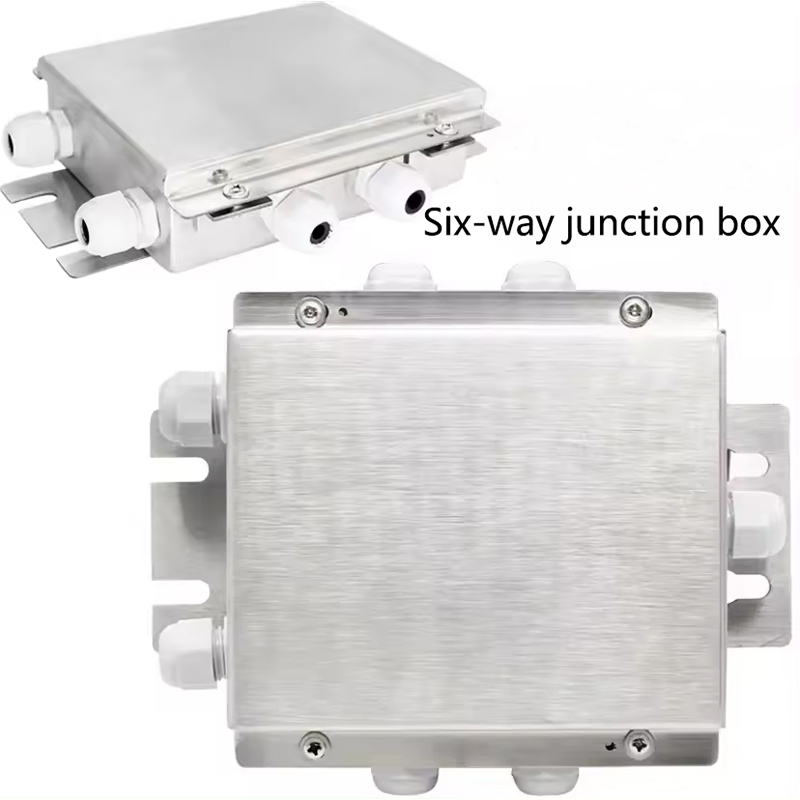
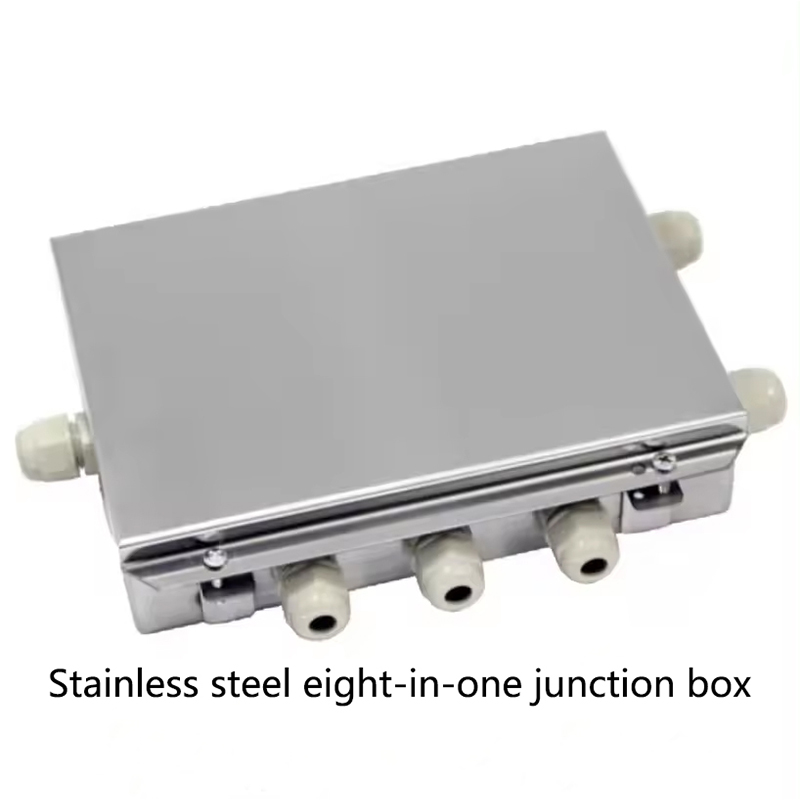
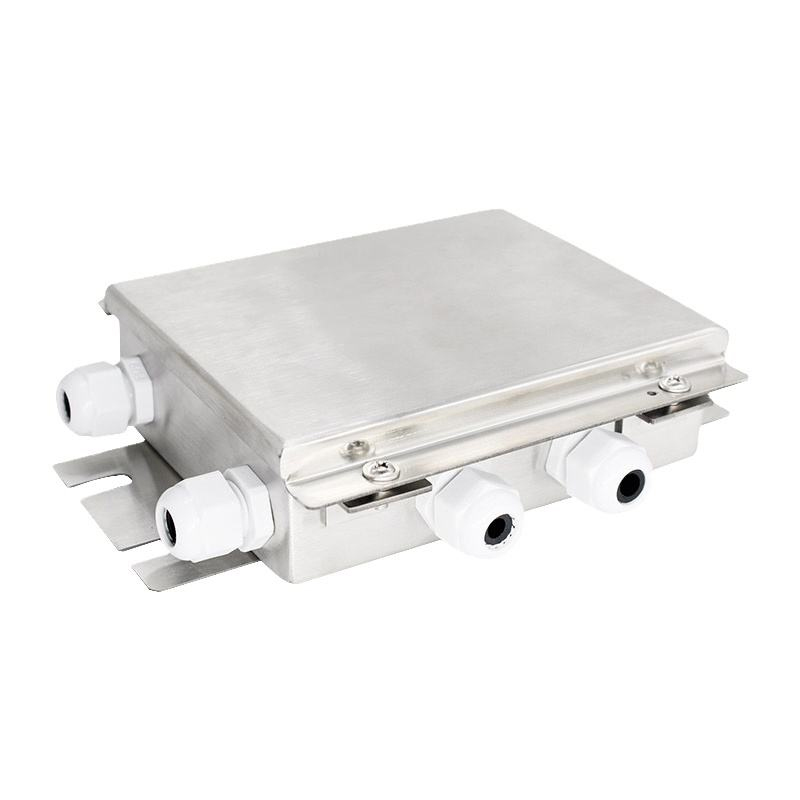
Choosing the right junction box for load cells is crucial for ensuring accurate performance and durability in various applications. As a key component in the weighing and automation industries, these junction boxes must meet specific requirements to perform reliably. This article will guide B2B buyers, purchasing managers, and engineers through the essential considerations when selecting a junction box for load cells, sourcing options, trusted products, installation guidelines, and performance comparisons.

Where to Source Reliable Junction Boxes for Load Cells Wholesale

Where to Source Reliable Junction Boxes for Load Cells Wholesale

Sourcing reliable junction boxes for load cells requires careful consideration of suppliers. Look for manufacturers with a strong reputation in the industry, such as JIANGXI JINGCE SENSING TECHNOLOGY CO., LTD., which specializes in high-precision load cells and related components. Suppliers that offer OEM/ODM solutions can provide customized junction boxes tailored to specific application needs. 

In addition to manufacturer reputation, it's beneficial to explore wholesale distributors who specialize in electrical and industrial components. These distributors often have established relationships with manufacturers, which can lead to better pricing and availability. 

When reaching out for quotes, provide detailed specifications, including the required material, dimensions, and any customization needs. This information will help suppliers offer accurate pricing and lead times.

Junction Boxes for Load Cells You Can Trust

Junction Boxes for Load Cells You Can Trust

When it comes to junction boxes for load cells, trust is paramount. Look for products that have been tested and certified for quality assurance. A good practice is to request samples before committing to a bulk order. Evaluating a sample allows buyers to assess the build quality, sealing effectiveness, and overall fit with existing systems. 

Additionally, inquire about the manufacturer’s quality control processes. Trusted manufacturers will have stringent quality checks in place, including inspections during various production stages. This ensures that the final products meet the required specifications and performance standards. 

Consider customer reviews and testimonials as well. Feedback from other businesses can provide insight into the reliability and performance of the load cell conditioner in real-world applications. 

Installation Guidance for Junction Boxes Used with Load Cells

Installation Guidance for Junction Boxes Used with Load Cells

Proper installation of PST junction boxes for load cells is critical for optimal performance. Begin by ensuring that the installation location is suitable, taking into account environmental factors such as humidity, temperature, and exposure to chemicals. 

Before installation, review the wiring diagrams provided by the manufacturer to ensure correct connections. Improper wiring can lead to inaccurate readings or equipment failure. It's advisable to use high-quality connectors and wiring to maintain signal integrity. 

During the installation process, make sure to secure the junction box firmly to avoid movement, which could lead to strain on the load cell connections. If the junction box is rated for outdoor use, ensure that it is installed in a location that maximizes its protective features against the elements. 

After installation, conduct a thorough functionality test to verify that all connections work correctly and that the load cell operates as intended. Regular maintenance checks are also recommended to ensure long-term reliability.

Comparing Different Junction Boxes for Load Cell Performance and Durability

When evaluating different PST junction boxes for load cell applications, performance and durability are key differentiators. One important aspect to consider is the load rating of the junction box itself, which should match or exceed the load cell’s capacity. This ensures that the junction box can handle the mechanical stress without failing. 

Additionally, compare the temperature and humidity ratings. Junction boxes designed to operate in extreme temperatures or high humidity will typically have advanced sealing and material features. This is particularly important in manufacturing and outdoor settings. 

Another factor to assess is the ease of installation and maintenance. Some junction boxes come with features such as removable covers or built-in wiring guides, which can simplify the installation process and reduce downtime during maintenance. 

Lastly, consider the warranty and support offered by the manufacturer. A robust warranty can be indicative of the manufacturer’s confidence in their product quality, while responsive customer support can aid in resolving any issues that may arise during installation or operation. 

By considering these factors, B2B buyers can make informed decisions about load cell amp, ensuring reliable performance and durability in their applications. 

What to Consider When Choosing a Junction Box for Load Cells

When selecting a PST junction box for load cells, several key factors need to be evaluated to ensure compatibility and performance. Firstly, material selection is crucial. Junction boxes made from robust materials like polycarbonate or aluminum can provide enhanced protection against environmental factors such as moisture, dust, and temperature variations. This is especially important in outdoor applications or harsh industrial settings. 

Next, dimensions and weight capacity must align with the specific load cell being used. The load cell junction box should accommodate the load cell’s size and allow for adequate wiring space without compromising on safety. It's essential to check the specifications of both the junction box and load cell to ensure they are compatible. 

Another consideration is the sealing method. A junction box should have appropriate IP ratings (Ingress Protection) to ensure it meets the necessary protection against dust and water ingress. For instance, an IP67 rating indicates that the junction box is dust-tight and can withstand immersion in water, which is vital for outdoor installations. 

Finally, assess the certifications such as CE and RoHS, which indicate compliance with industry standards and regulations. These certifications are essential for ensuring quality and safety in applications.

Frequently Asked Questions

What is the junction box for load cell used for?

It consolidates and protects load cell wiring and connectors, enabling secure signal routing and easier installation in weighing and force measurement systems.
Compatible with single or multiple analog load cells; supports common bridge configurations. Specify model and wiring when ordering for tailored terminals.
Manufactured under CE and RoHS compliance, meeting high-precision sensor quality controls and OEM/ODM production standards.
Yes. We offer OEM/ODM customization for terminal layout, ingress protection, cable glands, and mounting to suit lifting, weighing, automation, or energy projects.
Install per wiring diagram, secure cable glands, and torque terminals. Keep seals clean and inspect for corrosion; replace seals or connectors if damaged to maintain accuracy and protection.

Get a Free Quote

Our representative will contact you soon.
0/1000