Weight Sensors for Heavy Trucks: Key Specifications

application/weight-sensor-for-heavy-trucks, application/weight-sensor-for-heavy-trucks, 
Inquiry
Inquiry

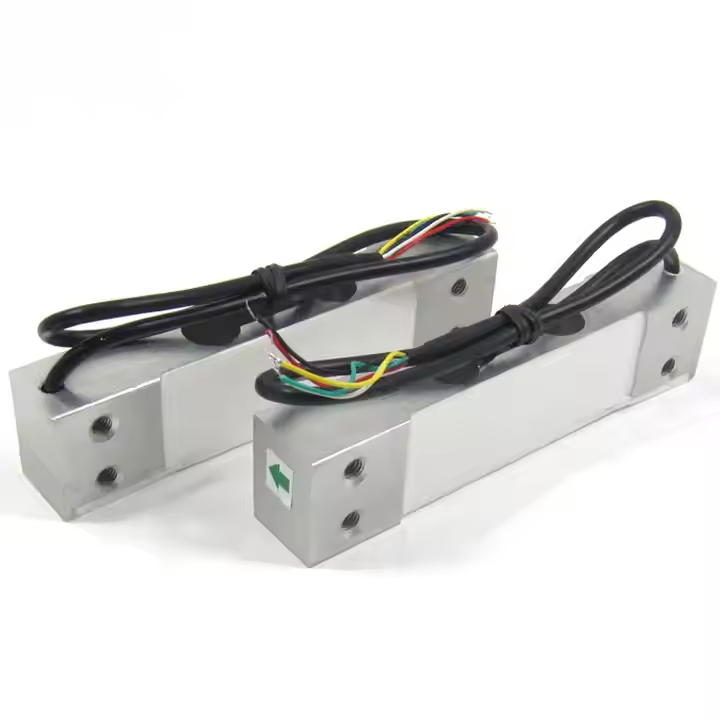
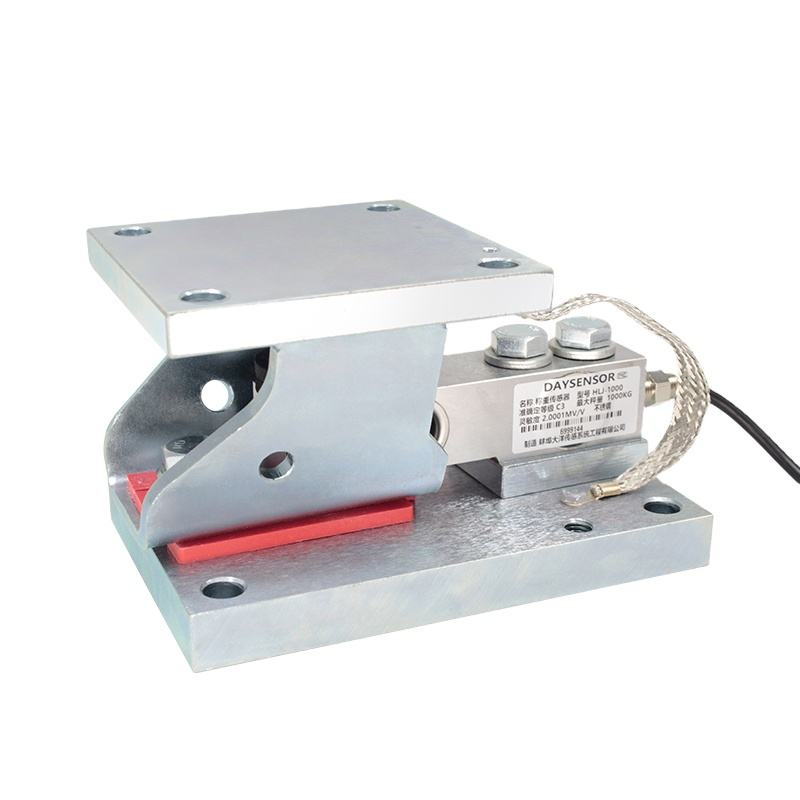
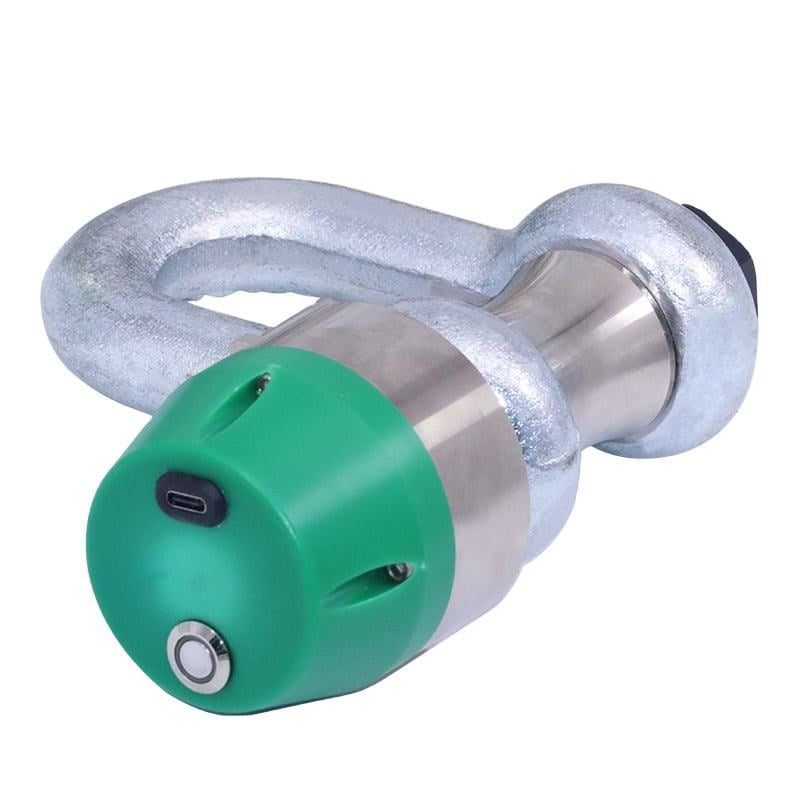
Weight sensor for heavy trucks

Weight sensors for heavy trucks are critical components that ensure safety and efficiency in logistics and transportation. These sensors measure the load weight of vehicles, helping operators maintain compliance with legal weight limits, optimize fuel efficiency, and enhance overall vehicle performance. As a purchasing manager or distributor, understanding the essential specifications, quality indicators, and applications of these sensors is vital for making informed procurement decisions. This article will delve into the key specifications, quality evaluation, applications, bulk order insights, and the material advantages of high-precision Torque rotary sensor tailored for heavy trucks.

How to Evaluate the Quality of Weight Sensors for Heavy Trucks

Evaluating the quality of PST weight sensors is a multi-faceted process involving several key considerations: 

Certifications: Look for products that come with certifications such as CE and RoHS, which indicate compliance with European safety and environmental standards. These certifications are often a good indicator of product quality. 

Manufacturer Reputation: Research the manufacturer’s history and expertise in producing weight sensors. Companies like JIANGXI JINGCE SENSING TECHNOLOGY CO., LTD. have established credibility in the field by specializing in high-precision sensors and having experience in various industrial applications. 

Quality Control Processes: Inquire about the manufacturer’s quality control measures. A robust quality assurance process, including testing at multiple stages of production, is vital for ensuring reliability. 

User Reviews and Case Studies: Look for feedback from existing users or case studies that demonstrate the sensor's performance in real-world applications. This can provide insight into potential issues and overall satisfaction. 

After-Sales Support: Quality does not end at delivery. Consider the level of after-sales support provided, including warranty terms and availability of technical assistance. 

By carefully evaluating these factors, buyers can ensure they are selecting weight sensors that meet their operational needs and provide long-term reliability.

Applications of Weight Sensors in Heavy Truck Operations and Logistics

Weight sensors play a critical role in various applications within heavy truck operations and logistics: 

Load Monitoring: These sensors help in accurately monitoring the weight of loads during transportation, ensuring compliance with weight regulations, which helps avoid fines and penalties. 

Fuel Efficiency: By optimizing load distribution based on accurate weight measurements, companies can enhance fuel efficiency and reduce operational costs. Overloading a truck can lead to increased fuel consumption and wear on the vehicle. 

Safety Enhancements: Proper weight management helps prevent overloading, which can compromise vehicle handling and safety. Sensors provide real-time data that can be used to adjust loads accordingly. 

Inventory Management: In warehouses and distribution centers, weight sensors can assist in inventory management by providing accurate weight data during loading and unloading processes, facilitating better logistics planning. 

Data Integration: With connectivity features, weight sensors can integrate with fleet management systems, providing valuable data analytics that can help optimize routes and improve overall operational efficiency. 

The diverse applications of Encoder Factory in heavy truck logistics highlight their importance in promoting safety, efficiency, and compliance.

Bulk Order Insights for Distributors

For distributors looking to procure weight sensors in bulk, several insights can enhance the purchasing process: 

Minimum Order Quantities (MOQ): Understanding the manufacturer’s MOQ is essential. Some suppliers may have specific requirements based on product lines, which can influence purchasing strategies. 

Pricing Structures: Bulk orders often come with discounts. Inquire about volume pricing to optimize costs, but ensure that any price reductions do not compromise quality. 

Lead Times: Establish the lead times for bulk orders, as these can vary significantly based on inventory levels and production schedules. Planning ahead can help avoid delays in supply chains. 

Customization Options: Many manufacturers offer customization of sensors based on specific operational needs.  Discussing customization during the bulk order process can enhance the utility of the sensors for particular applications. 

Quality Assurance for Bulk Orders: Ensure that quality control measures are in place for bulk orders. Request samples or conduct inspections to verify that the products meet the required specifications before finalizing the order. 

By understanding these factors, distributors can streamline their procurement processes while maintaining quality and cost-effectiveness.

Material Advantages of High-Precision Weight Sensors for Trucks

The materials used in manufacturing PST weight sensors significantly affect their performance and durability. The key material advantages include: 

Durability: High-precision sensors are typically made from materials like stainless steel, which provide excellent strength-to-weight ratios and resistance to corrosion. This is crucial for sensors exposed to the elements in outdoor environments. 

Temperature Resistance: Quality sensors are often designed to withstand a wide range of temperatures, ensuring reliable performance in various climates. This is particularly important for heavy trucks that may operate in extreme conditions. 

Pressure Tolerance: The materials used in weight sensors must be able to handle the mechanical stresses associated with heavy loads without compromising accuracy. High-precision sensors often exhibit superior pressure tolerance due to their design and material composition. 

Lightweight Design: Advances in material science allow for the creation of lightweight yet robust sensors, which can minimize the overall weight of the vehicle while maintaining measurement accuracy. 

Long Lifespan: By using high-quality materials, manufacturers can produce sensors with a longer operational lifespan, reducing the need for frequent replacements and contributing to lower lifetime costs. 

Understanding the material advantages of high-precision weight sensors can guide buyers in selecting products that are not only effective but also cost-efficient in the long run. 

Key Specifications for Heavy Truck Weight Sensors You Should Know

When selecting PST weight sensors for heavy trucks, several specifications must be considered to ensure optimal performance. Key specifications include: 

Load Capacity: The sensor must be able to handle the maximum weight of the truck. For heavy trucks, this often ranges from several tons to upwards of 40 tons. It's essential to choose a sensor with a load capacity that exceeds the maximum expected load to prevent damage. 

Accuracy: High precision is crucial; look for sensors with an accuracy rating of ±0.1% or better. This ensures reliable weight measurement, which is vital for compliance and operational efficiency. 

Material and Construction: Sensors should be constructed from durable materials like stainless steel or aluminum, which provide resistance to corrosion and mechanical stress. This is especially important in harsh operating environments. 

Environmental Ratings: Check for IP ratings that indicate dust and water resistance. An IP67 rating, for example, suggests the sensor can withstand immersion in water, making it suitable for diverse operational conditions. 

Connectivity Options: Modern weight sensors often come with wireless capabilities, allowing for easy integration with existing systems. This can include Bluetooth or Wi-Fi connectivity for real-time data transmission. 

Calibration and Maintenance: Ensure the sensor can be easily calibrated, as this affects long-term performance. Some sensors come with self-calibrating features, which can simplify maintenance. 

Understanding these specifications helps ensure that the selected Linear sensor will perform reliably under the demanding conditions typical for heavy trucks.

Frequently Asked Questions

What is this weight sensor for heavy trucks?

A high-precision load cell designed to measure axle or vehicle weight for heavy trucks, suitable for weighing, lifting, and automation applications.
The sensor carries CE and RoHS certifications, ensuring compliance with relevant safety and environmental standards.
Yes. We offer OEM and ODM options for sensor specifications, calibration, mounting, and communication interfaces to meet your project needs.
Designed for lifting, weighing, automation, and new energy sectors, especially where accurate truck weight measurement and load monitoring are required.
We provide factory calibration, technical support, documentation, and guidance for installation, testing, and integration into weighing systems.

Get a Free Quote

Our representative will contact you soon.
0/1000