Choosing the Right Compact Compression Load Cell

application/compact-compression-load-cell, application/compact-compression-load-cell, 
Inquiry
Inquiry

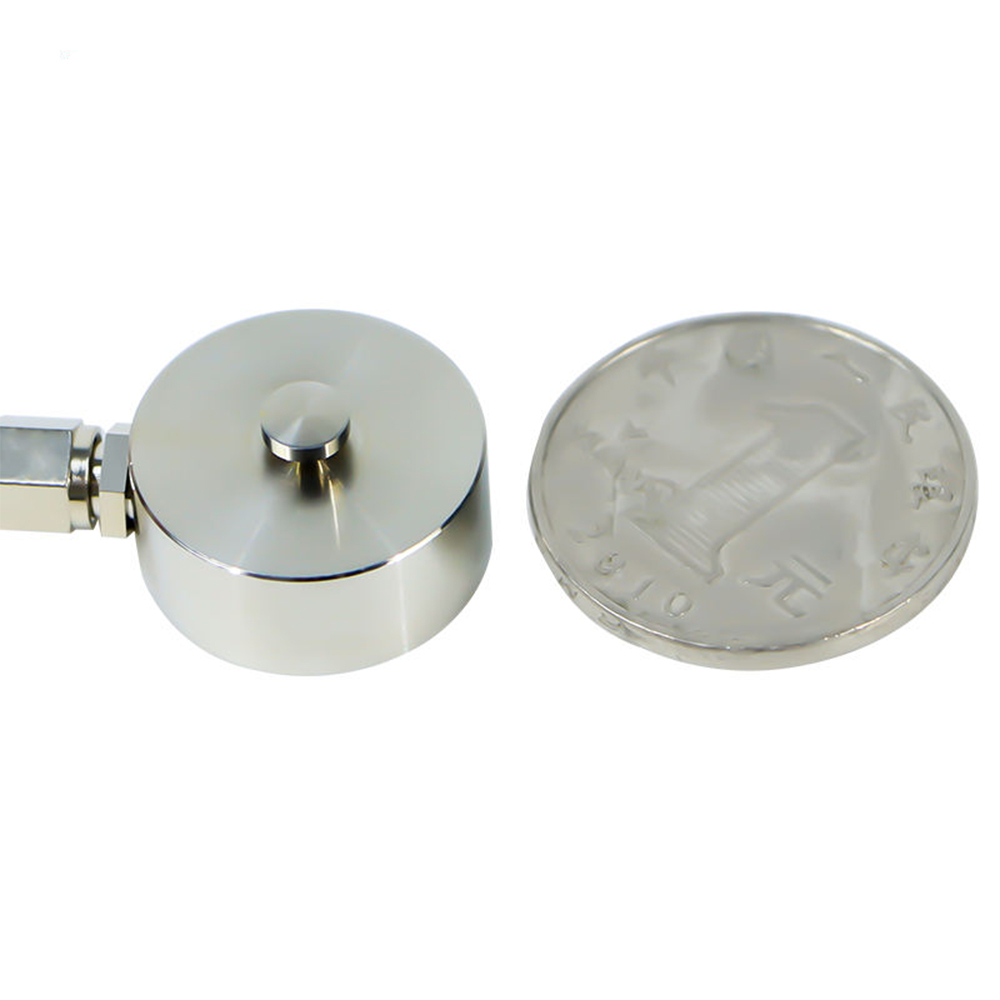
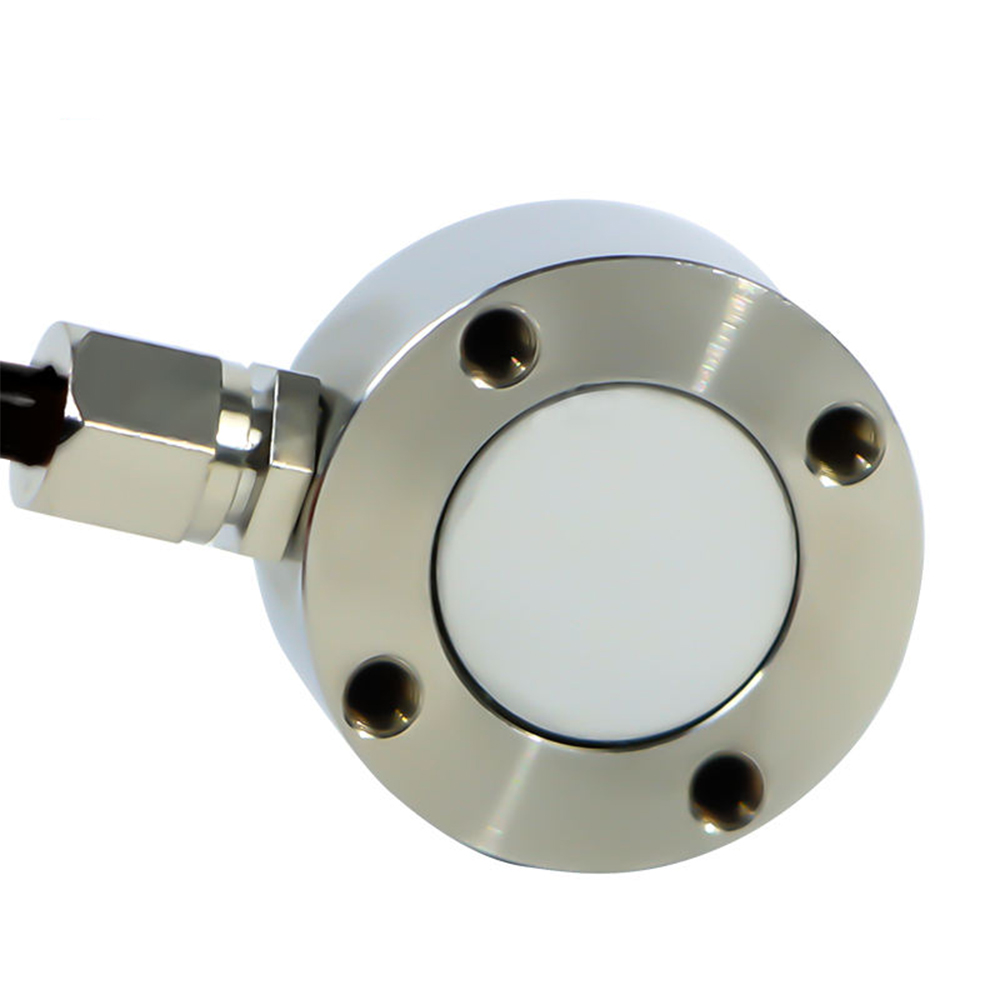
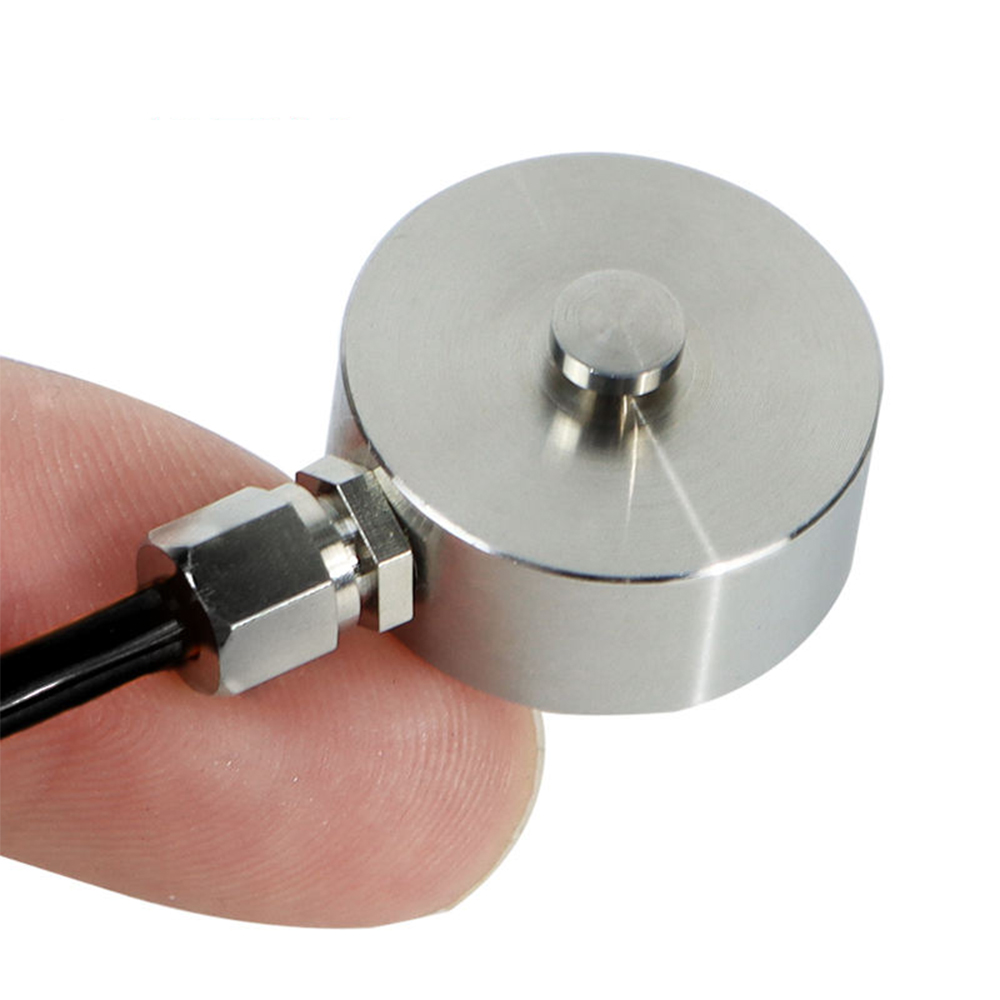
Compact compression load cell

A compact compression load cell is a highly specialized device designed to measure force or weight in various industrial applications. This article aims to address key concerns for B2B buyers, including how to select the right Load cell, its applications across different industries, cost considerations, common issues and solutions, and the material advantages that enhance performance. By understanding these aspects, purchasing managers, engineers, and product managers can make informed decisions when integrating compact compression load cells into their operations. 

Key Applications of Compact Compression Load Cells in Various Industries

Key Applications of Compact Compression Load Cells in Various Industries

Compact compression load cells are versatile instruments used in various industries, including lifting, weighing, automation, and new energy sectors. In the lifting industry, these load cells are pivotal for crane and hoist applications, providing accurate weight measurements to prevent overload and ensure safety. 

In the weighing industry, compact compression load cells are commonly utilized in scales for industrial and commercial purposes. Their high precision allows businesses to maintain compliance with regulatory standards while optimizing inventory management. 

Automation systems also benefit from these load cells, as they can be integrated into production lines to monitor forces exerted during assembly processes. This real-time data collection enhances operational efficiency and reduces the risk of component damage. 

The new energy industry, particularly in load monitoring for wind turbines and solar panel installations, leverages compact compression load cells to ensure structural integrity and performance optimization. In these applications, accurate load measurements are critical for both safety and efficiency. 

Cost Factors to Consider When Purchasing Compact Compression Load Cells

Cost Factors to Consider When Purchasing Compact Compression Load Cells

When purchasing compact compression load cells, several cost factors should be considered beyond the unit price. First, evaluate the total cost of ownership, which includes installation, maintenance, and calibration expenses. A lower initial cost may lead to higher long-term costs if the load cell Encoder Factory requires frequent calibration or replacement. 

Customization also plays a significant role in pricing. If your application requires specific modifications—such as unique dimensions, materials, or features—this could increase the overall cost. It’s essential to communicate your exact requirements to the manufacturer to receive an accurate quotation. 

Additionally, consider the potential costs associated with downtime. Investing in high-quality load cells may result in fewer failures and less maintenance, ultimately reducing operational disruptions and enhancing productivity. 

Lastly, shipping and logistics should not be overlooked. Depending on your location and the supplier's shipping policies, freight costs can significantly impact your overall expenditure. Always discuss these aspects with your supplier to factor them into your budget. 

Common Problems with Compact Compression Load Cells and Solutions Explained

Common Problems with Compact Compression Load Cells and Solutions Explained

Several common issues can arise with compact compression load cells, but understanding these can help mitigate potential disruptions. One frequent problem is drift, where the load cell's readings fluctuate over time, leading to inaccurate measurements.  This can often be resolved through regular calibration and environmental control, ensuring stable conditions for the load cell. 

Another issue is mechanical overload, which can permanently damage the load cell. To prevent this, it's crucial to choose a load cell with an appropriate load rating and to implement safety measures, such as overload protection devices, to safeguard against unexpected weight increases. 

Interference from electromagnetic sources can also affect performance. Installing load cells away from high-voltage equipment or using proper shielding can prevent signal disruptions. Regular maintenance checks can help identify and rectify any emerging issues before they escalate. 

Lastly, improper installation can lead to misalignment and erroneous readings. Ensure that installation guidelines provided by the manufacturer are strictly followed, and consider consulting with an engineer if necessary to ensure correct setup. 

Material Advantages of Compact Compression Load Cells for Optimal Performance

The materials used in the construction of compact compression load cells greatly influence their performance and durability.  Stainless steel is commonly used due to its corrosion resistance and strength, making it ideal for applications in harsh environments. This material provides reliable long-term performance, even when exposed to moisture and corrosive substances. 

Aluminum load cells, while lighter and often less expensive, may not offer the same level of durability as their stainless steel counterparts. However, they can be suitable for applications where weight is a critical factor, provided that the environmental conditions are appropriate. 

Additionally, some load cells utilize specialized coatings or surface treatments to enhance performance. For instance, a protective coating can improve resistance to wear and tear, further extending the load cell's lifespan. 

Finally, the choice of sealing technology is crucial. Load cells with IP67 or IP68 ratings are designed to withstand dust and moisture ingress, making them suitable for outdoor or wet environments. Buyers should confirm these specifications with manufacturers to ensure optimal performance in their specific applications. 

How to Choose the Right Compact Compression Load Cell for Your Needs

Selecting the right compact compression load cell involves understanding several critical specifications and application requirements. First, consider the load capacity, which should match the maximum expected load in your application. Load cells come in various capacities, and exceeding these limits can lead to inaccurate readings or permanent damage. 

Next, evaluate the dimensions and mounting options. The physical dimensions of the load cell must fit within your equipment or system design. Different mounting configurations—whether top-entry, bottom-entry, or side-entry—may be required based on your installation space. 

Another essential factor is the environmental conditions where the load cell will operate. Factors such as temperature, humidity, and exposure to chemicals can impact performance. Ensure that the materials used in the Load cell indicator construction are suitable for your application environment. For instance, stainless steel load cells are often preferred for their corrosion resistance in harsh conditions. 

Lastly, consider the connectivity options. Many modern load cells offer digital outputs for easier integration with automated systems, while others may provide analog outputs. Understanding your system compatibility will ensure seamless data integration and measurement accuracy. 

Frequently Asked Questions

What is the compact compression load cell used for?

It measures compressive forces in lifting, weighing, automation, and new energy applications where space is limited, providing high-precision force data for control and monitoring systems.
Available in multiple capacities with high precision; specific ranges and accuracy depend on model. Contact us with your requirements for model recommendations and specifications.
Our compact compression load cells carry CE and RoHS certifications, ensuring compliance with relevant safety and environmental standards.
Yes. We provide OEM/ODM customization for dimensions, mounting, output, and calibration to fit specific lifting, weighing, or automation needs.
Compact design supports various mounting configurations; environmental specs (temperature, IP rating) vary by model. Provide application details so we can supply exact installation and environment limits.

Get a Free Quote

Our representative will contact you soon.
0/1000