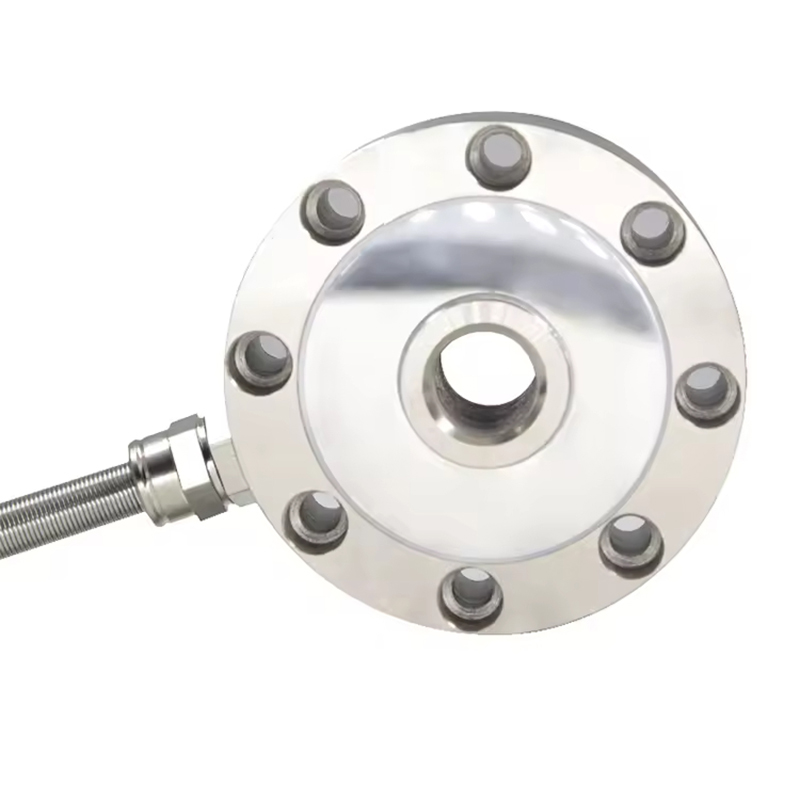
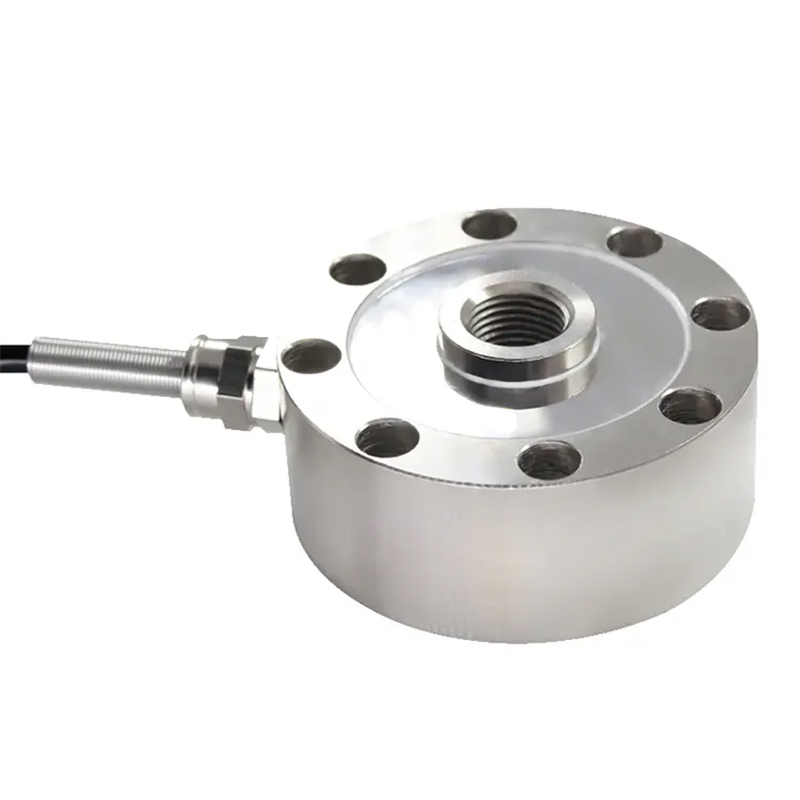
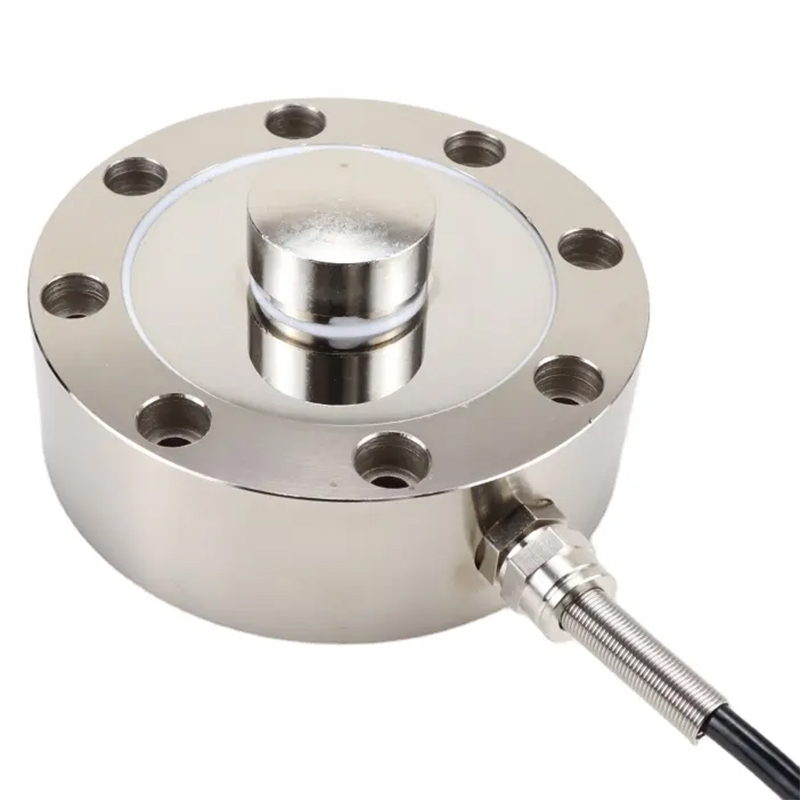
Compression Load Cell Price Analysis for Buyers

application/compression-load-cell-price, application/compression-load-cell-price, 
Inquiry
Inquiry

Compression load cell price

Understanding compression load cell pricing is essential for B2B buyers in various industries, from manufacturing to automation.  These load cells are integral in measuring force or weight with high precision, which makes their pricing a key concern for purchasing managers and engineers alike. This article will help you navigate the complexities of compression wireless load cell prices highlighting factors that influence costs, offering guidance on selecting the right product, and addressing common issues you may encounter from PST.  

How to Choose the Right Compression Load Cell for Your Project Needs?

How to Choose the Right Compression Load Cell for Your Project Needs?

Selecting the right compression load cell involves understanding both your application requirements and the technical specifications of available products. Start by assessing the maximum load capacity you need. This will help narrow down options, as load cells are rated for specific weight ranges. 

Next, consider the accuracy requirements for your application. For instance, if precise measurements are critical, look for load cells with a lower percentage of error. 

Another consideration is the environmental conditions where the load cell will be used. If it will be exposed to harsh conditions, materials with corrosion resistance or specific environmental ratings (like IP ratings) may be necessary. 

Communication and integration capabilities are also vital. Determine if you need best load cells manufacturers that can easily connect with existing systems or if they should support wireless data transmission. 

Lastly, consult with manufacturers, like PST, who can provide insights based on your specifications, ensuring you make the best choice for your needs. 

What Affects Compression Load Cell Pricing for Buyers?

What Affects Compression Load Cell Pricing for Buyers?

Several elements can affect compression load cell pricing that buyers should be aware of. Production costs, including labor, materials, and overhead, are primary drivers of price variations. High-quality materials may lead to a higher initial investment but can provide long-term savings through increased durability and reliability. 

Manufacturing processes also play a key role; for instance, advanced techniques like laser welding may lead to improved performance and longevity but can add to the cost. 

Quality control measures impact pricing as well. Load cell transducer that undergo rigorous testing and certification processes will generally be more expensive due to the added assurance of performance standards, such as CE or RoHS compliance. 

Furthermore, supply chain factors such as availability of materials and shipping costs can influence pricing. B2B buyers should factor in these elements when negotiating with suppliers to get the best value for their investments. 

Best Practices to Follow

Best Practices to Follow

When purchasing compression load cells, following best practices can lead to better outcomes. First, always request product samples before placing a large order. This allows you to confirm that the load cells meet your specifications and perform adequately in real-world conditions. 

Second, ensure that you provide manufacturers with comprehensive technical requirements, including load capacity, expected environmental conditions, and any specific certifications needed. This clarity can prevent misunderstandings and result in more accurate quotations. 

Next, verify the manufacturing capabilities of potential suppliers. Understanding their production processes and quality control measures will give your insight into the reliability and consistency of the products. 

Finally, establish a good communication channel with your supplier. This ensures that any issues can be quickly addressed, and you can receive support throughout the ordering and implementation process. 

Common Problems with Compression Load Cells and Their Effective Solutions

Despite their precision, compression load cells can encounter several common issues that buyers should be aware of. One frequent problem is drift in measurements, which can occur due to temperature fluctuations or mechanical stress. To mitigate this, select load cells with temperature compensation features or ensure they are calibrated regularly. 

Another issue is physical damage during installation. To prevent this, ensure that proper installation procedures are followed, using appropriate mounting hardware and techniques. 

Electrical noise can also affect performance, especially in environments with heavy machinery. Implementing shielding or selecting load cells with built-in noise immunity can help maintain accuracy. 

Lastly, always consider the load cell’s compatibility with other components in your system. Ensure that the signal processing systems and data acquisition devices are compatible to avoid performance issues. 

By understanding these common challenges and their solutions, buyers can make informed purchasing decisions that enhance the reliability and effectiveness of their load cell applications. Regular maintenance and proper handling can further minimize operational problems, extend service life, and ensure consistent measurement accuracy throughout demanding industrial applications.

What Factors Influence Compression Load Cell Price for Bulk Orders?

When considering compression load cell prices for bulk orders, several factors come into play.  Firstly, the material used in manufacturing the load cells significantly impacts pricing.  High-quality materials such as stainless steel or aluminum typically result in higher costs but offer better durability and accuracy. 

Another influential factor is the specifications required for your application.  Load cells can vary in capacity, accuracy, and size. A higher capacity or more precise load cell will generally come at a higher price point. 

Customization is also a critical consideration. If your application requires specific features, such as unique dimensions or additional functionalities (e. g., integrated wireless communication), this can raise the overall cost. 

Finally, order volume and production capabilities play roles in pricing.  Manufacturers like PST often provide discounts for larger orders due to reduced unit costs in bulk production. Understanding these factors will help you make informed budgeting decisions when sourcing compression load cells for your projects. 

Frequently Asked Questions

What is the price range for compression load cells?

Prices vary by capacity, accuracy, and options. Contact us with required range, accuracy class, and quantity for a tailored quote and lead time.
Yes. We provide OEM/ODM pricing for bulk orders. Send specifications and volumes to receive discounted pricing and production timelines.
Yes. Our load cells carry CE and RoHS certifications, ensuring compliance with relevant safety and environmental standards.
We provide calibration certificates and test reports on request, showing accuracy, traceability, and inspection results for each unit.
Customization such as capacity, accuracy, connectors, mounting, wireless options, and environmental protection impacts price. Share requirements for a precise quote.

Get a Free Quote

Our representative will contact you soon.
0/1000