Choosing the Right Linear Position Transducer

application/linear-position-transducer, application/linear-position-transducer, 
Inquiry
Inquiry

Linear position transducer

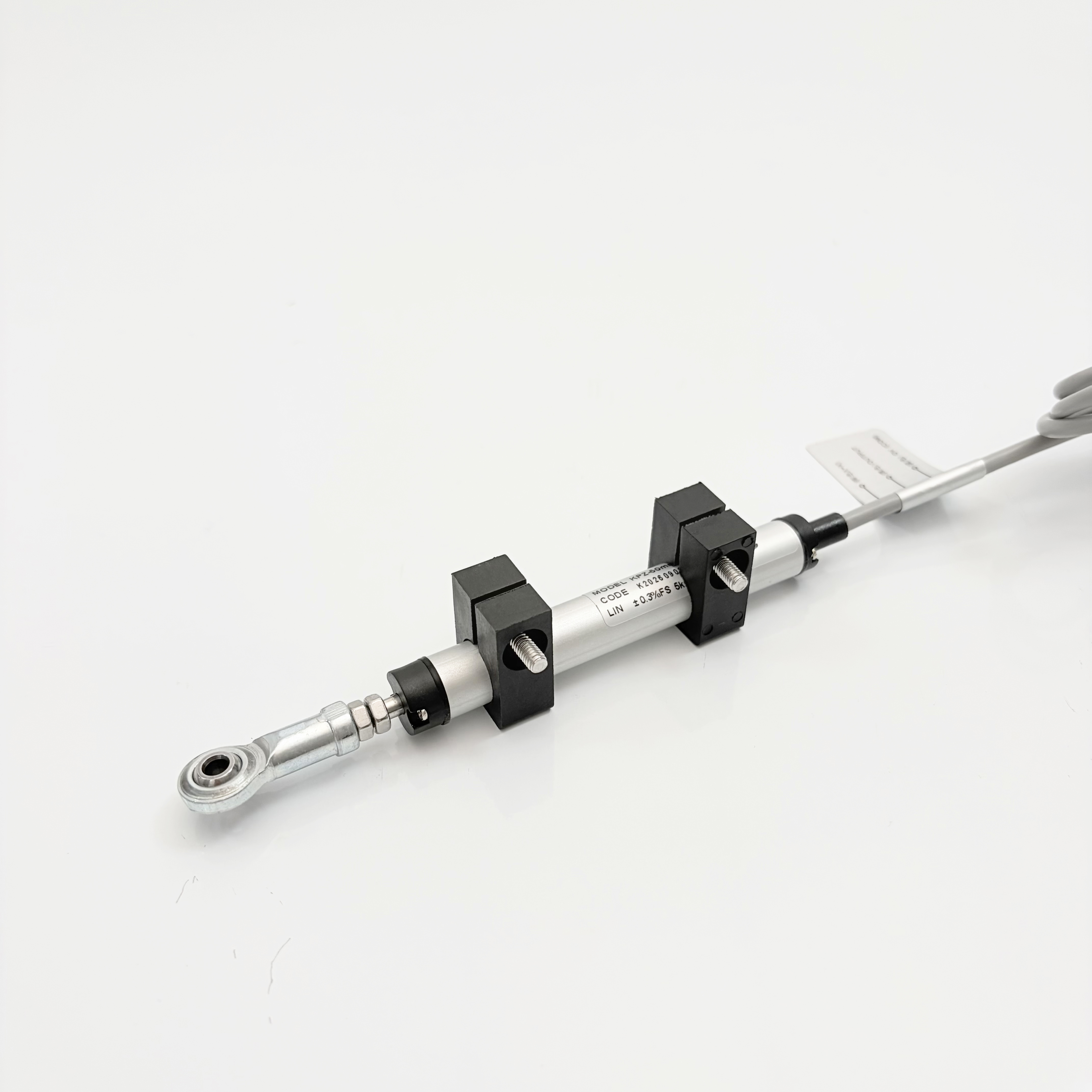
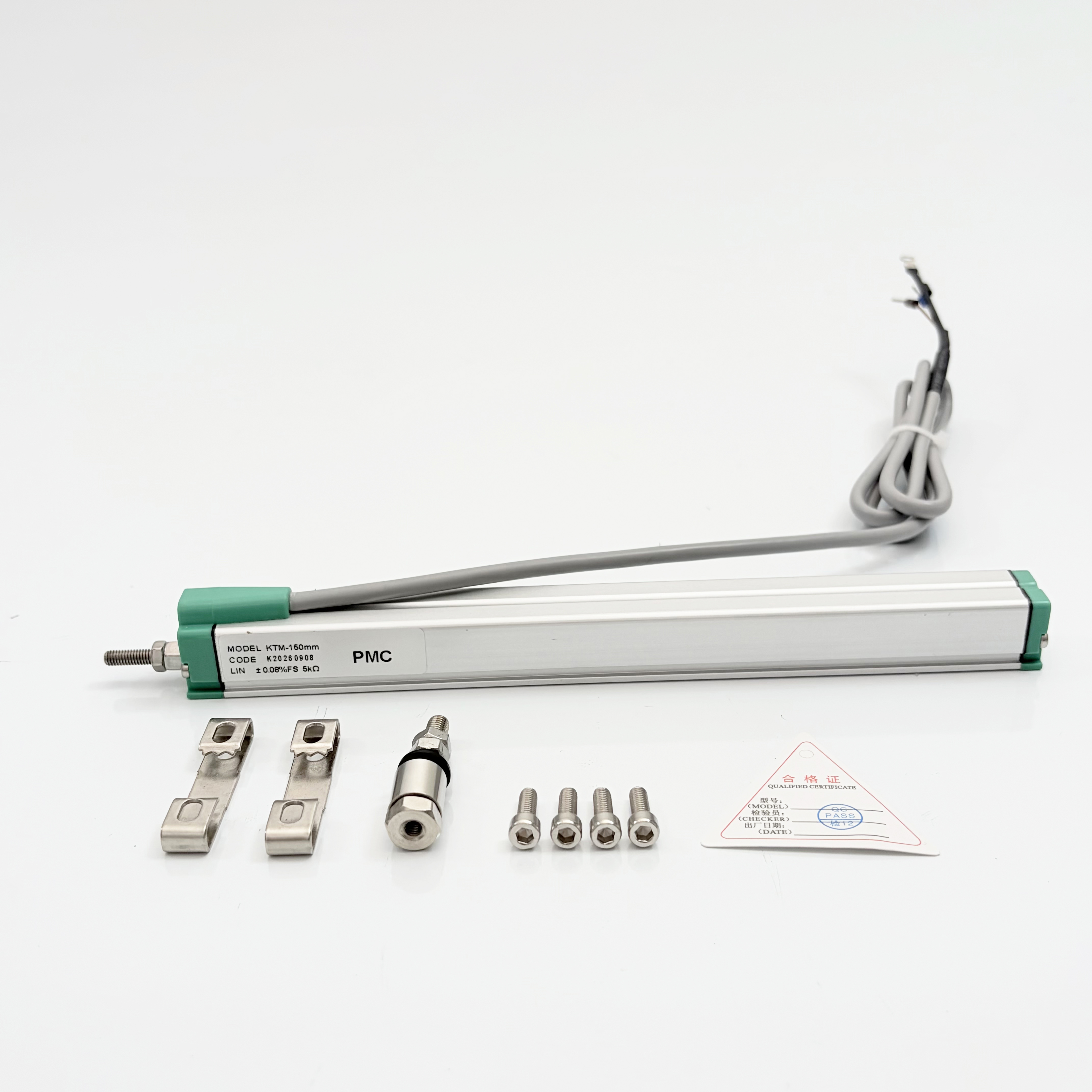
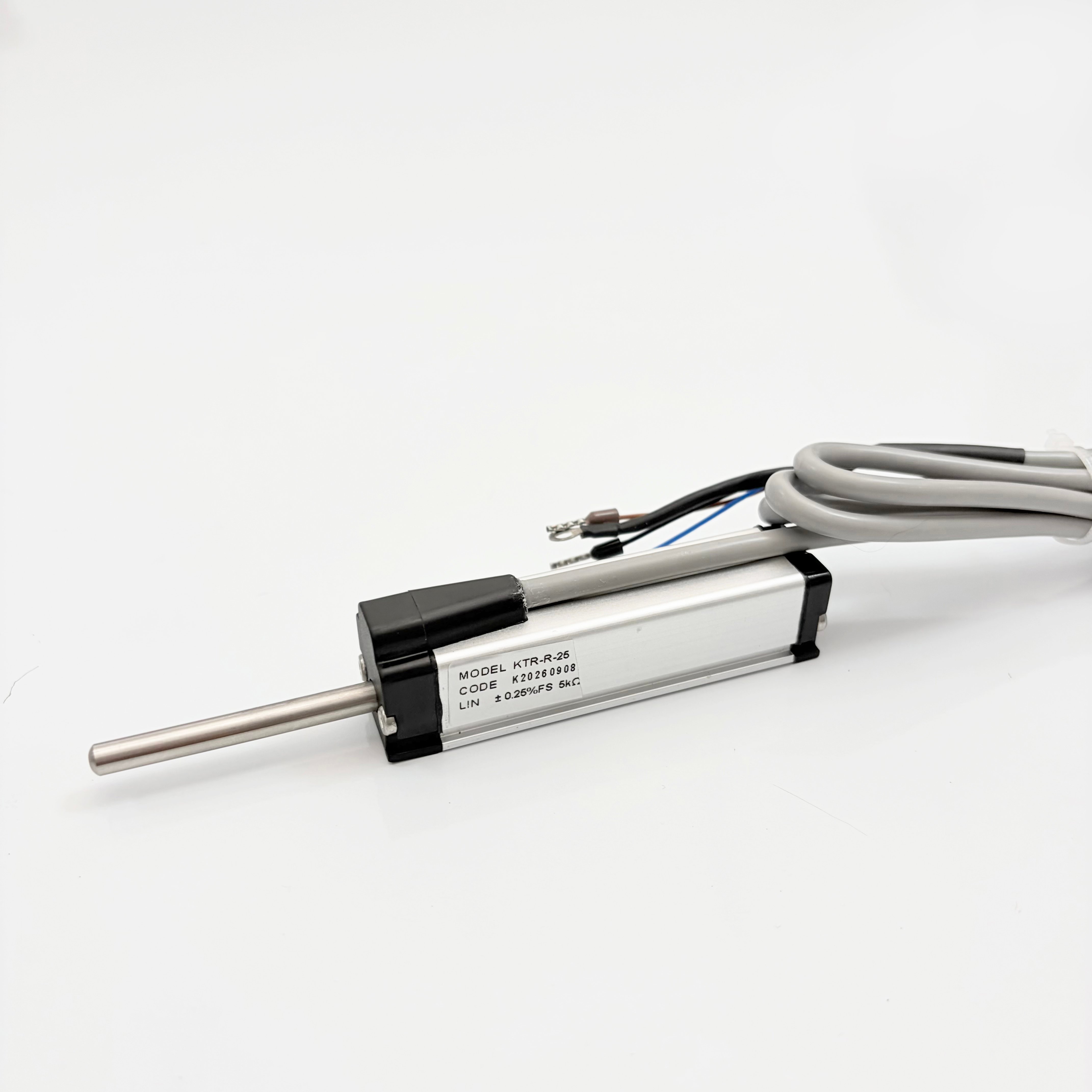
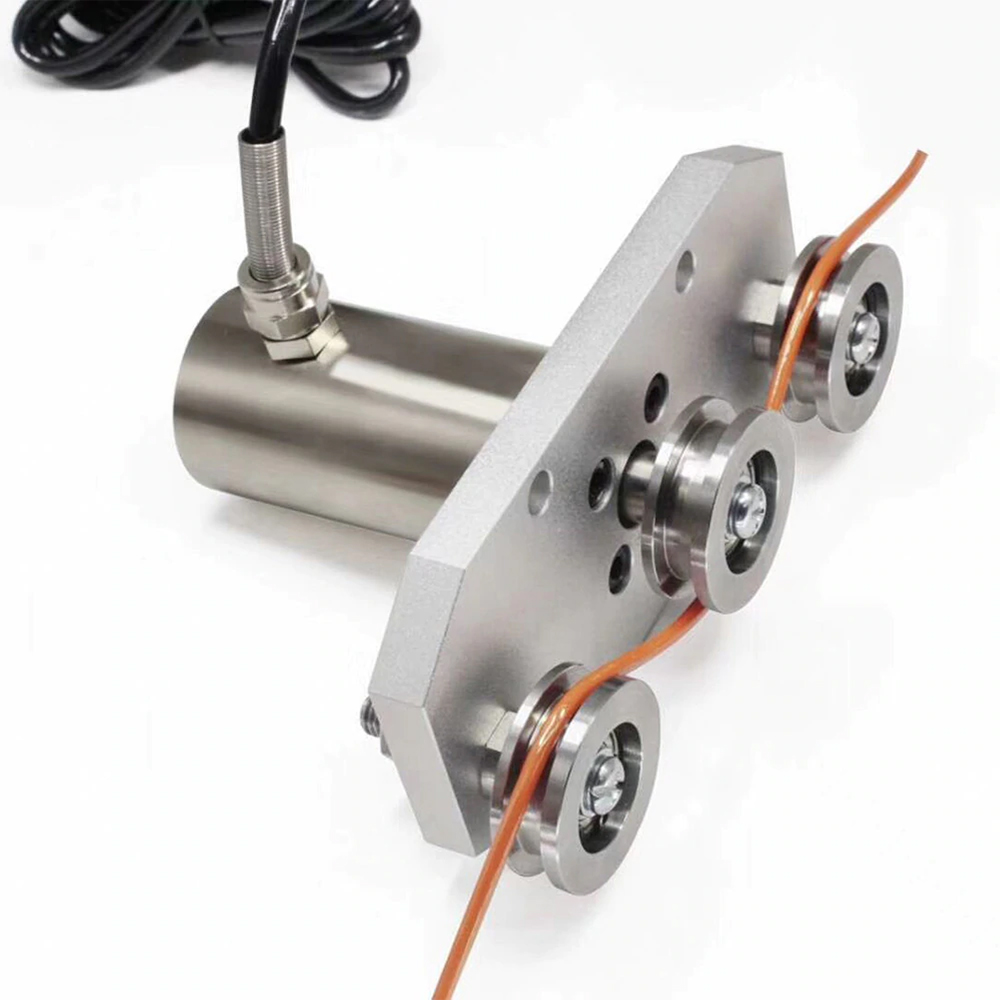
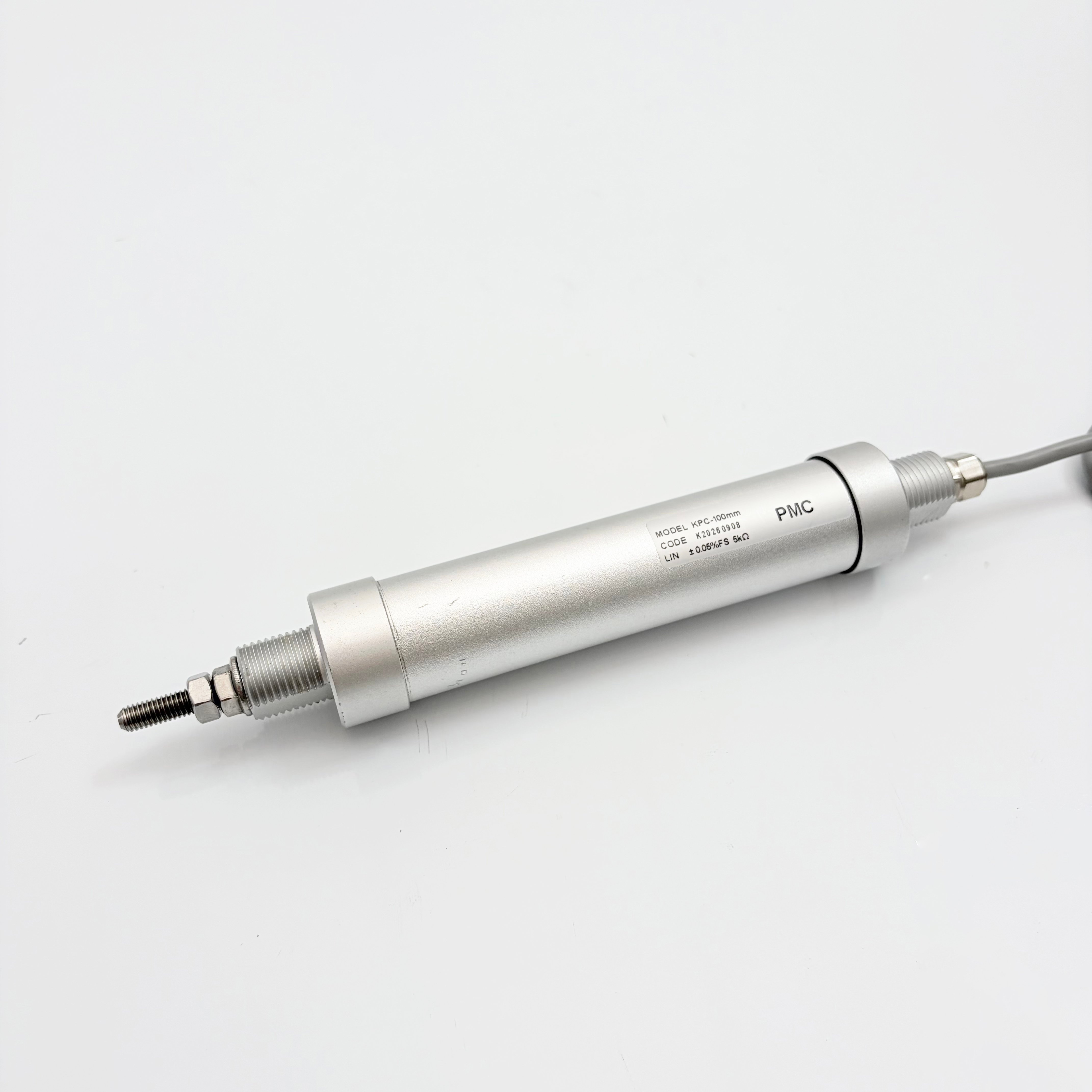
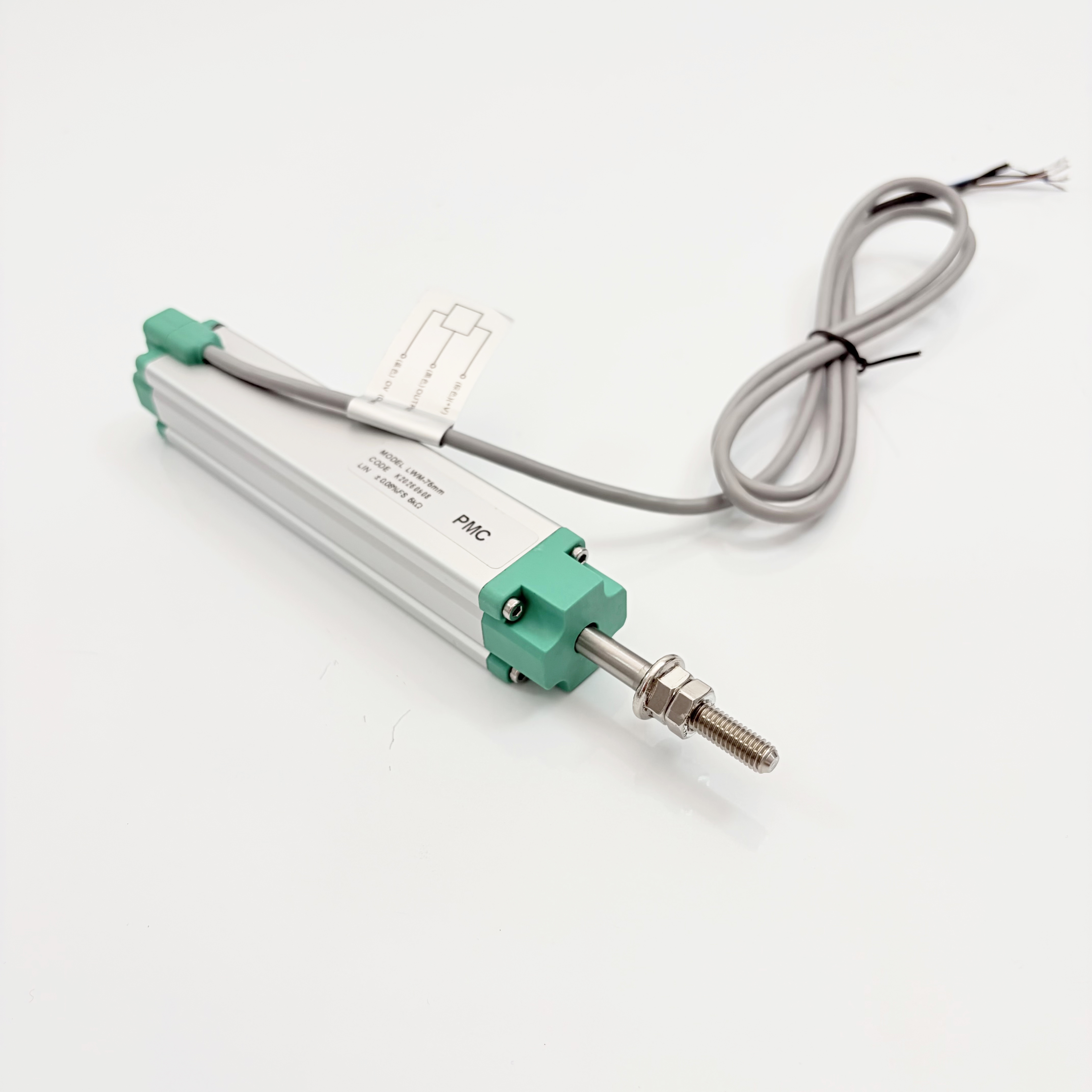
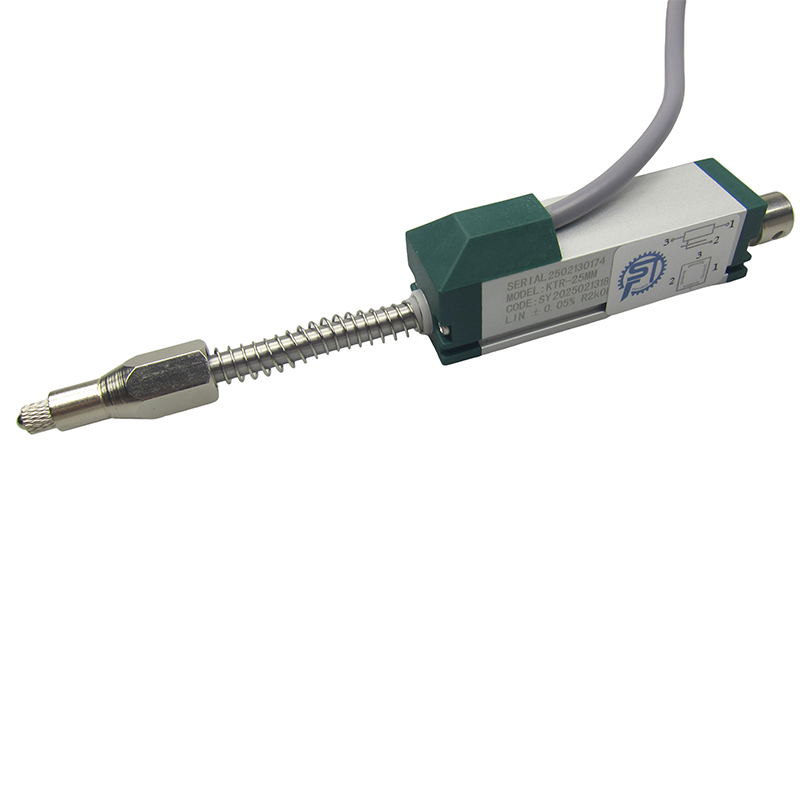
Linear position transducers are essential devices used in a variety of industrial applications to convert linear displacement into an electrical signal.  This technology is critical for accurate measurement in automation, manufacturing, and quality control processes.  As a B2B buyer, understanding how to select the right linear position sensor transducer, along with its specifications and applications, is vital for ensuring optimal performance and cost-effectiveness.  This article will guide you through the key considerations when sourcing linear position transducers, helping you make informed purchasing decisions.  

How to Compare Linear Position Transducers for Optimal Performance and Cost?

How to Compare Linear Position Transducers for Optimal Performance and Cost?

When comparing linear position transducers, focus on several key specifications that directly impact performance and cost. These include resolution, accuracy, range, and output signal type. 

Resolution refers to the smallest change in displacement that the transducer can detect.  Higher resolution is crucial for applications requiring precise measurements.  

Accuracy is essential for ensuring that the readings are reliable. Check if the manufacturer provides accuracy specifications under various conditions, as this can greatly influence performance.  

Range indicates the maximum and minimum distances the transducer can measure.  Ensure that the range aligns with your application needs. 

Output signal type (analog, digital, etc.) must be compatible with your existing systems to facilitate easy integration. 

Cost factors to consider include the price per unit, potential volume discounts, and additional costs related to customization or shipping.  It’s also wise to evaluate the total cost of ownership, which encompasses maintenance and potential replacement costs over time. 

Understanding Quality Standards for Linear Position Transducers in Manufacturing

Understanding Quality Standards for Linear Position Transducers in Manufacturing

Quality standards for linear position transducers are critical, as they ensure reliability and performance in various applications. Certifications such as CE and RoHS indicate compliance with European safety and environmental standards, providing reassurance regarding product quality. 

When sourcing transducers, inquire about the PST's quality control processes.  This may include testing protocols for accuracy, durability, and environmental resistance.  Buyers should also request product documentation that outlines compliance with industry standards relevant to their specific applications, such as ISO certifications or specific industry guidelines.  

Additionally, understanding the materials used in the transducers—such as housing materials and sensor elements—can provide insight into their performance and longevity.  For example, transducers made from high-grade stainless steel may offer better resistance to corrosion and wear in harsh environments. These standards help buyers verify consistent sensor performance, minimize failures, and ensure transducers remain suitable for demanding industrial applications. 

Common Problems with Linear Position Transducers and Effective Solutions

Common Problems with Linear Position Transducers and Effective Solutions

Despite their precision, linear position transducers can encounter several common issues: 

Calibration Errors: Regular calibration is essential to maintain accuracy.  Buyers should establish a routine for calibrating their transducers based on PST recommendations and application requirements. 

Environmental Interference: External factors such as temperature fluctuations, humidity, and electromagnetic interference can affect performance. Choose transducers designed for your specific operational environment, and consider additional protective measures if necessary. 

Mechanical Wear: Over time, components may wear down, leading to inaccurate readings.  Regular maintenance checks can identify wear before it affects performance.  

Installation Errors: Proper installation is crucial for accurate operation.  Ensure that staff are trained in installation procedures, and provide clear guidelines for aligning and securing transducers. 

By proactively addressing these issues, buyers can enhance the reliability and lifespan of their linear distance sensor position transducers. 

Cost Savings on Linear Position Transducers for Buyers

Achieving cost savings on linear position transducers involves strategic purchasing practices.  Here are several approaches: 

Volume Purchasing: Consider ordering in bulk to qualify for discounts. Many manufacturers like PST offer lower prices for larger orders, which can significantly reduce per-unit costs. 

Supplier Negotiations: Building a strong relationship with suppliers can lead to better pricing and terms.  Engage in negotiations, and don’t hesitate to request quotes from multiple sources to compare.  

Lifecycle Cost Assessment: Look beyond the initial purchase price.  Evaluate the total cost of ownership, including maintenance, calibration, and potential downtime costs associated with failures.  

Customization Efficiency: While customized solutions can be more expensive upfront, they may lead to greater efficiency in your processes, ultimately saving costs in the long run.  Assess whether custom features can enhance productivity or reduce waste.  

By focusing on key specifications, quality standards, and strategic purchasing, B2B buyers can optimize their sourcing of linear measurement sensor position transducers, ensuring they make informed decisions that align with their operational needs and budget constraints. These practices can also help reduce expenses while maintaining product quality, operational efficiency, and reliable performance over time.

Finding Trusted Wholesale Sources for Linear Transducers

When searching for wholesale sources of linear position transducers, it's essential to evaluate suppliers based on their reputation, product quality, and manufacturing capabilities. Start by identifying manufacturers with a track record in the industry, such as PST, which specializes in high-precision sensors and has earned CE/RoHS certifications. 

Look for suppliers that offer OEM/ODM solutions, as this can provide additional customization options tailored to your specific requirements.  Assess their production capabilities, including the types of materials used and their quality control processes.  Reliable suppliers should also provide data on their production equipment and the testing methods they employ to ensure accuracy and durability. 

Moreover, consider the supplier’s export markets and experience in your industry.  A supplier familiar with the specific challenges and requirements of your application can offer valuable insights and support.  Evaluating these factors helps buyers identify dependable partners, maintain consistent product quality, and support long-term sourcing requirements across various industrial applications. 

Frequently Asked Questions

What is a linear position transducer?

A linear position transducer converts linear displacement into an electrical signal for precise position measurement in automation, lifting, weighing, and testing applications.
Our transducers offer high precision with tight accuracy specs and fine resolution tailored to application needs; specific values depend on model and calibration.
Common uses include lifting equipment, weighing systems, automation controls, robotics, and new energy testing where accurate position feedback is required.
Products are manufactured under strict quality controls and carry CE and RoHS compliance; OEM/ODM processes follow industry best practices.
Yes. We offer OEM/ODM customization for mounting, stroke length, output type, and calibration to meet specific industry and application requirements.

Get a Free Quote

Our representative will contact you soon.
0/1000