Load Cells with Analog Output: Key Considerations

application/load-cell-analog-output, application/load-cell-analog-output, 
Inquiry
Inquiry

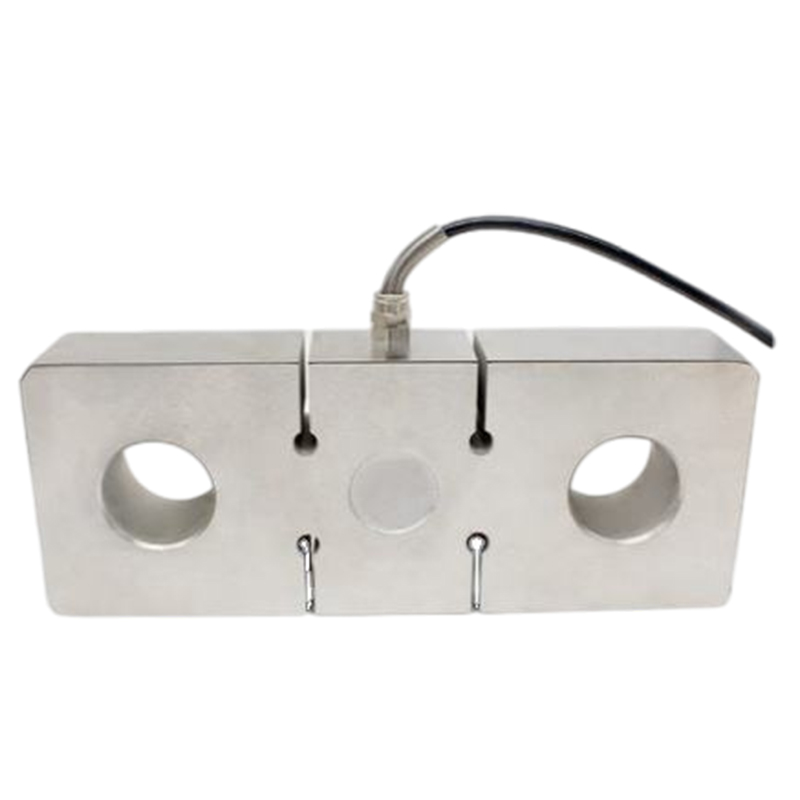
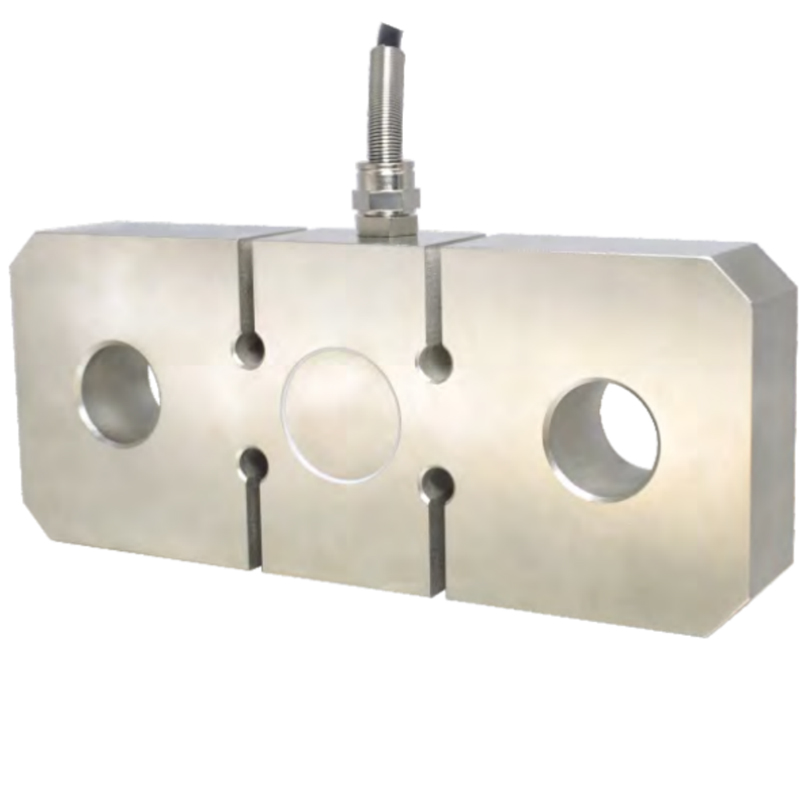
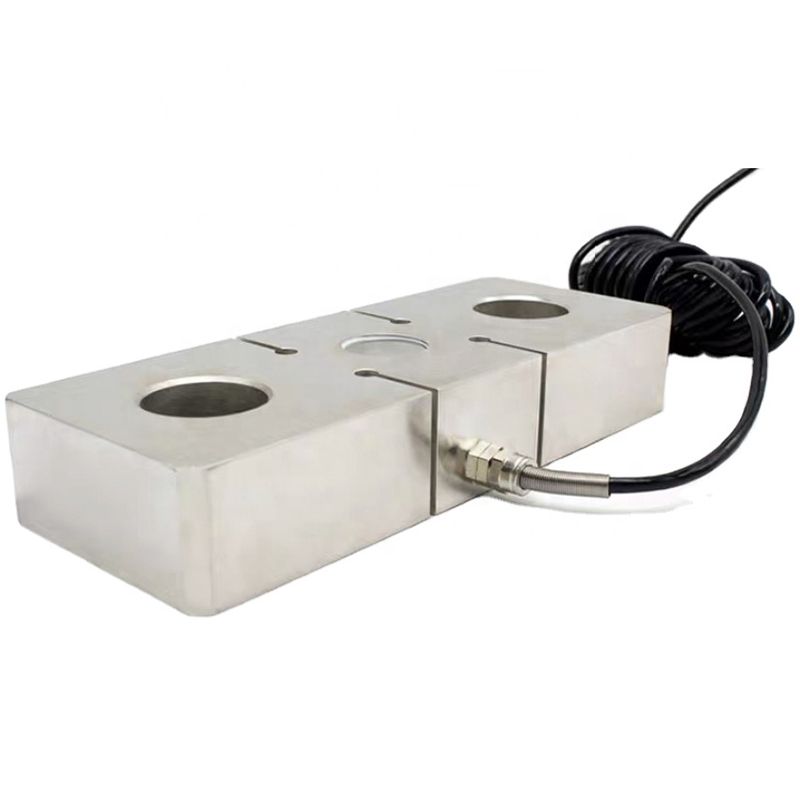
Load cell analog output

Load cells with analog output are essential components in various industrial applications, providing precise measurement of force, weight, or pressure. As a B2B buyer, you want to ensure that you choose the right industrial load cells from PST to meet your specific needs, whether for lifting, weighing, or automation in sectors like manufacturing, transportation, or energy. This article will guide you through key specifications, supplier considerations, cost factors, performance optimization, and the diverse applications of load cells with analog output.  

Finding Reliable Suppliers for Load Cells

Finding Reliable Suppliers for Load Cells

Identifying trustworthy suppliers for load cells with analog output is vital for ensuring product quality and service reliability. Start by assessing suppliers based on: 

Certification: Verify that the supplier holds relevant certifications, such as CE and RoHS, which indicate compliance with safety and environmental standards. These certifications reflect a commitment to quality and regulatory compliance.  

Experience and Reputation: Research the supplier's industry experience and reputation. Companies like PST, known for high-precision wireless load cell, can be a reliable choice due to their established presence in the market.  

Customization Capabilities: Depending on your specific requirements, check if the supplier offers OEM/ODM solutions. Customization options can be critical for meeting unique application demands. 

Customer Support: Good customer service is essential for addressing inquiries and resolving issues. Look for suppliers who provide comprehensive support throughout the purchasing process and after delivery. 

Production Capacity: Ensure that the supplier can meet your volume requirements, especially if you plan to purchase in bulk. Understanding their lead times and production capabilities can help you avoid potential delays. 

Conducting thorough research and engaging in discussions with potential suppliers will facilitate informed decision-making and lead to a successful partnership. 

Cost Factors to Consider When Purchasing Load Cells in Bulk

Cost Factors to Consider When Purchasing Load Cells in Bulk

Cost is a significant factor in any purchasing decision, especially when buying load cells in bulk. Here are some key considerations: 

Unit Price vs. Total Cost: While lower unit prices may seem attractive, consider the total cost of ownership, including shipping, customs duties, and potential import taxes. Sometimes, a slightly higher unit price may be justified by better quality or service. 

Volume Discounts: Many suppliers like PST offer discounts for bulk purchases. Inquire about pricing structures and any available promotions that could reduce your overall expenditure. 

Quality Assurance: Investing in higher-quality load cell 200kg may result in lower maintenance costs and improved performance over time. Evaluate the long-term benefits of quality versus initial expenditure. 

Warranty and Support: Consider the warranty terms offered by the supplier. A robust warranty can protect your investment and provide peace of mind. Additionally, consider the availability of technical support post-purchase. 

Shipping Costs: Factor in shipping costs when evaluating total expenses. Different suppliers may have varying shipping options, which can significantly impact overall costs depending on your location. 

By analyzing these cost factors, you can make a financially sound decision that aligns with your operational budget and long-term goals. 

Ensuring Optimal Performance

Ensuring Optimal Performance

To guarantee the optimal performance of load cells with analog output, you should focus on several critical aspects: 

Installation: Proper installation is vital for accurate readings. Follow the manufacturer's guidelines for mounting and alignment, as misalignment can lead to measurement errors. 

Calibration: Regular calibration of load cells is necessary to maintain accuracy. Establish a calibration schedule based on your operational frequency and the environmental conditions affecting the sensors. 

Environmental Factors: Be aware of environmental conditions that could affect the load cell's performance. Factors like humidity, temperature fluctuations, and exposure to chemicals should be considered when selecting the appropriate load cell and installing it in your application.  

Routine Maintenance: Implement a maintenance routine to check for wear and tear. Regular inspections can help identify potential issues before they lead to failures, ensuring continuous operation and reliability. 

Data Monitoring: Utilize data monitoring systems to track the performance of load cells over time. This approach can help identify trends and anomalies in output, facilitating timely interventions. 

By focusing on these performance factors, you can enhance the reliability and longevity of your load cells, ensuring consistent operational efficiency. 

Applications of Load Cells with Analog Output in Various Industries

Load cells with analog output find applications across diverse industries due to their versatility and accuracy. Some notable applications include: 

Manufacturing: In manufacturing settings, load cells are used in weighing materials, ensuring that production processes adhere to specified weight limits. They play a crucial role in quality control, where precision is key. 

Transportation and Logistics: Load cells are integral in weighing shipping containers and vehicles, helping to manage load distribution and compliance with regulations. Their accurate measurements contribute to efficient logistics operations. 

Energy Sector: In the energy industry, load cells monitor the weight of materials in renewable energy applications, such as wind turbines and solar panels. They ensure that components are within safe operating limits, enhancing safety and efficiency. 

Medical Equipment: Load cells are utilized in medical devices for weighing patients or monitoring pharmaceuticals. Their precision is vital in healthcare settings where accurate measurements can impact treatment outcomes. 

Research and Development: In laboratories, load cells are used for testing materials and conducting experiments. Their ability to provide real-time data supports innovation and product development. 

Understanding the various applications of load cells with analog output can help you identify potential uses within your business, leading to improved operational efficiencies and better resource management. 

Key Specifications to Consider for Load Cells with Analog Output

When selecting a load cell with analog output, several key specifications must be evaluated to ensure compatibility with your application. These include: 

Capacity: The load cell's maximum load capacity is critical. It should exceed the maximum expected load to prevent damage and ensure accurate readings. 

Output Signal: Analog output typically includes voltage or current signals (e. g., 0-10V, 4-20mA). Understanding the output type is essential for compatibility with your existing measurement systems. 

Accuracy and Precision: Look for specifications that outline the load cell's accuracy (percentage of full scale) and repeatability. Higher precision is crucial in applications requiring stringent measurement standards. 

Temperature Range: Ensure that the crane load cell can operate within the environmental conditions of your application. Extreme temperatures can affect performance, so check the specified operating range. 

Material and Construction: The choice of materials affects durability and resistance to environmental factors. Stainless steel is common for its strength and corrosion resistance, while aluminum may be suitable for lighter applications. 

Dimensions and Mounting: Confirm the physical dimensions and mounting options to ensure compatibility with your equipment. Proper installation is critical for accurate readings and longevity. 

Understanding these specifications will help you choose a load cell that not only meets your current requirements but also accommodates future needs. 

Frequently Asked Questions

What is the analog output type of the load cell?

Our load cell provides a standard millivolt-per-volt (mV/V) analog output, compatible with common signal conditioners and data acquisition systems.
High-precision design yields typical nonlinearity and hysteresis within specified class limits; consult product datasheet for exact ppm or %FS figures.
Ideal for lifting, weighing, automation, and new energy systems requiring reliable force or weight measurement and OEM/ODM integration.
The load cell is CE and RoHS certified, meeting safety and environmental compliance for global deployment.
Yes. We provide OEM/ODM customization for mounting, output scaling, connectors, and calibration to meet specific application requirements.

Get a Free Quote

Our representative will contact you soon.
0/1000