Key Considerations for 1000kg Load Cell Pricing

application/load-cell-price-1000kg, application/load-cell-price-1000kg, 
Inquiry
Inquiry

load cell price 1000kg

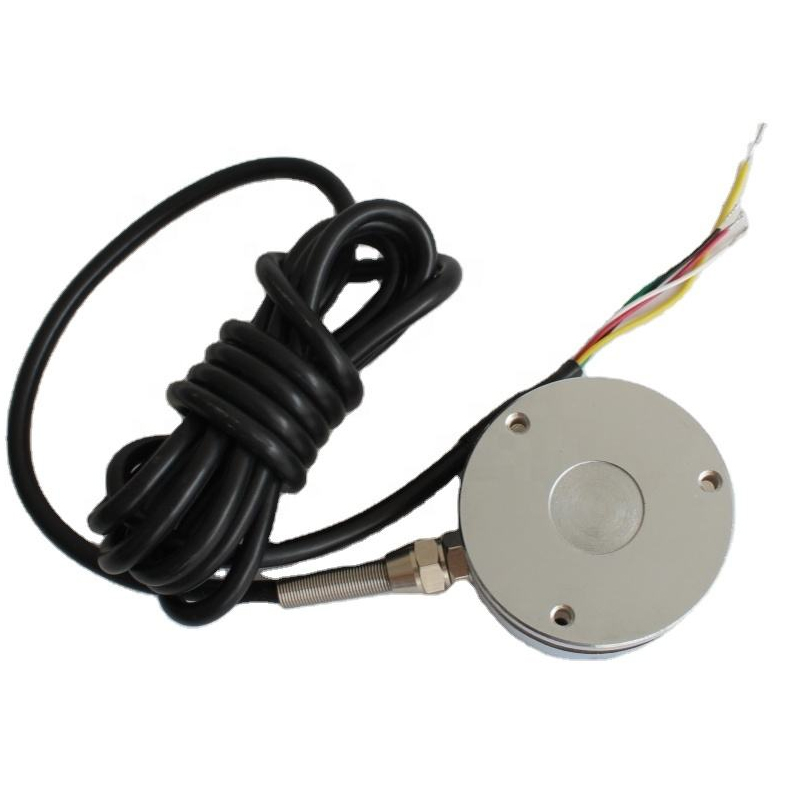
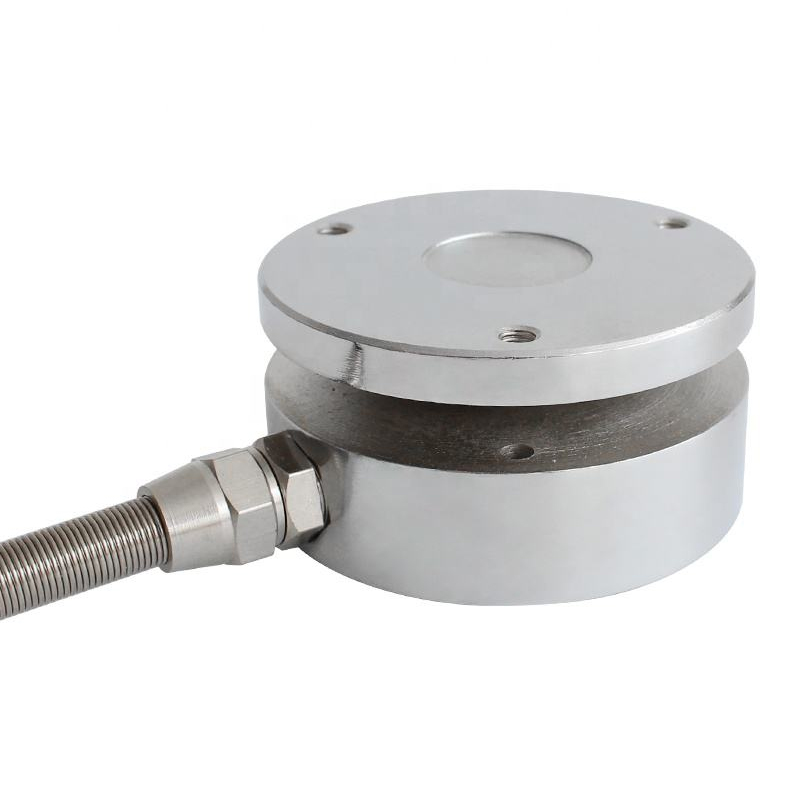
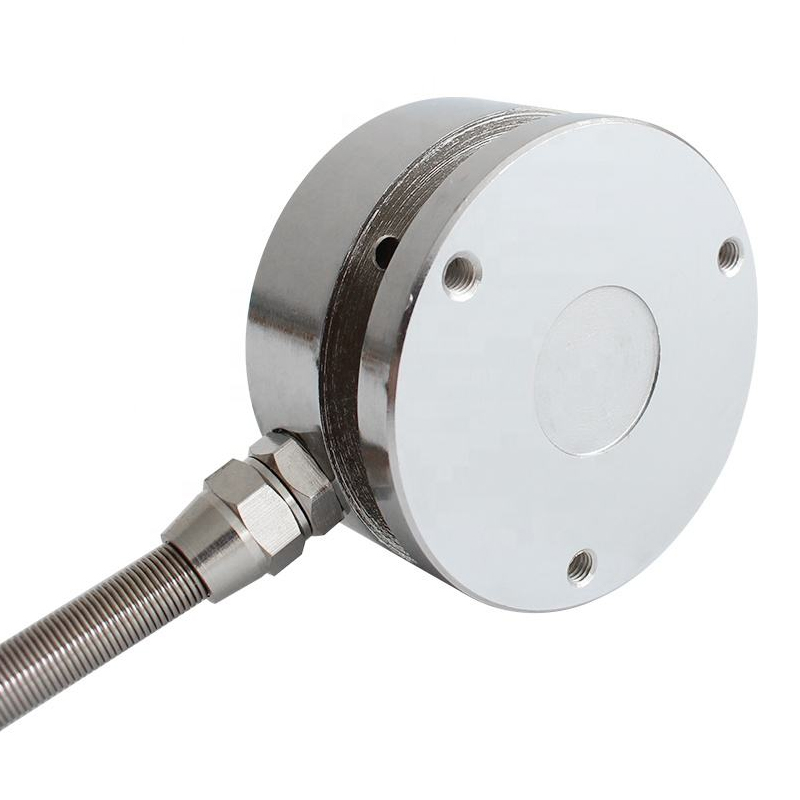
Load cells  are critical  components in various  industrial applications, providing accurate measurements of  weight and force. When sourcing  a  1000kg  load cell for wholesale, understanding the price  and factors  affecting it  is  essential for purchasing  managers and  distributors. This article delves into  what to  consider  when sourcing these load cells, their top  applications, cost  factors, performance assurance, and  the significance  of making informed purchasing decisions.

Top Applications for 1000kg Load Cells in Industrial Settings

Top Applications for 1000kg Load Cells in Industrial Settings

1000kg load cells are  versatile components in various industrial applications. They are commonly used in weighing  systems for production lines, where precision  is critical for quality control. In  logistics and warehousing, these load cells help in monitoring  the  weight of pallets and containers, ensuring that loading and  unloading processes are efficient and compliant with regulations.

Material testing labs  also utilize 1000kg load cells for measuring forces in tensile tests, ensuring materials meet specific strength standards. Furthermore, automated systems in the new energy sector employ load cells for  monitoring forces in machinery, improving  safety and operational efficiency.

In lifting applications, such as cranes  and hoists,  1000kg  load cells provide real-time feedback on load weight,  preventing overload situations that could lead  to accidents. This adaptability makes them  suitable for a broad  range  of sectors, including construction,  manufacturing,  and energy.

Understanding the Cost Factors of 1000kg Load Cells for Bulk Orders

Understanding the Cost Factors of 1000kg Load Cells for Bulk Orders

The price of 1000kg load cells can  vary significantly based  on several factors. Material selection is a  primary determinant; stainless  steel load cells generally cost more than aluminum due  to their enhanced durability  and corrosion resistance. Additionally, the complexity of the design and features such as built-in  digital displays  or wireless capabilities can also influence the  price point.

Quantity ordered plays a crucial role in pricing. Suppliers often offer discounts for bulk  purchases, making it advantageous for companies with ongoing needs. However, buyers should balance initial  costs with long-term reliability. A cheaper load cell may lead to  higher maintenance costs or replacement needs, making it less economical over time.

Moreover,  lead  time  for production can impact costs. Custom orders may require  longer manufacturing times, potentially affecting project schedules and associated costs. Therefore, it's essential for  buyers to communicate their needs  clearly and understand the  supplier's production capacity to avoid  unexpected delays.

Ensuring Optimal Performance

Ensuring Optimal Performance

To ensure optimal performance from  1000kg load cells, buyers must  consider several factors during selection  and installation. Calibration is critical; ensuring that the load cell is calibrated correctly for its intended use can significantly  affect measurement accuracy. Buyers should request calibration certificates and understand how often recalibration will  be necessary  based on usage conditions.

Environmental factors also play a role in performance. Load cells may be affected by humidity, temperature fluctuations, or exposure  to chemicals. Choosing the right enclosure ratings can protect against these elements, ensuring longer  operational  life. For instance, High Performance 100Nm Static Torque Sensor Load Cell is an excellent choice for harsh environments.

Buyers  should also consider  installation requirements.  Proper mounting and alignment are crucial for accurate readings. Misalignment  can lead to measurement errors, so it's  advisable to follow the manufacturer’s guidelines  closely.

Finally, regular  maintenance checks can prevent  performance degradation.  Inspecting  connections and the load cell’s condition can help  in identifying potential issues before they lead to failure.

Why It Matters When Purchasing Load Cells

Purchasing load cells is  a critical decision for any  industrial  operation, as they impact the integrity  and accuracy of  weight measurements. For purchasing managers, understanding the specific requirements of their  applications, the quality standards of the products, and the reliability  of the supplier is vital.

A  well-chosen load cell can  enhance operational efficiency, improve safety protocols,  and  ensure compliance with regulatory standards. On the other  hand, overlooking key factors such as quality assurance, appropriate specifications, and supplier  capabilities can lead to costly  mistakes, including production  delays or equipment failures.


Ultimately, investing time and resources into the  selection process will yield long-term benefits, making informed  purchasing decisions essential  for  maintaining competitive advantage and operational excellence in the manufacturing and industrial sectors.

What to Consider When Sourcing 1000kg Load Cells for Wholesale

When sourcing 1000kg load cells, buyers should focus on several critical parameters.  Firstly, product specifications such as capacity, accuracy, and output signal type (analog or  digital) are vital.  The load cell must  meet the specific  requirements of the intended application, ensuring compatibility with existing systems.

Materials used in the construction  of load cells also play a significant role. Common  materials include aluminum or stainless steel, each offering various benefits such as corrosion resistance and durability.  Additionally, buyers  should consider the  certifications  like  CE and RoHS, which indicate compliance with safety and environmental standards, ensuring reliable operation in  various settings.

Understanding the manufacturing capabilities of the supplier is crucial. Factors such  as production equipment and quality control processes impact the consistency and reliability of the load cells. A supplier with robust quality assurance practices can help  minimize  defects and improve  product performance. For instance, utilizing a Customizable PMC Sensors Load Cell Transmitter can enhance accuracy and reliability in your applications.

Lastly, buyers should discuss customization capabilities with suppliers. Many projects may require specific configurations  or unique features  to fit particular applications, and confirming these options  upfront can save time and costs later in the procurement process.

Frequently Asked Questions

What is the capacity of this load cell?

The load cell capacity is 1000 kg, designed for precise static and dynamic weighing applications in industrial settings.
High-precision design with tight non-linearity and hysteresis specifications; exact accuracy depends on calibration and model variant. Contact us for model datasheet and certification details.
Yes. Our products carry CE and RoHS certifications and meet common industrial safety and environmental standards.
Yes. We provide OEM/ODM solutions including customized mounting, cable length, connectors, and calibration to suit lifting, weighing, automation, and new energy uses.
We supply technical datasheets, wiring diagrams, calibration reports, and after-sales support. Engineers are available to assist with integration and testing.

Get a Free Quote

Our representative will contact you soon.
0/1000