Choosing the Right Load Cells for Business Needs

application/load-cell-s, application/load-cell-s, 
Inquiry
Inquiry

Load cell s

Load cells are critical components in various industrial applications, enabling accurate measurement of force, weight, and pressure. When selecting Load cell for your business needs, it’s essential to understand the specifications, applications, and cost factors involved. This article will guide you through key considerations when choosing load cells, comparing their specifications, understanding pricing in bulk orders, exploring their diverse applications, and how customized OEM/ODM solutions can enhance performance and value.  

How to Compare Load Cell Specifications for Optimal Performance

How to Compare Load Cell Specifications for Optimal Performance

When comparing load cell specifications, focus on several key parameters: 

Load Capacity: This indicates the maximum weight a load cell can measure safely. Ensure the selected Load cell indicator can handle the expected maximum load while providing a safety margin. 

Sensitivity: This measures how much the load cell's output changes in response to a given load. Higher sensitivity allows for more accurate readings, which is crucial for applications requiring precision. 

Temperature Range: Load cells operate effectively within specific temperature ranges. Understanding this range is vital to avoid performance issues in extreme conditions. 

Material: The material affects not only the durability of the load cell but also its performance in specific environments. For instance, aluminum load cells are lightweight and cost-effective but may not perform well in corrosive environments compared to stainless steel options. 

Output Signal: Load cells can generate different types of signals (analog, digital, or wireless). Choose a load cell that provides a signal type compatible with your existing systems. 

By carefully comparing these specifications, you can ensure optimal performance and reliability for your specific application. 

Understanding the Cost Factors of Load Cells in Bulk Orders

Understanding the Cost Factors of Load Cells in Bulk Orders

Purchasing load cells in bulk can significantly affect pricing. Several factors influence the cost: 

Quantity: Generally, the larger the order, the lower the per-unit price due to economies of scale. Manufacturers often offer volume discounts for bulk purchases. 

Customization: Custom specifications, such as unique dimensions or materials, can increase costs. If your application requires specific features, consider how these will affect your overall budget. 

Material Costs: The choice of materials can impact pricing. For instance, stainless steel load cells typically cost more than aluminum ones due to their durability and resistance to environmental factors. 

Lead Time: Rush orders may incur additional costs. If you can plan ahead, longer lead times might help reduce costs. 

Shipping and Handling: When ordering in bulk, factor in shipping costs, which can vary based on weight and destination. 

Understanding these cost factors can help you budget more effectively and negotiate better terms with suppliers. 

Applications of Load Cells in Various Industrial Sectors

Applications of Load Cells in Various Industrial Sectors

Load cells find applications across many industries, including: 

Manufacturing: Used for quality control and material handling, ensuring products meet weight specifications. 

Logistics: Essential for weighing goods in shipping and receiving, enabling accurate freight calculations. 

Construction: Used in cranes and hoists to monitor weights safely during lifting operations. 

Food and Beverage: Ensuring compliance with weight regulations for packaging and processing. 

Medical: Critical in medical devices for precise measurements in various applications. 

Each application has unique requirements, which can influence the choice of load cell. For instance, the food industry may require washdown-rated load cells that can withstand cleaning processes, while the construction industry may prioritize durability and high load capacity. 

How OEM/ODM Solutions Enhance Load Cell Performance and Value

Original Equipment Manufacturer (OEM) and Original Design Manufacturer (ODM) solutions can significantly enhance the value of load cells. These solutions allow businesses to customize load cells to meet specific needs, which can improve performance in various applications.  

For example, an OEM solution can involve designing a load cell that fits perfectly into existing machinery, ensuring better integration and functionality. This can lead to improved accuracy and reliability, reducing downtime and maintenance costs. 

Moreover, ODM services can offer innovative designs that incorporate the latest technology, such as wireless capabilities, which can enhance operational efficiency by reducing wiring complexity and installation time. 

Leveraging OEM and ODM solutions allows businesses to maximize the utility of load cells, tailoring them to specific applications and ensuring they meet the unique demands of different industries. By understanding these options, buyers can better align their load cell purchases with their operational goals. 

Collaborating with experienced manufacturers ensures load cells undergo rigorous calibration and environmental sealing, achieving IP67 or IP68 ingress protection against harsh industrial environments. Tailored housing materials, such as high-grade stainless steel or aircraft-grade aluminum, provide maximum fatigue resistance and long-term signal accuracy under heavy dynamic loads. Custom sensor configurations also allow seamless integration into automated inventory, bulk material handling, and robotic assembly systems. Prioritizing certified OEM/ODM production guarantees compliance with international metrology standards (such as OIML or NTEP), minimizing measurement drift, lowering lifetime maintenance overhead, and ensuring dependable data precision across critical commercial weighing operations.   

What to Consider When Choosing Load Cells for Your Business Needs

When selecting load cells, the first consideration should be the application. Load cells come in various types, including compression, tension, and shear beam, each suited for specific uses. For example, tension load cells are ideal for overhead lifting applications, while compression load Linear sensor are better for weighing applications. 

Next, evaluate the load capacity and accuracy requirements. Load cells have defined maximum capacities, and exceeding these can lead to failure or inaccurate readings. Accuracy is also critical; a load cell with a higher precision rating is necessary for applications requiring detailed measurements, like quality control in manufacturing. 

Additionally, consider environmental factors such as temperature, humidity, and potential exposure to chemicals. Load cells made from corrosion-resistant materials like stainless steel are preferable in harsh environments. Finally, think about the integration of the load cell with existing systems. Ensure compatibility with your data acquisition system or PLC (Programmable Logic Controller) for seamless operation. 

Frequently Asked Questions

What types of load cells do you offer?

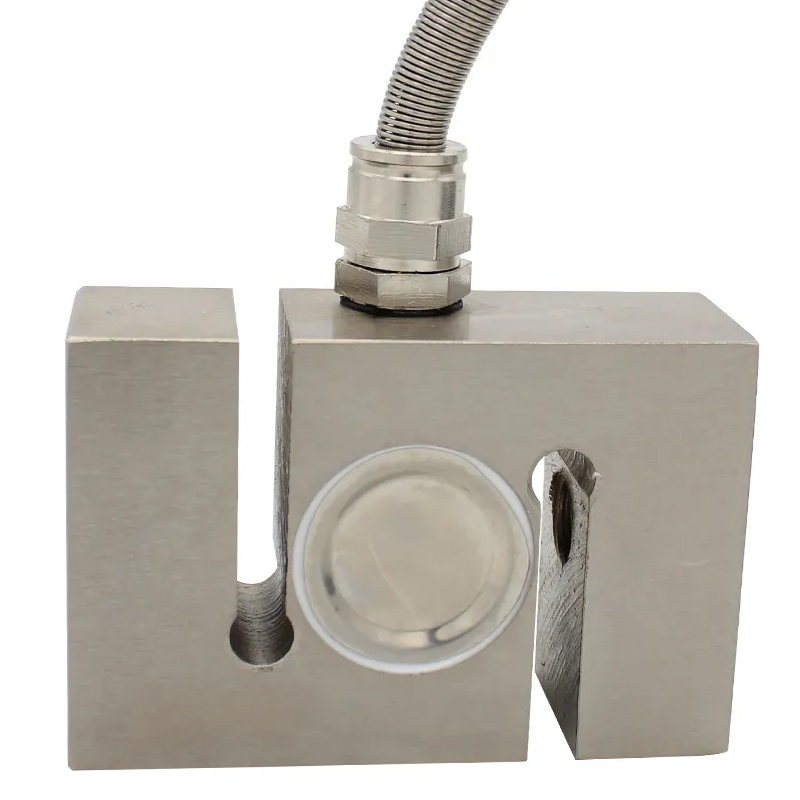
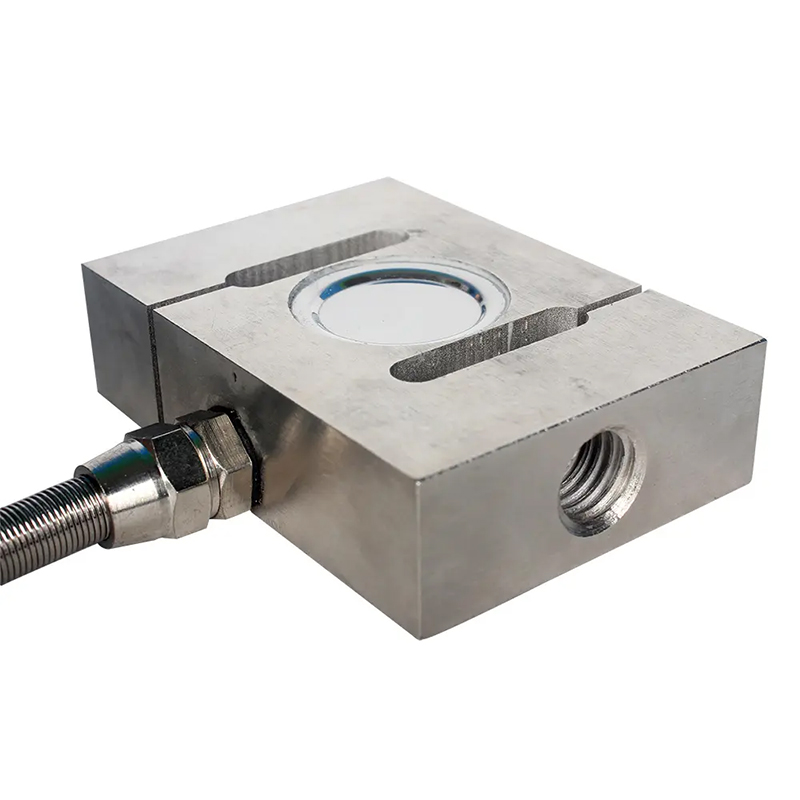
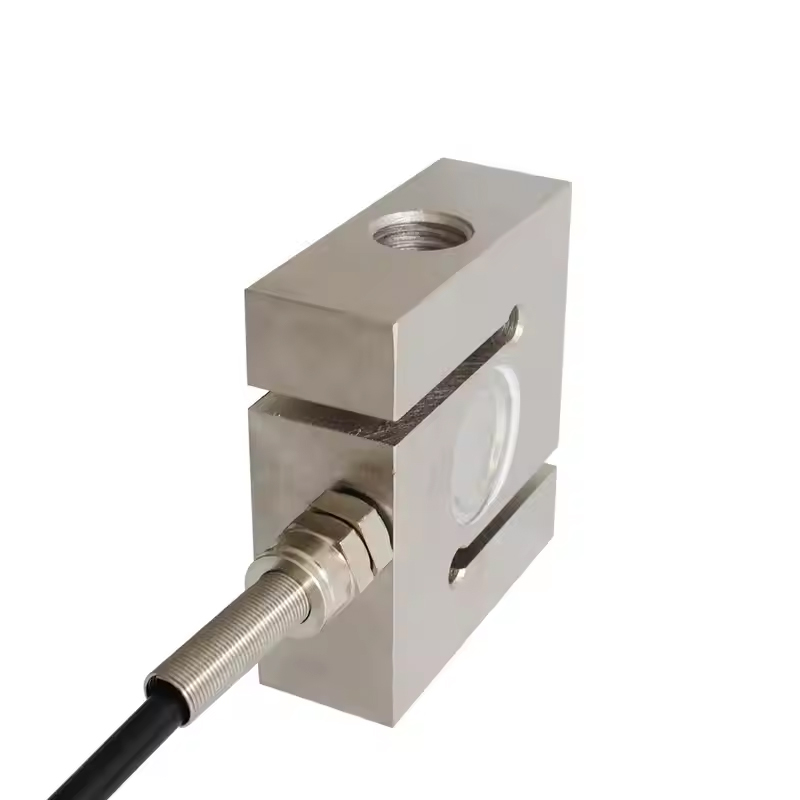
We provide high-precision compression, tension, shear beam, S-type, single point and pancake load cells suitable for weighing, lifting and automation applications.
Yes. Our load cells carry CE and RoHS certifications, ensuring compliance with relevant safety and environmental standards.
Yes. We offer OEM/ODM services including customized ranges, mounting, connectors, calibration and labeling to meet specific project requirements.
Our products serve lifting, weighing, automation and new energy industries worldwide with solutions for cranes, scales, test rigs and battery systems.
Yes. We provide factory calibration, technical documentation, installation guidance and after-sales support to ensure optimal performance and integration.

Get a Free Quote

Our representative will contact you soon.
0/1000