Choosing the Right Load Cell Sensor Amplifier

application/load-cell-sensor-amplifier, application/load-cell-sensor-amplifier, 
Inquiry
Inquiry

Load cell sensor amplifier

Load cell sensor amplifiers are essential components that enhance the accuracy and functionality of load cells and force sensors in various industrial applications. These amplifiers convert the low-level signals produced by industrial load cells into usable data that can be read by control systems. For B2B buyers, understanding how to select the right load cell sensor amplifier, evaluating its quality for wholesale purchases, and knowing common installation issues are crucial for ensuring operational efficiency and accuracy in weighing and measurement systems. This article will provide insights into these areas, helping you make informed purchasing decisions. 

Evaluating Load Cell Sensor Amplifier Quality for Wholesale Purchases

Evaluating Load Cell Sensor Amplifier Quality for Wholesale Purchases

When purchasing load cell sensor amplifiers in bulk, quality evaluation is paramount. Here are several aspects to consider: 

Certifications: Check for CE and RoHS certifications, which indicate compliance with European safety and environmental standards. These certifications reflect the manufacturer's commitment to quality and safety. 

Manufacturer Reputation: Research the supplier's history and client reviews. A manufacturer with a proven track record in the industry is more likely to provide reliable products. 

Quality Control Processes: Inquire about the manufacturer's quality control measures during production. Effective quality checks, such as testing samples under rigorous conditions, can prevent defective products from reaching the market. 

Warranty and Support: A robust warranty and responsive customer support can be indicators of quality. Ensure that the supplier offers adequate support in case of product issues. 

Performance Testing: Request performance data from the PST. Understanding how the amplifier performs under various conditions can help you gauge its reliability. 

By focusing on these aspects, you can make informed decisions when evaluating load cell sensor amplifiers for wholesale purchases. 

Where to Find Reliable Suppliers of Load Cell Sensor Amplifiers?

Where to Find Reliable Suppliers of Load Cell Sensor Amplifiers?

Identifying reliable suppliers is crucial for ensuring consistent quality and availability of load cell sensor amplifiers. Here are effective strategies for finding trustworthy suppliers: 

Industry Directories and Trade Shows: Utilize online industry directories and attend trade shows focused on manufacturing and automation technologies. These platforms often feature reputable manufacturers and distributors. 

Referrals from Industry Peers: Networking with professionals in your industry can lead to referrals for trusted suppliers. Colleagues who have previously sourced load cell components can provide valuable insights. 

Online Research: Conduct thorough online research to find suppliers with strong reviews and testimonials. Platforms like LinkedIn can help you verify the credibility of a supplier through peer recommendations. 

Manufacturer Websites: Visit the websites of manufacturers like PST, which specializes in load cells and sensor solutions. Their detailed product information and certifications can help assess their reliability. 

Request Samples: Before making a bulk order, request samples from potential suppliers. Testing these samples will allow you to evaluate their performance and compatibility with your systems. 

By following these strategies, you can establish reliable partnerships with suppliers of load cell sensor amplifiers. 

Common Installation Problems with Load Cell Sensor Amplifiers and Solutions

Common Installation Problems with Load Cell Sensor Amplifiers and Solutions

Installing load cell sensor amplifiers can present challenges that may affect performance. Here are common problems and their solutions: 

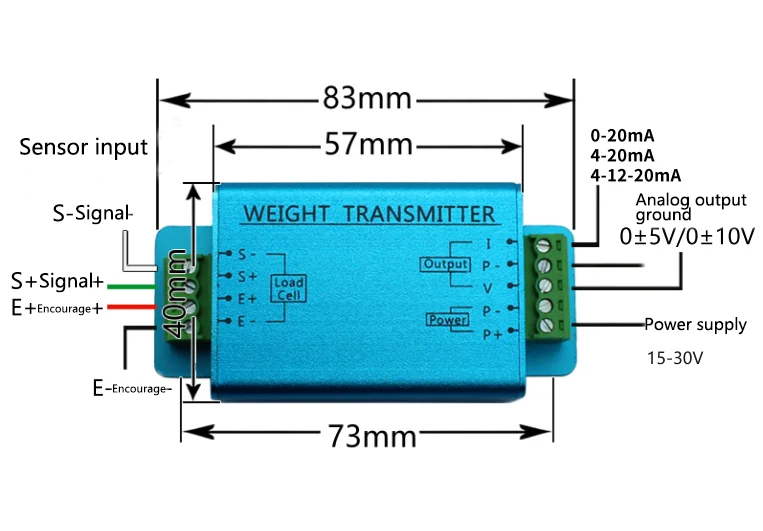
Incorrect Wiring: One of the most frequent issues is incorrect wiring of the load cell to the amplifier. Ensure that you follow the manufacturer’s wiring diagram carefully, as incorrect connections can lead to erroneous readings or damage to the components. 

Solution: Double-check wiring against the provided schematic before powering on the system. Use color-coded wires for easy identification. 

Inadequate Signal Shielding: Interference from electrical noise can distort signals, especially in industrial settings with heavy machinery. 

Solution: Use shielded cables for connections and ensure proper grounding to minimize noise interference. 

Calibration Issues: Failure to calibrate the amplifier correctly can result in inaccurate measurements. 

Solution: Follow the calibration procedure outlined in the amplifier's manual, and consider performing regular recalibrations to maintain accuracy. 

Environmental Factors: Dust, humidity, or temperature fluctuations can impact performance if the amplifier is not rated for such conditions.   

Solution: Choose amplifiers with appropriate environmental ratings for your installation location. 

By addressing these common installation problems, you can ensure a smooth installation process and reliable operation of your wireless load cell sensor amplifiers. 

Applications of Load Cell Sensor Amplifiers in Various Industries

Load cell sensor amplifiers are utilized across diverse industries, each with specific applications: 

Manufacturing and Automation: In manufacturing, these amplifiers are used in automated weighing systems to monitor product weight during production, ensuring quality control and compliance with regulatory standards. 

Construction and Civil Engineering: Load cell amplifiers from PST play a crucial role in monitoring structural loads in buildings and bridges. They help assess weight distributions and detect potential structural issues. 

Transportation and Logistics: In logistics, load cell amplifiers are essential for weight measurement in shipping and receiving processes, where accurate weight data is critical for compliance and cost management. 

Healthcare: In medical applications, load cell amplifiers are used in weighing scales for patients, ensuring accurate and reliable weight readings critical for healthcare assessments. 

Agriculture: These amplifiers are applied in agricultural scales for weighing produce and livestock, assisting farmers in managing their operations effectively. 

Understanding these applications helps buyers recognize the versatility of load cell sensor amplifiers and their importance in various industrial settings. This knowledge will aid in selecting the right products for specific industry needs. 

How to Choose the Right Load Cell Sensor Amplifier for Your Project?

Selecting the appropriate load cell sensor amplifier is vital for optimizing the performance of your weighing system. Start by considering the specifications of the load cell you plan to use, as compatibility is crucial. Key factors include: 

Signal Range: Ensure that the amplifier can handle the output range of the load cell. Typically, load cells output millivolt signals, so an amplifier with a suitable gain setting is necessary to boost this signal to a usable level. 

Input Impedance: The input impedance of the amplifier should match or exceed that of the load cell transducer. A mismatch can lead to signal degradation and inaccurate readings. 

Power Supply Requirements: Confirm that the amplifier's power supply aligns with your system's requirements. Some amplifiers may need a specific voltage or current that must be compatible with your existing infrastructure. 

Environmental Conditions: Consider the operating environment. If the amplifier will be exposed to extreme temperatures, humidity, or dust, look for models rated for such conditions to ensure reliability. 

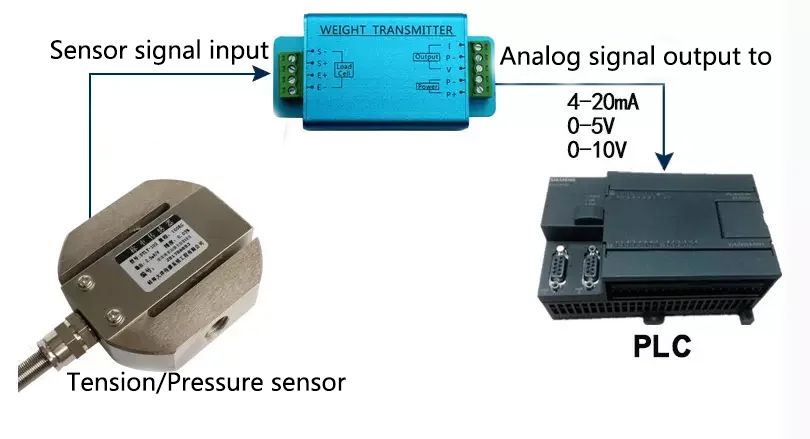
Output Type: Depending on your application, you might need different output types (analog, digital, or wireless). Select an amplifier that aligns with your data acquisition system. 

Evaluating these factors will help you choose the right load cell sensor amplifier that meets your project's requirements. 

Frequently Asked Questions

What is the load cell sensor amplifier used for?

It conditions and amplifies low-level signals from load cells or force sensors for accurate weighing, data acquisition, and control in lifting, automation, and energy applications.
Compatible with our high-precision load cells and force sensors; supports common bridge configurations and typical excitation voltages used in weighing systems.
Our amplifier solutions adhere to CE and RoHS requirements and are designed to meet OEM/ODM quality standards for industrial weighing and automation.
Yes. We offer OEM/ODM customization for gain, filtering, output type, and mechanical interfaces to suit lifting, weighing, automation, and new energy needs.
We provide datasheets, wiring diagrams, calibration guidance, and responsive technical support to assist with integration, calibration, and troubleshooting.

Get a Free Quote

Our representative will contact you soon.
0/1000