Load Cell Signal Amplifier: Key Specifications

application/load-cell-signal-amplifier, application/load-cell-signal-amplifier, 
Inquiry
Inquiry

Load cell signal amplifier

Load cell signal amplifiers are vital components in various industrial applications, enhancing the performance of load cells by processing and amplifying their signals for accurate measurement. For purchasing managers and engineers, understanding the key specifications, supplier options, and installation guidelines is crucial to ensure optimal performance and reliability in their operations. This article will delve into the essential aspects of crane load cell signal amplifiers, helping you make informed decisions for your projects. 

Where to Find Reliable Suppliers of Load Cell Signal Amplifiers?

Where to Find Reliable Suppliers of Load Cell Signal Amplifiers?

Finding trustworthy suppliers of load cell signal amplifiers involves several strategies. 

Industry Associations and Trade Shows: Attending industry-specific trade shows can provide direct access to manufacturers and suppliers of load cell signal amplifiers. These events often showcase the latest products and technologies, allowing for hands-on evaluation. 

Online Marketplaces and Directories: Websites like PST, or industry-specific directories can help identify potential suppliers. Look for companies with strong customer reviews and verifiable credentials. 

Certifications and Compliance: Ensure that potential suppliers of load cell signal amplifiers have relevant certifications such as CE or RoHS, which indicate compliance with international safety and environmental standards. This helps assure the quality and reliability of the products. 

Networking and Referrals: Engaging with industry peers can yield valuable referrals to reputable suppliers of load cell signal amplifiers. Professional networks, forums, and social media groups related to the manufacturing and automation sectors can be excellent resources. 

Requesting Samples: Before committing to a purchase, consider requesting samples from suppliers of load cell signal amplifiers. This allows for testing the product's performance and compatibility with existing systems. 

By utilizing these strategies, buyers can connect with reliable suppliers of load cell signal amplifiers that offer high-quality industrial load cells signal amplifiers tailored to their needs. 

How to Choose the Right Load Cell Signal Amplifier for Your Project?

How to Choose the Right Load Cell Signal Amplifier for Your Project?

Choosing the right load cell signal amplifier for your project involves understanding both the technical specifications and the application requirements. Here are key considerations: 

Application Requirements: Determine the specific needs of your application, including the type of load being measured (static vs. dynamic), the environment (temperature, humidity), and the required accuracy levels. 

Compatibility: Ensure that the amplifier is compatible with the load cell you are using. Verify that the input signal type, load cell capacity, and electrical characteristics match. 

Environmental Factors: Consider the operating environment. For example, if the amplifier will be exposed to moisture or dust, look for models with appropriate enclosures or environmental ratings (e. g., IP rating). 

Customization Needs: If your application has unique requirements, inquire whether the supplier offers customization options. Customization can include specific gain settings, housing designs, or output types tailored to your system. 

Cost Considerations: While it may be tempting to choose load cell signal amplifier the least expensive option, consider the total cost of ownership, including potential maintenance and replacement costs. Higher quality amplifiers may offer better long-term value. 

By evaluating these factors, buyers can select a wireless load cell signal amplifier that not only meets the technical requirements but also aligns with the overall project goals.  

Installation Guidelines for Load Cell Signal Amplifiers in Various Applications

Installation Guidelines for Load Cell Signal Amplifiers in Various Applications

Proper installation of load cell signal amplifiers is critical for achieving optimal performance. Here are guidelines to consider during installation: 

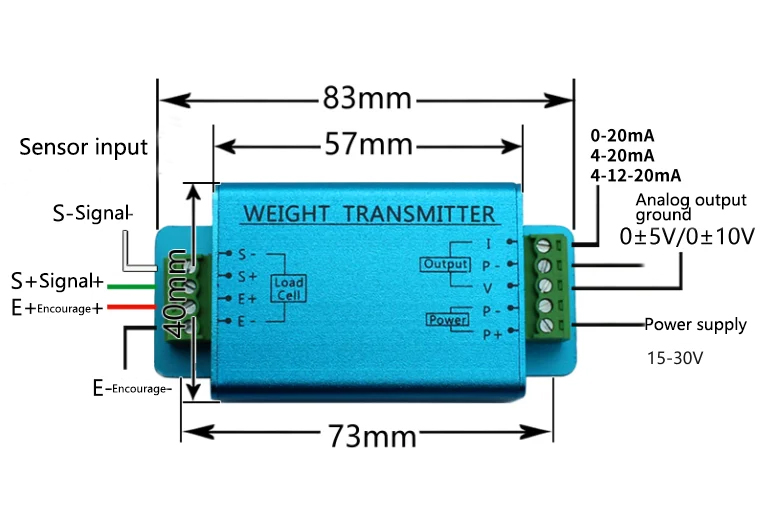
Wiring and Connections: Ensure that wiring is done according to the manufacturer’s instructions. Use appropriately rated cables to avoid signal loss or interference. Pay attention to the polarity of connections for power supply and signal input/output. 

Mounting Location: Install the amplifier in a location that minimizes exposure to environmental stressors like moisture, vibration, and temperature extremes. If possible, mount it in a controlled environment to prolong its lifespan. 

Grounding: Proper grounding is essential to prevent electrical noise and enhance signal integrity. Follow best practices for grounding to ensure a stable operation. 

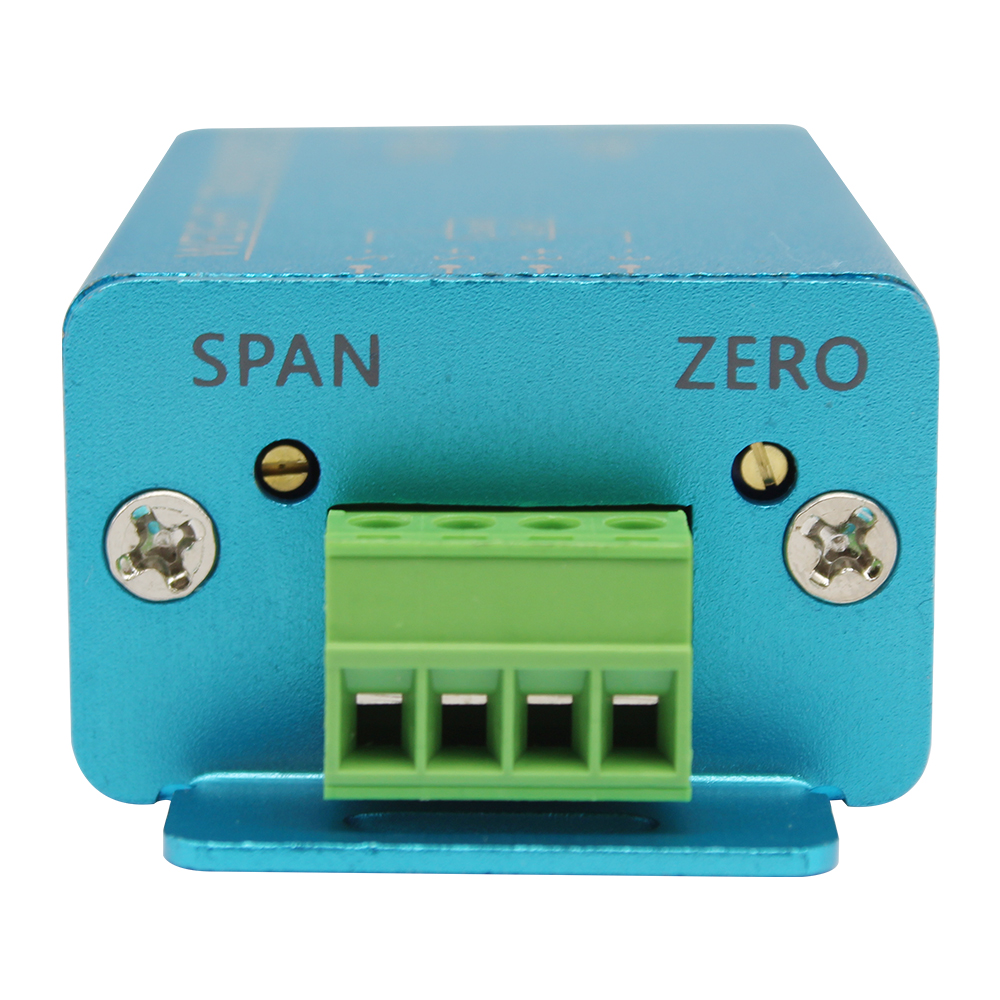
Calibration: After installation, calibrate the system according to the manufacturer's instructions. Calibration ensures that the amplifier is accurately interpreting the load cell’s signal and that the output reflects true load measurements. 

Testing: Conduct thorough testing post-installation. Check for signal integrity, noise levels, and accuracy under various load conditions to confirm the system's reliability. 

By adhering to these installation guidelines, users can significantly enhance the performance and longevity of load cell signal amplifiers in their applications. 

Understanding the Material Advantages of Load Cell Signal Amplifiers

The materials used in load cell signal amplifiers can significantly influence their performance and suitability for various applications. Here are some key material considerations: 

Housing Material: The choice of housing material affects durability and environmental resistance. Common materials include aluminum, stainless steel, and plastic. Metal housings provide better protection in harsh environments, while plastic may be lighter and more cost-effective for less demanding applications. 

Circuit Board Material: Look for amplifiers with high-quality circuit board materials that can withstand temperature fluctuations and humidity. PST is common for general applications, while specialized applications may require boards with better thermal stability and moisture resistance.  

Sealing and Coating: If the amplifier will be exposed to moisture or corrosive environments, select models with appropriate sealing or coatings. This could include conformal coatings or IP-rated housings that provide additional protection against dust and water ingress. 

Thermal Conductivity: Material selection can impact the thermal management of the amplifier. Materials with good thermal conductivity can help dissipate heat, thus enhancing reliability and performance. 

Weight Considerations: Depending on the application, weight may be a factor. Lighter materials can simplify installation and reduce strain on load cells in portable applications. 

By understanding material advantages, buyers can make informed choices that optimize performance and longevity in their specific applications. 

Key Specifications to Evaluate Load Cell Signal Amplifier Performance

When selecting a signal amplifier, several key specifications should be evaluated to ensure it meets the application's requirements. 

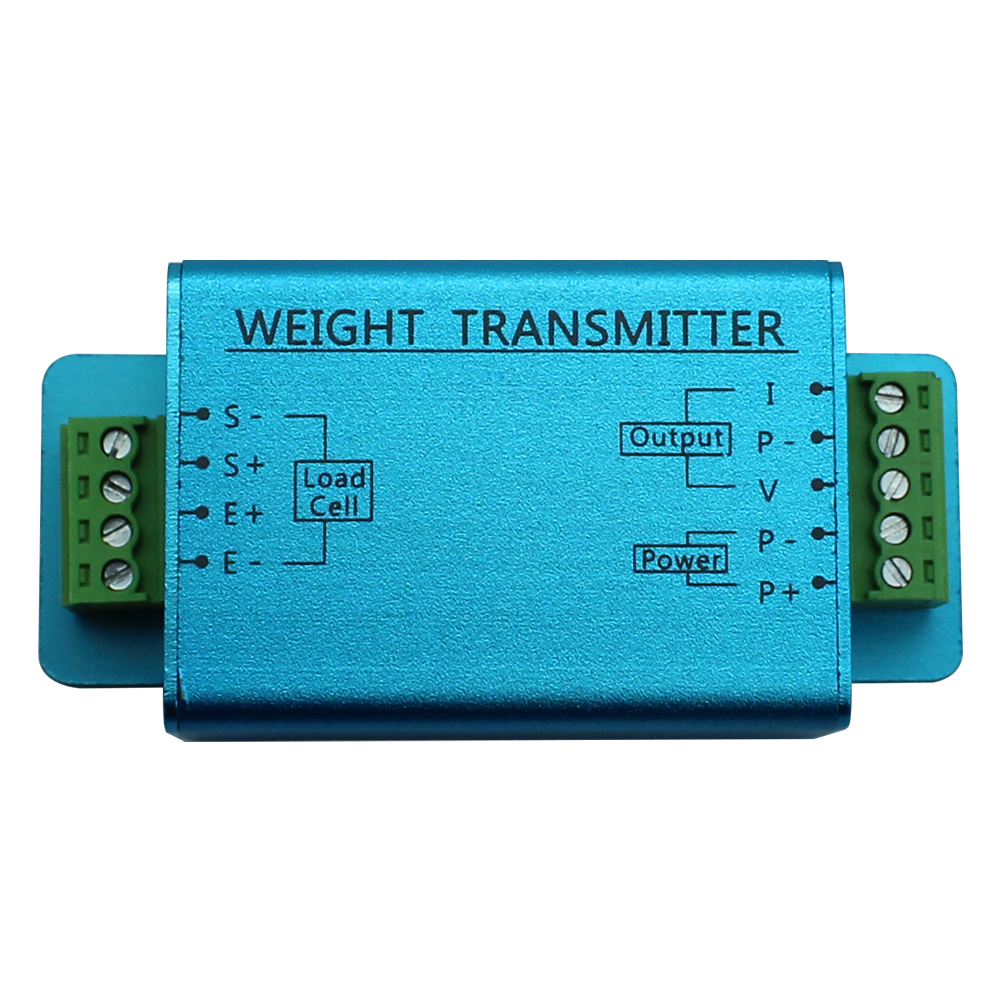
Input and Output Signal Types: Ensure the amplifier supports the input signal type from the load cell—typically, this will be a millivolt signal. The output should match the requirements of the data acquisition system or controller (e. g., analog voltage, current output). 

Gain Range: The gain of the amplifier is crucial as it determines how much the input signal will be amplified. Look for amplifiers with adjustable gain settings, which can be beneficial for applications with varying load conditions. 

Frequency Response: The amplifier should have an adequate bandwidth to handle the frequency of the signal without distortion. A frequency response that aligns with the operational dynamics of the load being measured is essential for accurate readings. 

Noise Performance: Evaluate the noise specifications, such as the noise figure or signal-to-noise ratio. Lower noise levels ensure more accurate measurements, critical in high-precision applications. 

Power Supply Requirements: Understanding the power supply requirements (AC or DC) and consumption is essential for ensuring compatibility with existing systems and overall energy efficiency.  

Temperature Range: Amplifiers should operate reliably within the expected temperature range of the application. Be sure to check the manufacturer's specifications for operating and storage temperatures. 

By assessing these specifications, buyers from PST can ensure that the load cell 10kg signal amplifier will function effectively in their specific application, leading to reliable and accurate measurements. 

Frequently Asked Questions

What is a load cell signal amplifier?

A device that conditions and boosts the small electrical output from a load cell or force sensor to a usable voltage or current for display, data acquisition, or control systems.
Compatible with strain-gauge based load cells and force sensors, including single-point, S-type, and button cells when wiring and excitation match amplifier specifications.
Common outputs include amplified mV/V, 0–10V, 4–20mA, and digital interfaces depending on model and OEM/ODM configuration.
Connect the amplifier between the sensor and controller or PLC to scale, filter, and linearize the signal, providing calibrated outputs for weighing, safety, or automation functions.
Our amplifiers are CE/RoHS compliant. We offer OEM/ODM customization, technical integration support, and documentation for lifting, weighing, automation, and new energy applications.

Get a Free Quote

Our representative will contact you soon.
0/1000