Key Specifications for Load Cell Suppliers

application/load-cell-supplier, application/load-cell-supplier, 
Inquiry
Inquiry

load cell supplier

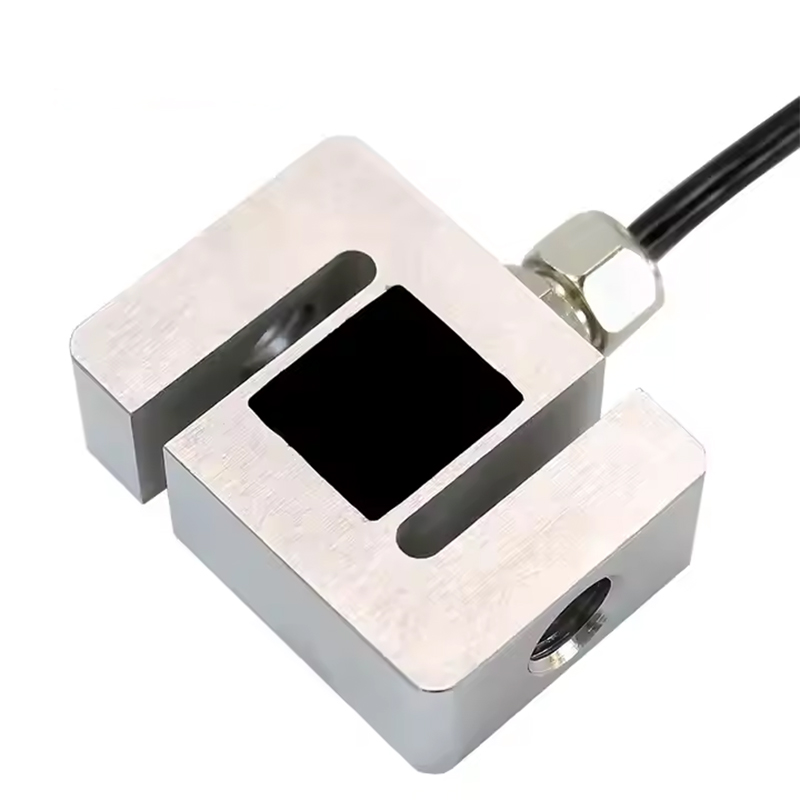
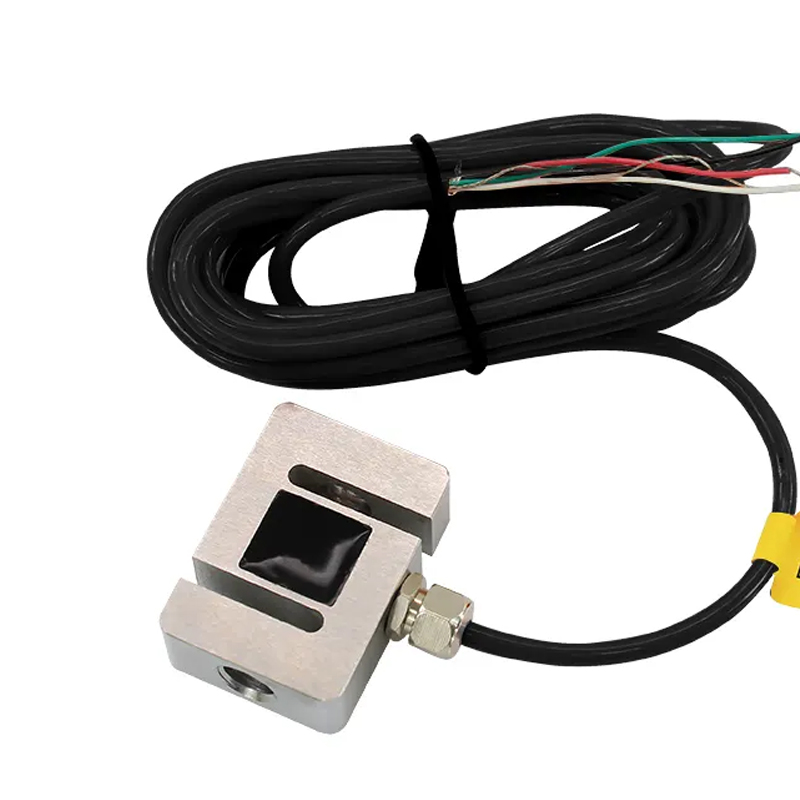
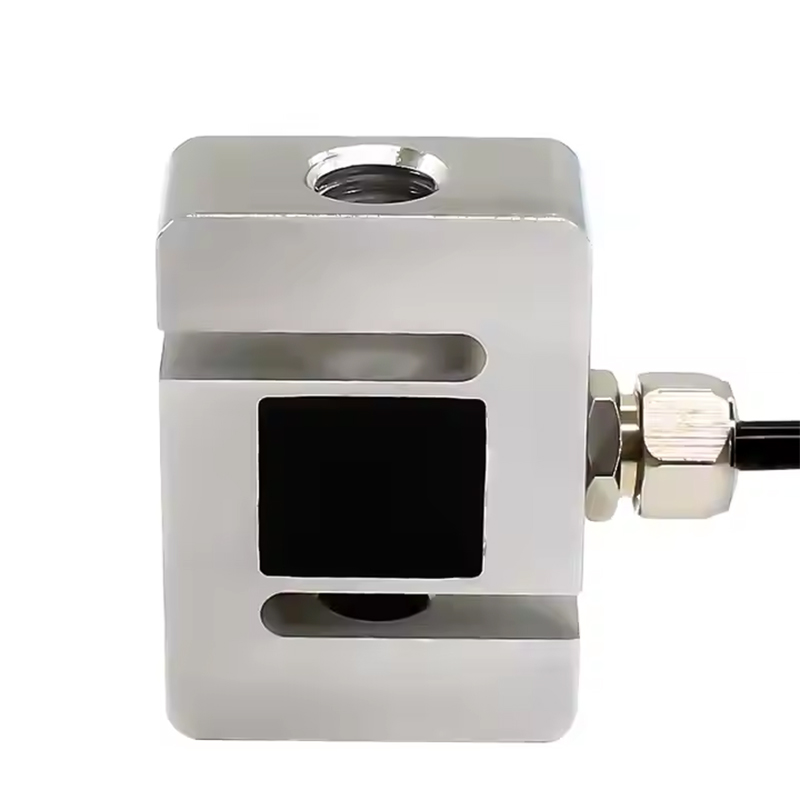
Load  cells  are critical  components in various industrial  applications, serving to measure  weight and force with  high  precision. As a leading load cell supplier, JIANGXI JINGCE  SENSING  TECHNOLOGY CO., LTD. specializes in providing  high-quality load cells,  force  sensors, and  wireless dynamometers tailored for  the lifting, weighing, automation, and new energy sectors. This article  will  guide  B2B buyers, purchasing managers, and engineers through key specifications, cost factors, best practices, and common  problems associated with load cells, equipping them  with the knowledge needed to make informed purchasing  decisions.

What Buyers Should Look For

What Buyers Should Look For

When  evaluating potential  load cell  suppliers, buyers should prioritize several factors  to ensure they choose a reliable partner.  First, verify the supplier's certifications such as CE  or  RoHS,  which  demonstrate compliance with international quality and safety standards. This is particularly important  in industries where safety and regulatory compliance are paramount.

Next, consider the supplier's manufacturing capabilities. A supplier with advanced production equipment and rigorous quality control processes can offer greater consistency and  reliability in their products. Understanding their production capacity is also essential, especially if you plan to place bulk orders.


Customization capabilities are another critical aspect. Many applications require specific load cell configurations, so ensure the  supplier can accommodate custom specifications. Furthermore, inquire about lead  times for production and delivery, as  timely  procurement is vital for maintaining  operational efficiency.


Lastly, request references or case studies from  previous clients to gauge the supplier's track record and customer  satisfaction. This will provide insights into their reliability and service quality.

Understanding Cost Factors for Bulk Orders of Load Cells

Understanding Cost Factors for Bulk Orders of Load Cells

Pricing for bulk orders  of  load cells can vary significantly based on several factors. Understanding these factors  can help buyers make more informed financial decisions. 

Volume Discounts: Many suppliers offer tiered pricing based on order  quantity.  Larger orders typically result in lower per-unit costs, making it  beneficial to consolidate orders  when possible.

Material Costs: The choice of materials can impact the overall cost. High-strength materials or  specialized coatings for environmental resistance may increase prices, so weigh these against the application needs.

Customization: Custom features  or specifications will  add to  the cost. When  requesting  quotes, be clear  about your required customizations to receive accurate pricing.

Shipping and Logistics: Consider shipping  costs and  lead times based on your location and the supplier's distribution capabilities. International shipping can significantly impact overall costs.

Quality Assurance: Suppliers with robust quality control  processes may charge premium prices, but investing in quality can prevent costly failures and downtime in the long run. For instance, the High Performance 100Nm Static Torque Sensor is designed with stringent quality standards to ensure reliability.

By considering these cost  factors, buyers can  better align their budgets with their operational needs and make strategic purchasing decisions.

Best Practices for Success

Best Practices for Success

Successful procurement  of load cells requires a strategic approach.  Here are some best practices to follow:

Conduct  Thorough Research: Understand your specific application requirements before engaging  suppliers. This includes knowing the expected load, environmental conditions, and integration with  existing systems.

Request Samples: Before committing to a bulk order, request samples to assess performance under  real-world  conditions. This step can reveal  potential issues not apparent in  specifications or  data sheets.


Document Specifications Clearly: When communicating with suppliers, provide detailed specifications  and requirements. This clarity reduces the risk of misunderstandings and ensures that the delivered product meets expectations.

Engage in Open Communication:  Maintain open lines of  communication with the  supplier throughout the procurement process. Regular updates can help address any concerns or adjustments needed on  both sides.

Plan for Quality Inspection: Establish a quality inspection process upon receiving the load cells.  This includes checking for physical damages, verifying dimensions, and conducting  functional tests  to ensure they meet the agreed specifications.

By implementing these practices, buyers can enhance their procurement processes and foster strong relationships with their  suppliers.

Common Problems with Load Cells and Effective Solutions

Load cells, while reliable, can  experience several common issues. Understanding  these challenges  and their solutions can aid in effective troubleshooting.

Drift in Readings:  Over time, load  cells may exhibit drift, leading  to inaccurate measurements. Regular calibration is essential to maintain accuracy.  Establish a  routine calibration schedule based on usage frequency and environmental conditions.

Environmental  Interference: Factors such as  temperature fluctuations and moisture can affect the  performance of load cells. Select models with appropriate IP ratings and consider environmental controls in the installation area.

Mechanical Damage: Load cells can be susceptible to mechanical shock or overload. Implement protective measures, such as using overload protection devices or ensuring proper installation  to minimize the risk of damage.

Wiring Issues: Poor connections or  damaged wires  can lead to faulty readings. Inspect wiring regularly and ensure all connections are secure during installation and maintenance.

Signal Noise: Electrical  noise can interfere with signal output, affecting measurement accuracy. Utilize shielded cables and proper grounding techniques  to reduce noise interference in the system.

By being aware of these common problems and their solutions,  buyers can take proactive measures to ensure the  reliability  and  longevity of their load cells in various applications.

Key Specifications to Consider When Sourcing Load Cells Wholesale

When sourcing load cells wholesale, several specifications  are crucial for ensuring optimal performance and compatibility with your application. Key specifications  to consider include:

Load Capacity: This indicates the maximum weight  or force the load cell can handle safely.  It is essential  to choose a load cell with a capacity exceeding the expected maximum load to avoid damage or failure.

Accuracy  and Precision: Look for specifications detailing measurement accuracy, typically expressed as a percentage of the full-scale output. Precision is  vital in applications requiring  exact weight measurements.

Material Composition: Load cells are often made from materials such as aluminum or  stainless steel. The choice of material affects durability,  environmental  resistance,  and application suitability.

Environmental Ratings:  Consider certifications such as IP (Ingress Protection) ratings, which  indicate the load cell's resistance to dust and moisture. This is particularly important for outdoor or harsh industrial environments.

Electrical Characteristics: Understanding  the output signal type (analog or digital) and the power supply requirements is necessary for ensuring compatibility with existing systems.

Dimensions and Mounting Options: The physical size and mounting configurations of load cells can significantly  influence installation.  Ensure that selected  models fit within the spatial constraints of your application.

By focusing  on these specifications, buyers can ensure they select load cells that meet both operational and environmental  requirements. For example, the Chinese Factory Weighing Compression Tension Junction Box is designed to provide reliable connections for various load cell applications.

Frequently Asked Questions

What types of load cells do you supply?

We supply high-precision strain gauge load cells, compression, tension, S-type, shear beam, and custom OEM/ODM designs for various industries.
Yes. Our products carry CE and RoHS certifications, ensuring compliance with European safety and environmental standards.
Absolutely. We offer OEM/ODM customization for capacity, mounting, connectors, calibration, and housing to meet specific application needs.
We serve lifting, weighing, automation, new energy, and industrial measurement sectors worldwide with tailored sensing solutions.
Yes. We provide factory calibration, documentation, and technical support for selection, installation, and integration of our load cells and sensors.

Get a Free Quote

Our representative will contact you soon.
0/1000