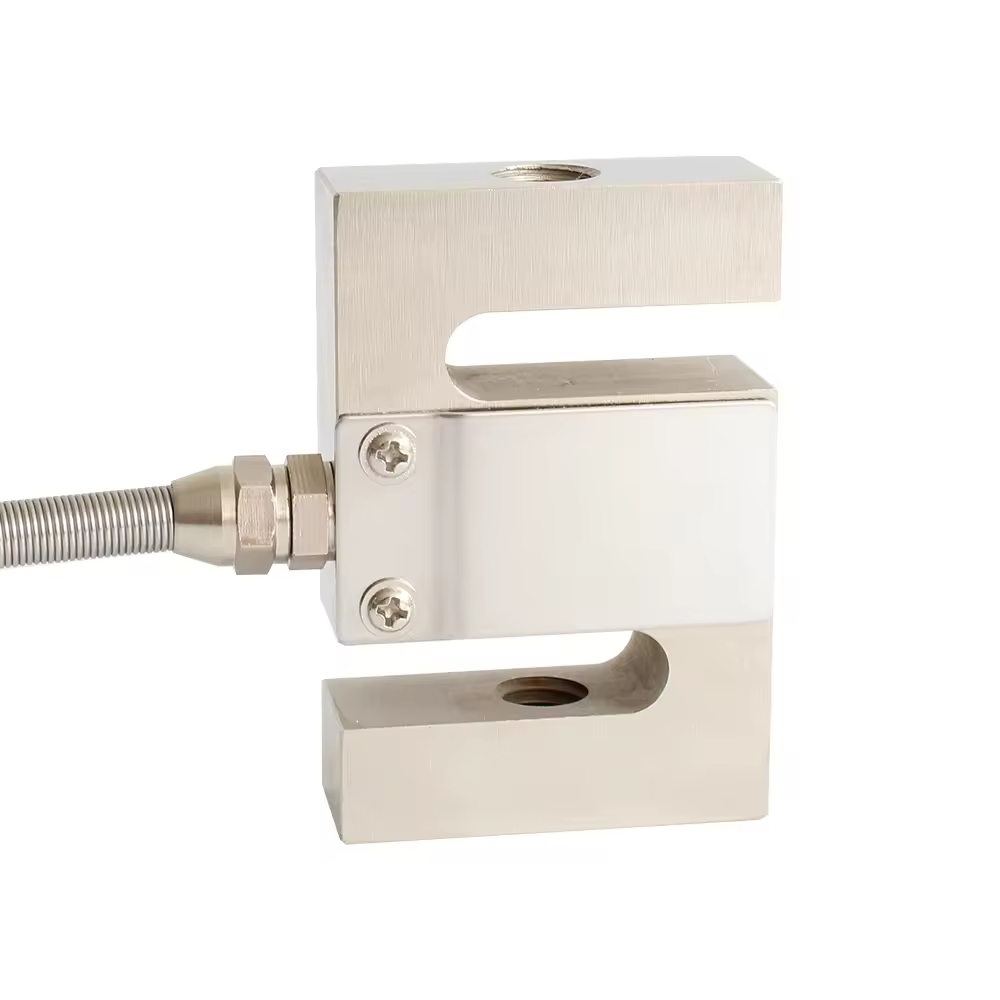
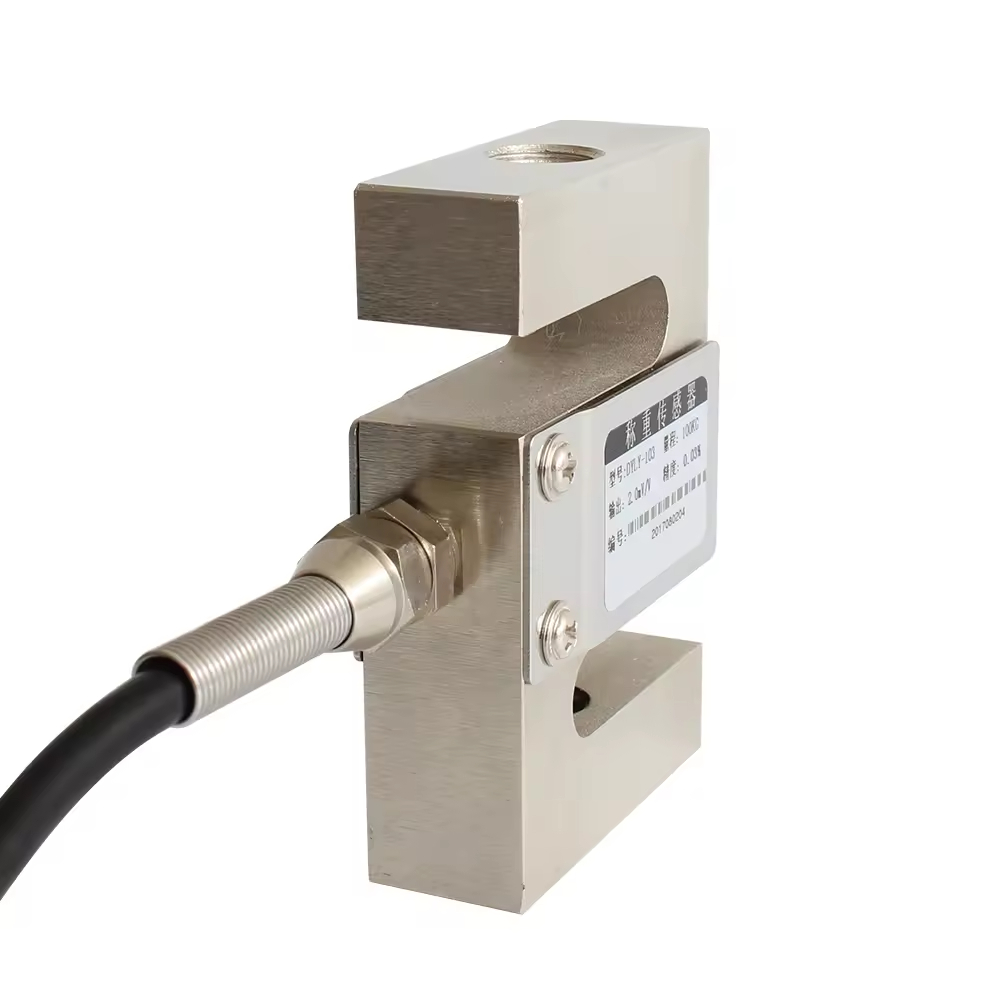
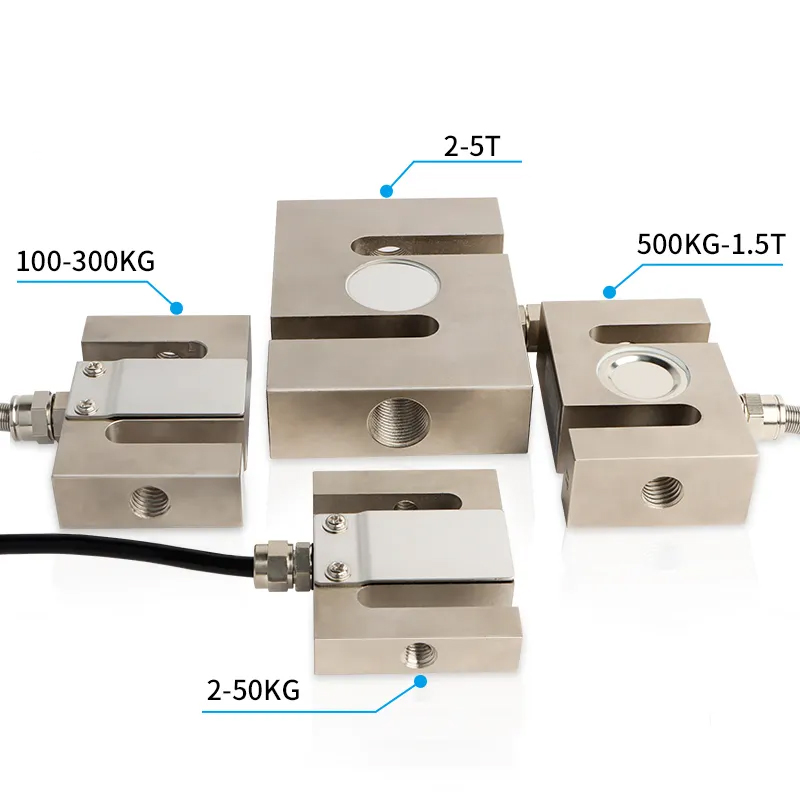
Material Advantages of Load Cell Type S in Industrial Use
The materials used in load cell type S significantly influence performance and durability. Here are some advantages:
Stainless Steel: Commonly used for load cell type S, stainless steel offers excellent resistance to corrosion and mechanical stress, making it ideal for harsh industrial environments. It maintains structural integrity under varying temperatures and humidity levels.
Aluminum: Lightweight and cost-effective, aluminum is suitable for applications where weight is a concern. While it may not offer the same durability as stainless steel, advancements in manufacturing techniques have improved its performance in many applications.
Sealing Technology: Load cells with proper sealing techniques, such as adhesive or welding, enhance their resistance to moisture and dust. This is crucial for maintaining accuracy and prolonging the life of the load cell in industrial settings.
Understanding the material advantages of load cell type S will guide you in selecting the right product based on environmental conditions and application requirements.
By carefully considering specifications, potential problems, cost factors, and material advantages, you can make informed decisions when purchasing load cell type S for your industrial applications.
 EN
EN