Miniature Tension Sensor: Specifications and Selection

application/miniature-tension-sensor, application/miniature-tension-sensor, 
Inquiry
Inquiry

miniature tension sensor

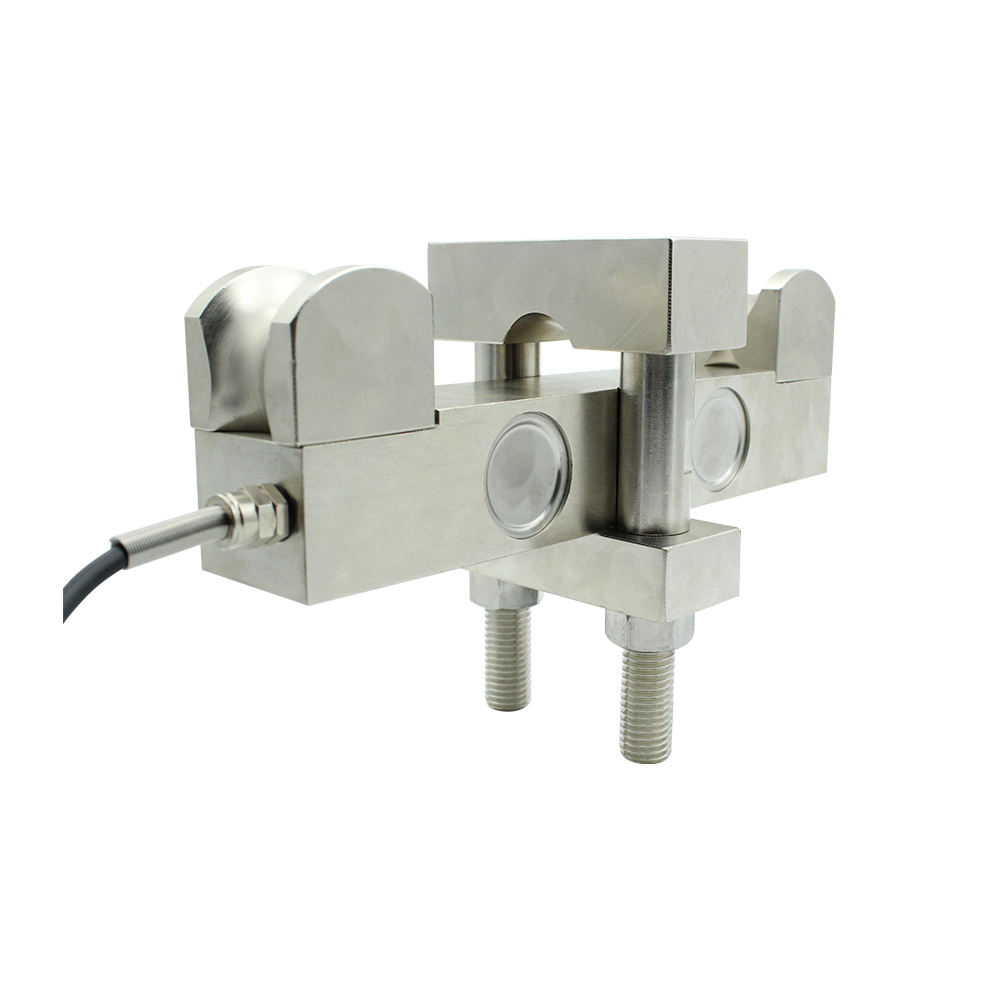
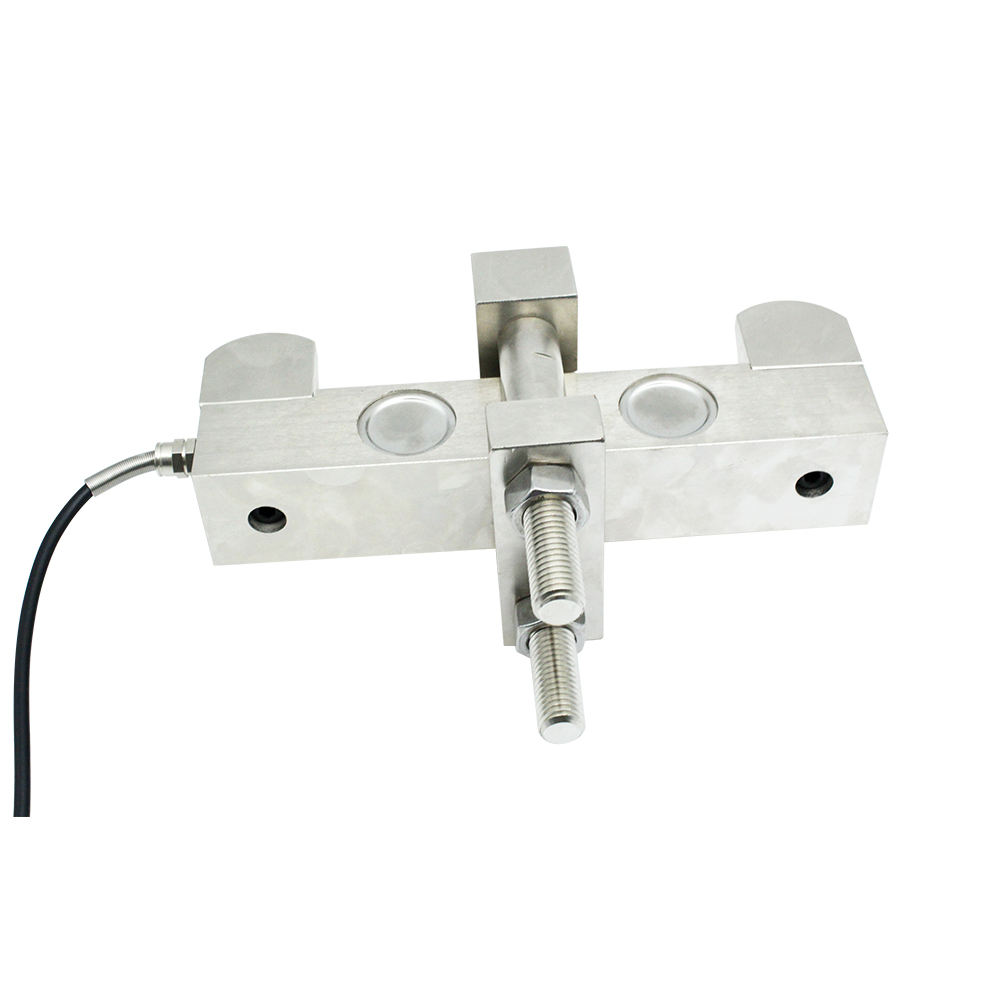
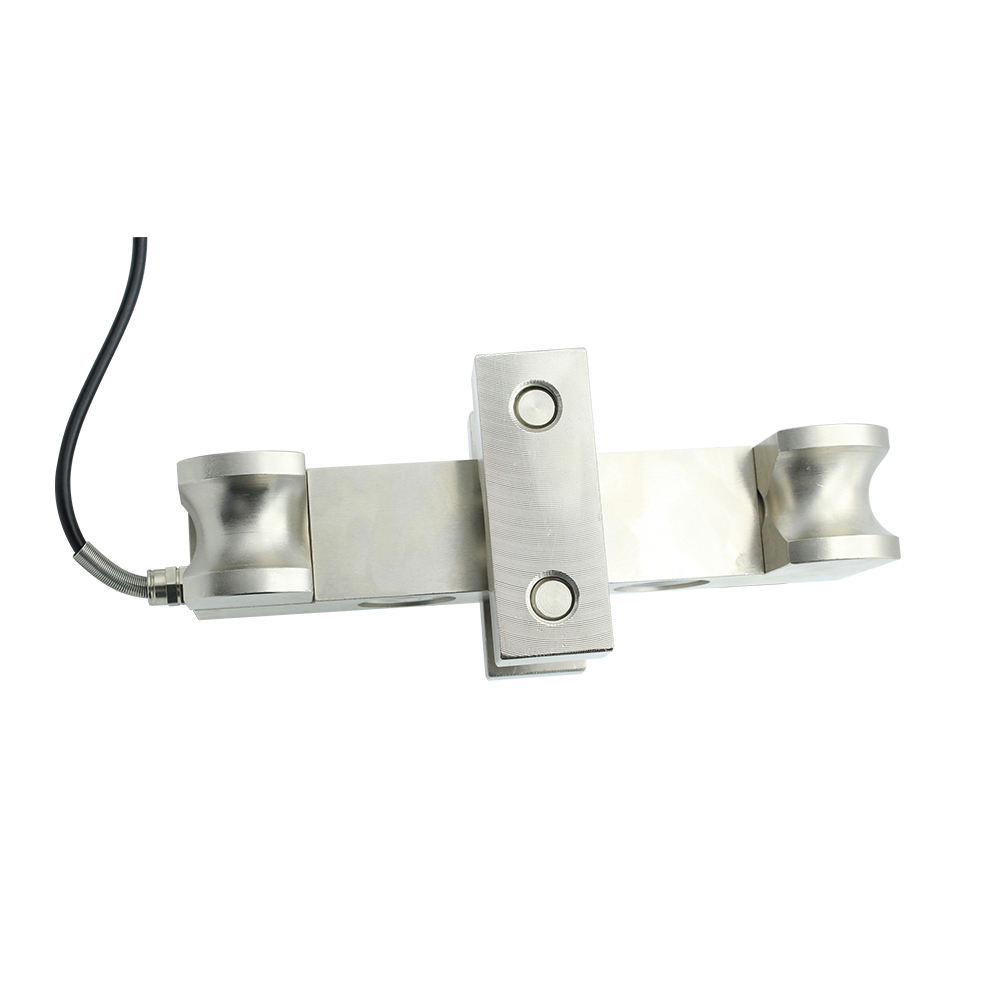
A  miniature  tension  sensor  is a  critical device used to  measure  tensile forces in various applications  across multiple industries,  including manufacturing, automation, and energy. For B2B buyers, understanding the specifications,  selection  criteria, and potential challenges of  these  sensors is essential for making  informed purchasing decisions. This article  will delve into the  key  aspects of miniature tension sensors,  providing valuable  insights that will help you determine  the right fit for your needs.

How to Choose the Right Miniature Tension Sensor for Your Projec

How to Choose the Right Miniature Tension Sensor for Your Projec

Selecting the appropriate miniature tension sensor involves several steps:

Define  Your Application Needs: Assess the specific  requirements of your project, including the type of force to be measured, environmental conditions, and integration with existing systems. This will help narrow down your options.

Evaluate Performance Characteristics: Consider the required load capacity, sensitivity, and accuracy based on your application. For instance, if you're working in a high-precision environment,  a sensor with higher sensitivity  and accuracy is necessary.

Compatibility  with Existing Systems: Ensure  that the sensor can easily integrate with your current equipment,  including any necessary interfaces or protocols. This may involve checking  for  electrical compatibility and physical  dimensions.

Customization Options: Many manufacturers, including JIANGXI JINGCE SENSING TECHNOLOGY CO., LTD., offer OEM/ODM solutions that allow for customization of sensors. If your application has unique requirements,  discuss  these  options with potential  suppliers.

Cost and Budget Considerations:  Balance the sensor's features with your budget constraints.  While it can be  tempting to opt for the cheapest option, consider the total cost of ownership, including potential  maintenance and replacement  costs. Additionally, exploring options like the Cost-effective Load Cell Amplifier Weight Sensor Controller 4-20mA RS485 Output Load Cell Indicator for Force Sensor can provide good value.

By following these steps, you can systematically choose a miniature tension sensor that aligns with your project requirements and budget.

What to Look For

What to Look For

When evaluating miniature tension sensors, buyers should focus on several critical factors:

Quality Certifications: Verify  that the sensors meet relevant industry standards, such as CE/RoHS certifications. This not only ensures safety and reliability but also indicates compliance with international regulations.

Supplier Reputation: Research potential suppliers, looking for reviews and testimonials from other businesses. A reputable supplier will have a track record of delivering  high-quality products and responsive customer service.

Testing and Quality  Control Processes: Inquire about the manufacturer's quality control measures, including testing procedures for each sensor. This can provide insights into the expected performance  and  reliability  of the sensors.

Technical Support and Documentation:  Ensure  that the  supplier offers comprehensive technical support and clear documentation. This is especially important for installation,  operation, and troubleshooting.

Warranty  and Return Policy: Review the warranty  and return policy to understand your rights as a buyer. A solid warranty  can provide peace  of  mind regarding the sensor's performance and potential defects.

By paying  attention to these factors, you can make a more informed decision and select a miniature  tension sensor  that will perform reliably  in your application.

Cost Factors When Purchasing Miniature Tension Sensors in Bulk

Cost Factors When Purchasing Miniature Tension Sensors in Bulk

When purchasing miniature tension  sensors in bulk, several cost factors come into play:

Unit  Price: Generally, bulk  purchases can lead  to a lower unit price. However,  it's essential  to evaluate the overall value, including quality and specifications, rather than focusing solely on cost.

Shipping  and Handling: Bulk orders may incur additional shipping costs, particularly if the  sensors are being transported  internationally. Ensure that you factor these costs into your budget.

Custom Duties and Taxes: Depending on your  location  and  the origin of the sensors, you may need to account for import duties  and taxes. Understanding these costs upfront can  help prevent budget overruns.

Volume Discounts: Many suppliers offer  volume discounts based on order quantity. It's worth negotiating these terms with your supplier to maximize savings.

Long-term Agreements: Consider establishing a long-term  purchasing agreement with your supplier. This may lead to more favorable  pricing  and reliability in supply.

Understanding these cost  factors will  help you budget more effectively and make the most of your purchasing decision.

Common Problems with Miniature Tension Sensors and Their Solutions

While miniature tension sensors are generally  reliable, buyers may encounter  common issues. Here are  some potential problems and their solutions:

Calibration Drift: Over time, sensors may experience calibration  drift, leading  to inaccurate readings. Regular calibration checks should be scheduled to maintain accuracy. It's advisable to work  with suppliers that  offer calibration services.

Environmental Sensitivity: Miniature tension sensors may be sensitive to environmental factors such as temperature and humidity. Ensure that the  selected sensor  is rated for the conditions it will encounter, and consider protective housings if needed.

Mechanical  Damage: Improper installation or handling can lead to mechanical damage. Always follow the manufacturer's installation guidelines and consider training for personnel who  will handle the sensors.

Electrical Issues: Electrical noise can interfere with sensor readings. Implementing proper shielding and grounding techniques  can mitigate these issues, ensuring reliable performance.

Response Time: Some sensors may have slower response times that are unsuitable for dynamic applications.  Review the specifications  carefully and, if necessary,  opt for sensors  designed for high-speed measurements.

By being aware of these common problems and their  solutions, buyers can take proactive  steps to ensure the reliable operation of  miniature tension  sensors in their applications.

Understanding Miniature Tension Sensor Specifications for Your Needs

Miniature tension sensors are designed for precise measurement of force and load. Key  specifications to consider include:

Load  Capacity: This indicates the maximum load the sensor can accurately measure. Selecting a  sensor with an appropriate  load capacity is crucial; exceeding this limit can lead to sensor damage or inaccurate readings.

Sensitivity: This refers to the sensor's ability to detect small changes in force. Higher sensitivity  is beneficial for applications requiring precise measurements, while  lower sensitivity may suffice in less demanding settings.

Material and  Construction: The materials used  in manufacturing the sensor  affect its durability and performance.  Common materials include stainless steel and aluminum, which offer  different balances of weight, strength, and resistance to environmental factors. For example, the High Performance 100Nm Static Torque Sensor Load Cell with 0.1% Accuracy IP65 Waterproof for Elevator/Lifting and Scale Use could be a suitable option depending on the application.

Dimensions: Miniature sensors need to fit within specific spatial constraints of your application. It's  essential to ensure that the sensor's dimensions  align with your system's design to facilitate installation and operation.

Calibration  and Accuracy: Sensors should be calibrated  to ensure accuracy in  measurements. Buyers should  inquire about the accuracy specifications and the calibration process used by the manufacturer.

Understanding these  specifications helps ensure that the selected miniature  tension sensor meets the operational demands of your application while providing reliable performance.

Frequently Asked Questions

What is the miniature tension sensor used for?

A compact load cell for measuring tensile force in lifting, weighing, automation and new energy applications where space is limited and high precision is required.
Available in multiple capacities with high precision; specific ranges and accuracy depend on model. Contact us for detailed specs and calibration options.
Our miniature tension sensors carry CE and RoHS certifications, ensuring compliance with relevant safety and environmental standards.
Yes. We offer OEM/ODM customization for mechanical design, mounting, output signals and calibration to meet your application needs.
Supports standard analog outputs and can be configured for digital or wireless interfaces depending on model and customization requirements.

Get a Free Quote

Our representative will contact you soon.
0/1000