Evaluating S-Shaped Load Cells for Bulk Orders

application/s-shaped-load-cell, application/s-shaped-load-cell, 
Inquiry
Inquiry

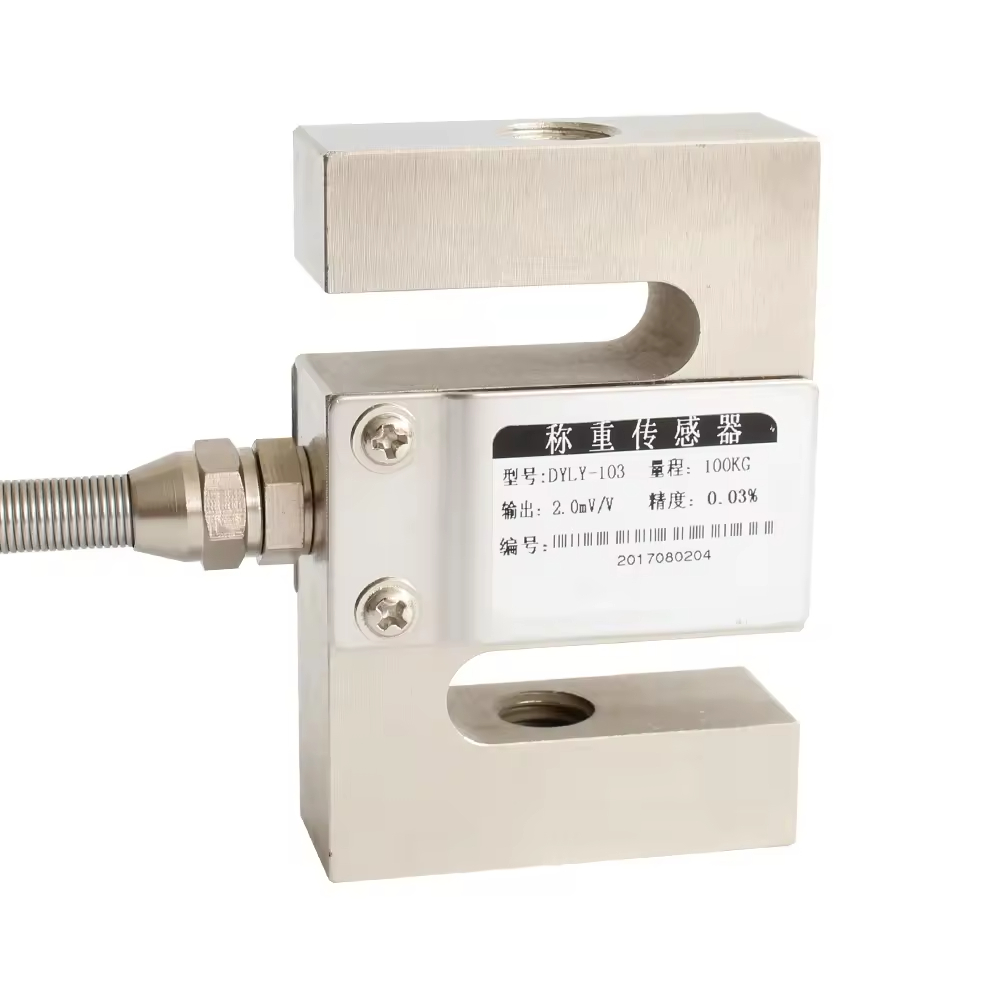
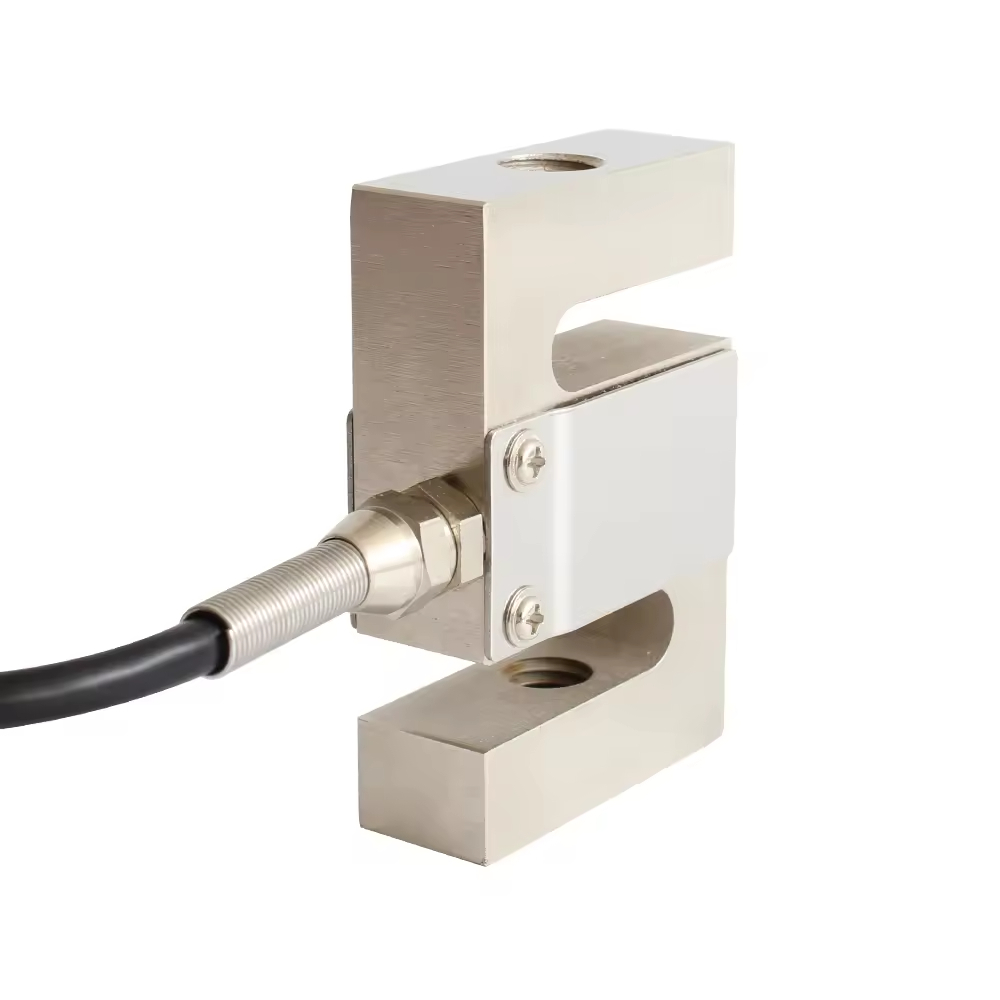
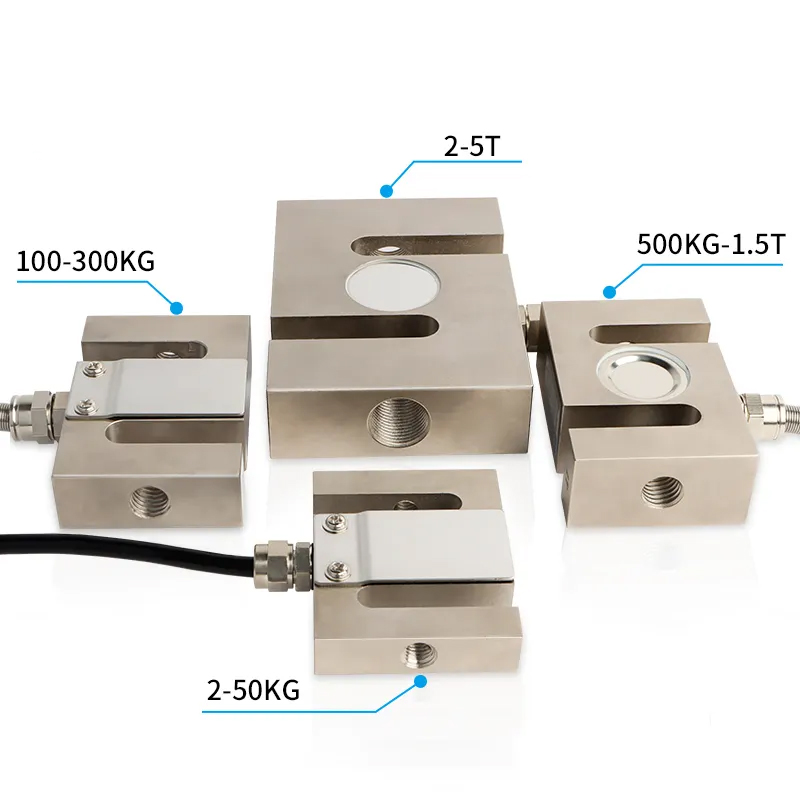
S shaped load cell

S-shaped load cells are specialized sensors designed to measure force or weight, often used in lifting and weighing applications. As B2B buyers, understanding the quality, installation challenges, and various applications of these load cells is crucial. This article will guide you through evaluating load cell amp for bulk orders, key considerations when purchasing, common installation challenges, their industry applications, and the features and benefits that can help you make informed decisions.

What to Look for When Purchasing Load Cells

What to Look for When Purchasing Load Cells

When purchasing S-shaped load cells, several key factors should guide your decision-making process. First, assess the load cell’s application compatibility. Determine the types of loads (static or dynamic) and the environments (indoor or outdoor) in which the load cell will be used, as this will influence the material selection and specifications. 

Next, consider the required load capacity. Load cells come in various capacities, so it is vital to choose one that can safely handle the maximum load you anticipate. Always factor in a safety margin to account for unexpected surges in load or weight. 

Another important consideration is the method of signal transmission. Depending on your application, you may need wired or wireless load cells. Wireless options offer greater flexibility and ease of installation, particularly in complex systems, but may require additional considerations for battery life and signal reliability. 

Price is also a critical factor, but it should not be the sole determinant. While lower prices can be appealing, ensure that the load cells meet your quality and performance requirements. Evaluate the total cost of ownership, which includes installation, maintenance, and potential replacement costs. 

Lastly, confirm the manufacturer’s lead times and minimum order quantities (MOQs). Understanding these factors will help you plan your procurement process and ensure that you have the necessary stock when needed.

Common Installation Challenges for S-Shaped Load Cells and Solutions

Common Installation Challenges for S-Shaped Load Cells and Solutions

Installing PST S-shaped load cells can come with its own set of challenges. One common issue is ensuring proper alignment. Misalignment can lead to inaccurate readings and potential damage to the load cell. To mitigate this risk, use precision mounting fixtures and double-check alignment during installation. 

Another challenge is ensuring that the load cell is adequately protected from environmental factors. If the miniature compression load cell will be exposed to moisture, dust, or chemicals, consider using protective enclosures or coatings. This is particularly relevant for applications in harsh environments, such as construction sites or manufacturing plants. 

Wiring and connectivity can also pose installation challenges. Ensure that the wiring is properly shielded to prevent interference, especially in environments with heavy machinery. Using color-coded wires can simplify the process and reduce the risk of errors during installation. 

If you encounter issues with signal stability, review the installation layout. Sometimes, the placement of cables can lead to noise interference. Ensure that cables are routed away from high-power lines and other sources of electrical noise. 

Lastly, if the load cell requires calibration after installation, be sure to follow the manufacturer’s guidelines. Regular calibration checks will ensure ongoing accuracy and reliability in measurements. 

Industry Applications of S-Shaped Load Cells in Manufacturing

Industry Applications of S-Shaped Load Cells in Manufacturing

S-shaped load cells are versatile devices found in various industrial applications. Their compact design and ability to measure tension and compression make them suitable for use in cranes and hoists, where they monitor lifting operations to ensure safety and efficiency. 

In the manufacturing sector, S-shaped load cells are used in packaging systems to verify weights and ensure compliance with quality standards. This application is crucial in industries like food and beverage, where weight accuracy can affect both compliance and profitability. 

Another significant application is in automation systems, where load cells help in monitoring the load on conveyor belts, ensuring that materials are moved efficiently and safely. They can also be integrated into robotic systems for precision handling of components. 

In addition, S-shaped load cells are utilized in testing and quality control laboratories. They provide accurate force measurements for material testing, ensuring that products meet specified standards before they are released to the market.

Features and Benefits for Buyers

When considering PST S-shaped load cells, several features and benefits stand out for B2B buyers. One principal advantage is their high accuracy and reliability, essential for applications requiring precise measurements. This accuracy can enhance the overall efficiency of operations, reduce waste, and improve product quality. 

Another benefit is their compact design, allowing for easy integration into existing systems without requiring significant modifications. This feature is particularly attractive for manufacturers looking to upgrade their equipment without extensive downtime. 

Additionally, many modern S-shaped load cells offer advanced features such as digital output, which can simplify data collection and integration with existing software systems. This capability allows for real-time monitoring and data analysis, contributing to improved decision-making processes. 

Buyers should also consider the customization options available, such as specific load capacities, materials, and dimensions tailored to unique applications. This flexibility can enhance operational efficiency and ensure that the load cells meet specific performance criteria. 

Finally, the long lifespan and low maintenance requirements of high-quality S-shaped load cells contribute to their cost-effectiveness. By investing in reliable products, buyers can minimize the frequency of replacements and the associated costs, making S-shaped load cells a valuable addition to any industrial operation. 

How to Evaluate the Quality of S-Shaped Load Cells for Bulk Orders

When evaluating the quality of S-shaped load cells, consider several key factors that directly impact their performance and reliability. First, examine the material used in the construction of the load cell. High-quality materials, such as stainless steel or aluminum, offer durability and resistance to environmental conditions, which is particularly important in industrial settings. 

Next, check the load cell’s specifications. Key specifications include the maximum load capacity, accuracy, and operating temperature range. You should confirm that these specifications meet the requirements of your intended application. It is essential to request datasheets and verify that the load cells have undergone rigorous testing to ensure they can handle the operational stresses they will encounter. 

Another critical factor is certification. Look for load cells that have CE and RoHS certifications, which indicate compliance with European safety and environmental standards. This not only ensures product quality but also facilitates smoother customs processes when importing. 

Lastly, consider the manufacturer’s quality control processes. A reputable manufacturer, like PST, should have established quality assurance protocols, including regular testing and inspection of products before shipment. Knowing the manufacturer’s track record in the industry can also provide insight into the reliability of their load cell tension.

Frequently Asked Questions

What is an S shaped load cell used for?

An S shaped load cell measures tension and compression forces, commonly used in scales, tensile testing, hanging load measurement, and industrial weighing where compact, bidirectional force sensing is required.
Our S shaped load cells offer high precision with CE and RoHS certifications. Accuracy specifications vary by model; contact us for calibration, precision class, and test reports.
Yes. We offer OEM/ODM customization including mounting dimensions, output sensitivity, connectors, and calibration to meet your application requirements in lifting, weighing, or automation.
Load cells are available with IP-rated sealing, temperature compensation, and protections against overload, EMI, and moisture. Specific ratings and protections depend on the selected model.
Provide expected load range, mounting style, required accuracy, operating environment, and electrical interface. Our team will recommend suitable S shaped load cell models and calibration options.

Get a Free Quote

Our representative will contact you soon.
0/1000