Choosing the Right 500kg Load Cell for Your Needs

application/s-type-load-cell-500kg, application/s-type-load-cell-500kg, 
Inquiry
Inquiry

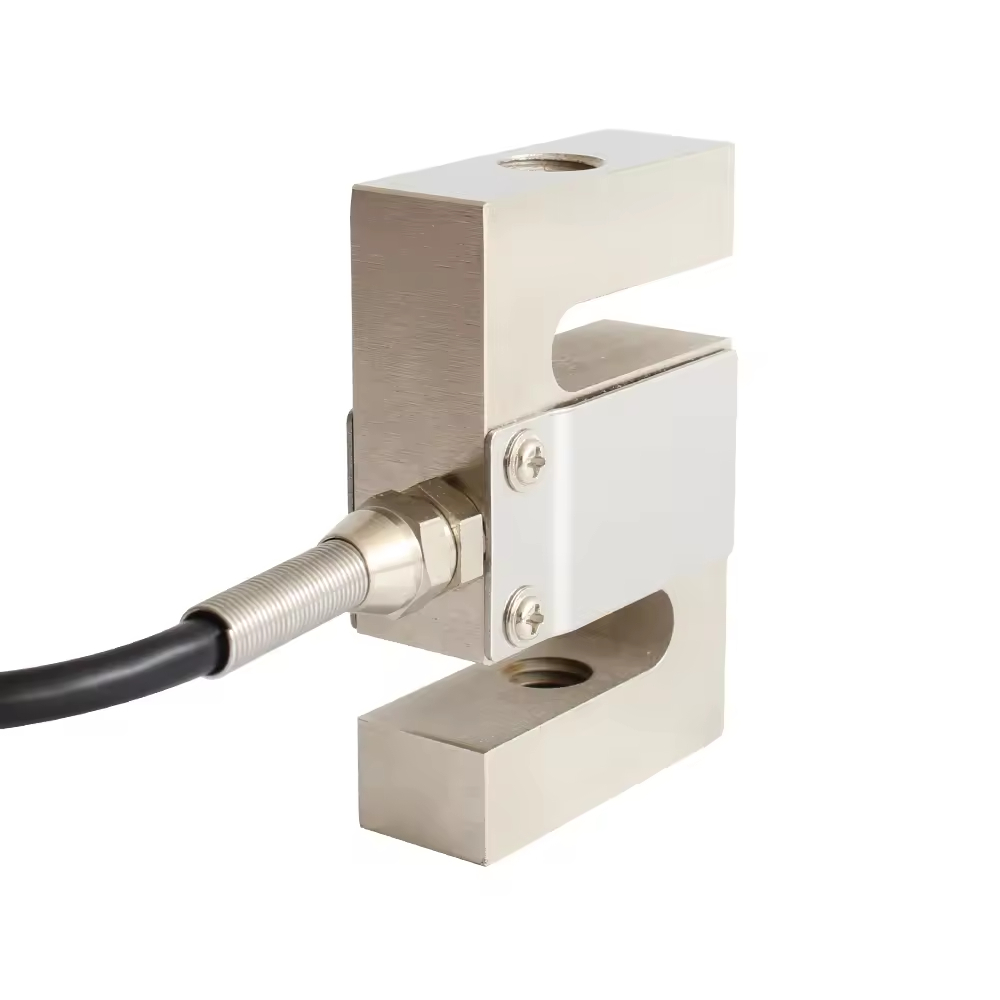
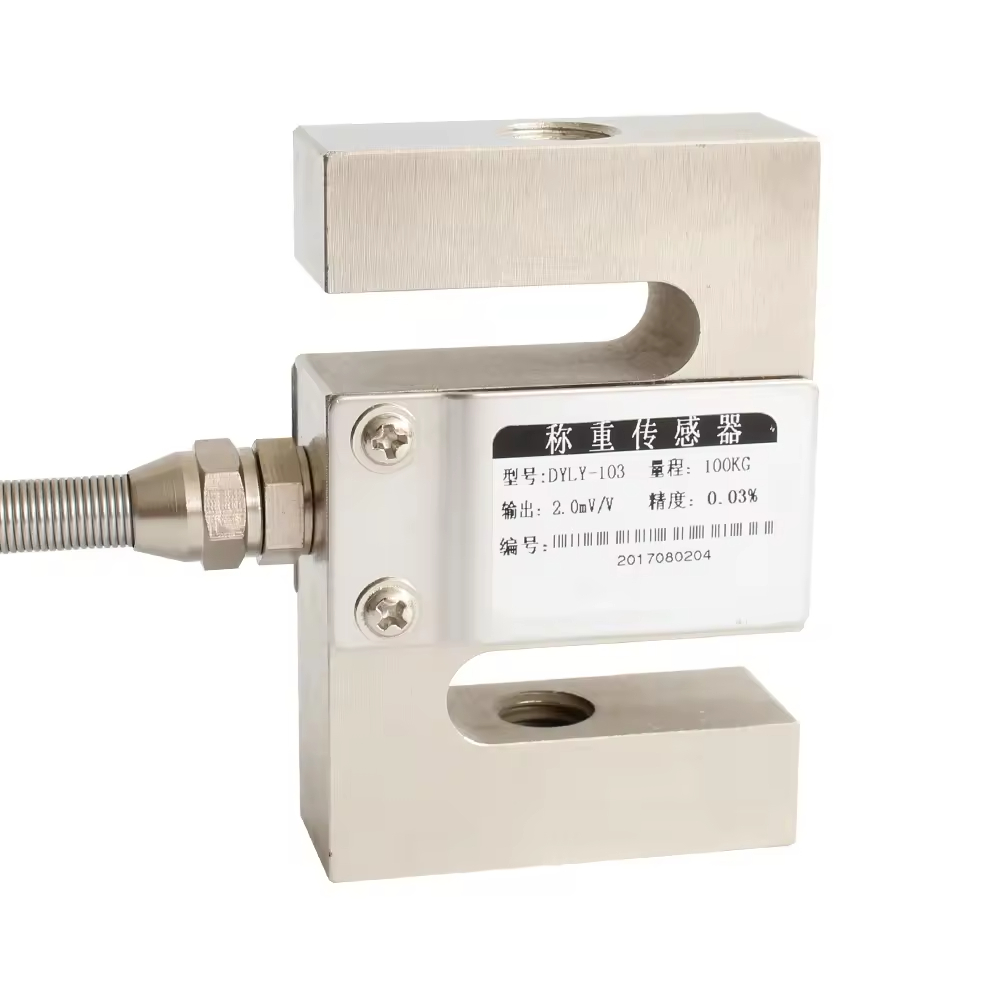
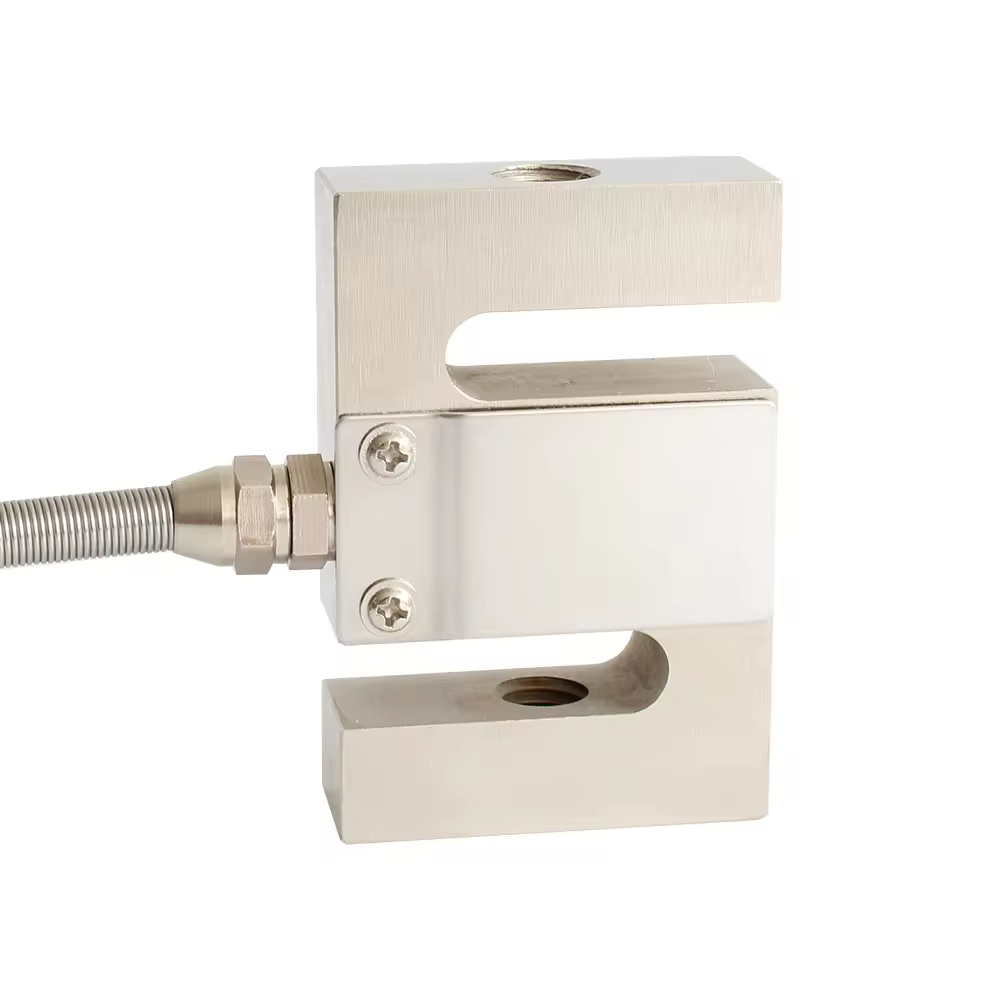
S type load cell 500kg

Load cells are critical components in various industrial applications, especially when precise weight measurement is necessary. This article focuses on the s type load cell 500kg, which is designed for high-accuracy applications in sectors like automation, lifting, and weighing. B2B buyers, including purchasing managers and engineers, often seek clarity on specifications, performance, and application suitability. This article will equip you with essential knowledge to make informed decisions regarding the selection and implementation of 500kg load cells in your operations.

Understanding the Cost Factors of 500kg Load Cells for Distributors

Understanding the Cost Factors of 500kg Load Cells for Distributors

The cost of PST 500kg load cells can vary significantly based on several factors. As a distributor, understanding these elements is crucial for pricing strategies and customer consultations. 

Material Costs: Load cells made from high-quality materials such as stainless steel tend to be more expensive due to their durability and resistance to environmental factors.  

Technology and Features: Advanced features like digital outputs, built-in temperature compensation, and wireless capabilities can increase costs. Assess the necessity of these features based on the target application. 

Customization: Customized solutions tailored to specific client needs can lead to higher pricing structures. Discussing customization options with clients upfront can help set realistic expectations. 

Volume Discounts: Bulk orders often come with discounts. Evaluating your purchasing patterns can help optimize costs and pass savings onto your customers. 

Understanding these cost factors will help distributors set competitive prices while ensuring profitability. 

Ensuring Optimal Performance

Ensuring Optimal Performance

To guarantee optimal performance of the 500kg load cell, several practices should be followed: 

Quality Control: Implement a stringent quality control process during the manufacturing phase to reduce defects. This includes regular testing of load cells to ensure they meet the required specifications. 

Environmental Considerations: Load cells should be installed in environments suitable for their design. Excessive moisture, dust, or vibrations can affect performance. Use protective enclosures if necessary.  

Regular Maintenance: Establish a maintenance schedule to check for wear and tear. Regular inspections can help identify potential issues before they affect performance. 

Data Monitoring: Utilizing monitoring systems can provide real-time data on double beam load cell performance, enabling quick responses to any anomalies. 

By adhering to these practices, companies can enhance the longevity and reliability of their load cell systems. 

Features to Consider for Your Projects

Features to Consider for Your Projects

When implementing a PST 500kg load cell, certain features can significantly impact its effectiveness in your application. Key features to consider include: 

Output Type: Depending on your system, you may need analog or digital outputs. Digital outputs often provide more precise measurements and easier integration with modern control systems.  

Sensitivity and Accuracy: Check the load cell’s specifications for sensitivity and accuracy ratings. A higher sensitivity leads to more precise measurements, which is critical in applications requiring exact data. 

Temperature Compensation: Load cells with built-in temperature compensation can maintain accuracy across varying temperatures, making them ideal for environments with fluctuating conditions. 

IP Rating: An Ingress Protection (IP) rating indicates the load cell's ability to withstand environmental factors. Higher ratings offer better protection against dust and moisture. 

By carefully considering these features, you can select a load cell that will perform optimally in your specific application.

Exploring Applications of 500kg Load Cells in Various Industries

500kg load cells find applications across numerous industries due to their versatility and reliability. Here are some common applications: 

Manufacturing and Automation: In automated systems, load cells are used for weight verification in assembly lines, ensuring that components meet specified weights before proceeding.  

Lifting and Hoisting: These load cells are employed in cranes and hoists to accurately measure the weight of loads being lifted, which is essential for safety and operational efficiency. 

Weighing Systems: In commercial and industrial weighing applications, 500kg load cells help ensure accurate measurements for inventory control and shipping. 

Research and Development: Load cells are utilized in laboratories for testing the strength and durability of materials under controlled conditions. 

Understanding these applications can aid buyers in recognizing the potential uses of double shear beam load cell in their operations, enabling better purchasing decisions. 

By comprehensively evaluating these aspects, you can confidently navigate the selection and implementation of PST s type load cells 500kg in your industrial processes. This knowledge equips you to make informed decisions, ensuring that the products you choose will meet both current and future needs in your operations. 

Choosing the Right 500kg Load Cell for Your Industrial Applications

Selecting an appropriate 500kg load cell involves understanding the specific requirements of your application. Key factors include the load cell's design, sensitivity, and accuracy. S type load cells, for instance, are favored for their versatility and capability to handle tension and compression forces. 

When choosing a load cell, consider the following: 

Load Capacity: The 500kg capacity is suitable for many industrial applications, but ensure that the load cell can handle any potential overload without compromising accuracy. 

Material and Environment: Load cells typically use materials like aluminum or stainless steel. For corrosive environments, stainless steel is preferable due to its durability. 

Calibration: Ensure the load cell is calibrated according to your specific requirements to maintain accuracy over time. Regular calibration checks are essential, especially in high-precision environments. 

Installation Constraints: Your application might have specific space limitations or installation orientations. Ensure the chosen load cell fits these requirements. 

By evaluating these factors, you can ensure the selected shear type load cell effectively meets your operational needs. 

Frequently Asked Questions

What is the capacity of the S type load cell 500kg?

The S type load cell 500kg has a rated capacity of 500 kilograms, suitable for medium-duty weighing and force measurement applications.
Our S type load cell holds CE and RoHS certifications, ensuring compliance with European safety and environmental standards.
Yes. We offer OEM/ODM customization including mounting options, connector types, calibration, and customized labeling to meet your project needs.
It is ideal for lifting, weighing, automation, and new energy applications where precise force or weight measurement is required.
We provide factory calibration, technical support, datasheets, and guidance on installation and integration to ensure accurate and reliable performance.

Get a Free Quote

Our representative will contact you soon.
0/1000