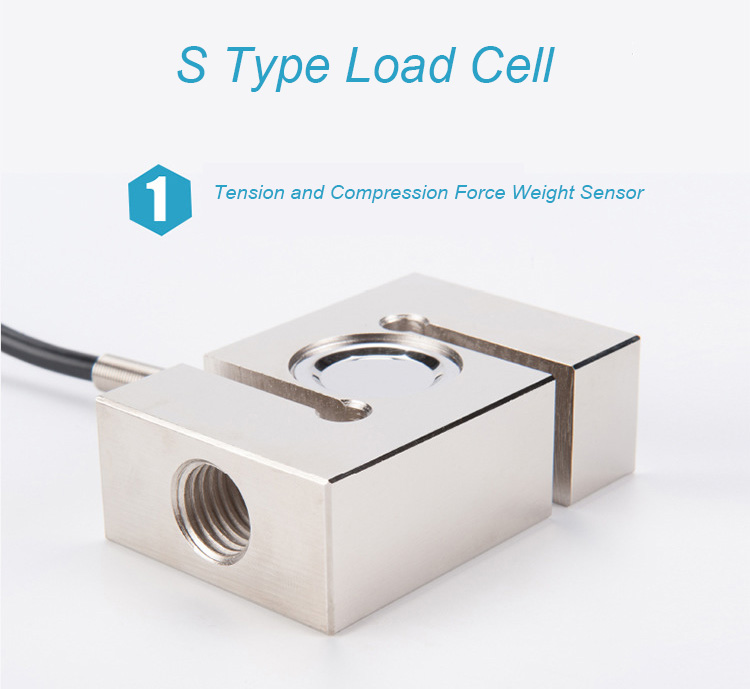
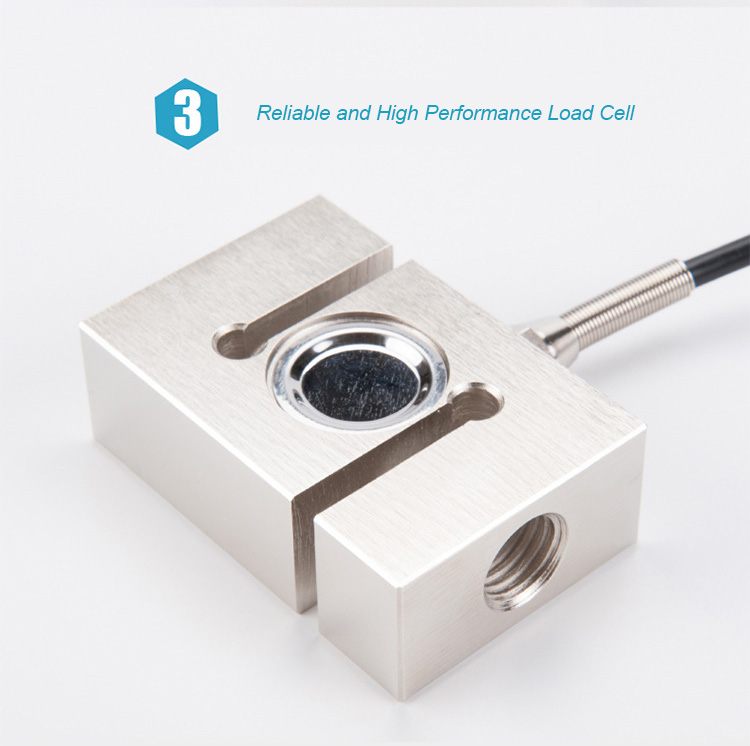
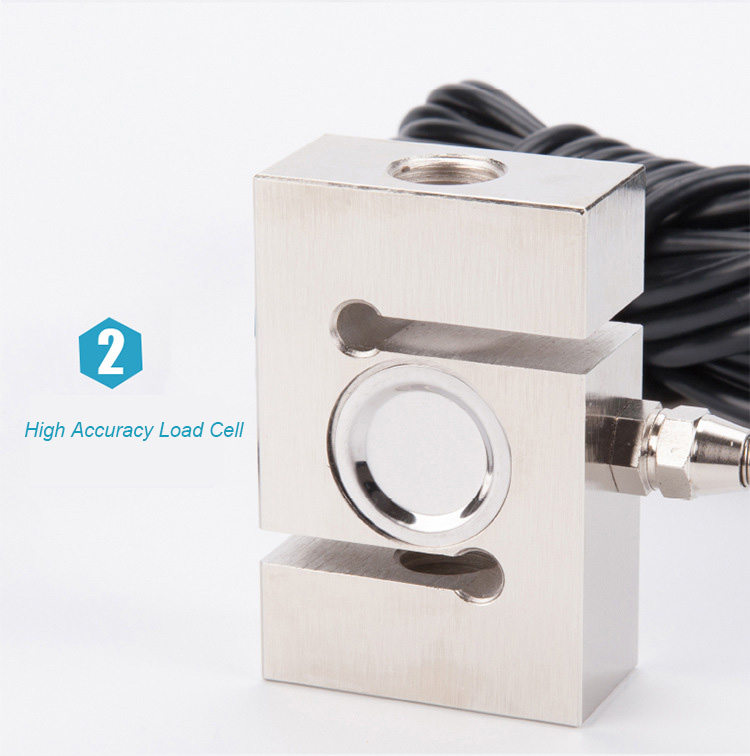
Understanding S Type Load Cell Price Factors

application/s-type-load-cell-price, application/s-type-load-cell-price, 
Inquiry
Inquiry

S type load cell price

In the world of industrial measurement and automation, type load cells play a crucial role in accurately determining weight and force.  This article focuses on the pricing aspects of type load cells, specifically the factors influencing the [s type load cell price].  Understanding these factors is essential for B2B buyers, such as purchasing managers and engineers, who aim to make informed decisions while sourcing load cells for their projects.  This guide will help you navigate the complexities of load cells for scales pricing, ensuring that you secure the best value for your needs. 

What to Expect?

What to Expect?

When considering the purchase of type load cells, understanding the pricing structure is paramount.  Prices can vary significantly based on several factors, including: 

Type of Load Cell: Different types of load cells (e. g., s-type, beam, or compression) come with varying price points. S-type load cells, known for their versatility and accuracy, may have a different pricing structure compared to other types. 

Customization: Custom features, such as specific load capacities, output signals, or environmental protections, can add to the overall cost.  Be prepared to discuss your requirements with suppliers to get accurate quotes.  

Volume Discounts: Many manufacturers like  PST offer pricing tiers based on order quantity.  Larger orders often result in lower per-unit costs, which is an important consideration for bulk buyers. 

Certification and Quality Standards: Load cells that meet specific industry standards (e. g., CE/RoHS certifications) may command higher prices due to the assurance of quality and reliability.  

Supplier Location: The geographical location of the supplier can influence shipping costs and lead times.  Sourcing from local suppliers may reduce shipping expenses and expedite delivery.  

Understanding these factors will help you set realistic expectations regarding the pricing of industrial load cells and enable better negotiation with suppliers. 

A Buyer 2019 Guide

A Buyer 2019 Guide

When preparing to purchase type load cells, following a structured approach can enhance your buying experience. Here is a step-by-step guide: 

Define Your Requirements: Identify the specific application for which you need the load cell.  Consider the load capacity, environment, and accuracy requirements. 

Research Suppliers: Look for manufacturers like PST with a proven track record in producing high-quality load cells.  Check for certifications, customer reviews, and their experience in your industry. 

Request Quotations: Provide potential suppliers with detailed specifications, including load capacity, materials, environmental conditions, and any required customization.  This will ensure that the quotes you receive are accurate. 

Evaluate Samples: If possible, request samples to test in your application.  Pay attention to performance under actual operating conditions, and ensure that the load cell meets your expectations in terms of accuracy and durability. 

Compare Offers: Assess the quotes you receive not only based on s type load cell price but also on factors like delivery times, warranty terms, and after-sales support. 

Negotiate Terms: Don’t hesitate to negotiate pricing or terms, especially if you are placing a large order.  Discuss payment terms, lead times, and potential discounts. 

Finalize the Order: Once you’ve selected a supplier, confirm all details, including specifications, pricing, and delivery terms, before placing the order. 

By following this guide, you can streamline the purchasing process and secure load cells that meet your operational needs at a fair price. 

Where to Find Reliable Suppliers of Type Load Cells?

Where to Find Reliable Suppliers of Type Load Cells?

Finding reliable suppliers for type load cells is critical for ensuring product quality and timely delivery. Here are some avenues to explore:

Industry Trade Shows: Attending trade shows related to manufacturing and automation can provide opportunities to meet suppliers, see their products firsthand, and discuss your requirements directly. 

Online Marketplaces: Websites that specialize in industrial products often feature a range of suppliers.  Look for platforms that allow for supplier ratings and reviews to gauge reliability. 

Industry Associations: Many industries have associations that can provide recommendations for reputable best load cell manufacturers. These associations often maintain directories of certified suppliers.  

Networking: Connect with other industry professionals through forums or LinkedIn groups.  Personal referrals can lead you to trustworthy suppliers with proven track records. 

Direct Manufacturer Outreach: Research manufacturers that specialize in load cells, like PST. Reach out directly to inquire about their products, capabilities, and support services. 

By leveraging these resources, you can identify suppliers who meet your quality and service expectations. 

Common Problems with Type Load Cells and Effective Solutions

Despite their reliability, type load cells can encounter issues that affect their performance. Here are some common problems and their solutions: 

Drift in Measurements: Over time, load cells may experience drift, leading to inaccurate readings.  Regular calibration is essential to maintain precision.  Establish a routine calibration schedule based on usage frequency and environmental conditions. 

Environmental Damage: Load cells exposed to harsh environments may suffer from corrosion or moisture damage.  Ensure that you select load cells from PST with appropriate environmental ratings and consider protective enclosures for added durability. 

Overloading: Applying loads that exceed the load cell's capacity can lead to failure.  Always choose load cells with a capacity that exceeds your maximum expected load and incorporate safety factors into your calculations. 

Electrical Noise: Load cells can pick up electrical noise, affecting signal integrity. Use shielded cables and proper grounding techniques to minimize interference. 

Installation Errors: Incorrect installation can lead to measurement inaccuracies.  Follow the manufacturer’s installation guidelines closely and ensure that all connections are secure. 

By being aware of these potential problems and implementing preventative measures, you can maintain the reliability and accuracy of your type load cells. 

Key Specifications to Consider When Sourcing Type Load Cells

When sourcing type load cells, several key specifications should be considered to ensure compatibility with your application. Here are the most important factors:  

Load Capacity: This refers to the maximum weight the load cell can handle safely.  It's critical to choose a capacity that exceeds your expected load to prevent overload and potential damage.  

Accuracy: Load cells are rated for their accuracy, typically expressed as a percentage of full scale.   A higher accuracy rating indicates more precise measurements, which is vital for applications in precision manufacturing or quality control.  

Material: Load cell transducer are commonly made from materials like aluminum or stainless steel.  The choice of material affects not only the strength and durability of the load cell but also its resistance to environmental factors like moisture, temperature fluctuations, and chemical exposure.  

Output Signal: Load cells typically provide either analog or digital output.  Understanding your system's requirements for signal type load cells and communication protocol is essential for seamless integration.  

Environmental Rating: Depending on the application, load cells may need to be resistant to dust, moisture, or harsh chemicals.   Look for load cells with appropriate IP (Ingress Protection) ratings for your specific environment.  

Calibration: Check whether the load cell comes pre-calibrated or requires calibration upon installation.  Regular calibration is essential for maintaining accuracy over time.   

Size and Installation Requirements: Consider the physical dimensions of the load cell and the space available for installation. Ensure that mounting options are compatible with your existing setup. 

By carefully evaluating these specifications, you can ensure that the load cells you select meet your operational needs and provide reliable performance. 

Frequently Asked Questions

What is the typical price range for S type load cells?

Prices vary by capacity and accuracy. Typical ranges are from budget units to premium high-precision models. Contact us with your specifications for an accurate quotation and volume discounts.
Yes. We provide OEM/ODM solutions with customized calibration, wiring, and housing. Pricing depends on order volume and specification; request a quote for tailored pricing.
Certified units may carry a modest premium due to testing and compliance. We include certifications in quotes and can provide certified or standard options per project needs.
Higher accuracy and tighter tolerances increase manufacturing complexity and cost. Specify required accuracy class and capacity to receive precise pricing information.
Provide model (S type), capacity, accuracy, output, cable length, mounting style, quantity, and any certification or customization needs for a fast, accurate quote.

Get a Free Quote

Our representative will contact you soon.
0/1000