Wire Rope Tension Load Cells: Choosing the Best Options

application/wire-rope-tension-load-cell, application/wire-rope-tension-load-cell, 
Inquiry
Inquiry

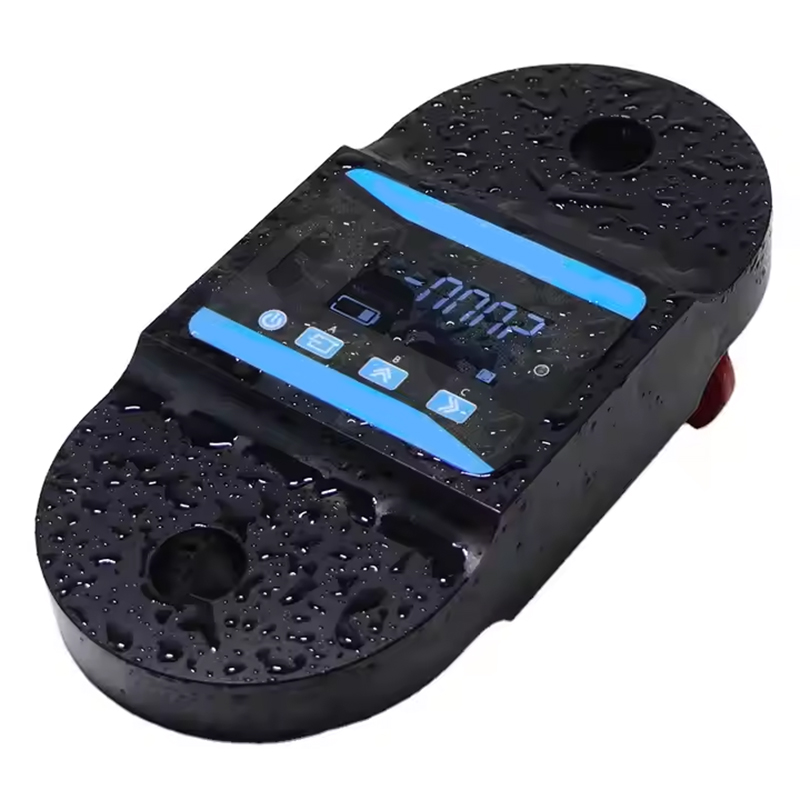
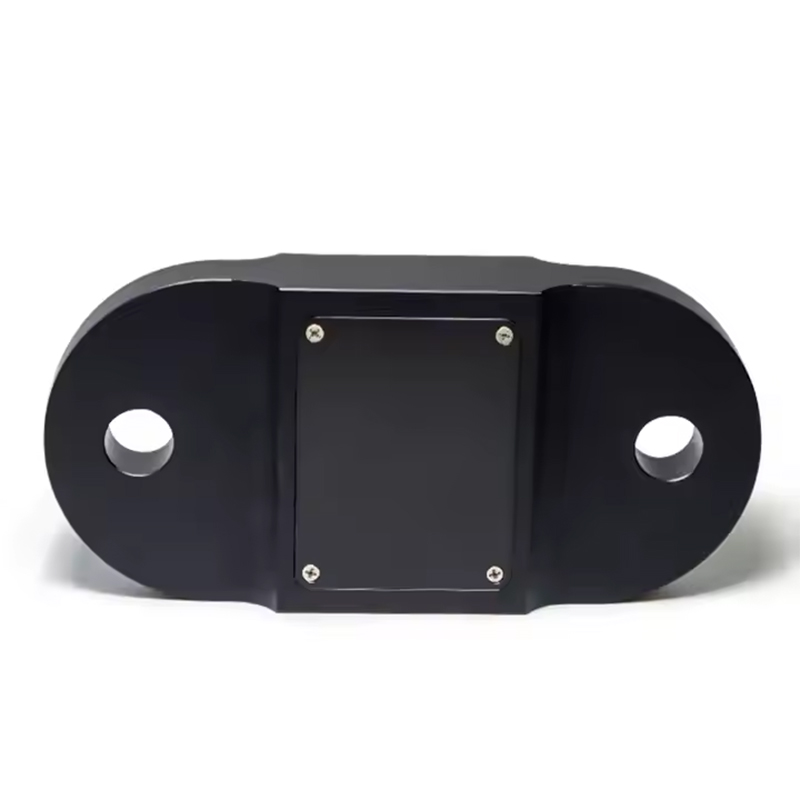
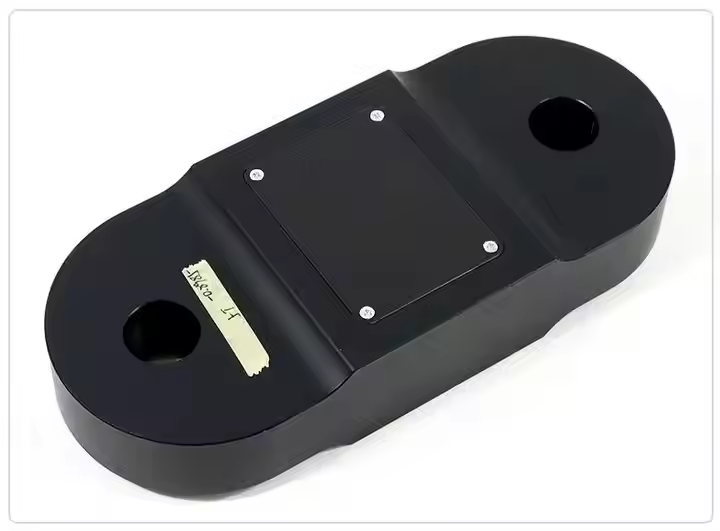
wire rope tension load cell

In the realm  of  industrial  applications, wire  rope tension load  cells play a crucial role in accurately measuring tension and  load in  various lifting and weighing  scenarios. These precision  instruments are vital for ensuring safe  operations, particularly in sectors such as  construction,  manufacturing,  and  energy. This article addresses  key concerns  of B2B buyers,  including specifications, common issues, and applications of wire rope tension load  cells, empowering purchasing  managers and engineers to make informed  decisions.

Key Specifications to Evaluate in Wire Rope Tension Load Cells

Key Specifications to Evaluate in Wire Rope Tension Load Cells

When evaluating wire rope tension load cells, several key specifications warrant close attention:

Load Capacity: This  refers to the maximum weight the load cell can  accurately measure. Ensure the chosen load cell exceeds the expected maximum load to guarantee performance and safety.

Accuracy: Expressed as a percentage of the full scale,  this specification indicates how close the  measurement is to the actual load. Buyers should seek  load cells with a high accuracy rating to minimize errors in critical  applications.

Material and  Construction: The choice of materials affects durability and suitability for specific environments. Stainless steel is commonly used for its corrosion resistance, while  aluminum  may be  lightweight  but less durable.

Calibration: Load cells should be calibrated  to confirm accuracy. Check whether the supplier provides calibration services and at what intervals recalibration  is needed.

Interface and Output: Understanding how the load cell communicates with  your systems is essential. Common output signals include analog (4-20 mA)  or digital (RS-232 or RS-485) formats, which must be compatible with your data acquisition systems.

Temperature  Range: Ensure that the load cell can operate within the temperature limits of your application to maintain accuracy.

By carefully considering these specifications, buyers  can ensure  they choose  a wire rope tension load cell that meets  their operational needs.

Common Problems with Wire Rope Tension Load Cells and Solutions

Common Problems with Wire Rope Tension Load Cells and Solutions

Despite their robust design, wire rope tension load  cells can encounter issues that may affect performance. Here  are some common problems and their solutions:

Calibration Drift: Over time, load cells may experience  calibration drift  due to environmental changes or mechanical stress. Regular calibration checks can prevent inaccuracies. Establish a calibration schedule based on your operational conditions and the manufacturer’s recommendations.

Environmental Damage: Exposure to  moisture, chemicals, or extreme temperatures can compromise the integrity of the load  cell. Using load cells with adequate environmental protection, such as IP67  ratings, can mitigate these risks. Ensure that  the load  cells are suitable for  the conditions  they will face in your application.

Mechanical Overload: Exceeding the load cell’s rated capacity can lead to permanent damage. Implement  monitoring systems that alert operators when approaching maximum load limits.


Wiring Issues: Faulty wiring can lead to erratic signals or complete failure. Use high-quality, insulated cables, and regularly inspect connections to maintain reliability.

Misalignment:  If the load  cell  is not aligned correctly with the load, it can result in inaccurate  measurements. Employ proper installation techniques and alignment tools to ensure accurate  readings.

By proactively addressing these common  issues, buyers can enhance the longevity and reliability  of their wire rope tension load cells.

Applications of Wire Rope Tension Load Cells in Various Industries

Applications of Wire Rope Tension Load Cells in Various Industries

Wire rope tension load cells have diverse applications  across multiple sectors, each benefiting from their  precision and  reliability:

Construction: In construction, these load cells are crucial for monitoring the tension in  cables and ropes used in cranes and lifting equipment.  Accurate measurements  ensure safety and prevent equipment overload.

Manufacturing: In  manufacturing, they are used  to measure the tension in wire ropes during processes such as material handling  and assembly. This helps maintain consistent  quality and operational efficiency.

Energy  Sector: In the renewable energy industry, particularly wind turbine installation  and maintenance, wire  rope tension load cells are essential  for ensuring proper cable tension during  the lifting and securing  of components. Additionally, utilizing our Weighing Sensor Gauge can enhance data accuracy in these operations.


Marine Applications: Used in mooring systems and winches, these load cells monitor the tension in ropes and cables to ensure safe anchoring and  operation in marine environments.

Mining: In  mining operations, load cells monitor the tension of haulage ropes and conveyor systems, facilitating safe and efficient material transport.

By understanding the specific applications relevant  to their industries, buyers can select wire rope tension load cells that are optimized for their operational needs.

Comparing Different Wire Rope Tension Load Cells for Optimal Performance

When comparing wire rope  tension load cells,  it's essential to analyze several factors to determine which product offers the best performance for your needs:

Load  Capacity vs. Accuracy: Higher load capacities often come with reduced accuracy. Buyers should balance the required load capacity with acceptable accuracy levels based on their application needs.

Material Properties: Different materials can impact  performance under  various conditions. For example, stainless steel provides corrosion resistance, while aluminum offers lightweight benefits. Choose based on environmental exposure.


Certification and Compliance: Ensure that the load cells meet industry-specific standards, such as CE and RoHS certifications, which  indicate  compliance with safety and environmental regulations.


Customization Options: Some manufacturers offer customization in terms  of size, output type, and  protective features.  Consider whether standard  models meet your needs or if  tailored solutions would provide  better performance.

Supplier Support and Warranty: Evaluate the level of support  offered by the supplier, including technical assistance and warranty terms. A reliable supplier can provide valuable guidance and ensure long-term performance.


By conducting a  comprehensive comparison based on these criteria, buyers can confidently select the  wire rope tension load cells that will deliver  optimal performance in their specific applications.

Choosing the Right Wire Rope Tension Load Cell for Your Project Needs

Selecting the appropriate wire rope tension load cell involves a  thorough understanding of the specific requirements of your  project. A primary concern is the load capacity, which should align with the maximum tension expected in your  application. Consider  whether your project  operates in a static or dynamic environment, as dynamic loads require more  robust solutions to account for fluctuations. Additionally, to enhance the performance of your load measurement system, you might explore our Mv Signal Amplifier for Load Cell, which can significantly improve signal quality.

Another  crucial factor  is  the accuracy and resolution of the load cell. For critical applications, aim for load cells that provide high precision, often measured in terms of percentage of full  scale. Additionally, consider environmental factors such as  temperature and humidity, which may necessitate specialized load cells  with protective features or specific materials. At JIANGXI JINGCE  SENSING TECHNOLOGY CO., LTD., we  offer  OEM/ODM  solutions that  can be tailored to  meet unique project specifications, ensuring  compatibility with  your existing systems.

Frequently Asked Questions

What is a wire rope tension load cell?

A wire rope tension load cell measures tensile force in wire ropes by converting tension into an electrical signal for monitoring and control in lifting and weighing applications.
Our load cells offer high-precision output and come with CE and RoHS certifications to meet industry compliance and quality standards.
Common applications include lifting, weighing, automation, and new energy systems requiring reliable tension measurement and safety monitoring.
Yes. We offer OEM/ODM solutions for tailored specifications, mounting options, and integration to suit your project requirements.
We provide technical support, calibration guidance, and warranty terms; contact our sales team for specific warranty duration and service details.

Get a Free Quote

Our representative will contact you soon.
0/1000