Choosing the Right Displacement Transducer

application/displacement-transducer, application/displacement-transducer, 
Inquiry
Inquiry

Displacement transducer

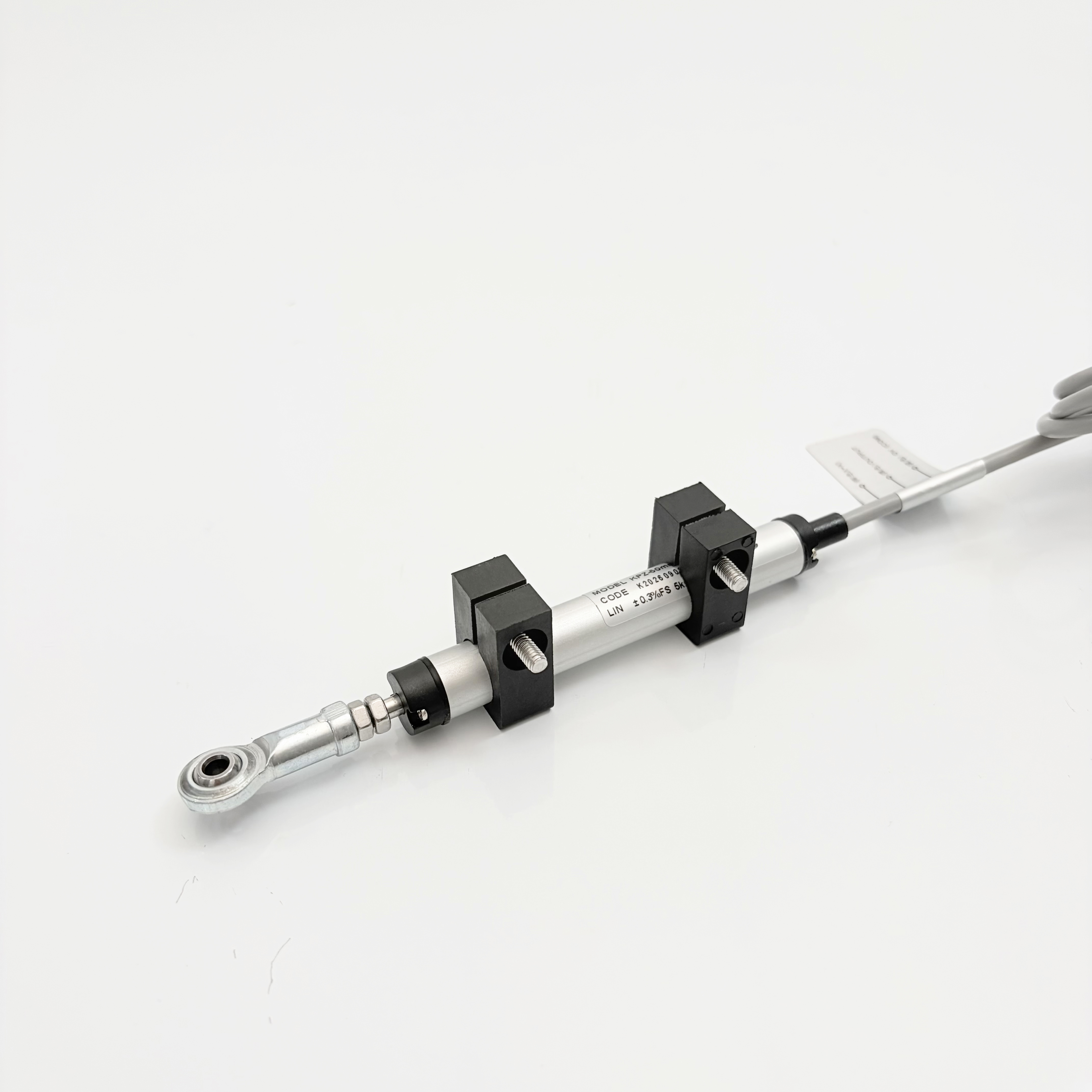
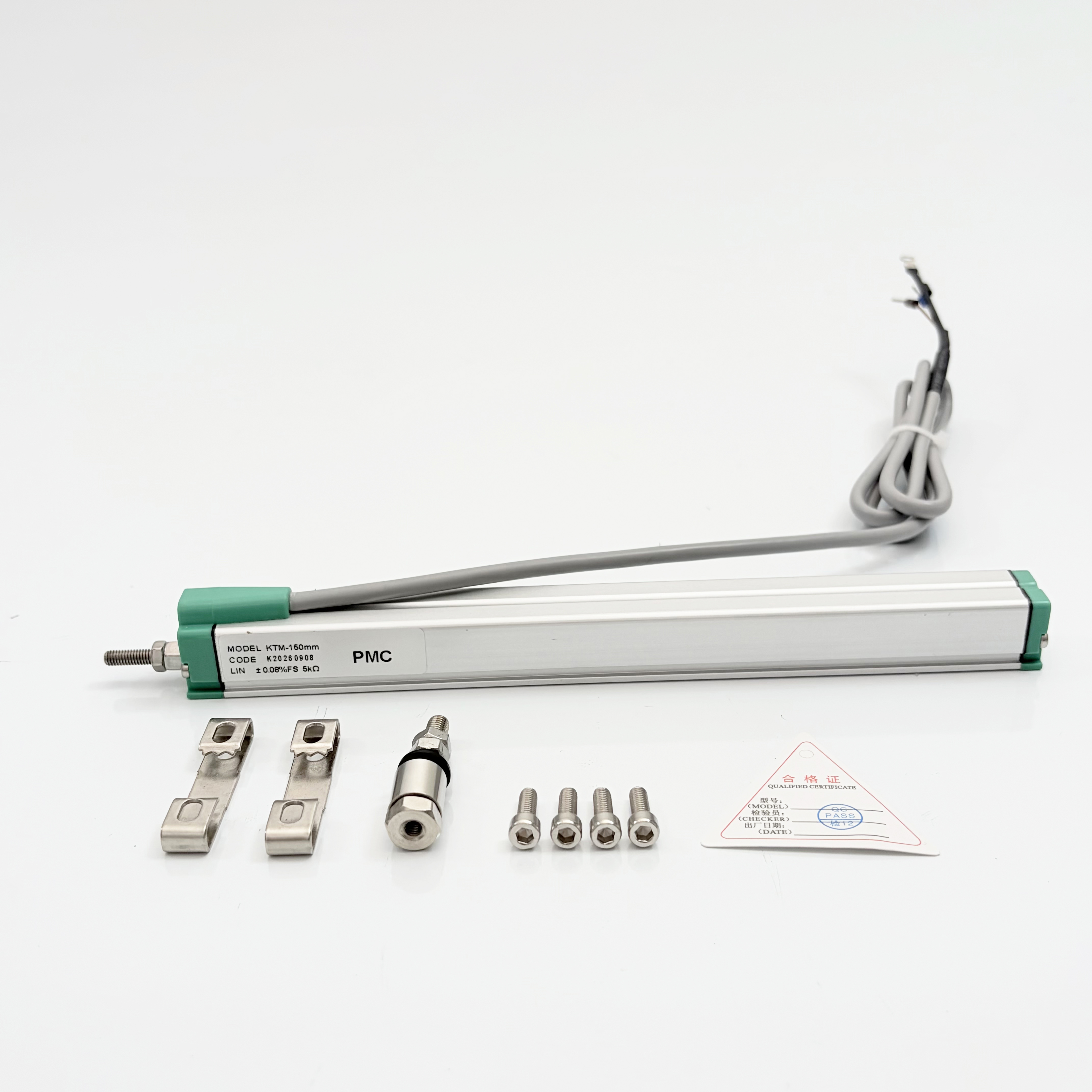
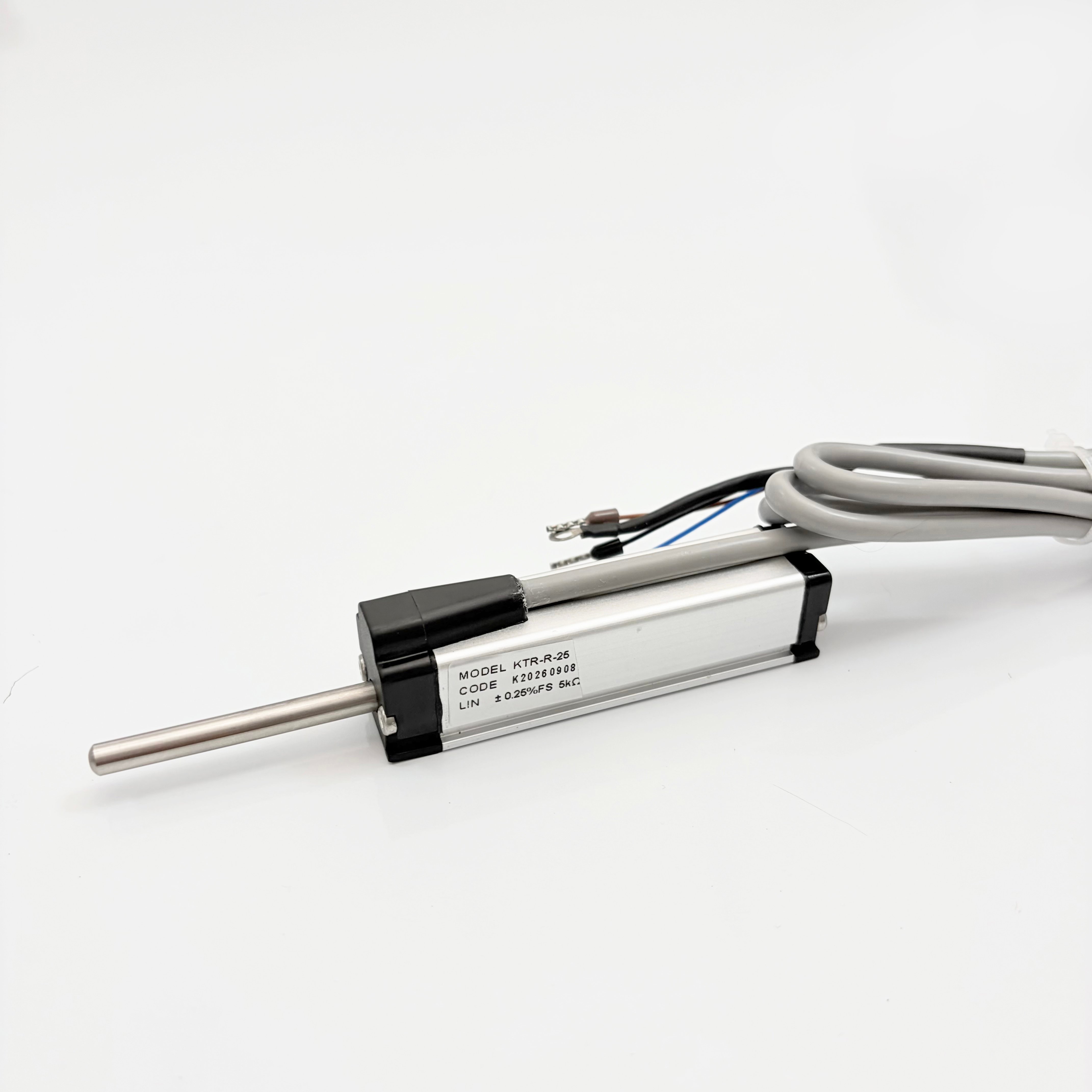
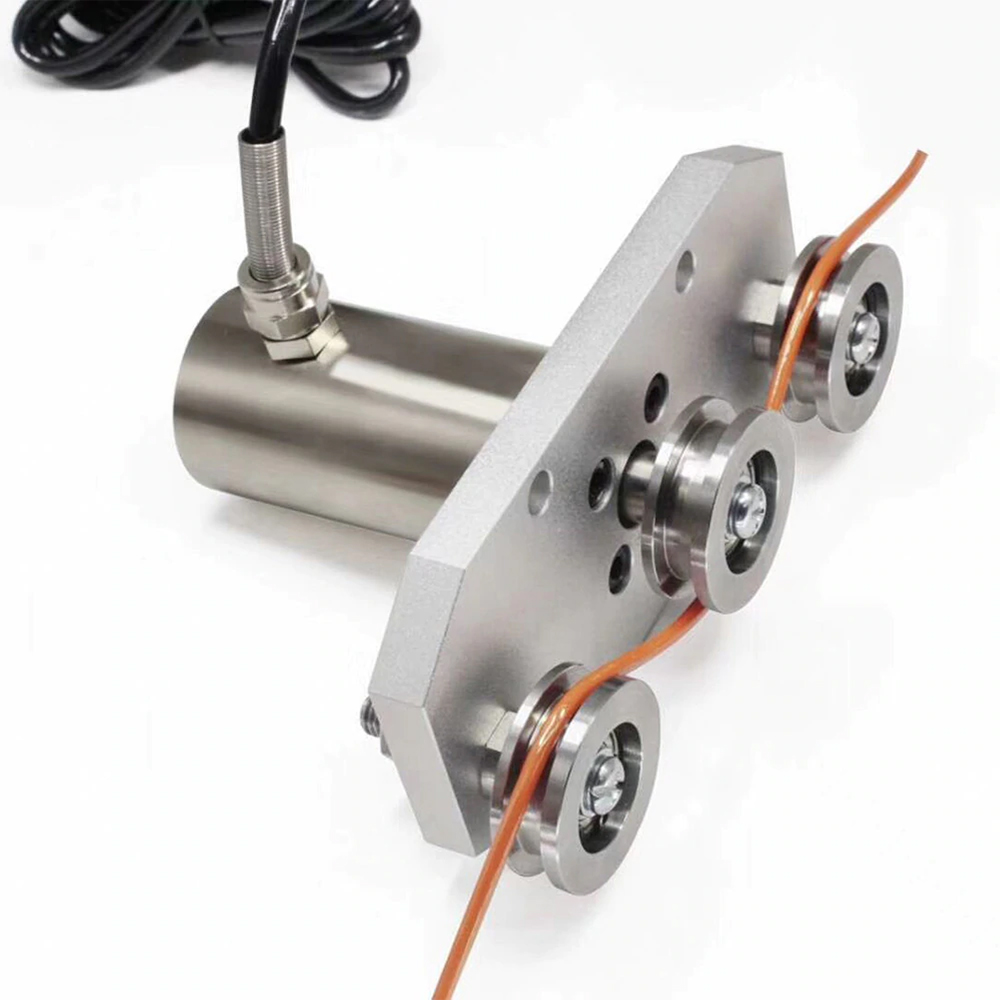
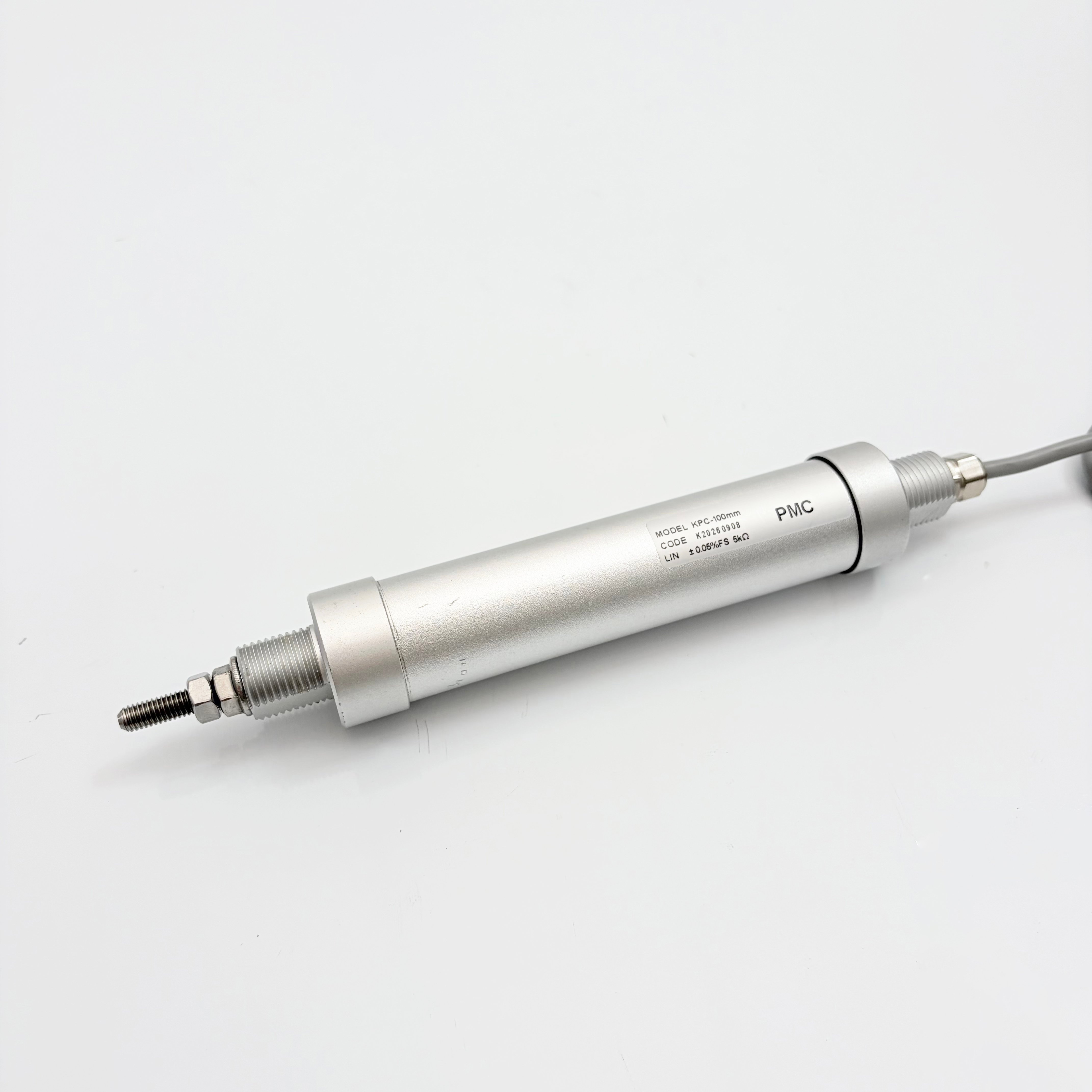
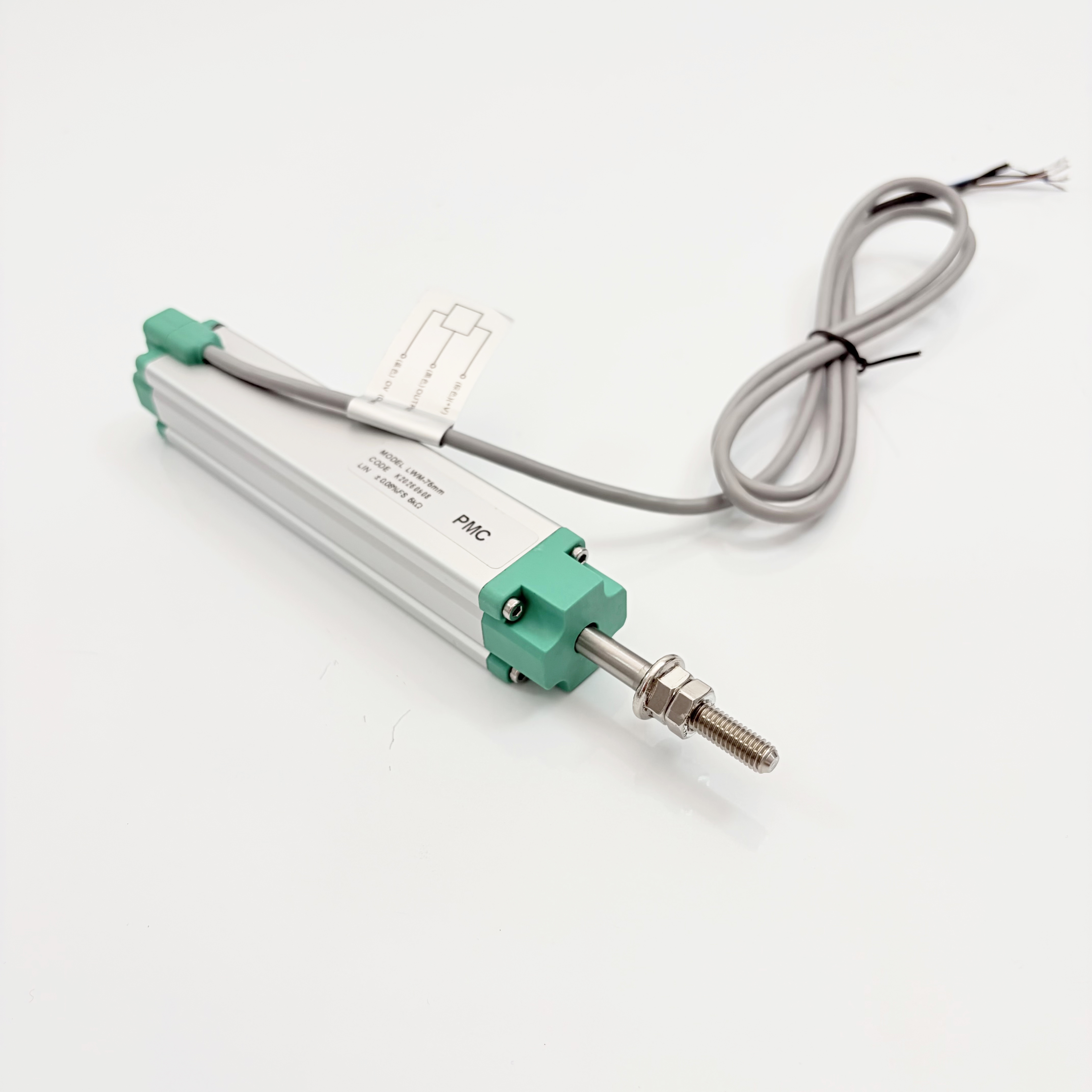
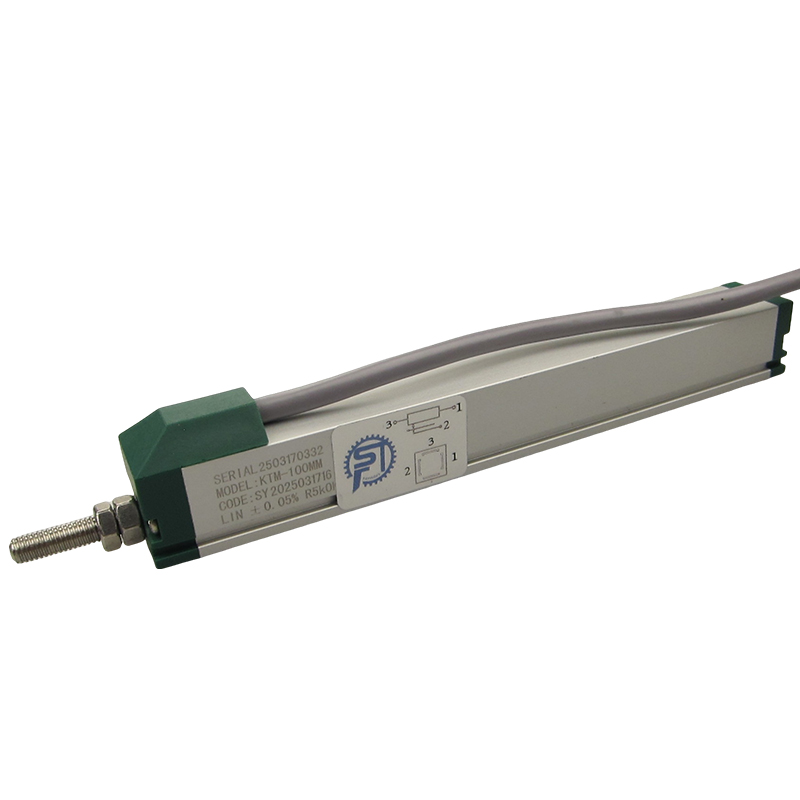
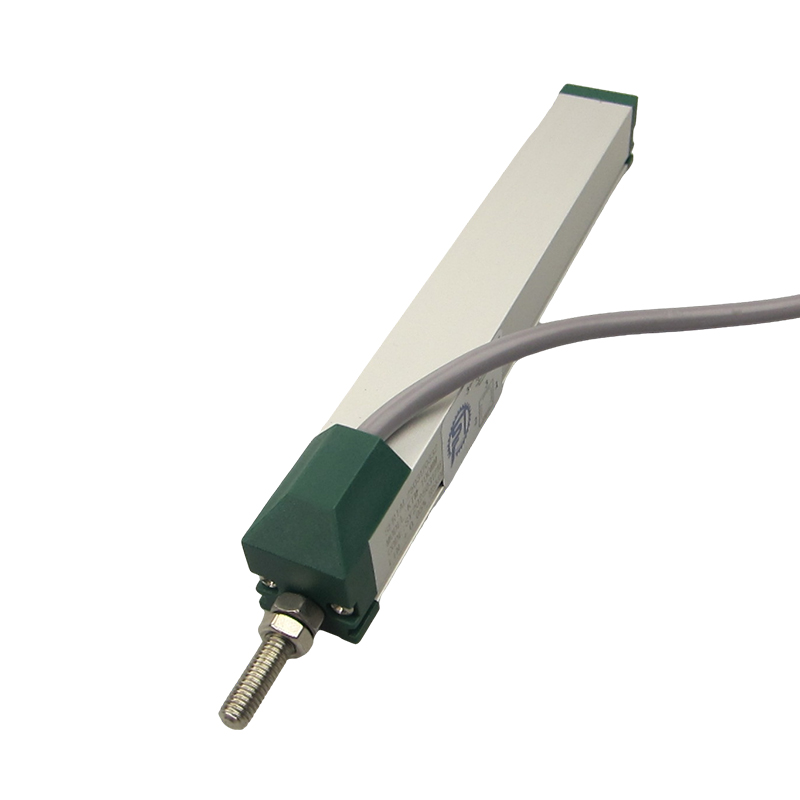
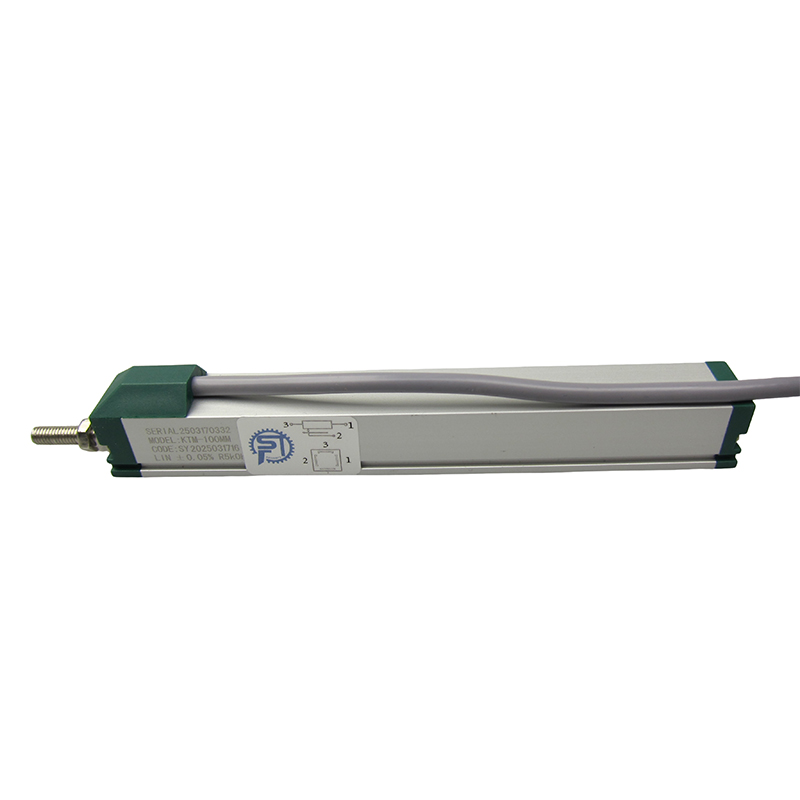
Displacement transducers are essential devices in various industrial applications, converting linear or angular displacement into an electrical signal. For B2B buyers, particularly purchasing managers and engineers, concerns often center around precision, reliability, and compatibility with existing systems. This article will guide you through the key specifications of PST linear position transducer, help you evaluate quality for bulk orders, address common installation issues, discuss cost factors, and highlight crucial features to look for in a supplier. 

Evaluating the Quality of Displacement Transducers for Your Needs

Evaluating the Quality of Displacement Transducers for Your Needs

Quality evaluation for bulk orders of PST displacement transducers involves several steps:

Certification and Compliance: Ensure that the transducers have relevant certifications, such as CE and RoHS, which indicate compliance with safety and environmental standards. This is particularly important for industries with stringent regulatory requirements.  

Material and Build Quality: Assess the materials used in the transducer's construction. High-quality materials enhance durability and reliability, particularly in harsh environments. For example, stainless steel or high-grade plastics may be necessary for applications exposed to moisture or chemicals. 

Manufacturing Processes: Investigate the manufacturer's production capabilities. Advanced manufacturing processes, such as automated assembly and rigorous quality control measures, can significantly improve product consistency and reduce defects. 

Testing and Quality Assurance: Inquire about the testing procedures the manufacturer employs. Comprehensive testing, including calibration and performance evaluations, is crucial in ensuring that the displacement transducers meet specified standards before they are shipped. 

Sample Approval: Before placing a bulk order, request samples to verify that the displacement transducers meet your specifications. Testing samples under actual operating conditions can reveal potential issues that may not be apparent from specifications alone. 

By focusing on these factors, buyers can mitigate risks associated with bulk orders and ensure they receive high-quality products.

Cost Factors to Consider When Purchasing Displacement Transducers

Cost Factors to Consider When Purchasing Displacement Transducers

The installation of displacement transducers can present several challenges. Here are some common issues and their solutions: 

Misalignment: Misalignment during installation can lead to inaccurate measurements. To avoid this, ensure that the transducer is installed in a straight line with the moving part it measures. Using alignment fixtures can help achieve the correct positioning. 

Mechanical Interference: Ensure that there is no mechanical interference from surrounding components, which could impede the transducer's movement. A thorough assessment of the installation environment can minimize these risks. 

Wiring Errors: Incorrect wiring can lead to malfunctions or inaccurate readings. It’s essential to follow the manufacturer's wiring diagrams carefully and verify connections before powering up the system. 

Environmental Conditions: Extreme temperatures, humidity, or exposure to corrosive substances can affect performance.  Select a transducer rated for the specific environmental conditions of the application, and consider protective housing if necessary. 

By anticipating these common installation issues, buyers can take proactive steps to ensure successful deployment and operation of displacement transducers. 

Key Features of High-Precision Displacement Transducers

Key Features of High-Precision Displacement Transducers

When evaluating costs for displacement transducers, several factors come into play: 

Material Costs: The choice of materials can significantly influence the price. For instance, displacement transducers made from high-performance materials may have a higher upfront cost but offer better durability and performance in the long run. 

Customization: Custom specifications, such as modified ranges, special fittings, or unique output signals, can increase costs. Understand the trade-offs between standard and custom solutions to make informed decisions. 

Volume Discounts: Many manufacturers offer discounts for bulk orders. When planning large purchases, inquire about pricing tiers based on order size, which can lead to significant savings. 

Shipping and Handling: Consider the shipping costs and lead times, especially if the supplier is located internationally. Delays or high shipping fees can impact project timelines and overall costs. 

Warranty and Support: A longer warranty period may indicate higher quality but can also affect initial costs. Assess the manufacturer's support services and warranty terms, as these can provide added value and peace of mind. 

Understanding these cost factors allows buyers to make informed purchasing decisions that balance quality and budget.

Where to Find Trusted Suppliers for Displacement Transducers Globally

Choosing the right supplier for PST displacement transducers involves evaluating several key features: 

Experience and Expertise: Look for suppliers with a proven track record in manufacturing displacement transducers. Their experience can provide insights into product selection, customization, and application suitability. 

Customization Capabilities: A supplier that offers tailored solutions can better meet specific application requirements. Check if they can modify designs, adjust specifications, or provide unique features to suit your needs. 

Quality Assurance Practices: Inquire about the supplier's quality control processes. A commitment to quality through rigorous testing and certification processes is essential for ensuring product reliability. 

Customer Support: Evaluate the level of customer service and technical support offered by the supplier. Responsive support can be invaluable for troubleshooting issues and ensuring the successful implementation of the linear displacement transducer. 

Reputation and References: Research the supplier’s reputation within the industry. Request references or case studies from previous clients to gauge their reliability and product performance. 

By focusing on these features, buyers can identify suppliers who are not only capable of meeting their needs but also provide ongoing support throughout the product lifecycle. 

Reliable Suppliers of Displacement Transducers

When selecting displacement transducers, key specifications include measurement range, sensitivity, resolution, and linearity.  

Measurement Range: This defines the maximum and minimum displacement the displacement transducers can accurately measure. It’s critical to choose a range that suits your application; an inappropriate range may lead to inaccurate readings or damage to the device. 

Sensitivity: This refers to the smallest change in displacement that can be detected by the displacement transducers. High sensitivity is vital for applications requiring precise measurements, such as in automation or quality control processes. 

Resolution: This indicates the smallest increment of measurement that the transducer can deliver, affecting the precision of the output signal. For instance, in applications involving fine adjustments, higher resolution is preferred. 

Linearity: This specification defines how closely the output signal corresponds to the actual displacement. Non-linear characteristics can lead to errors in measurement, particularly in critical applications. 

Understanding these specifications enables buyers to select a linear transducer sensor that meets their operational needs and ensures reliable performance. 

Frequently Asked Questions

What is a displacement transducer used for?

A displacement transducer measures linear position or movement, converting physical displacement into an electrical signal for applications like automation, weighing, lifting systems, and test benches.
We offer high-precision models with tight accuracy and fine resolution tailored to your needs; specifications vary by model and can be provided for OEM/ODM projects.
Yes. Our products meet CE and RoHS standards. We can supply certification details and test reports upon request for compliance and procurement.
Yes. We provide customized designs, interfaces, and calibration for integration into lifting, weighing, automation, and new energy equipment.
We offer pre-sales consultation, installation guidance, calibration support, and warranty coverage per contract. Contact our technical team for service terms and response times.

Get a Free Quote

Our representative will contact you soon.
0/1000