Key Specifications for Compression Load Cells

application/compression-load-cell, application/compression-load-cell, 
Inquiry
Inquiry

Compression load cell

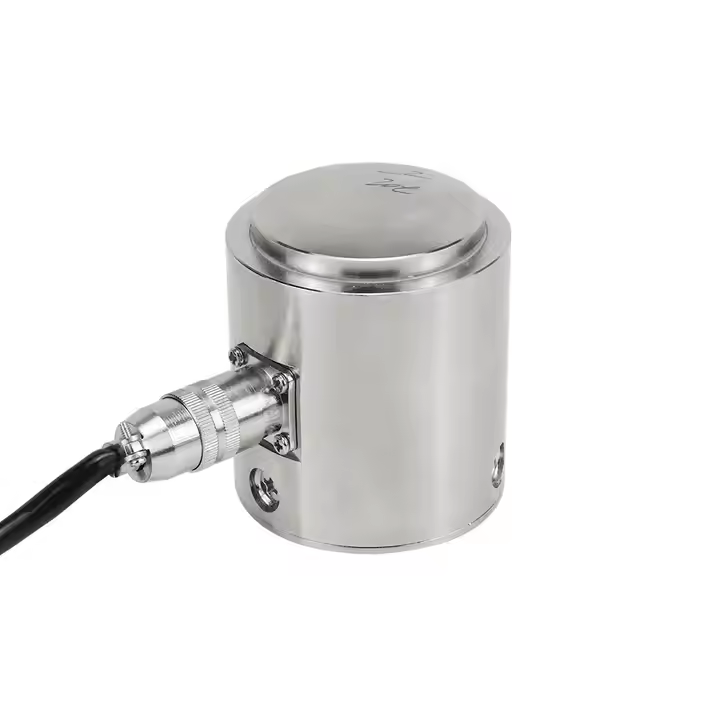
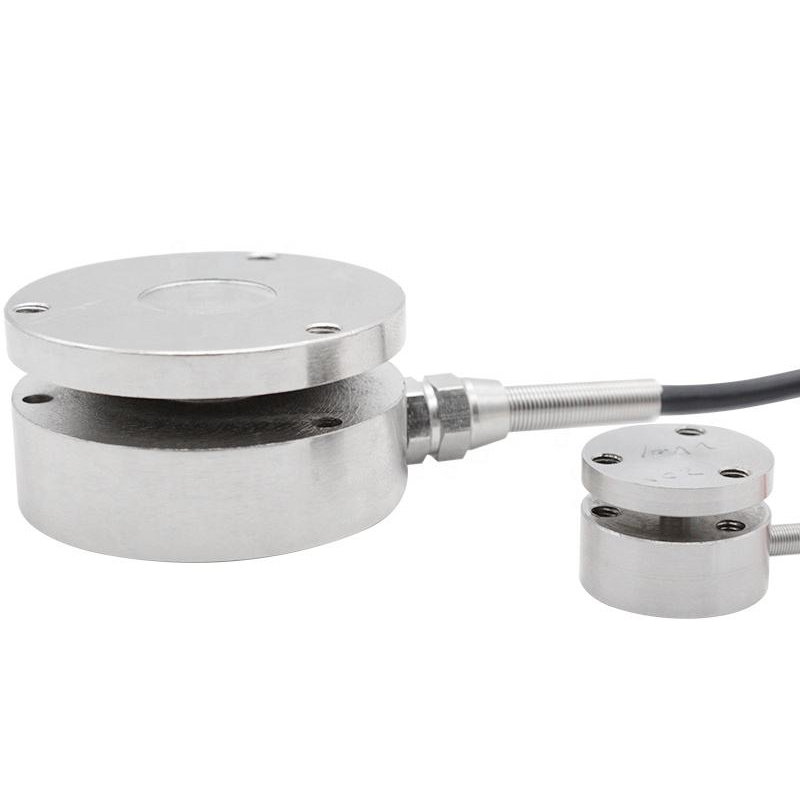
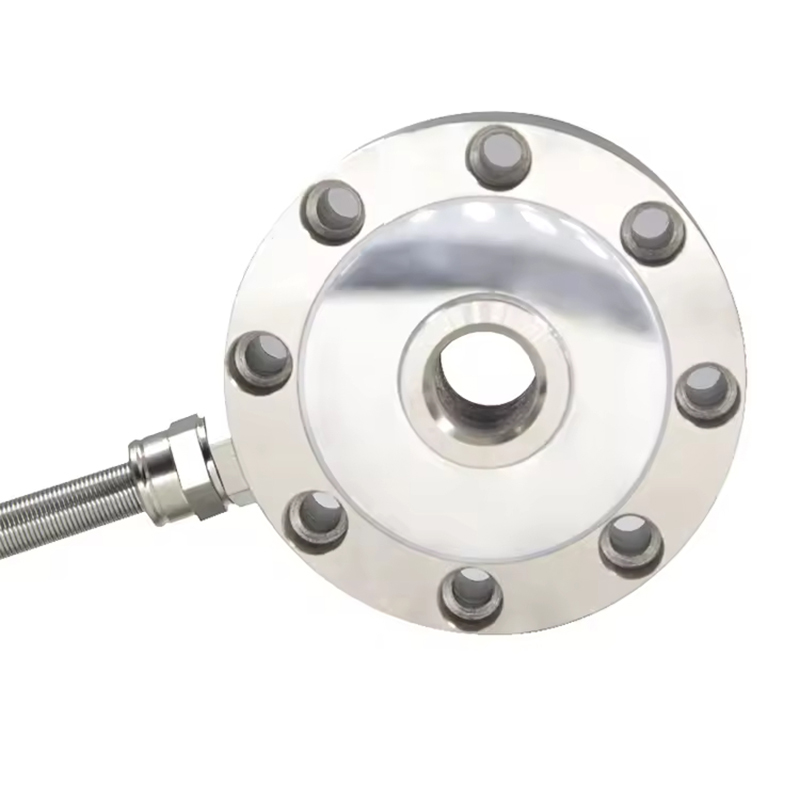
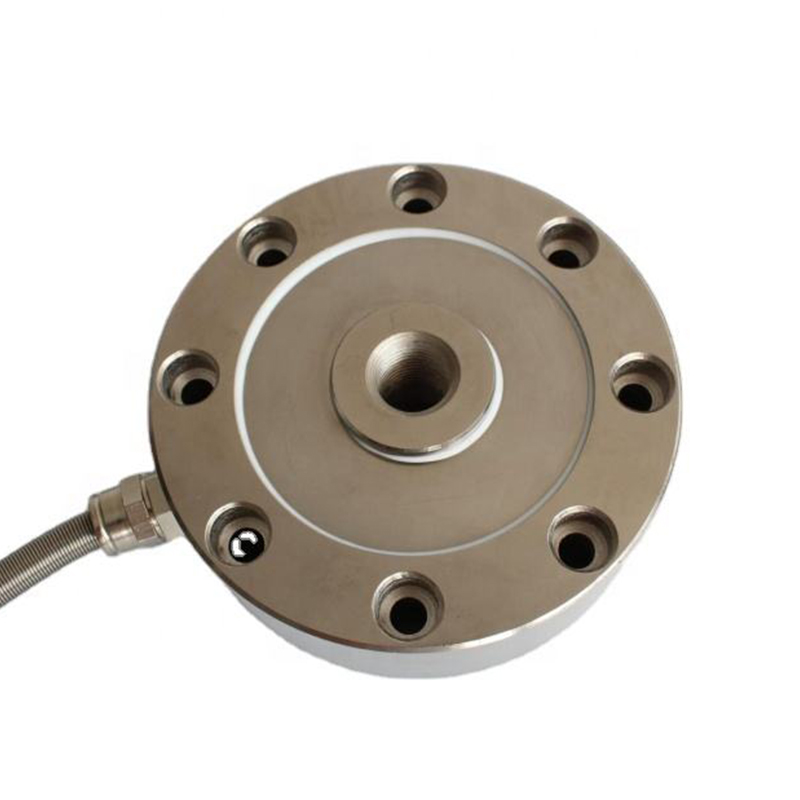
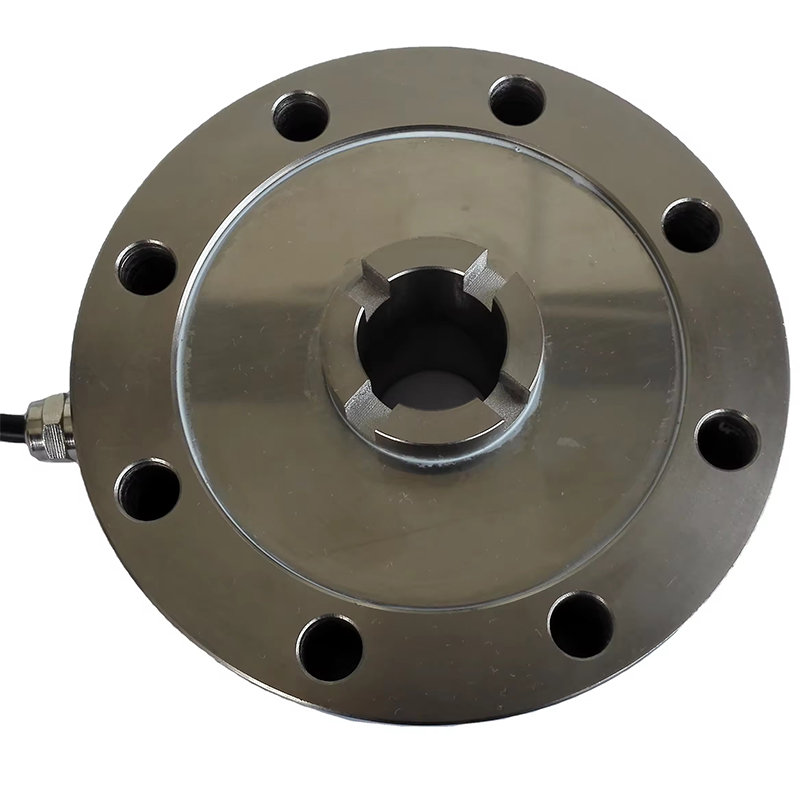
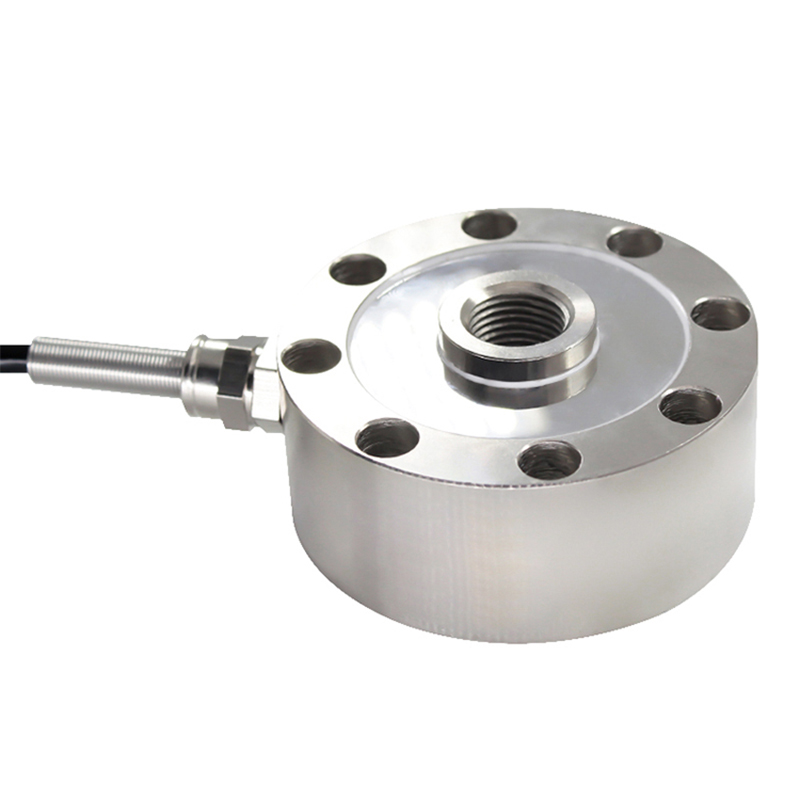
Compression load cells are essential devices used to measure the force or load applied to them. They play a crucial role in various industries, including manufacturing, automation, and new energy, where accurate load measurement is critical for operational efficiency and safety. As a purchasing manager or engineer, understanding the key specifications, quality control measures, and applications of PST single point load cell can help you make informed decisions when sourcing these components. This article will cover essential factors to consider when evaluating compression load cells, common challenges faced, and how to find reliable suppliers.

Quality Control Measures for Reliable Compression Load Cells

Quality Control Measures for Reliable Compression Load Cells

Quality control is critical in manufacturing compression load cells to ensure accuracy and reliability. Here are some essential measures to consider: 

Material Inspection: Before production, raw materials should undergo rigorous quality checks to ensure they meet the necessary standards. This includes testing for tensile strength, corrosion resistance, and dimensional accuracy. 

Calibration: Load cells should be calibrated at multiple points during the manufacturing process. This ensures that the output readings are consistent and fall within specified tolerance levels. Calibration should be performed using certified weights to guarantee accuracy. 

Environmental Testing: Compression load cells must be tested under various environmental conditions to assess their performance. This includes exposure to humidity, temperature fluctuations, and vibration tests to ensure they can withstand the intended application environment. 

Final Testing and Certification: After assembly, each load cell should undergo final testing to verify its performance. Certification by recognized standards (such as CE or RoHS) is essential for ensuring that the load cells meet international safety and quality benchmarks. 

Traceability: Implementing a traceability system allows manufacturers to track each load cell's production history. This can be beneficial for quality assurance and for addressing any post-sales issues. 


Common Problems with Compression Load Cells and Their Solutions

Common Problems with Compression Load Cells and Their Solutions

While PST compression load cells are generally reliable, several common problems can arise during usage. Here are some issues and their solutions: 

Drift in Readings: Over time, load cells may show drift in their readings, leading to inaccurate measurements. This can often be resolved by recalibrating the load cell. Regular maintenance and periodic recalibration schedules should be established to mitigate this issue. 

Environmental Effects: Temperature and humidity variations can affect the performance of load cells. 

Mechanical Overload: Applying loads beyond the rated capacity can damage load cells. 

Electrical Interference: Electrical noise can cause fluctuations in the output signal. 

Installation Errors: Incorrect installation can lead to misalignment and inaccurate readings. 

By being aware of these potential problems and implementing preventative measures, users can enhance the reliability and longevity of digital load cell.

Where to Find Trusted Suppliers of Compression Load Cells for Wholesale

Where to Find Trusted Suppliers of Compression Load Cells for Wholesale

Finding a reliable supplier for compression load cells is essential for ensuring product quality and consistent supply. Here are some strategies to identify trusted suppliers: 

Industry Trade Shows and Expos: Attending trade shows focused on manufacturing, automation, or industrial technology can help you connect with various suppliers. 

Online Directories and Platforms: Utilizing B2B platforms such as Alibaba, ThomasNet, or Global Sources can help you find manufacturers offering compression load cells. Look for suppliers with verified credentials and positive customer reviews. 

Certifications and Compliance: Evaluate suppliers based on their certifications (like ISO or CE). 

Request for Proposals (RFPs): Send out RFPs to multiple suppliers detailing your specifications, requirements, and expected volumes. This can help you compare offerings and identify suppliers that meet your needs. 

Industry Recommendations: Consult with industry peers or professional networks for recommendations on trusted suppliers. 


Applications of Compression Load Cells in Various Industries and Sectors

Compression load cells are versatile components used across a range of industries for various applications. Here are some significant sectors where they are commonly utilized: 

Manufacturing: In manufacturing processes, compression load cells are used for quality control, ensuring that products meet specified weight standards. 

Construction: Load cells are employed in construction to monitor loads on cranes and lifting equipment, ensuring safety and compliance with regulations. 

Aerospace: In the aerospace industry, compression load cells are integrated into testing equipment to evaluate the structural integrity of components under various loads.  

Automotive: Load cells are used in automotive testing to measure forces during crash tests and evaluate the strength of materials. 

Energy Sector: In renewable energy applications, such as wind and solar farms, compression load cells monitor the weight of equipment and structural components to ensure stability and performance under varying environmental conditions. 


Key Specifications to Evaluate When Sourcing Compression Load Cells

When sourcing PST compression load cells, several key specifications should be evaluated to ensure they meet your application requirements. These specifications include: 

Load Capacity: This is the maximum load the load cell can accurately measure. It’s essential to select a load capacity that exceeds the maximum expected load in your application to ensure accurate readings and prevent damage to the load cell. 

Material: Compression load cells are typically made from materials like aluminum or stainless steel. The choice of material affects the load cell's durability and resistance to environmental factors such as moisture and temperature extremes. Stainless steel is preferred for applications in corrosive environments due to its superior resistance. 

Accuracy and Precision: Accuracy is the degree to which the load cell's output reflects the actual load. Precision refers to the load cell's ability to provide consistent measurements across multiple tests. Look for specifications like the percentage of full-scale output (FSO) for accuracy and resolution levels. 

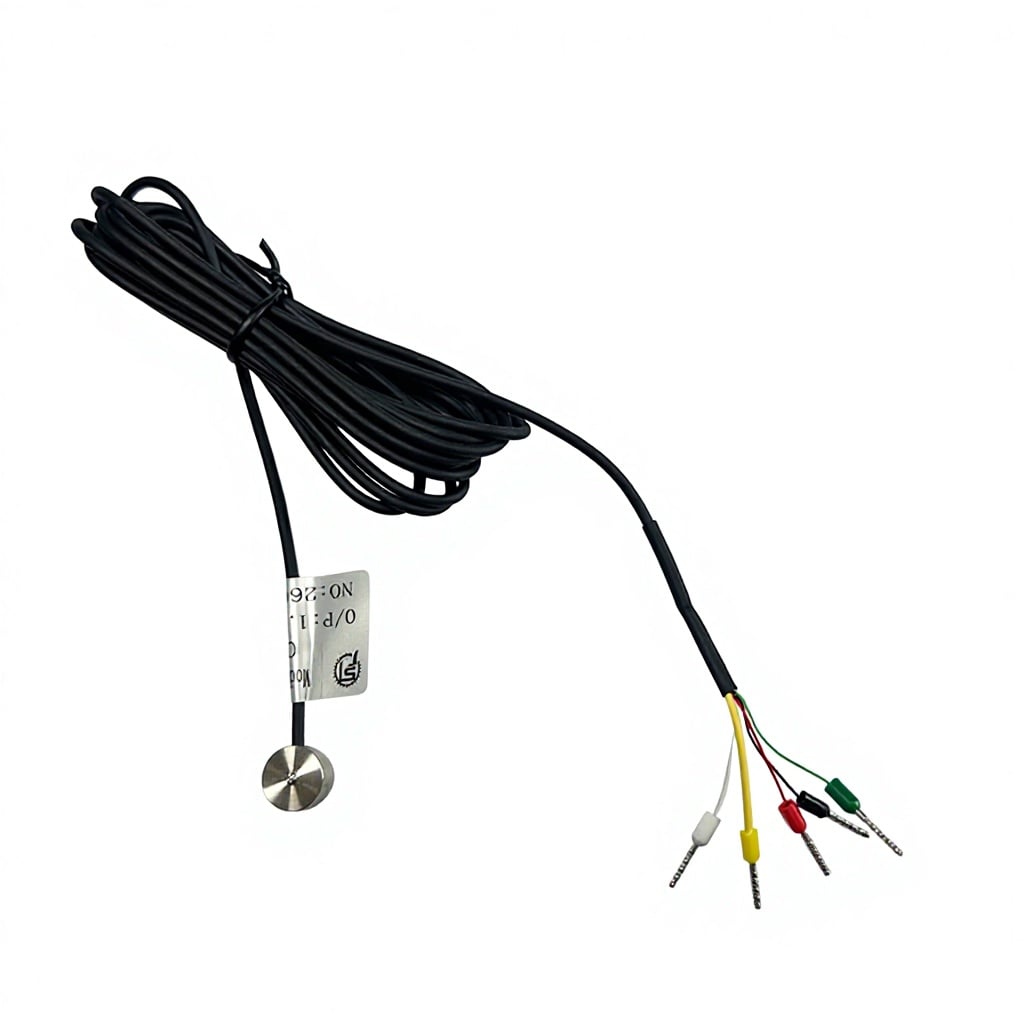
Output Signal: Compression load cells typically provide output signals in various formats, such as analog (mV/V) or digital (RS-232, USB). Understanding the output type is crucial for ensuring compatibility with your measuring systems. 

Temperature Range: The operational temperature range is vital, especially in applications where load cells may be exposed to extreme temperatures. Ensure the load cell can operate efficiently within the expected temperature limits of your application. 

Size and Mounting Options: The dimensions of the load cell and the available mounting options should fit your installation requirements. Ensure that the load cell's size does not interfere with other equipment and that it can be securely mounted. 

These specifications provide a foundation for selecting the right load cell distributors for your specific application. It’s advisable to work closely with suppliers to confirm that these specifications align with your operational needs.

Frequently Asked Questions

What is a compression load cell used for?

A compression load cell measures force applied in compression. It is used for lifting, weighing, structural testing, automation, and new energy applications requiring high-precision load measurement.
Our compression load cells provide high-precision accuracy and come with CE and RoHS certifications to meet international safety and environmental standards.
Yes. We offer OEM/ODM customization for rated capacity, mounting, connectors, calibration, and housing to meet specific industry requirements.
Common industries include lifting and rigging, industrial weighing, automation, material testing, and new energy systems such as battery and wind testing.
We provide factory calibration, technical support, installation guidance, and after-sales service to ensure reliable performance and traceability for each load cell.

Get a Free Quote

Our representative will contact you soon.
0/1000