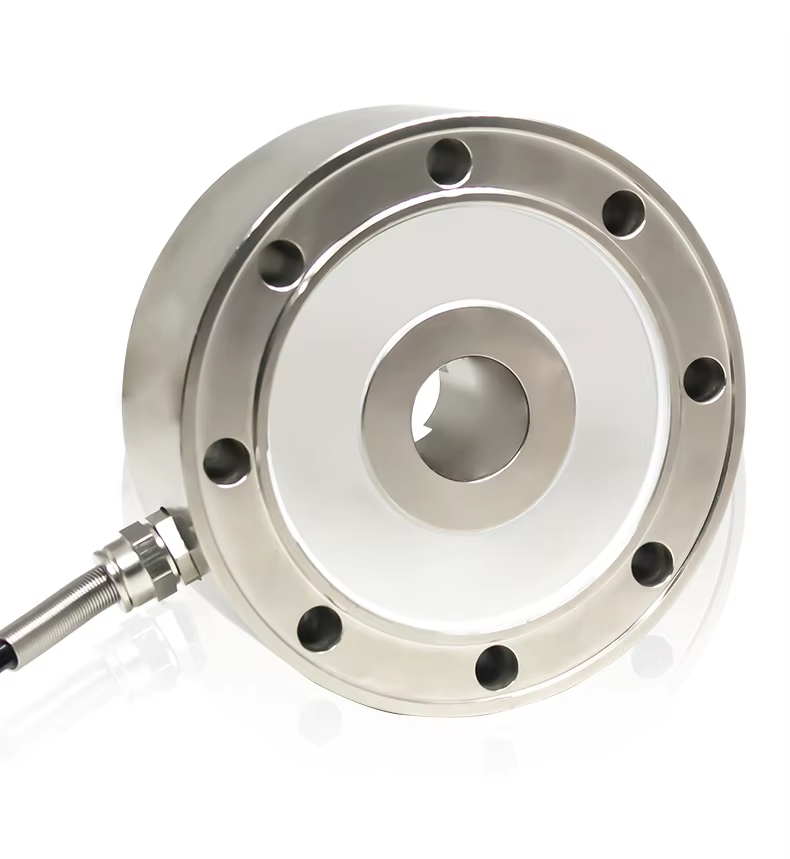
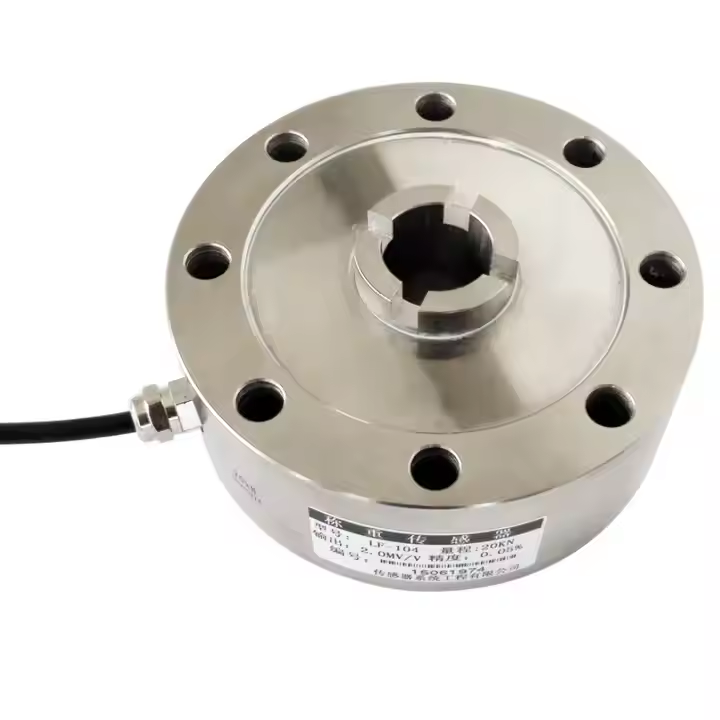
Choosing the Right Compression Type Load Cell

application/compression-type-load-cell, application/compression-type-load-cell, 
Inquiry
Inquiry

Compression type load cell

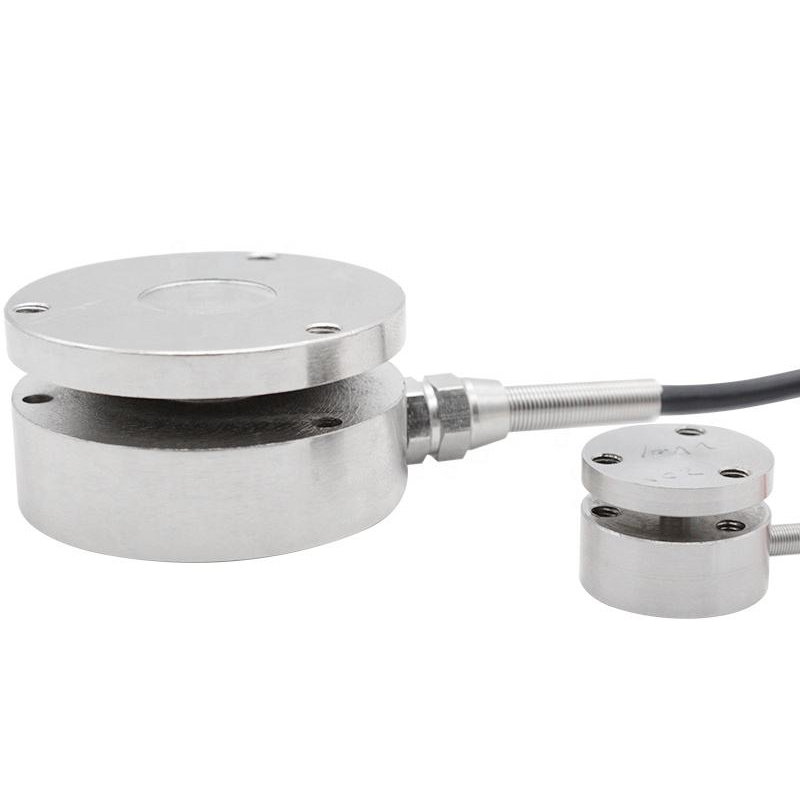
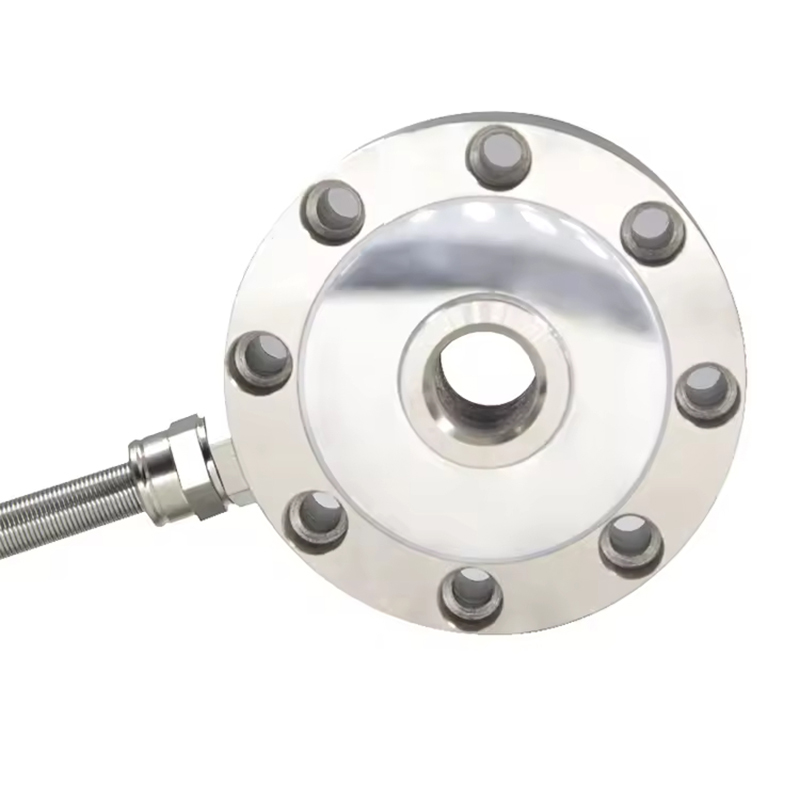
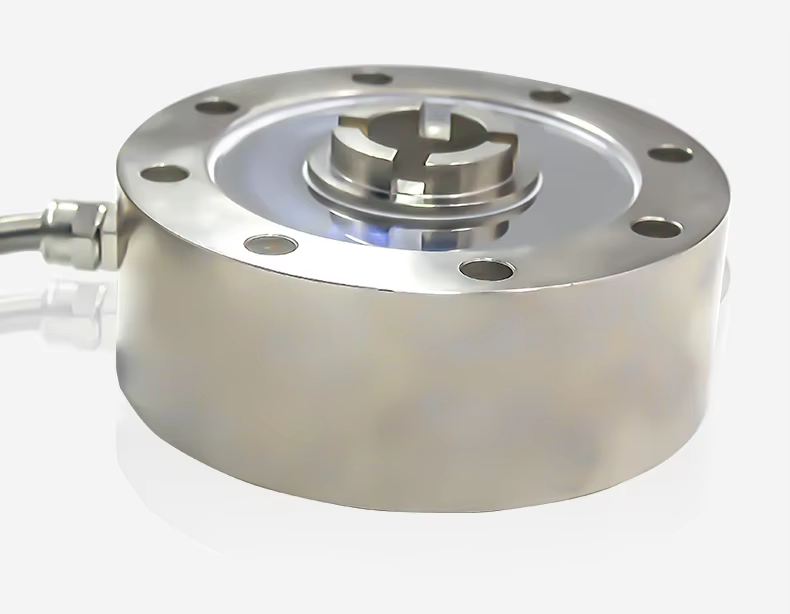
Compression type load cells are essential components used in various industrial applications to measure force or weight accurately. For B2B buyers, selecting the right compression type load cell involves understanding technical specifications, manufacturing quality, and potential application challenges. This article will guide purchasing managers, engineers, and product managers through the critical aspects of choosing and evaluating compression type load cells, ensuring they make informed decisions aligned with their project requirements.

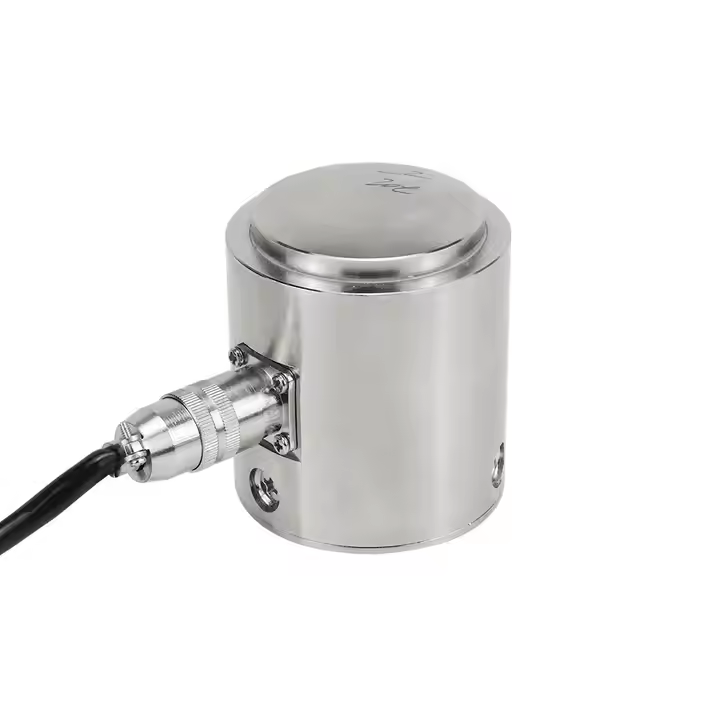
Key Specifications to Evaluate in Compression Type Load Cells

Key Specifications to Evaluate in Compression Type Load Cells

When assessing compression load cell sensor, several key specifications warrant careful consideration: Load Capacity: This specification indicates the maximum load capacity in the load cell can accurately measure. Exceeding this limit can lead to inaccurate readings or damage. Accuracy Class: Defined by the percentage of error, this specification indicates how close the load cell's output is to the actual load capacity. Higher accuracy is vital in applications requiring precise measurements, such as quality control in manufacturing. Sensitivity: This specification reflects how much the output signal changes with a change in load capacity. Higher sensitivity can provide better resolution in weight measurement, which is particularly important in dynamic applications. Temperature Coefficient: Compression type load cells can experience drift in accuracy with temperature changes. The temperature coefficient indicates how much the measurement error varies with temperature fluctuations, and a lower coefficient is preferable for stable measurements. Material Construction: The material used in the load cell affects its durability and suitability for specific applications. Stainless steel is common for its strength and resistance to corrosion, while aluminum may be used for lighter applications. Mounting Configuration: Ensure that the load cell's mounting options align with your application setup. Different configurations may be required based on how forces are applied to the cell. By thoroughly evaluating these specifications, buyers can select a compression type load cell that meets their performance and application needs.

Understanding Quality Control in Compression Type Load Cell Manufacturing

Understanding Quality Control in Compression Type Load Cell Manufacturing

Quality control in the manufacturing of digital compression load cell is crucial to ensure accuracy, reliability, and longevity. At JIANGXI JINGCE SENSING TECHNOLOGY CO., LTD., stringent quality control processes are implemented throughout the production cycle. During the initial stages, raw materials undergo rigorous inspection to verify their compliance with specified standards. This step is vital, as the performance and lifespan characteristics of the load cell are directly influenced by the quality of materials used. Next, each load cell undergoes calibration and testing under various conditions to ensure it meets the defined accuracy and performance specifications. This includes testing the compression type load cells under different loads capacity and environmental factors condition to simulate actual usage scenarios. Finally, before shipment, a final inspection is performed to verify that each load cell meets quality standards and is free from defects. Such comprehensive quality control processes ensure that customers receive reliable and accurate products that meet their operational requirements.

Comparing Cost Factors for Compression Type Load Cells in Bulk Orders

Comparing Cost Factors for Compression Type Load Cells in Bulk Orders

When purchasing compression type load cells, especially in bulk, various cost environmental factors must be considered. While the unit price is a significant factor, the overall cost of procurement can vary based on several aspects: Order Volume: Generally, larger orders can lead to discounts per unit. Understanding the minimum order quantity (MOQ) and how it affects pricing is essential for budget planning. Customization Requirements: Customized compression type load cells may incur additional costs. Buyers should evaluate the necessity of tailored specifications against the potential benefits they provide. Shipping and Handling: Costs can vary significantly based on shipping methods and distances. Buyers should consider logistics when budgeting for bulk orders, especially if international shipping is involved. Warranty and Support: Investing in compression type load cells from suppliers that offer robust warranties and customer support can reduce long-term costs associated with replacements or repairs. Quality of Materials: Higher-quality materials may come at a premium but often result in better longevity and performance, which can lead to cost savings in maintenance and replacements over time. By analyzing these environmental factors, buyers can better understand the total cost of ownership and make informed procurement decisions that align with their financial constraints and operational needs.

Solutions to Common Problems with Compression Type Load Cells

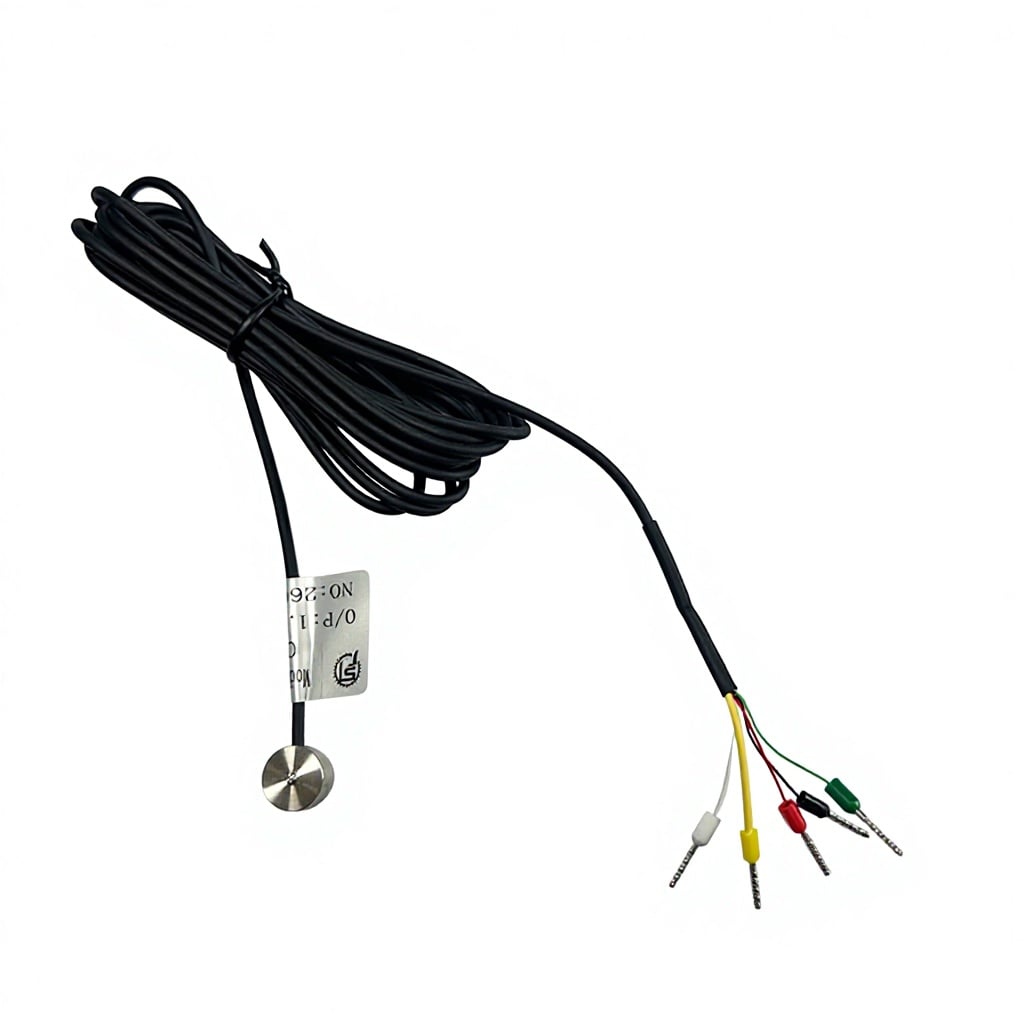
Compression type load cells can encounter several common issues that may affect their performance and reliability. Understanding these potential problems can help buyers prevent and address them effectively: Signal Drift: Over time, compression type load cells may experience signal drift due to temperature changes or mechanical fatigue. Regular calibration is recommended to maintain accuracy, and buyers should ensure that they have a calibration schedule in place. Environmental Damage: Exposure to moisture, corrosive chemicals, or extreme temperatures can compromise load cell integrity. Selecting compression type load cells with appropriate environmental factors in ratings and protective coatings can mitigate this risk. Mechanical Misalignment: Improper installation or misalignment can lead to inaccurate readings or damage. Buyers should ensure proper mounting techniques are followed and consider using alignment fixtures during installation. Overloading: Exceeding the load capacity can lead to permanent damage. It’s crucial to select a load cell with a load capacity exceeding the maximum expected load capacity, allowing for dynamic forces and safety margins. Wiring Issues: Faulty wiring can lead to erratic signals or failures. Ensuring proper connections and using high-quality cables can help mitigate electrical issues. By proactively addressing these common problems, buyers can enhance the performance and lifespan of their compression type load cells, ensuring consistent performance and lifespan in their applications.

How to Choose the Right Compression Type Load Cell for Your Project

Choosing the right compression cell requires a clear understanding of your project's specific needs. First, evaluate the load capacity required for your application; this will typically depend on the maximum weight or force that the compression type load cells will measure. Compression type load cells are available in various capacities, so selecting one that can handle the maximum expected load capacity is crucial to avoid damage or failure. Next, consider the environmental factors condition in which the load cell will operate. Environmental factors such as temperature, humidity, and exposure to chemicals can significantly influence the performance and longevity of the load cell. Opt for materials that are resistant to corrosion and suited for your application's specific conditions. Another key aspect is the output signal type (analog or digital). Analog load cells output a continuous voltage or current signal, while digital load cells provide a digital output, which can be easier to integrate with modern automation systems. Assess your existing infrastructure and select an output that aligns with your data acquisition system. Finally, consider the customization options available. Many manufacturers, like JIANGXI JINGCE SENSING TECHNOLOGY CO., LTD., offer OEM/ODM solutions that can tailor the load cell to meet specific requirements, enhancing compatibility with your equipment or processes.

Frequently Asked Questions

What is a compression type load cell?

A compression load cell measures force applied in compression. It converts load into an electrical signal for weighing and force monitoring in lifting, automation, and energy applications.
Our compression load cells offer high-precision performance with CE and RoHS certifications, ensuring compliance and reliable measurement accuracy for industrial use.
Common industries include lifting and hoisting, industrial weighing, automation systems, and new energy testing where precise compressive force measurement is required.
Yes. We offer OEM/ODM services to customize specifications, mounting, output signals, and calibration to meet application requirements and integration needs.
Our units can include IP-rated housings, temperature compensation, overload protection, and standard electrical outputs. Specific protections are tailored per model and customer requirements.

Get a Free Quote

Our representative will contact you soon.
0/1000